
Sometimes what feels exciting in the moment can come with a cost you didn’t see coming. What starts as harmless fun or a spark of passion can end up leaving marks you can’t just brush off. When the person you choose isn’t the right one, the impact can reach far beyond the night itself.
This isn’t about judging anyone; it’s about awareness. Whether it’s an unexpected health scare, emotional fallout, or simply realizing you didn’t know someone as well as you thought, sleeping with the wrong partner can bring real consequences. So, let’s talk honestly about what those risks really look like and how to protect yourself.
Emotional Pitfalls That Linger
For many people, the hardest part comes after the thrill fades. You wake up feeling off, maybe even empty, like something just doesn’t sit right. Without real emotional connection, intimacy can leave you questioning your worth. It’s that quiet voice saying, “Was I just a moment for them?”
Research backs this up, too. Studies show people who engage in casual sexual encounters often have higher levels of anxiety and self-doubt later. It’s not always about regret, but about confusion. You might start overthinking everything, wondering if you misread the situation or if they cared at all.
Sometimes the emotional impact doesn’t show up right away. It sneaks in slowly, showing up as guilt, stress, or even trouble trusting someone new. And when friends or family add judgment to the mix, the emotional weight doubles. No one really prepares you for that kind of situation.
When Intimacy Feels One-Sided
Things get even messier when two people enter into the same night with totally different expectations. One might be hoping for something real, while the other just wants to have fun. It’s easy for someone to get hurt.
You might tell yourself you’re fine with keeping it casual, but that’s not always how it plays out. Feelings get tangled. Suddenly, you’re wondering if you’re being used, or if you expected too much.
There’s no shame in wanting closeness, but pretending not to care when you actually do can be exhausting. When that emotional mismatch meets a careless partner, it can leave scars that last longer than you planned.
Medical Realities and the Physical Cost
The World Health Organization estimates more than a million people get a curable sexually transmitted infection every single day. That’s a huge number, and it’s not just something that happens somewhere else. It’s happening everywhere to people who thought they were being careful.
In this section, let’s look at the key infections, what they do, why they matter, and how sleeping with someone you don’t know well raises your risk.

Image credit: Shutterstock
Chlamydia
This is one of the most commonly reported STIs. In the United States alone, there were over 1.6 million infections in 2023. What makes it tricky is that many people don’t have symptoms. WebMD reports that only about 25 percent of women and 50 percent of men with chlamydia show symptoms.
If untreated, it can travel up into the reproductive organs. For women, this can mean pelvic inflammatory disease, infertility, or ectopic pregnancy. For men, it might lead to urethral damage or epididymitis.
Because you might not notice it, and because you often don’t know a partner’s status, casual intimacy makes it more likely you’ll be exposed. Later, you might regret not having that simple conversation or test.
Gonorrhea
Also known as “the clap,” this bacterial STI affects hundreds of thousands each year. It can infect the throat, especially after oral sex. That point is often overlooked. It can also be asymptomatic, so you might believe you’re in the clear when you’re not.
If untreated, gonorrhea may lead to serious problems like infertility, joint issues, and in rare cases, spread to the bloodstream causing life-threatening infection.
Syphilis
While less common than chlamydia or gonorrhea, syphilis carries heavy risks. The United States reported over 200,000 cases in 2023.
Syphilis progresses in stages. If it advances untreated, it can affect the brain, heart, and nervous system, potentially causing paralysis, blindness, or dementia. The fact that it might begin with something mild, like a painless sore, means people often ignore it. But it doesn’t go away. A partner you hardly know, no test, no awareness, that’s risky.
Human Papillomavirus (HPV)
HPV is incredibly common. The World Health Organization estimates that around 300 million women worldwide are infected with HPV. Certain strains cause genital warts, while others raise the risk of cancers including cervical, penile, anal, and throat cancers.
About 60 to 70 percent of throat cancers in the United States are linked to HPV. The invisible nature of HPV makes it a wild card. You might assume someone is healthy, skip vaccination or protection, and still get exposed. Over time, that exposure could become serious.
Herpes Simplex Virus (HSV-1 and HSV-2)
Herpes is lifelong. There is no cure. HSV-2 typically affects the genital area, while HSV-1 often causes cold sores but can also be passed genitally.
Outbreaks, pain, emotional burden, shame, these are part of the package. Because it’s transmissible even when no visible sores appear, it’s easy to pick up through intimacy with someone you don’t know well.
Trichomoniasis, Mycoplasma genitalium, and Others
Some infections don’t get as much attention but still matter. Trichomoniasis affects millions worldwide and is often overlooked. Mycoplasma genitalium is an emerging concern, often resistant to treatment and underdiagnosed.
When you sleep with someone whose sexual history is vague, you might be exposed to one of these “silent” infections, and they can damage reproductive health too.
Oral Health and Hidden Infection Sites
Sexual risk isn’t only in the private parts. Oral sex, kissing, or sharing intimate contact with someone you barely know can transmit infections as well.
High-risk HPV strains cause throat cancer, and oral HPV infections are often symptom-free. Cold sores might look harmless, but the virus remains. Someone who seems healthy may still pass it on.
This is why a one-night encounter with no conversation and no protection is more than a gamble.

Image credit: Shutterstock
Co-Infections, Resistance, and the Hidden Layers
You might think ‘just one STI, that’s bad enough,’ but there’s more. If you have one infection, you’re more vulnerable to others. For example, infections that cause inflammation or damage to mucosal tissue make it easier for another infection, including HIV, to take hold.
Antibiotic resistance is also growing. Some strains of gonorrhea are resistant to common treatment. So when you pick a partner whose history is unknown or whose behavior you don’t ask about, you’re exposing yourself to more than the obvious.
Unintended Pregnancy and Reproductive Health Risks
Even when people think they’re being careful, accidents happen. Unintended pregnancies can completely change the course of a person’s life. What begins as a spontaneous decision can quickly turn into weeks of confusion, stress, or heartbreak.
Emotional and Financial Consequences
The emotional toll of an unexpected pregnancy is heavy. For some, it brings guilt, anxiety, or even panic, especially when the relationship with the partner isn’t stable or supportive. Suddenly, something that was meant to be private becomes a major life decision. You might find yourself having to explain things to family, friends, or even an employer, and the weight of judgment can feel unbearable.

Then there’s the financial side. Raising a child or even preparing for one is expensive. Prenatal care, hospital bills, and childcare costs can pile up fast. For someone who wasn’t planning for it, these financial pressures can lead to debt, job stress, or emotional burnout. Even choosing adoption or termination carries costs, both monetary and mental. It’s not as simple as people make it sound.
Health Risks Associated with Pregnancy or Unsafe Abortion
Beyond emotions and money, there are physical dangers too. Every pregnancy carries risks, but when it’s unplanned or the mother doesn’t have medical support, complications can appear fast. Unsafe abortions remain a major global health issue, especially in places where access to proper care is limited. According to the World Health Organization, nearly half of all abortions worldwide are unsafe, leading to thousands of preventable deaths every year.
Women who undergo unsafe procedures face higher chances of infection, hemorrhage, or long-term reproductive damage. Even safe pregnancies can come with risks like preeclampsia, gestational diabetes, or postpartum depression. When your body isn’t prepared, the strain can be severe.
Pelvic Inflammatory Disease (PID)
PID is one of the most overlooked consequences of untreated sexually transmitted infections like chlamydia or gonorrhea. It happens when bacteria travel up from the cervix into the uterus, fallopian tubes, or ovaries, causing painful inflammation.
At first, the symptoms might seem minor, such as lower abdominal pain, fever, or unusual discharge. But the real damage happens silently. Over time, PID can cause scar tissue that blocks or damages reproductive organs. This can lead to chronic pelvic pain, infertility, or an increased risk of ectopic pregnancy, where the embryo implants outside the uterus.
The sad part is that PID is often preventable. Regular testing and early treatment for infections can stop them before they start. Yet many people don’t realize they have an STI until the damage is done.
Infertility from Untreated Infections
Many people don’t connect fertility problems with past infections, but the link is strong. When infections like chlamydia or gonorrhea go untreated, they can cause irreversible damage to reproductive organs. The scarring in the fallopian tubes or uterus prevents the egg and sperm from meeting, leading to infertility or recurrent miscarriages.

For men, untreated infections can cause blockages in the sperm ducts or inflammation that affects sperm count and mobility. Sometimes, couples spend years and thousands of dollars on fertility treatments without realizing that an untreated STI from years ago may be the root cause.
The emotional impact of infertility is often just as painful as the physical one. It can strain relationships, trigger depression, and leave people feeling like something was stolen from them. It’s another reminder that early testing and treatment aren’t just about preventing disease; they’re about protecting the future.
Complications in Pregnancy
When infections are left untreated during pregnancy, they can be passed to the baby during pregnancy, labor, or even breastfeeding. This can lead to serious health problems such as neonatal infections, pneumonia, or developmental issues.
Some infections, like syphilis or herpes, can cross the placenta and harm the baby before birth. Others, like gonorrhea, can cause eye infections or blindness in newborns. The National Institutes of Health (NIH) reports that untreated maternal infections are a leading cause of premature births and low birth weights worldwide.
Premature birth comes with its own challenges, like longer hospital stays, respiratory problems, and developmental delays. For parents, this means emotional exhaustion and financial strain as they navigate medical care they never planned for.
The good news is that most of these risks can be avoided. Regular prenatal care, honest communication with healthcare providers, and early STI screening protect both the mother and the baby. When infections are caught early, treatment is usually simple and effective.

In the end, protecting reproductive health is about more than avoiding disease, it’s about preserving your choices, your body, and your future family if you ever want one. Taking precautions today means fewer regrets tomorrow, and it ensures that if parenthood comes, it happens on your own terms.
Read More: Mouth Cancer: Symptoms, Signs, and When to See a Doctor
Protecting Yourself
It’s easy to think it won’t happen to you, but that mindset is what gets many people into trouble. Protecting yourself doesn’t mean living in fear or avoiding intimacy completely. It means staying informed, knowing your boundaries, and making choices that match what you really want, not just what feels good at the time.
Start With Honest Conversations
Talking about sexual history or testing might feel awkward, but silence is riskier. Before getting intimate, have a short, honest chat about when each of you last got tested. You don’t need to make it uncomfortable. Just keep it simple.
That kind of transparency sets the tone. It shows you care about both your health and theirs. If they act defensively or dismissively, that’s a red flag. People who respect you won’t make you feel bad for asking. It often deepens trust, even in casual relationships.
Experts recommend routine STI screening at least once a year for sexually active adults, and more often if you have new or multiple partners.
Use Protection Every Time
Condoms aren’t perfect, but they work. They can reduce the risk of HIV by around 80 percent and lower the chances of many other infections. Still, some skip protection thinking one time won’t matter. Sadly, that single exception is often the moment they regret.
For oral sex, dental dams or condoms cut open lengthwise can prevent infection. It might not sound romantic, but safety can actually make you more relaxed.
Even in long-term relationships, trust doesn’t replace protection. If a partner hasn’t been tested or had a past infection, you can still be at risk. If you’re allergic to latex, there are other materials that work just as well.

Vaccines Are Real Protection
Vaccines are one of the easiest ways to protect yourself. The two big ones are the HPV vaccine and the Hepatitis B vaccine. HPV vaccination prevents cancers and warts, and it’s recommended for people up to age 45. Hepatitis B vaccines prevent a liver infection that spreads through sex or blood.
Getting vaccinated isn’t a moral decision. It’s basic self-care. You can’t control another person’s past, but you can protect your own future.
Get Tested Regularly, Even If You Feel Fine
Most STIs don’t show symptoms. You could have an infection for months or even years without realizing it. That’s why testing matters.
Chlamydia can quietly damage your organs without pain. HIV can stay hidden for years. Testing is simple. Clinics, doctors, and even home test kits make it easy. Many results come back in days, and early treatment prevents long-term harm.
Make testing normal, not something done in panic. If you’re sexually active with multiple or new partners, test every few months. If you’re in a monogamous relationship and both tested negative, yearly is fine.
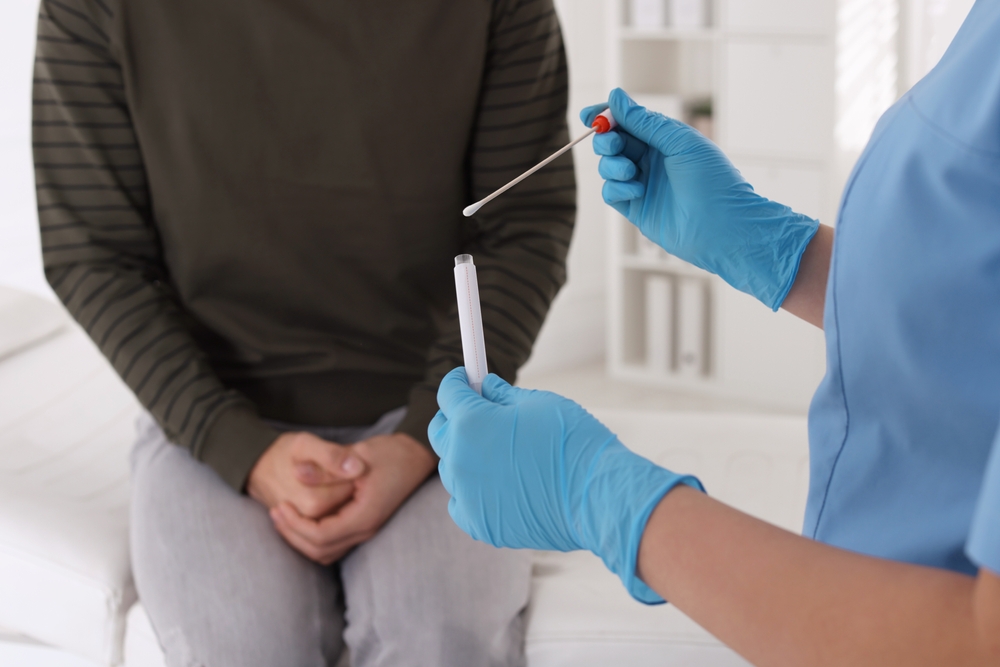
Image credit: Shutterstock
Know Your Boundaries and Stick to Them
Boundaries protect your emotional and physical safety. Maybe you don’t do unprotected sex, or maybe you only get intimate with people you trust. Whatever your rules are, stand by them.
If someone pressures you or calls you uptight, walk away. Respect starts with respecting yourself. Saying no doesn’t make you difficult. It makes you safe.
Pay Attention to Red Flags
Sometimes danger shows up quietly. A person who refuses to talk about testing, insists on skipping protection, or hides their past is waving a red flag.
Watch out for the charm used as a distraction. Trust your gut. If something feels off, it probably is. Walking away will always be better than ignoring warning signs.

Protect Your Mental Health Too
Protection isn’t only physical. Emotional safety matters too. If intimacy leaves you anxious or uneasy afterward, take time to reflect. Ask if the encounter matched what you wanted.
You might need distance, therapy, or to cut ties with someone who drains you emotionally. That’s okay. Protecting your peace isn’t selfish. It’s smart.
Handle Mistakes with Maturity
Everyone slips up. Maybe you didn’t use protection, or forgot to ask about testing. Don’t panic. Act quickly and get tested. Some infections show up after a few days, others take longer. If pregnancy is a concern, take a test or use emergency contraception.
Don’t let fear stop you from taking action. Facing it early prevents bigger problems later. Learn from the experience, not through shame but growth.
Build a Support Network
Having trusted people to talk to helps. Maybe it’s a friend, sibling, or therapist. Talking about sexual health openly makes it less scary.
If you feel isolated, look for online support or visit clinics like Planned Parenthood. The more you learn, the less fear you hold, and that’s how better decisions happen.

Image credit: Shutterstock
Prevention Is an Act of Self-Respect
Protecting yourself isn’t about fear or mistrust. It’s about valuing your body, your emotions, and your peace of mind. When you use protection, get tested, and respect your limits, you’re saying “I’m worth protecting.”
That mindset doesn’t just keep you healthy. It makes your relationships stronger because they’re based on honesty and respect.
Moving Forward with Awareness and Respect
Intimacy doesn’t have to be scary. It can be caring and safe when awareness guides it. Choosing wisely isn’t about fear; it’s about protecting your future self. Your body and your heart deserve that much care.
Ask yourself before acting, “Am I doing this because I want connection or because it’s just the moment?” Protect your body, protect your peace, and think long-term.

The Bottom Line
Sleeping with the wrong person is not just a bad night. It can reshape how you see yourself, your health, and your relationships. Yet this isn’t about fear, it’s about power. The power to choose differently, to care for yourself, and to protect your peace.
Intimacy should feel safe, not uncertain. When you lead with awareness and self-respect, you take control of your story. Love and connection can still be exciting, but they should never come at the cost of your health or happiness.
Take a moment before the next impulsive choice. Ask questions. Protect yourself. Because your body and your heart deserve that kind of care, every single time.
Disclaimer: This information is not intended to be a substitute for professional medical advice, diagnosis or treatment and is for information only. Always seek the advice of your physician or another qualified health provider with any questions about your medical condition and/or current medication. Do not disregard professional medical advice or delay seeking advice or treatment because of something you have read here.
Read More: Could a Common STI Be Linked to Dementia? Experts Raise Concerns.