
People often talk a lot about billionaires and what they pay in taxes lately, and it feels like the topic is ongoing. One writer asked ChatGPT what might happen if billionaires paid the same rate as everyone else. The model gave a simple breakdown. It touched on revenue, behavior, and a few social outcomes too. The whole thing is only a scenario, but it helps people picture how taxing the ultra rich at similar rates might shift things around.
Why This Hypothetical Matters Right Now
Image credit: Shutterstock
There is a lot of talk about wealthy tax rates today, and honestly, people seem tired of trying to follow every rule and loophole. This kind of scenario helps bring things down to earth. At least that is what it felt like. ChatGPT explained it in a plain way so readers could imagine how the system might look if everyone paid closer to the same rate. Some people see it as fair share taxation, others see it as pushing too far, but it still gets people thinking.
Current Effective Tax Rates Look Very Uneven
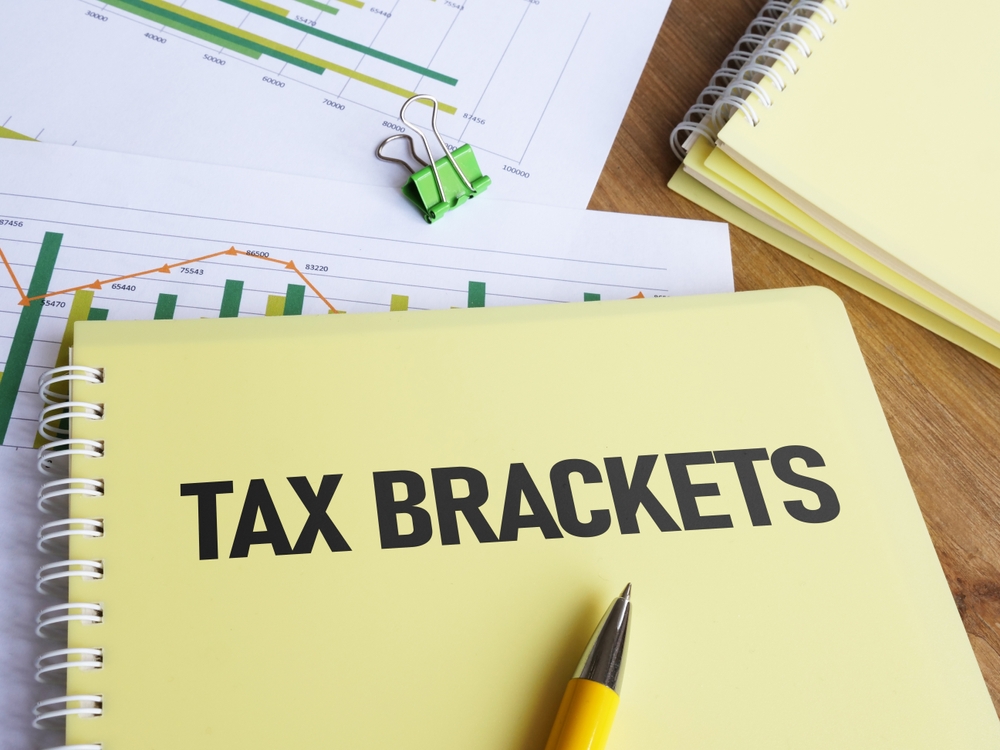
Most workers pay taxes on regular wages, which are pretty straightforward. Billionaires often earn in ways that work differently, since investments and capital gains have lower rates. According to ChatGPT, many wealthy households use legal deductions and timing tricks to shrink what they owe. That makes their effective rate sit lower than what many middle-class people pay. When you hear that, it is not hard to see why debates about wealthy tax rates keep showing up in the news.
The Model Uses a Standard Middle Class Tax Rate

ChatGPT used a basic 20 percent effective rate as a comparison point. It is not perfect, and the model admitted that clearly, but it gives a decent starting place. Using a single average number helps show how ultra wealth taxes could shift revenue if applied evenly. It does not promise an exact total, but it still gives people something they can picture. Sometimes a simple estimate works better than a pile of charts.
Estimated Revenue Could Reach Hundreds of Billions

ChatGPT suggested that, using this simple 20 percent rate, the government might collect somewhere between 250 and 350 billion dollars a year if billionaires paid something closer to that level. It is only an estimate, still, it shows how much wealth sits at the top. A lot of people already talk about fair share taxation and this amount explains why the debate keeps going. Even a small shift in rates could change how the country budgets things.
How This Revenue Could Support Public Services

Image credit: Shutterstock
That extra revenue could move into different public services if lawmakers wanted it to. Some people imagine better roads, school upgrades, or a stronger health system. Others think of smaller ideas, like safer parks or better water systems in older towns. The model did not promise anything, but it made it clear that new money can help fill long-running gaps. When people talk about taxing the ultra-rich, these types of benefits usually come up first.
The Possible Impact on the National Deficit
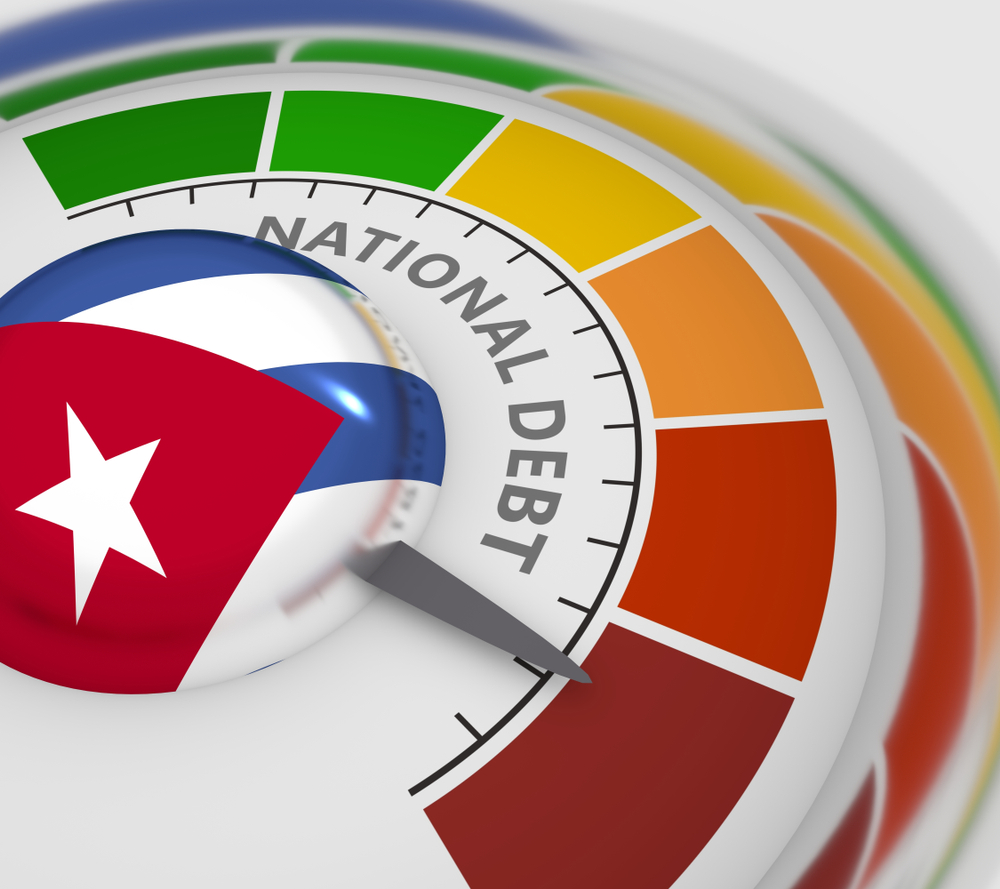
Image credit: Shutterstock
One thing ChatGPT mentioned, almost casually, is the national deficit. It said that hundreds of billions added each year could slow the growth of that deficit. It is not magic or anything, but it would at least soften the pressure. Some experts argue that reducing debt makes the country more secure, while others think spending matters more. The model did not take sides, but it did say that fair share taxation could shift long term financial stability in a small but steady way.
Concerns About Changes to Investment Behavior

Image credit: Shutterstock
The model also talked about how wealthy households might respond. Some investors could move money around in new ways if wealthy tax rates increased. Maybe they would delay selling stocks or choose safer investments. ChatGPT did not frame it like a disaster, but it did say behavior would likely shift. People have always adjusted to new rules. Sometimes that helps growth, sometimes it slows things down. It depends on how those rules look and how fast they appear.
Could Higher Rates Encourage More Tax Avoidance

Image credit: Shutterstock
This part sounded a bit familiar because history has shown it before. When rates rise, some wealthy households try harder to avoid them. ChatGPT explained that this might happen again. More accountants, more complex strategies, and more attempts to reduce taxable income. It is all legal most of the time, but it still creates challenges. Without strong oversight, the results would fall short of expectations.
Effects on Small Businesses and Entrepreneurship

Image credit: Shutterstock
Some critics always worry that higher taxes on the ultra-rich could hurt small businesses. ChatGPT did not fully agree, but it admitted there could be small ripples. Many new companies rely on investors who prefer low tax rates. If those rates rise, a few investors might get more cautious. Still, the model pointed out that most everyday businesses are not run by billionaires anyway. So the broader impact might be weaker than people assume. It depends on how wide the changes reach.
How This Scenario Might Reduce Wealth Inequality

The model said that adjusting wealthy tax rates might shrink the gap between the richest families and everyone else. It would not erase the gap, but it could narrow it a little each year. That is how slow shifts usually work. ChatGPT mentioned that the biggest effect comes from reinvesting revenue into public support. When that money helps everyday households, inequality shrinks from both sides, the top and the bottom. It is gradual, but noticeable over time.
Why Some Economists Support the Idea

Image credit: Shutterstock
ChatGPT pointed out that quite a few economists see value in adjusting wealthy tax rates. They believe it can make the system more balanced without harming the economy too much. Some say it helps stabilize long-term revenue. Others think it keeps opportunities open for more people instead of concentrating power at the top. The model did not push a strong opinion, but it did show why the idea appeals to experts who want a fairer structure. It is not perfect, but no policy ever is.
Why Other Economists Strongly Oppose It

Image credit: Shutterstock
On the other hand, plenty of economists argue against taxing the ultra-rich at higher levels. They worry that higher rates could push investment overseas or slow local growth. ChatGPT shared these concerns in a calm way, almost like it wanted readers to see both sides without taking a stance. Critics would say that taxing the ultra-wealthy could reduce innovation or scare away big investors. Whether that happens or not depends on details, and that is the part people rarely agree on.
Political Resistance Would Be a Major Obstacle
Even if the math makes sense, politics is another story. ChatGPT mentioned that changing wealth tax rates would face strong resistance from powerful groups. Lobbyists, donors, and major industries influence tax laws in ways most everyday people never see. Passing new rules often takes years of arguments. The model suggested that fair share taxation sounds simple, but lawmakers rarely move fast. It is one of those policies that looks cleaner in theory than it does in any real political battle.
How Public Opinion Shapes the Debate
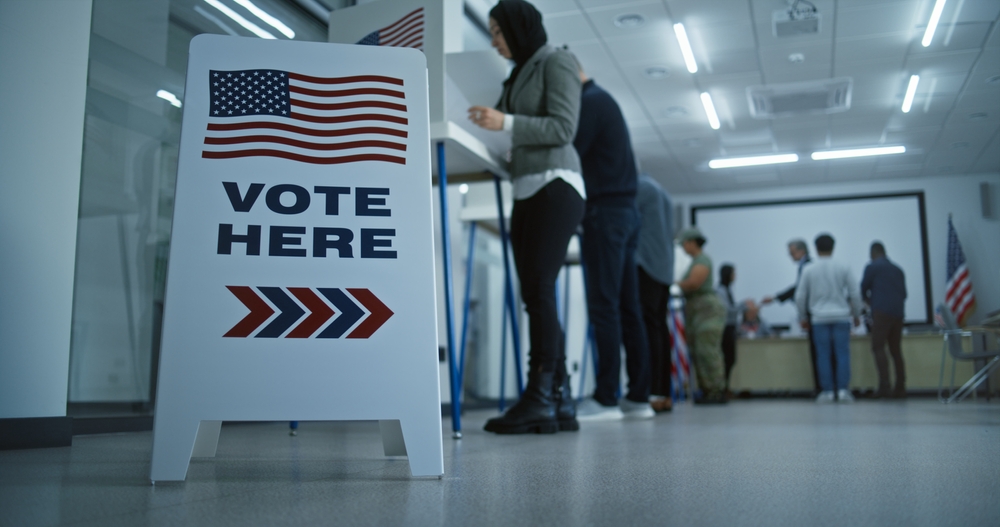
Image credit: Shutterstock
ChatGPT said public opinion plays a bigger role than people expect. When voters support higher taxes on billionaires, politicians begin to talk about it more. When voters shift the other way, the topic fades again. Many people see fairness as the main factor. Others focus on personal financial fears or misunderstandings about how taxes work. The model explained that opinions move with the economy. When times feel tough, people talk more about large fortunes and whether they should contribute more.
What Happens if Nothing Changes at All

Image credit: Shutterstock
This slide was the most grounded. ChatGPT said that if nothing changes, the system keeps trending the same way. Wealth concentrates more each decade. Some middle-class workers fall behind. Big investors stay comfortable. Public services are uneven across communities. It is not a dramatic prediction, just a slow drift. The model emphasized that this outcome is common when lawmakers avoid tough topics. Without new policies, wealthy tax rates keep favoring those at the top, even if most people dislike it.
How Other Countries Handle Similar Tax Questions
Image credit: Shutterstock
ChatGPT mentioned that many countries struggle with the same debates. Some places have higher rates on the ultra-rich, while others have dropped them after seeing complicated results. A few nations mix different methods, like property taxes or financial transaction taxes. The model said there is no perfect system. Each country ends up designing rules that fit its culture, politics, and economy. Looking at these examples helps people understand that changing wealth tax rates is never simple, even when it sounds straightforward.
The Long Term Effects Could Be Subtle but Meaningful

Image credit: Shutterstock
The model explained that big tax shifts rarely cause sudden changes. Instead, effects appear slowly. Maybe schools improve over a decade or public debt grows more slowly. ChatGPT noted that fair share taxation works like a steady drip rather than a flood. It is not dramatic, but long-term results can still matter. People often overlook these slow changes because they expect quick wins, even when policy shifts almost never work that way.
Possible Benefits for Future Generations

Image credit: Shutterstock
ChatGPT spent a moment talking about long-term gains for young people. If wealthy tax rates became more even, future generations might grow up with stronger public systems. Better infrastructure saves money later. Stronger education leads to higher earnings. Health care access reduces lifelong stress. These ideas are not guaranteed, but they show why some people push so hard for billionaires to be taxed higher. They believe today’s choices should give the next generation a fair shot at stability.
Read More: Threats & Blackmail: Why AI Sometimes Turns Evil, and Nobody Knows Why
What This Scenario Reveals About the Economy

The model said the whole exercise highlights how much wealth sits at the very top. People often guess the numbers wrong because they seem too large to imagine. ChatGPT pointed out that even small changes, when applied to massive fortunes, can shift national revenue in noticeable ways. This does not mean every proposal will work. It simply means the scale of billionaire fortunes shapes the economy more than most people realize. Understanding that scale helps people think about future policies differently.
Why This Debate Will Probably Continue for Years

Image credit: Shutterstock
Arguments about what billionaires should be taxed will not disappear anytime soon. Too many voices disagree about fairness, growth, investment, and opportunity. Every election brings the topic back up. Every new report sparks another round of discussion. The model suggested that people debate wealthy tax rates because they are tied to culture, values, and identity. Until those beliefs change, the conversation will stay alive, no matter which party wins or loses.
The Bottom Line

ChatGPT’s scenario is not a prediction. It is simply a way to imagine how the United States might look if billionaire taxes matched the same effective rate many workers pay. The idea is bold, but the math shows why it keeps appearing in public debates. Some outcomes could help the country, and some could cause challenges, depending on how the rules are written. Still, the scenario gives people a clearer view of how much power sits at the top. Whether laws change or stay the same, the discussion will keep shaping how people think about fairness and the future.
Read More: MIT Study Suggests ChatGPT Could Be Undermining Critical Thinking