
The Gulf Stream is a giant river of warm water running through the Atlantic and has quietly been keeping the world stable for centuries. It regulates the weather, balances ocean temperatures, and keeps much of Europe surprisingly warm. But new studies say this massive current might be on the verge of breaking down, and if that happens, the planet is in for some serious trouble.
Recent research suggests that the Atlantic Meridional Overturning Circulation, known as the AMOC, which includes the Gulf Stream, might weaken or even shut down in the coming decades. Some scientists think it could happen as early as the 2040s or 2050s. If that sounds far away, it’s really not, considering what’s at stake. A collapse could change weather patterns, raise sea levels, and throw ecosystems into chaos.
While experts argue over how soon this could happen, few doubt the risks anymore. The ocean’s rhythm that has shaped life for thousands of years seems to be stuttering.
What the Gulf Stream Actually Does
The Gulf Stream current isn’t just some warm water drifting north. It’s part of a complex circulation system that carries heat from the equator all the way to the icy waters near Greenland. When that warm, salty water cools, it sinks deep into the ocean and flows back south again, creating a global loop that keeps climates in check.
Think of it like Earth’s heating system. Without it, much of Europe would be freezing. London might start feeling more like Canada, and crops that depend on mild weather could fail.
But this delicate balance depends on temperature and salt. The more the ice in Greenland melts, the more fresh water pours into the North Atlantic. That fresh water is lighter and doesn’t sink as easily. Eventually, the system that drives the Atlantic circulation could just stall.
Signs That the System Is Changing
Scientists have been tracking small but worrying shifts for years. They’ve seen evidence that the Atlantic current system might already be slowing down, possibly by around 15 percent since the 1950s.
In 2023, researchers Peter and Susanne Ditlevsen from the University of Copenhagen published a study suggesting that the Gulf Stream system may reach a critical tipping point around 2057. Their data showed early warning signals, tiny fluctuations in ocean temperature and salinity that usually happen before major collapses in natural systems.
They warned that once this threshold is passed, the current could rapidly weaken within a few decades. Not centuries, decades. It wouldn’t be a slow fade either, it could happen faster than we could adapt.
Scientists Still Don’t All Agree
Here’s where things get messy. A different team from Switzerland and the United States released a study in 2025 that tells a calmer story. Using ocean heat data rather than surface temperatures, they found no clear slowdown between 1963 and 2017.
Their view, published in Nature Communications, is that while the AMOC system is likely to weaken someday, it hasn’t shown clear evidence of decline yet. One of the researchers said in an interview that the ocean might just be more stable than people think, but added that “we shouldn’t take that as comfort.”
Basically, the science is split. Some say we’re close to a total collapse, others say we’re not there yet. But both sides agree that if we keep warming the planet, we’re going to test those theories sooner or later.
How Likely Is a Collapse?
Several new models put numbers to that risk. A 2024 study led by Emma Smolders and Henk Dijkstra estimated there’s roughly a 59 percent chance the Atlantic overturning circulation could collapse before 2050. Their results placed the tipping window somewhere between 2037 and 2064.
Then, in 2025, a study by Sybren Drijfhout and colleagues took things further. Using extended climate models, they projected what would happen beyond the year 2100. Their paper, published in Environmental Research Letters, said the North Atlantic current could shut down under high-emission scenarios. They gave probabilities of 70 percent under high emissions, 37 percent under moderate emissions, and 25 percent even with major cuts.
It’s not guaranteed, but it’s also not something anyone can shrug off. Even the lower estimates point to a system at risk.
What Happens If It Collapses
If the Gulf Stream stopped, everything would change. Western Europe would cool dramatically, with winters several degrees colder. Farmers might lose key crops and heating demands would spike.
On the U.S. East Coast, sea levels could rise faster, adding half a meter in some areas. Meanwhile, monsoon systems in Africa and Asia could weaken, bringing droughts that would devastate crops and water supplies.

A weaker Atlantic current would mean less carbon absorbed by the ocean. More heat would stay trapped in the atmosphere, making global warming spiral even faster. It’s not just Europe’s weather at risk, it’s the planet’s entire climate engine.
The Domino Effect Around the World
A weaker Atlantic current system wouldn’t just cool Europe, it would scramble weather across the globe.
The North Atlantic’s cooling would disrupt the jet stream, which steers storms and weather patterns. That could mean long droughts, sudden floods, and unpredictable temperature swings.
Marine life would also take a hit. Nutrient cycles that feed plankton could collapse, and that would ripple up the food chain, from small fish to whales to humans who depend on seafood.
It’s a reminder that when the ocean shifts, everything connected to it shifts too.
Why Scientists Are Still Arguing
Part of the disagreement comes down to data. The AMOC operates deep below the ocean surface, and it’s hard to measure. We’ve only had direct observations since 2004. Everything before that relies on indirect clues, temperature changes, salt levels, sediment samples, and other tricky proxies.
The Swiss–U.S. team argues that surface indicators are unreliable and exaggerate trends. They used heat-flux data instead, which paints a steadier picture. But researchers like the Ditlevsens say early-warning signs are already showing up in the data and that waiting for perfect proof could mean missing the chance to act.
Both sides have a point. The Atlantic circulation might not have collapsed yet, but instability is clearly growing. The question is how close we are to the point of no return.
Greenland’s Melting Ice Makes Things Worse
One of the biggest contributors is Greenland. The island is melting faster than anyone predicted and each year, it sends around 270 billion tons of freshwater into the North Atlantic.
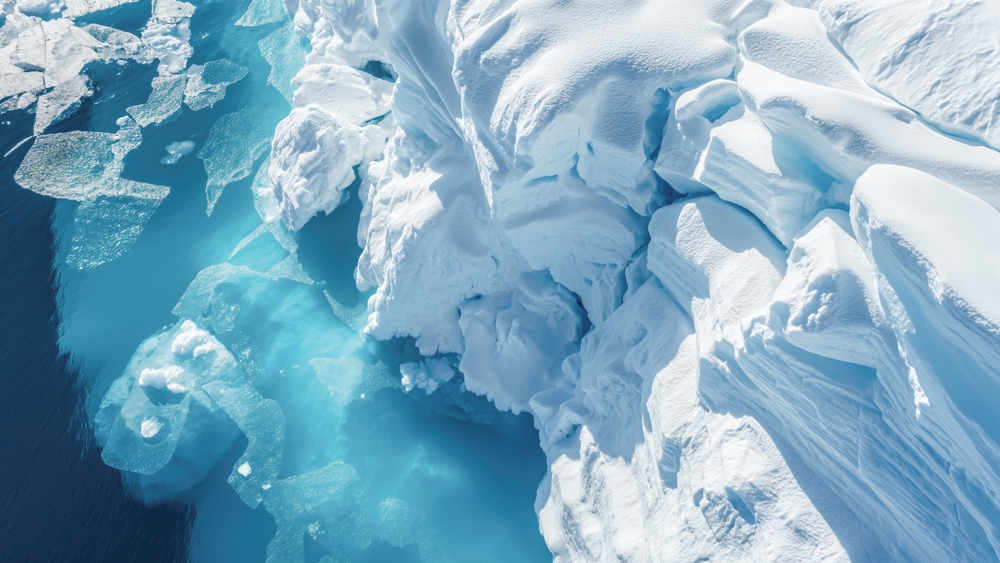
That fresh water messes with the ocean’s salt balance, making the surface lighter and less able to sink. It’s like throwing ice cubes into a hot drink; the mix changes. The more this happens, the weaker the Gulf Stream current becomes.
Even if global emissions dropped tomorrow, Greenland would keep melting for decades. That means the process weakening the AMOC is already locked in for a while.
The Stakes Couldn’t Be Higher
The IPCC, which sets global climate standards, still calls a Gulf Stream collapse this century “very unlikely.” But newer models question that. Some scientists say the IPCC underestimates how quickly tipping points can appear once feedback loops kick in.
If the AMOC collapses, it wouldn’t recover for centuries. The ocean would settle into a new pattern that might not support the same weather systems or food supplies. We would have to adapt to a different planet, one with new coastlines, new seasons, and unpredictable weather extremes.
Read More: NASA Map Shows Alarming Future of US Cities as 40 Million People Face Rising Oceans
What Can We Actually Do
It’s not hopeless yet. Every bit of emissions reduction helps. Cutting carbon, switching to renewable energy, and reducing methane all buy time for the Atlantic current system to stabilize.
Scientists also want better monitoring. Expanding ocean sensor networks could give earlier warnings before the system crosses a dangerous line. If countries understand the risk sooner, they can prepare for impacts like shifting rainfall or sea-level rise.
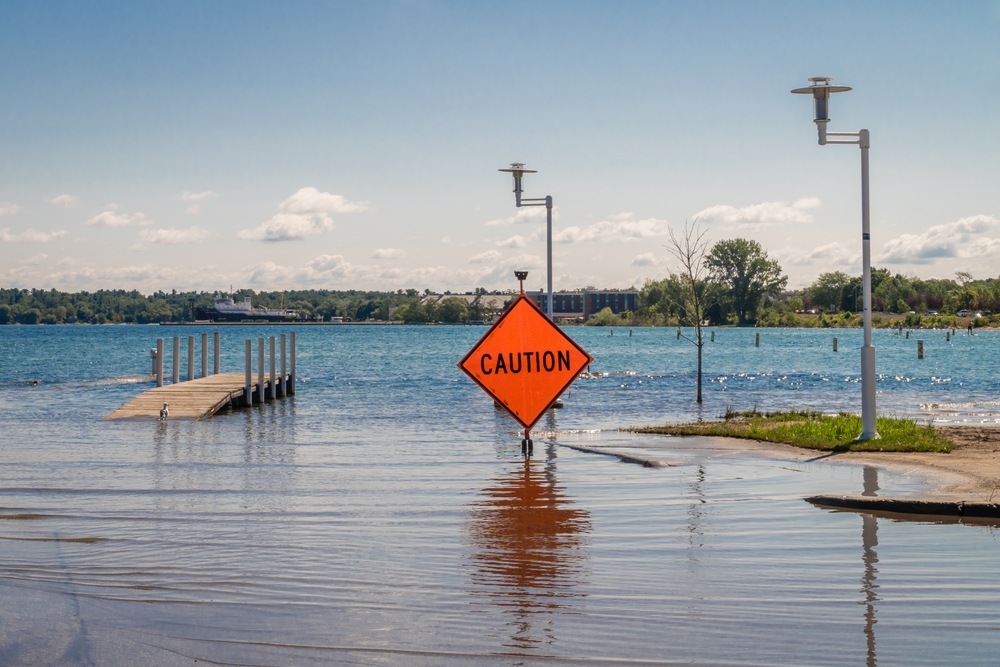
Adaptation will also be key. Cities on the coast may need stronger sea walls. Farmers will have to adjust to changing rain patterns. The earlier that planning begins, the better humanity’s chances.
The Human Side of a Global Problem
Beneath all the graphs and probabilities is something deeply human. Billions rely on the stability of the ocean circulation system for their food, homes, and security. A collapse wouldn’t happen overnight, but its effects would unfold over generations.
One scientist put it simply, “If the Gulf Stream fails, it’s not just Europe that gets colder, it’s everyone who feels the ripple.”
We’re living in a time when decisions made in the next few years could decide the world’s climate for centuries.
Final Thoughts
The idea that the Gulf Stream might collapse used to sound like a doomsday theory, but now, it’s a real possibility supported by growing evidence.
There’s no single study that seals the case, but the pattern is clear that the ocean is warning us. If this current stops, Europe will freeze, sea levels will rise, and weather systems everywhere will unravel.
We can still change course, but only if action comes fast. The Atlantic circulation has held the planet’s balance for millennia. Losing it would be devastating to Earth’s climate and humanity’s future.
Read More: Scientists Propose Releasing 12 Million Tons of Particles Into Atmosphere to Combat Climate Change