
Ever since Donald Trump announced new import tariffs in April, inflation has risen. This has affected the prices of everything from bananas to coffee and toys. While the tariffs were initially announced in April, their effects have emerged unevenly across goods since they move through various supply chains at differing rates. Yet the tariffs have still significantly impacted the prices so far, such as bananas, for example, which have risen 4.9% from April through August. According to the Beige Book survey taken in August, all regions are experiencing price increases related to the implementation of the tariffs. Many businesses say they, unfortunately, have had to start passing the cost on to the consumers. Let’s take a closer look at some of the goods that are facing price hikes and the impact of the Trump tariffs.
Bananas
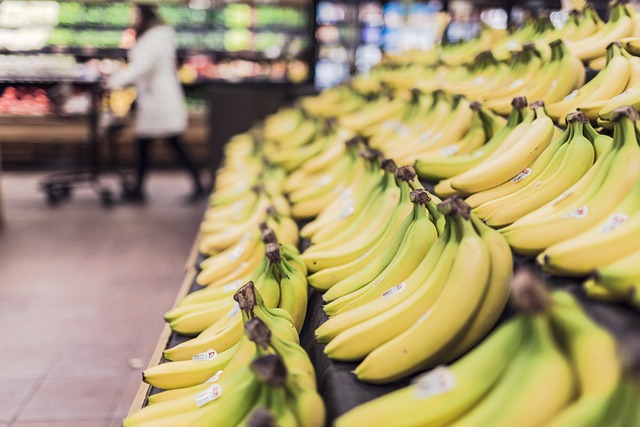
Bananas are typically considered a stable category in the Consumer Price Index. However, between April and August, the price of bananas increased by a shocking 4.9%. This is because almost all of the United States’ banana supply comes from South and Central America. This has affected many of the banana wholesalers, such as Organics Unlimited. The company’s general manager, Daniella Velazquez de León, stated, “We were planning on purchasing some new equipment this year. That hasn’t happened. There are just so many things on pause and so much time and effort and mental activity that have gone into preparations.”
Watches and Jewelry

The prices of watches and jewelry have historically increased by 0.8% per month. In August, however, prices soared by 5.5%. When it comes to luxury jewelry, the United States is heavily reliant on imports. A 10% tariff has been broadly applied to this particular category since April. That was not the end of the price hike, though, as the United States then further raised tariffs on all Swiss imports on the 7th of August to 39%. This is no small matter, considering that the Swiss supply more than 90% of all imported precious-metal wristwatches bought in the United States. Tariffs were also extended to India, which is a major cut and synthetic diamond seller. And Japan, which supplies the United States with high-quality mechanical watches.
Coffee

The price of coffee rose by 9.8% from April to August. The supply was already limited due to poor harvests earlier in 2025; however, it increased even more after the new tariffs were put in place. Less than 1% of the coffee consumed in the United States is grown locally. This makes it particularly vulnerable to import duties. While global tariffs started at 10%, they subsequently rose dramatically for key suppliers such as Indonesia and Vietnam. Brazil is no small player in the game either, and supplies more than one-third of the arabica beans consumed in the United States. On the 6th of August, the country was hit with import duties of 50%. According to experts within the industry, we can therefore expect the price of coffee to keep rising in the upcoming months.
Televisions
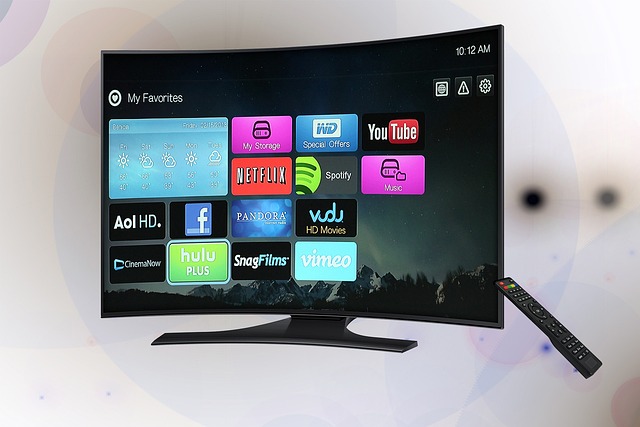
Since April, the price of televisions has increased by 2.5%. While that may not seem like much, one has to take into account that the prices of televisions have been on the decline since the late 1990s. Manufacturing techniques have become more efficient over time, and smart TVs are typically cheaper because they generate revenue from data collection and advertising. Almost all of the television sets bought by consumers in the United States are brought in from other countries, such as China, Mexico, and Vietnam. Import tariffs from these countries can range anywhere between 20% to 30%.
Read More: Global Tariffs and Their Threat to U.S. Prices: A Complete Guide
Toys

Around 70% of the toys found in the United States were manufactured in China. A large percentage of the rest were also imported from other countries. When it comes to toys, the tariff classifications are not always very clear. However, many toys imported from China will likely be subject to tariffs of approximately 30%. Toy shipments from Vietnam may be taxed even more than that. As with televisions, this increase is particularly impactful since they have been on a downward trajectory for many years now, too.
The Bottom Line
The last few months have revealed the connection between tariffs and consumer prices. While Trump had assured that it was the other countries that would be footing the bill for these tariffs, so far, we are already seeing how it is the consumer being affected. These price increases due to tariffs continue to rise at a rate that far exceeds the increase in worker wages. This has put significant strain on lower-income families. More concerning, this is only the beginning of these price hikes, and the worst may be yet to come. Many families have had to cut back on any spending not considered necessary, and the situation will only worsen as the costs are passed on to the consumers in the United States.
Read More: Trump’s Tariffs Ruled Illegal — Here’s What Could Happen Now