
Every start of the school year, particularly as the weather turns cool, cases of pediatric flu, aka flu in children, rise. This year, however, the influenza surge sweeping through communities is not just any bad flu season. It is the most severe pediatric crisis many have witnessed since the 2009-2010 H1N1 pandemic. Reports from the UK, Canada, and the United States paint a chillingly similar picture: hospitals are overwhelmed, emergency departments are overflowing, and the sheer volume of critically ill children is stretching healthcare systems thin.
Flu Outbreak: Sounding the Alarm
This is not a theoretical alarm; it is a reality quantified in tragic numbers. In the United States, pediatric deaths associated with influenza soared to levels not seen in 15 years, surpassing tallies from recent severe seasons. Simultaneously, cumulative hospitalization rates for children have climbed to the highest levels since the 2010-2011 season, a stark indicator of the virus’s severity and reach. Across the border in Canada, children’s hospitals have been forced into crisis mode, bracing for a peak that promises to be devastating.
What’s Causing This Pediatric Flu Outbreak?
A combination of factors drives the current situation: the early arrival of flu season, the prevalence of particularly severe strains such as Influenza A (H3N2), and, most concerning, a decline in childhood vaccination rates. While immediate pressure on healthcare workers is immense, the underlying danger for parents is the potential for a swift and severe deterioration in a child’s health.
To cut through the noise, we will provide essential context on this severe outbreak, explain the science behind the virus, and, most importantly, give parents clear, actionable guidance on prevention and treatment. Understanding the scope of this crisis and knowing exactly what steps to take is the best way to protect your family and help ease the burden on our strained healthcare workers. The time for proactive preparation is now.
Crisis on the Continent: A North American Surge

The scale of the flu surge in North America has elevated it from a predictable seasonal illness to a major public health emergency. Record-high hospitalization rates and mortality figures characterize it.
The United States: Highest Death Toll in 15 Years
The official data released by the U.S. Centers for Disease Control and Prevention (CDC) confirms the frightening severity of the recent season. The number of pediatric deaths attributed to influenza climbed to over 200, making it the highest death toll among children since the 2009-2010 H1N1 global crisis. This sobering statistic reflects the virus’s aggressive nature and widespread circulation. Furthermore, the overall hospitalization rate for children, particularly those under the age of five, reached a high not observed since the 2010-2011 season.
These high rates were driven by a volatile mix of co-circulating Influenza A strains, primarily the aggressive H3N2 strain. This strain is notorious for causing more severe illness, especially in older adults and young children. Unlike seasons dominated by the milder H1N1 strain, H3N2 tends to lead to more complications like pneumonia and acute respiratory distress.
A documented drop in pediatric flu vaccination coverage compounded this crisis. As the virus surged, public health officials noted that U.S. vaccination rates among children had fallen significantly. This leaves a substantial portion of the pediatric population (aka children) without the primary defense against severe illness. Experts warned that of the children eligible for the vaccine who tragically died, a vast majority were not fully vaccinated, highlighting the critical failure in preventative measures leading up the the season. The high volume of cases resulted in emergency rooms routinely operating at capacity, with staff facing intense pressure to manage the complex needs of children requiring respiratory support and intensive care.
Canada: Emergency Rooms in Overload

In Canada, the flu season began unusually early, hitting pediatric centers with a ferocity that quickly overwhelmed the existing capacity. Hospitals in major cities such as Ottawa and Montreal reported unprecedented patient volumes. For example, the Children’s Hospital of Eastern Ontario (CHEO) reported an astonishing eight-fold increase in the number of children testing positive for influenza in the early months of the season compared to the year before. Hospitalizations from the flu doubled, forcing medical teams to use overflow areas and cancel non-urgent procedures to free up resources.
The Canadian crisis was specifically linked to the early and rapid spread of Influenza A, predominantly the H3N2 subtype. Pediatric emergency directors reported seeing more than 200 patients per day. This is well beyond the standard capacity of their emergency departments, with new patients registering hourly at rates far exceeding the hospitals’ ability to triage and treat.
This early and intense onset serves as a crucial reminder of how rapidly an influenza virus can spread in highly social settings such as schools and daycares. These are often the initial breeding grounds for wider community transmission, earning them the name school flu cases. Healthcare officials urgently issued pleas for vigilance and vaccination, recognizing that the sheer volume of severely ill children threatened to paralyze pediatric healthcare services nationwide. The combined data from the USA and Canada firmly establish the recent flu season as a defining challenge of the decade, echoing the severity of the pandemic years.
Understanding the Enemy: What Causes the Flu and How It Spreads

To effectively combat the flu, we must first understand the virus responsible for the illness: influenza.
The Influenza Virus: Types and Anatomy
The influenza virus causes the flu, an RNA virus primarily categorized into three types: A, B, and C.
- Influenza A is responsible for large epidemics and pandemics. It is classified into subtypes based on two surface proteins: Hemagglutinin (H) and Neuraminidase (N). The recent severe outbreaks have been dominated by the H3N2 subtype, which is known for causing more severe illness and higher hospitalization rates. This is especially in the very young and the elderly. The same goes for H1N1, which caused the 2009 pandemic.
- Influenza B typically causes smaller, more regional outbreaks but can still cause significant illness, particularly in children.
- Influenza C causes mild respiratory illness and is not usually a significant public health concern.
A key reason influenza remains a persistent threat is its remarkable ability to evolve. This mutation happens through two processes:
- Antigenic Drift: Small, continuous changes in the H and N surface proteins. This is why a new flu shot is required every year. The virus is constantly making tiny shifts that allow it to evade the immune defenses built up from last year’s vaccine or infection.
- Antigenic Shift: A sudden, significant change in the virus, often resulting in a novel combination of H and N proteins. This is rare but is what causes global pandemics, as the population has no existing immunity (e.g., the 2009 H1N1 and 1918 Spanish Flu).
The Mechanics of Transmission

The flu is highly contagious and spreads primarily from person to person through respiratory droplets released when an infected person coughs, sneezes, or even talks. This transmission can occur in two main ways:
When an infected person releases viral particles into the air, someone nearby, usually within about six feet, can inhale them directly through the nose or mouth. These droplets can be large and fall quickly, or they can be microscopic aerosols that linger in the air for longer periods. This is especially true in poorly ventilated indoor spaces. The high density of people in schools, daycares, and offices makes these environments ideal for rapid airborne spread.
Infectious droplets can land on surfaces like doorknobs, desks, toys, and railings. A person can then touch a contaminated surface and subsequently touch their own mouth, nose, or eyes. They are effectively inoculating themselves with the virus. The flu virus can survive on surfaces for hours, making consistent cleaning and hand hygiene essential throughout the season.
Why Children are Flu Super-Spreaders

Children play a uniquely critical role in flu transmission. They often shed the virus (meaning that they release viral particles) at higher concentrations and for longer periods than adults. A typical adult might be contagious for 5 to 7 days, but young children can spread the virus for over 10 days, including a day or so before symptoms even appear.
Furthermore, children are less likely to practice rigorous hand hygiene and respiratory etiquette, frequently touching their faces and interacting closely with peers. In the close quarters of a classroom or daycare, this combination of high viral load, prolonged shedding, and behavioral factors makes the pediatric population the primary driver of flu activity in the community. They quickly move the virus from the schoolyard to the household and then into the broader community.
Flu Prevention: Your Best Line of Defense

Image credit: Shutterstock
Preventing influenza is a multifaceted strategy that relies on utilizing medical interventions, practicing meticulous hygiene, and adopting behavioral changes to break the chains of transmission.
1. The Power of the Influenza Vaccine

The single most effective tool in preventing severe flu and reducing the risk of death is the annual flu vaccine. It offers what is often referred to as ‘a critical shield’. While the flu shot may not provide perfect protection against every strain, especially in seasons when that strain, such as H3N2, may mutate slightly (a phenomenon known as “mismatch”), its value lies in preventing the most serious outcomes. This, of course, is hospitalization and death. Even when vaccine effectiveness is moderate, it still drastically reduces the risk of severe illness, mitigating the burden on hospitals and saving lives. For children, the protection offered against pediatric intensive care unit (PICU) admission is frequently high.
Addressing Vaccine Hesitancy
The recent drop in pediatric vaccination rates is a major contributor to the severity of the crisis. Some parents have reported vaccine fatigue or concerns about the shot’s efficacy. It is crucial to understand that the following:
- Safety is proven: The flu vaccine has been used safely for decades, and serious side effects are extremely rare.
- Protection takes time: It takes about two weeks for the body to build up protective antibodies after vaccination. This underscores the importance of getting the shot as soon as it becomes available in the early fall, well before the virus begins circulating widely.
- Protecting others: Vaccinating your child not only protects them but also contributes to herd immunity. This safeguards vulnerable infants, seniors, and immunocompromised individuals in your community who cannot be vaccinated or may not mount a strong immune response.
2. Hygiene and Respiratory Etiquette

Simple, consistent actions can drastically cut down on virus spread. These include:
- Proper handwashing: Teach children the 20-second rule. This is when they wash their hands thoroughly with soap and water for the duration of singing “Happy Birthday” twice. This should be done frequently: after coughing or sneezing, before eating, after using the restroom, and upon returning home from school or public places.
- Use hand sanitizer: When soap and water are unavailable, use an alcohol-based hand sanitizer with at least 60% alcohol.
- Covering coughs and sneezes: This is a fundamental lesson. Teach children to cough or sneeze into a tissue and immediately throw the tissue away. If a tissue is unavailable, the “vampire cough”, coughing into the crook of the elbow, is the next best option. This prevents droplets from landing on the hands, which frequently touch surfaces and faces.
3. Environmental and Behavioral Changes

Finally, there are a few other changes that can be made to help prevent the spread of the illness to other students and other people. These include:
- Stay home when sick: This is the golden rule of respiratory illness prevention. If your child has a fever or any flu-like symptoms, they must stay home from school, daycare, and social activities. This simple act is the most powerful measure to prevent community outbreaks.
- Regular cleaning: Routinely clean and disinfect frequently touched surfaces in the home, classroom, and workplace. This includes toys, remote controls, door handles, light switches, and electronic devices.
- Improve ventilation: When possible, increase the circulation of outdoor air by opening windows or using air purification systems, especially in enclosed spaces where people gather.
When Symptoms Strike: A Parent’s Guide to Action

Despite the best prevention efforts, the flu is widespread. Knowing how to recognize symptoms, manage the illness at home, and identify when emergency care is required is essential for every parent.
Recognizing the Symptoms
Influenza often arrives suddenly and is typically much worse than a common cold. Symptoms often include:
- High fever, often spiking above 100.4°F (38°C).
- Body aches and muscle pain; severe, generalized malaise and pain are characteristic.
- Headache and fatigue; extreme exhaustion that can last for weeks.
- Cough and sore throat
- Children, especially, may also experience nausea, vomiting, or diarrhea.
Home Management and Comfort Care

Most children with the flu can be managed safely at home with supportive care. The focus is on comfort and preventing complications, such as dehydration.
- Rest is non-negotiable: Ensure your child gets plenty of rest. The body needs energy to fight the virus, and forcing activity can prolong illness or increase the risk of complications.
- Fever and pain control: Use over-the-counter medications like acetaminophen (Tylenol) or ibuprofen (Advil, Motrin) to manage fever and body aches. Crucially, never give aspirin to children or teenagers who have flu-like symptoms. It can cause Reye’s syndrome, a rare but serious illness affecting the brain and liver.
- Hydration, hydration, hydration: Maintaining fluid intake is vital, especially if the child has a fever or is vomiting. Offer small, frequent amounts of fluids like water, electrolyte solutions (e.g, Pedialyte), clear broths, or ice pops. Watch closely for signs of dehydration (infrequent urination, crying without tears, dry mouth).
Read More: Experts Caution About ‘Hidden’ HMPV Symptoms Often Mistaken for the Flu
The Role of Antiviral Medications
Antiviral drugs, such as oseltamivir (Tamiflu), are prescription medications used to treat influenza. They are most effective when started within the first 48 hours of symptom onset. Antivirals can make the illness milder and shorten the duration of symptoms by about a day or two. More importantly, they can prevent serious flu complications.
Antiviral medications are highly recommended for children who are hospitalized, those with severe progressive illness, and children with underlying medical conditions that put them at high risk for serious complications. These include asthma, diabetes, or neurological disorders. If you suspect your child has the flu and falls into a high-risk category, contact your pediatrician immediately to discuss antiviral treatment.
Red Flags: When to Seek Emergency Care
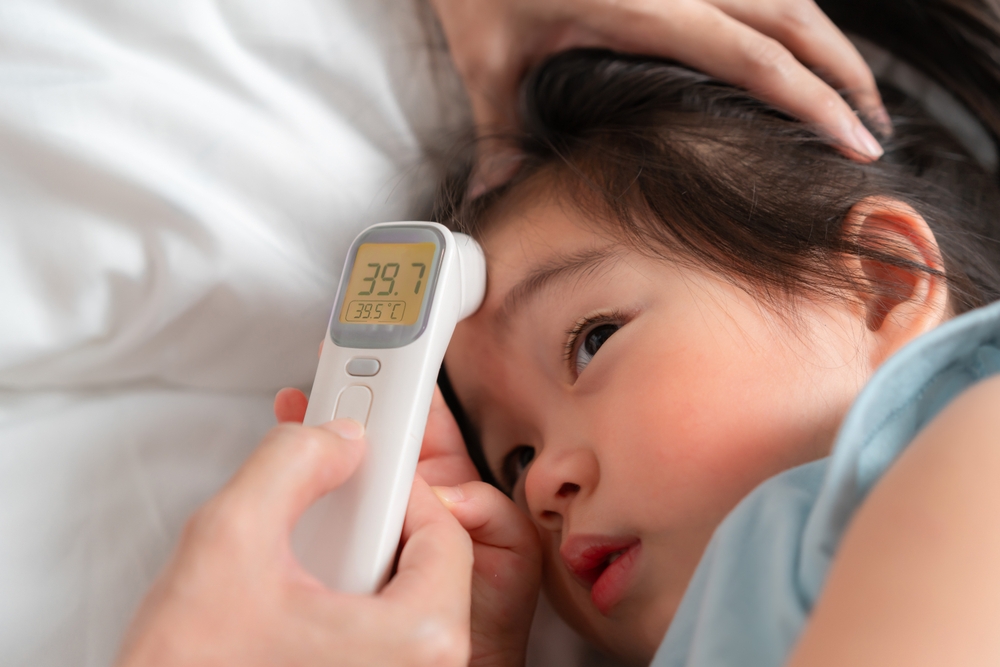
While most flu cases resolve without issue, parents must be aware of warning signs that indicate a child needs urgent medical attention. Do not hesitate to go to the emergency room or call emergency services if your child exhibits any of the following:
Emergency Warning Signs in Children (All Ages):
- Difficulty breathing or fast breathing: If your child is struggling to breathe, grunting, or if their chest looks like it is sucking in with each breath (retractions).
- Blue lips or face (cyanosis): Indicates a lack of oxygen.
- Severe dehydration: Infrequent urination (none for 8 hours), dry mouth, sunken eyes, or lack of tears when crying.
- Sudden dizziness or confusion: Not interacting normally, sudden inability to walk, or unresponsiveness.
- Seizures
- Fever with a rash
- Worsening symptoms: Flu-like symptoms that initially improve but then return with a fever and worse cough. This is a sign of a secondary bacterial infection, such as bacterial pneumonia.
Additional Signs for Infants (Under 5):
- Inability to eat or drink.
- Listlessness or extreme irritability (not waking up or interacting).
- Fever above 100.4°F in an infant under 3 months old (this is always an emergency).
The emergency room is strained, but if your child displays these severe symptoms, they need immediate medical intervention. Trust your instincts as a parent; if you feel something is severely wrong, seek help.
Lessons Learned and a Path Forward

The severe flu surge in children, marked by hospitalization rates and pediatric deaths not seen since the beginning of the last decade, stands as a stark reminder of the influenza virus’s enduring threat. From the overwhelmed children’s hospitals in Toronto and Ottawa to the record-setting pediatric death toll in the United States, the crisis has exposed vulnerabilities in our collective immunity and preparedness.
The key takeaways from this difficult season are crystal clear: this is a severe respiratory virus that disproportionately affects children, driven by aggressive strains like H3N2, and low pediatric vaccination rates magnify its impact. Moving forward, the power to mitigate these outbreaks lies in the hands of the public. This crisis must serve as a resounding call to action, urging every parent to prioritize proactive defense.
- Vaccinate Annually: The flu shot remains the most crucial defense, preventing severe disease and death, even if circulating strains are imperfectly matched.
- Embrace Vigilant Hygiene: Consistently practicing handwashing and respiratory etiquette is a simple, effective tool to break transmission chains.
- Stay Home When Sick: Protecting the community starts with the individual commitment to isolate when symptoms appear.
- Know the Red Flags: Be prepared to act decisively and seek emergency care immediately if severe symptoms arise.
This challenging period has placed immense pressure on healthcare providers, but through informed action and renewed commitment to public health measures, we can better protect our children and safeguard our healthcare systems against future outbreaks of this dangerous, yet preventable, illness. By staying informed and acting responsibly, we can collectively push back against the tide of severe influenza and ensure the health and safety of our children and future generations.
Disclaimer: This information is not intended to be a substitute for professional medical advice, diagnosis or treatment and is for information only. Always seek the advice of your physician or another qualified health provider with any questions about your medical condition and/or current medication. Do not disregard professional medical advice or delay seeking advice or treatment because of something you have read here.
AI Disclaimer: This article was created with AI assistance and edited by a human for accuracy and clarity.
Read More: Flu-Like Symptoms Lead to Life-Changing Amputations for Teen