
According to the U.S. Department of Health and Human Services, the first case of a flesh-eating parasite infection has been confirmed in the country. The patient is a resident of Maryland and was infected by the New World screwworm while travelling in El Salvador recently. While this parasitic fly usually targets cattle and other animals, it does occasionally infest humans, too. The infection is typically very painful but can be treated. In a statement released by authorities, they noted that “Currently, the risk to public health in the United States from this introduction is very low.”
What Is the Flesh-Eating Parasite?
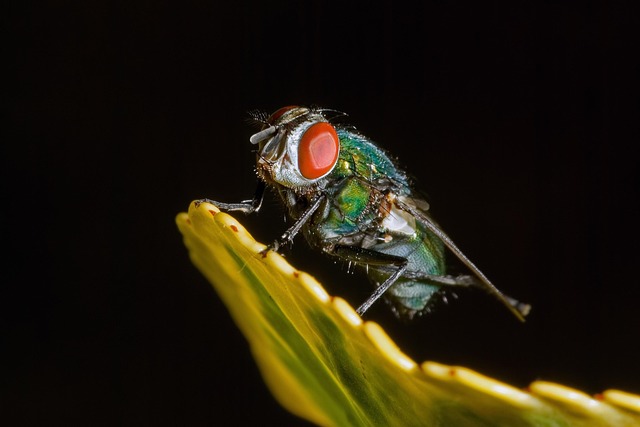
The New World screwworm is a species of blowfly that lays larvae that eat living tissue, leading to traumatic myiasis. The flies typically lay their eggs in the sides of the open wounds of animals or near any natural openings on the body. The eggs hatch within hours of being laid, and the emerging larvae immediately begin to burrow into the healthy tissue. This makes the wound even worse, potentially drawing more flies. According to the APHIS, “when the maggots burrow in the flesh of a living animal, they cause serious, often deadly damage to the animal”. This flesh-eating parasite is endemic to the Caribbean and parts of South America and does not typically occur in the United States, according to the CDC. While they mainly target livestock animals, they will occasionally infest humans in affected areas, especially if they have any open wounds.
The New Case in Maryland

Working in collaboration with the Maryland Department of Health, the CDC confirmed the case through telediagnosis on the 4th of August, 2025. While the CDC led the human-health response, the USDA set traps in a 20-mile radius that spanned sections of Maryland, DC, and Virginia. According to the HHS, “To date, all trap results have been negative for NWS.” So far, there has been no sign of a spread of the infection associated with this case in either humans or livestock. Furthermore, according to experts, there have been sporadic human cases associated with travel in the past that did not lead to transmission locally.
In the 1960s, the New World screwworm was eradicated in the United States using the sterile insect technique. This technique involved releasing sterilized males into the environment so that the females would lay eggs that don’t hatch. This proved to be successful for decades, but there have still been rare cases of reintroduction over the years. In fact, there was an outbreak in the Keys deer of Florida from 2016 to 2017. However, they were able to stamp it out using the sterile fly technique and constant monitoring.
The screwworm is currently advancing north, making its way through Mexico and parts of Central America. In response, the USDA has begun scaling up its defense strategies against the flesh-eating parasite. Part of their plan includes the construction of a facility at Moore Base in Texas for the production of sterile flies. The facility will be able to produce up to 300 million of these sterile flies every week, reinforcing existing facilities in Mexico and Panama. These precautions are necessary to prevent any future outbreaks. It has been estimated that if one occurred in Texas alone, the loss of livestock would cost billions of dollars.
How to Prevent, Diagnose, and Treat the Flesh-Eating Parasite

The CDC has some pretty straightforward advice for those travelling to areas known to be populated with screwworm flies. They recommend that you keep any open wounds well covered and wear long pants and sleeves. You should also try to sleep under a bed net and consider wearing clothing or gear that has been treated with permethrin. Additionally, there are several signs of infection to look out for. These signs include painful wounds that don’t heal, a bad odour, and seeing or feeling the larvae in the wound or natural body openings, like the nose or mouth. If you do have any of these symptoms, you should seek medical attention straight away.
According to the CDC, “The only way to treat NWS is to physically remove the larvae from the infested tissue.” You should not only look out for yourself, but also check your livestock and pets as well. Any animal that has a wound that won’t heal or seems to be getting worse should be checked out by a vet immediately. While the parasite infection is not fatal in humans, untreated animals can potentially die due to severe tissue damage. While there has only been one reported case, the authorities are currently taking all the necessary steps to ensure that an outbreak does not occur locally. However, if you are travelling to areas known to have this flesh-eating parasite, make sure to take all the necessary precautions to avoid being infected.
Read More: Insects Called Scorpionflies Exists, and They are Terrifying