
For millions of Americans, managing high blood pressure, their daily medication is a lifeline; a crucial component in protecting their long-term heart health. It is precisely because of this profound trust in the safety and efficacy of pharmaceuticals that the recent FDA blood pressure medication recall is deeply unsettling. The U.S. Food and Drug Administration (FDA) has recently announced a nationwide recall affecting more than 11,000 bottles of a commonly prescribed blood pressure medication. While such headlines may spark immediate concern, it is vital for patients and consumers to understand the specifics of this situation. This is not a panic-level emergency, but a critical quality control measure that underscores the rigorous monitoring of the nation’s drug supply chain.
Which Blood Pressure Medication is in Recall?
Image credit: Shutterstock
The recall involves specific lots of Bisoprolol Fumarate and Hydrochlorothiazide Tablets, a generic combination drug used to treat hypertension. The manufacturer, Glenmark Pharmaceuticals Inc., initiated the action after routine testing identified a contamination issue. The foreign substance detected was a small, trace amount of another drug, a cholesterol-lowering medication, that should not have been present.
With that said, we’re here to provide clarity on the recall and comprehensive, step-by-step guidance. Let’s look at exactly which medications are affected, how to check your own prescription, the nature of the contamination, and, most importantly, outline the immediate steps you must take to ensure that you don’t have the affected medication in your cabinet.
The Mechanics of the Recall: Contamination and Classification
Image credit: Shutterstock
The recent recall, affecting 11,136 bottles, was announced by the FDA following a voluntary action by Glenmark Pharmaceuticals. This proactive approach by the manufacturer demonstrates the established protocols within the pharmaceutical industry designed to safeguard public health, even when the risk is low. The core of the issue is manufacturing cross-contamination. In a facility that produces multiple types of medication, strict separation is required. In this case, reserve samples of the blood pressure drug were found to contain trace amounts of ezetimibe, a prescription drug used to reduce cholesterol. While ezetimibe is a safe and common medication in its own right, its unintended presence in a drug where it is not an active ingredient constitutes a deviation from Current Good Manufacturing Practice (cGMP) standards. This purity violation necessitates a recall.
Understanding the FDA’s Risk Levels
To properly gauge the urgency of this situation, consumers must understand the FDA’s classification system for recalls. The agency uses a three-tier system:
- Class I Recall: The most serious category. It involves a situation where there is a reasonable probability that use of or exposure to a violative product will cause serious healthy consequences or death. An example would be a drug containing a lethal dose of a contaminant.
- Class II Recall: This is a mid-tier risk. It involves a situation where use of or exposure to a violative product may cause temporary or medically reversible adverse health consequences, or where the probability of serious adverse health consequences is remote. For example, a drug containing slightly more than the labeled dose.
- Class III Recall: This is the lowest-risk category and the one assigned to the Glenmark recall. A Class III recall involves a situation where use of or exposure to a violative product is not likely to cause adverse health consequences.
The FDA’s designation of this event as a Class III recall is the most important detail for affected patients. It means that while the quality standards were not met, the trace amount of cholesterol medication found is not expected to pose a serious or immediate danger to those taking blood pressure tablets. This classification is the key factor informing the guidance for patients, primarily indicating that stopping the medication abruptly could be far more dangerous than continuing it temporarily. The recall covers three sizes of bottles: 30-count, 100-count, and 500-count, and spans two specific manufacturing lots, which were distributed nationwide.
Which Medications Are Affected? Identifying Recalled Products

Image credit: Shutterstock
The medication in question is a generic version of the brand name drug Ziac. It is a combination therapy particularly effective in managing hypertension. The active ingredients are:
- Bisoprolol Fumarate: A beta-blocker that works by blocking the effects of epinephrine (adrenaline), slowing the heart rate and relaxing the blood vessels.
- Hydrochlorothiazide (HCTZ): A diuretic (water pill) that prevents the body from absorbing too much salt, allowing it to be flushed out in urine. This helps to lower blood pressure.
If you are prescribed Bisoprolol Fumarate and Hydrochlorothiazide, it is essential to check if your specific bottle is part of the recalled lots. Not all bottles of this medication are affected. Only specific lots produced by Glenmark Pharmaceuticals Inc. are included in this action.
The Critical Information: Lot Numbers and Expiration Dates
To determine if your medication is recalled, you must locate the Lot Number (LOT) and the Expiration Date (EXP), which are typically printed on the label of the prescription bottle. You can usually find them near the barcode or the National Drug Code (NDC).
The recalled products are:
| Dosage Strength | Bottle Size (Count) | NDC (National Drug Code) | Lot Number (LOT) | Expiration Date (EXP) |
| Bisoprolol Fumarate and Hydrochlorothiazide Tablets, 2.5mg/6.25mg | 30-count | 68462-878-30 | 17232401 | November 2025 |
| Bisoprolol Fumarate and Hydrochlorothiazide Tablets, 2.5mg/6.25mg | 100-count | 68462-878-01 | 17232401 | November 2025 |
| Bisoprolol Fumarate and Hydrochlorothiazide Tablets, 2.5mg/6.25mg | 500-count | 68462-878-05 | 17232401 | November 2025 |
| Bisoprolol Fumarate and Hydrochlorothiazide Tablets, 2.5mg/6.25mg | 30-count | 68462-878-30 | 17240974 | May 2026 |
| Bisoprolol Fumarate and Hydrochlorothiazide Tablets, 2.5mg/6.25mg | 100-count | 68462-878-01 | 17240974 | May 2026 |
| Bisoprolol Fumarate and Hydrochlorothiazide Tablets, 2.5mg/6.25mg | 500-count | 68462-878-05 | 17240974 | May 2026 |
How to Check Your Bottle
Checking your bottle is easy and quick:
- Locate your prescription: Find the label on your bottle of Bisoprolol Fumarate and Hydrochlorothiazide tablets (2.5mg/6.25mg).
- Verify the manufacturer: The drug must be manufactured and distributed by Glenmark Pharmaceuticals Inc. This is often listed in fine print on the label. If the manufacturer is different, your drug is not affected.
- Match the codes: Check the Lot Number and Expiration Date on your bottle against the specific codes listed above. If the Lot Number on your bottle is either 17232401 or 17240974, your medication is subject to the recall.
If you cannot locate or read these codes, or if you are unsure, do not guess. Immediately contact the pharmacy that dispensed the medication. Pharmacists have access to their inventory records and can quickly check your specific prescription against the recalled lots.
Understanding the Contamination and Potential Risk
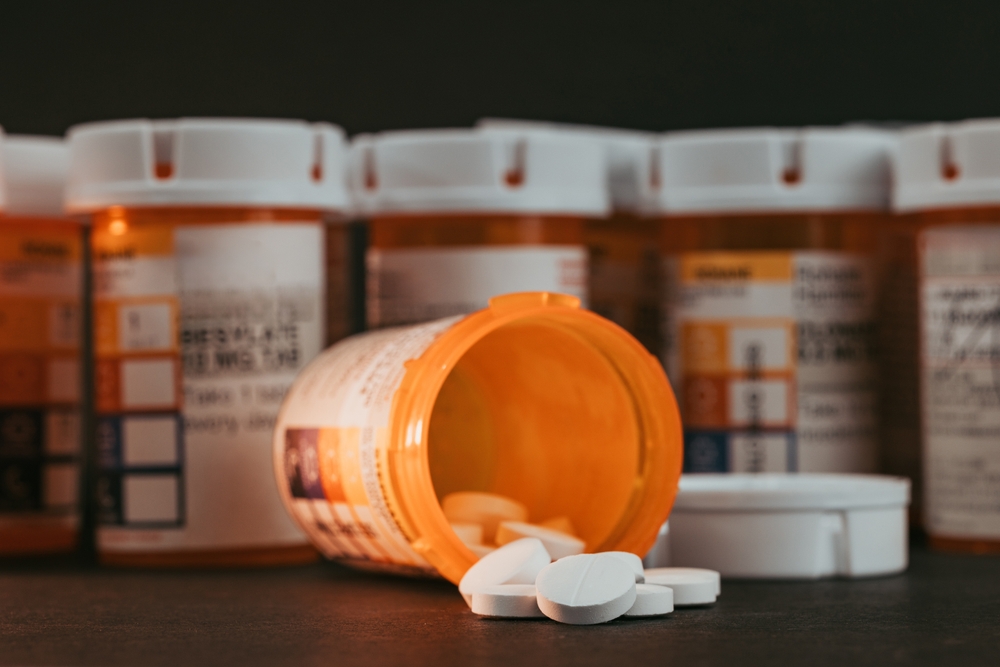
The public may be used to recalls involving serious, life-threatening contaminants like certain nitrosamines, which have been implicated in previous blood pressure drug recalls, or foreign objects. This particular recall, however, is unique: it involves one safe, approved drug contaminating another safe, approved drug.
The Contaminant: Ezetimibe
The contaminant, ezetimibe, is a medication primarily used to treat high cholesterol. It works by decreasing the amount of cholesterol absorbed by the body. Many patients who take blood pressure medication also take a cholesterol-lowering drug (like a statin or ezetimibe), as hypertension and high cholesterol often co-exist and share similar cardiovascular risks.
Why is this a Problem?
Even though ezetimibe is safe, its presence in the Bisoprolol/HCTZ tablets is a problem for two key reasons:
- Quality Control and Purity: The FDA mandates that medications be manufactured according to strict quality and purity standards. The detection of any active ingredient not listed on the label means the drug does not meet these standards. It suggests a break in the manufacturing process – a co-mingling of ingredients, likely on shared equipment. This raises questions about overall quality control at the facility.
- Unintended Dosage and Contraindications: While ezetimibe is generally well-tolerated, it is a potent drug that can affect liver function in some individuals. When a patient is prescribed Bisoprolol/HCTZ, the assumption is that they are receiving only those two specific compounds. The unintended addition of ezetimibe means that the patient is receiving a de facto triple therapy, potentially exposing them to an active ingredient their doctor did not intend to prescribe, and for a condition (high cholesterol) they may not even have. For someone with underlying liver conditions or who is already taking a maximum dose of another medication, this unexpected trace amount, though small, represents an unauthorized drug exposure.
However, the FDA’s Class III designation should provide significant reassurance. The risk assessment determined that the amount of ezetimibe detected was trace, and its use is not likely to cause adverse health consequences. In most cases, patients who accidentally ingest a trace amount of ezetimibe alongside their blood pressure medication are unlikely to experience any symptoms or side effects. The primary concern is not physical harm, but the breach of pharmaceutical purity standards.
Critical Patient Guidance and The Path Forward

If you have confirmed that your bottle of Bisoprolol Fumarate and HCTZ tablets is part of the recalled lot, your reaction should be guided by one directive: consult your healthcare team immediately, but do not stop taking your medication on your own.
DO NOT STOP TAKING YOUR BLOOD PRESSURE MEDICATION
Hypertension is known as the “silent killer” because it often presents with no symptoms while doing significant damage to the cardiovascular system. Stopping a blood pressure medication, especially a beta-blocker like Bisoprolol, can be acutely dangerous. Abrupt cessation can lead to a condition known as rebound hypertension, where blood pressure spikes rapidly and severely. This dramatically increases the risk of a heart attack, stroke, or severe chest pain (angina).
The temporary risk of consuming the low-level contaminant in this Class III recall is negligible compared to the immediate, high-risk danger of suddenly stopping your prescribed hypertension treatment.
Your Action Plan: Three Essential Steps
If you have one of the recalled bottles, follow these steps to ensure your safety and that of others:
- Contact your pharmacist first: Your pharmacist is your most immediate and best resource for recall management. They can verify your lot number, confirm the recall status, and most importantly, coordinate a replacement. They will often be able to swap the affected bottle for an uncontaminated bottle from a different, approved lot or a different manufacturer.
- Contact your prescribing doctor: While you are arranging the swap with your pharmacy, notify your doctor’s office. Although the risk is low, your physician needs to be aware that you were exposed to the contaminated lot. This is especially important if you have a history of liver problems or if you are currently taking any other cholesterol-lowering medications that could potentially interact.
- Safe disposal and replacement: Once you have secured a replacement supply, follow your pharmacist’s instructions for returning the recalled medication. Pharmacies are equipped to handle recalled drugs safely. The FDA advises against simply flushing medications down the toilet or throwing them in the trash, as this can pose environmental or public health risks. Always follow DEA or local community drug take-back programs, or in the absence of those, the specific guidance provided by the FDA for disposing of recalled pharmaceuticals.
Upholding Confidence in the Supply Chain
The recall of over 11,000 bottles of Bisoprolol Fumarate and Hydrochlorothiazide Tablets by Glenmark Pharmaceuticals serves as a powerful reminder of the complexity and fragility of the modern pharmaceutical supply chain. While the specifics, trace contamination with a cholesterol drug, may seem minor under the low-risk Class III designation, the FDA’s swift and firm action demonstrates its commitment to the highest standards of drug purity and manufacturing practice.
This event is a testament not to a failing system, but to an effective one. The detection of the contaminant, the rapid coordination between the manufacturer and the FDA, and the immediate public notification are all part of a system designed to protect the consumer.
For the patients affected, the primary takeaway must be vigilance combined with caution. Do not panic, but do check your medicine cabinet right away. Your first and most critical step remains communication: speak with your pharmacist to arrange a safe and immediate replacement, and consult your physician to ensure continuity of care. By staying informed and following the clear directives of your healthcare providers, you can quickly navigate this recall and continue your journey toward optimal blood pressure management, confident that the medicines you rely on meet the rigorous standards of safety and purity you deserve.
Read More: Recall Alert: Salmonella Outbreak Linked to Eggs Leaves 63 Ill and 13 Hospitalized