
Most people measure wealth by observing their life and their surroundings. You compare yourself to friends, coworkers, or people you see online, and that feels natural. But once you step back and look at the entire world, the definition of wealth changes quickly. Things that feel average in one place are rare in many others. What often gets missed is that some of the simplest comforts we overlook are actually signs that you’re wealthy on a global level. It shows up in everyday ways that are easy to overlook. Owning certain basic items can easily place someone far above the global average, even if they never feel rich.
A Smartphone
A smartphone feels like a basic necessity these days. For many people, it is how life functions. You use it for work, messages, banking, directions, and news. But globally, owning a smartphone that works well and can be replaced if it breaks is still uncommon. In many parts of the world, phones are shared between family members. Some are outdated models that barely function, and repairs get delayed for months because the cost is too high. Data access is limited or unreliable, and public charging spots are not always available. If your phone breaks and you know you can replace it, even if it hurts a bit financially, that is significant. It suggests disposable income, access to stores, electricity, and digital infrastructure. It also means you are digitally included, which opens doors to jobs, education, and services.
Reliable Internet Access at Home
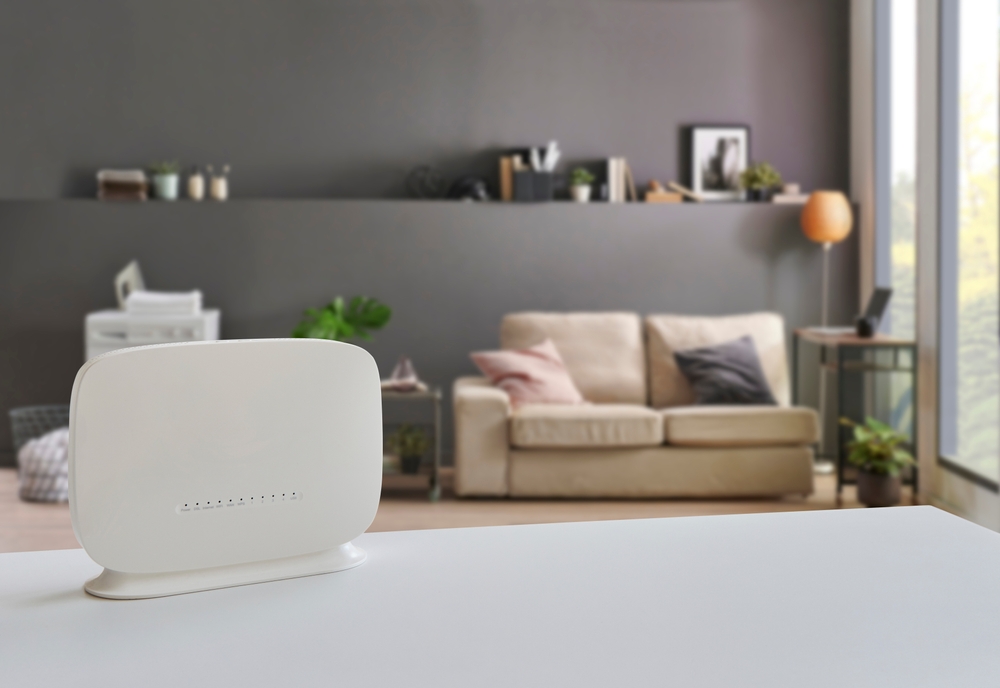
Home internet often feels like a standard utility that you barely think about unless it goes down. But for much of the world, reliable internet is either too expensive or simply unavailable. Many people rely on internet cafes, shared connections, or limited mobile data. Others go without internet access completely. That limits job options, learning opportunities, and even access to basic information for many people. If you can work online, stream shows, attend virtual appointments, or learn new skills from your home, you already hold a strong advantage. This kind of access supports long-term income growth and flexibility.
Leisure Spending Without Guilt Every Time

Being able to spend money on enjoyment, even occasionally, reflects a margin. Many people cannot justify any expense that is not strictly necessary. If you can buy a book, attend an event, stream content, or eat out sometimes without stress, that matters. Leisure supports mental health and social connection. This does not mean constant indulgence, but rather the option of choice. That ability to choose enjoyment without fear separates stability from survival.
A Personal Computer or Laptop

A computer blends into daily life in wealthier countries. Schools expect students to have access. Employers assume it. But worldwide, personal computer ownership is far from normal. In many regions, computers are shared across households or communities. Some people only access one at school or work, if at all. That limits practice, skill building, and confidence. Owning a laptop or desktop at home suggests more than income. It reflects planning and future focus. Computers support education, creative work, applications, and side income. They also last for years, which requires upfront financial stability.
A Working Refrigerator
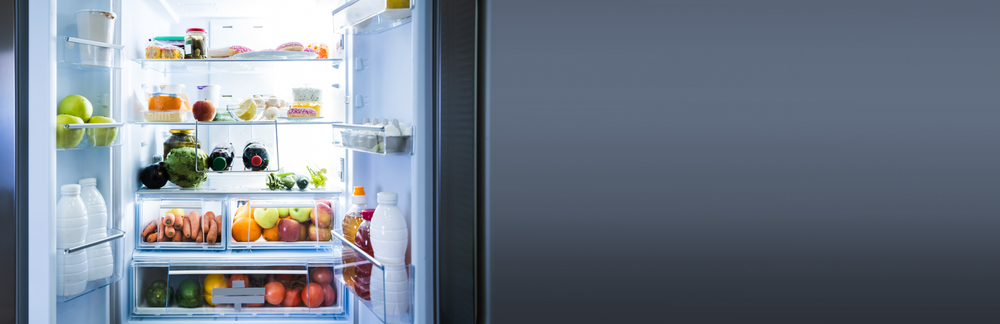
Food security is one of the most emotional markers of wealth. Many people live with constant uncertainty about their next meal. Even when food exists, storage often does not. Refrigerators are not universal. If you own a working fridge and can keep it stocked without daily worry, that reflects stability. It means access to grocery systems, electricity, and enough income to plan meals ahead. This does not mean your diet is perfect or fancy. It means you are not forced to live meal to meal. That difference shapes mental health, energy, and long-term planning more than people realise. It is easy to forget how rare that sense of reliability really is.
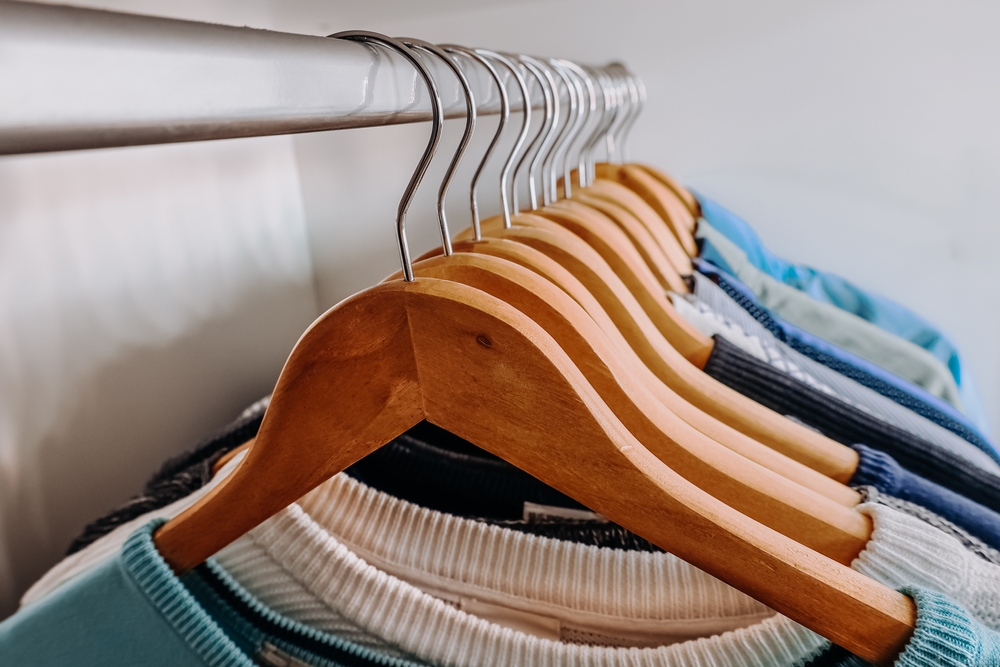
Image credit: Shutterstock.
Owning more clothes than you strictly need for survival is a subtle sign that you’re wealthy. In many parts of the world, people rotate a very small number of outfits. Clothing is worn until it cannot be repaired again. If you have seasonal clothes, work clothes, and casual clothes, that suggests margin. It means you can prepare for weather changes, social settings, and comfort. It also means you can replace items before they completely fall apart. This is not about fashion trends or labels; it is about choice and dignity. Having clean, appropriate clothing affects confidence, safety, and opportunity in ways that are easy to underestimate.
The Ability to Plan Beyond the Next Month
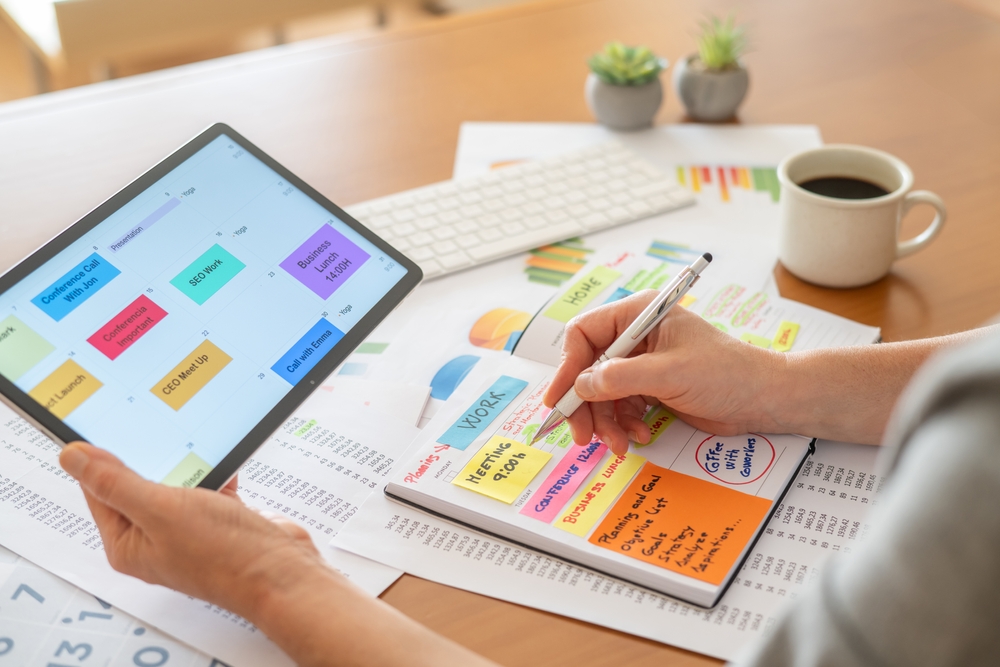
Long-term planning is a form of wealth. Many people cannot think far ahead because survival demands constant attention. Bills, food, and safety come first. If you can plan months or years ahead, whether for education, travel, retirement, or personal goals, that suggests stability. It means tomorrow is not an emergency by default. This ability changes behaviour. People invest more in themselves and their communities when the future feels reachable.
Access to Clean Running Water

Clean water is essential, yet not guaranteed worldwide. In many regions, people walk long distances to collect water. Others rely on unsafe sources that cause illness. Even when water exists, it may not be reliable or affordable. If you can turn on a tap and trust the water, that reflects infrastructure, governance, and investment. It also saves time. Hours not spent collecting water can be used for school, work, or rest. Running water also connects to sanitation, hygiene, and dignity. It reduces disease and supports daily routines that people in wealthier countries rarely think about.
Personal Transportation Options
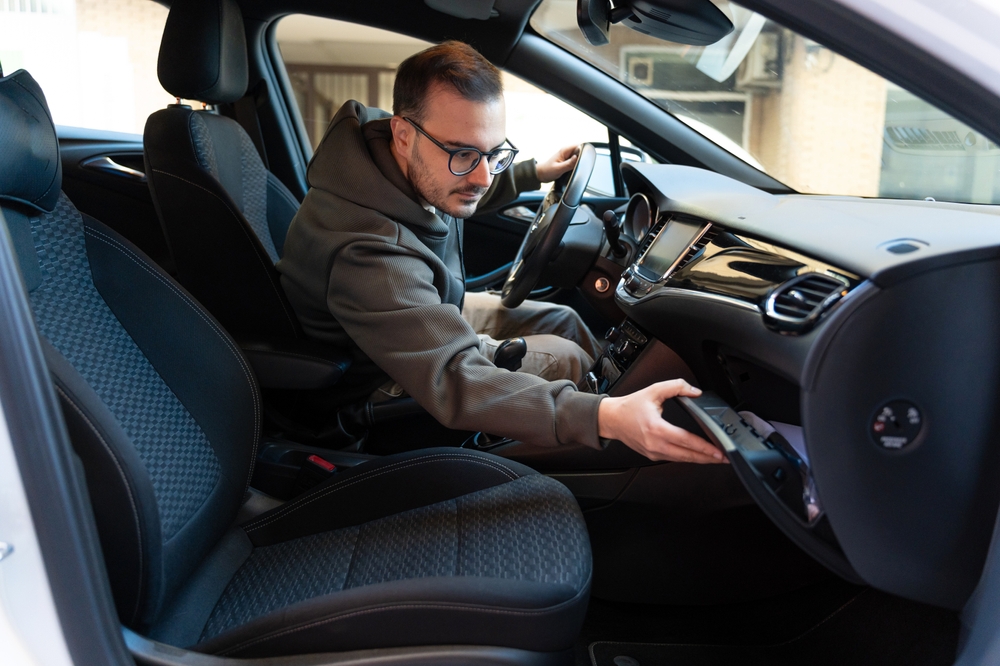
Image credit: Shutterstock.
Owning or regularly accessing personal transportation is another major divider globally. For many people, travel depends on walking long distances or relying on inconsistent public systems. If you own a car, motorcycle, or even a reliable bicycle, you gain freedom. You can reach work, healthcare, and family more easily, and you are less dependent on schedules you cannot control. Transportation also affects income potential. Being able to commute or travel for opportunities expands options. That flexibility often translates into higher earnings over time. And it is not about luxury vehicles, it is about mobility and choice.
The Ability to Afford Medical Care When Needed

Image credit: Shutterstock.
Healthcare access is one of the most uneven resources in the world. Many people delay treatment because they cannot afford it, and others live far from clinics or hospitals. If you can see a doctor when you are sick, fill prescriptions, or receive emergency care without total financial collapse, that is significant. Even imperfect systems still offer a safety net that billions lack. This kind of access reduces fear and allows people to take risks, start businesses, or plan families with more confidence. Health security shapes life decisions in subtle ways.
A Bank Account With Some Cushion
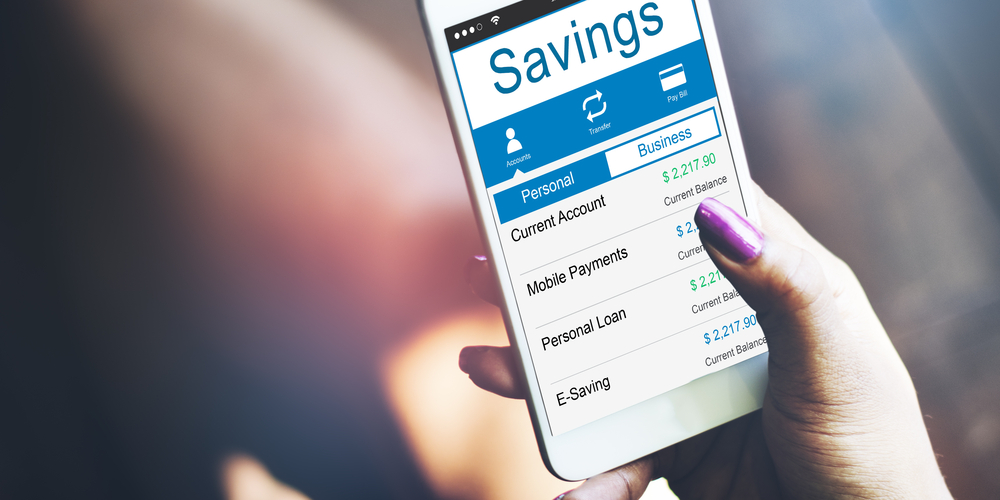
Image credit: Shutterstock.
Having savings, even a small amount, separates stability from constant stress. Many people live with no financial buffer at all. One emergency can erase months of progress. If you can cover an unexpected expense without borrowing or panicking, that is a sign you’re wealthy. It means you are not operating at the edge all the time. This cushion allows planning, reduces fear, and improves decision-making. Over time, it protects health and relationships too.
Time That Is Not Fully Controlled by Survival

Time itself can be a form of wealth. Many people spend nearly every waking hour focused on survival. They work multiple jobs, commute long distances, or manage constant instability. If you have any free time that is not immediately tied to earning money or meeting basic needs, that is significant. It means your life includes space for rest, hobbies, or reflection. This kind of time allows people to learn new skills, maintain relationships, or care for their mental health. Over time, it compounds into better outcomes.
The Ability to Travel for Non-Essential Reasons

Image credit: Shutterstock.
Travel is often framed as luxury, but globally it represents freedom. Many people never leave their region or country, as costs, visas, and responsibilities make it impossible. If you can travel for reasons other than emergency or work, that reflects disposable income and flexibility. It also means you can take time away without losing everything. Travel expands perspective and access for people, and it builds social and economic connections that can last for years. Even short trips can signal stability.
A Safe Place to Sleep Every Night

Image credit: Shutterstock.
Having a stable place to sleep sounds basic, yet it is one of the strongest global indicators of wealth. Millions of people do not know where they will sleep next week, or even tomorrow. Others live in overcrowded or unsafe conditions where rest never feels secure. If you lock a door at night and expect to wake up in the same place, that signals stability. It means you are not constantly reacting to a crisis. You can plan ahead because shelter is not a daily concern. Housing security also affects health, education, and work. When people are not worried about losing their space, they think longer term. That mental breathing room is a privilege many never experience.
Confidence That a Small Mistake Will Not Ruin Everything

Image credit: Shutterstock.
Another sign that you’re wealthy is emotional security around money. Many people live knowing one mistake could cause serious harm. If you believe a missed bill, a broken appliance, or a short illness will not destroy your life, that is a privilege. It reflects buffers, support systems, and safety nets. This confidence shapes how people take risks, speak up, and plan ahead. Over time, it compounds into better outcomes.
Access to Education Beyond Basic Schooling
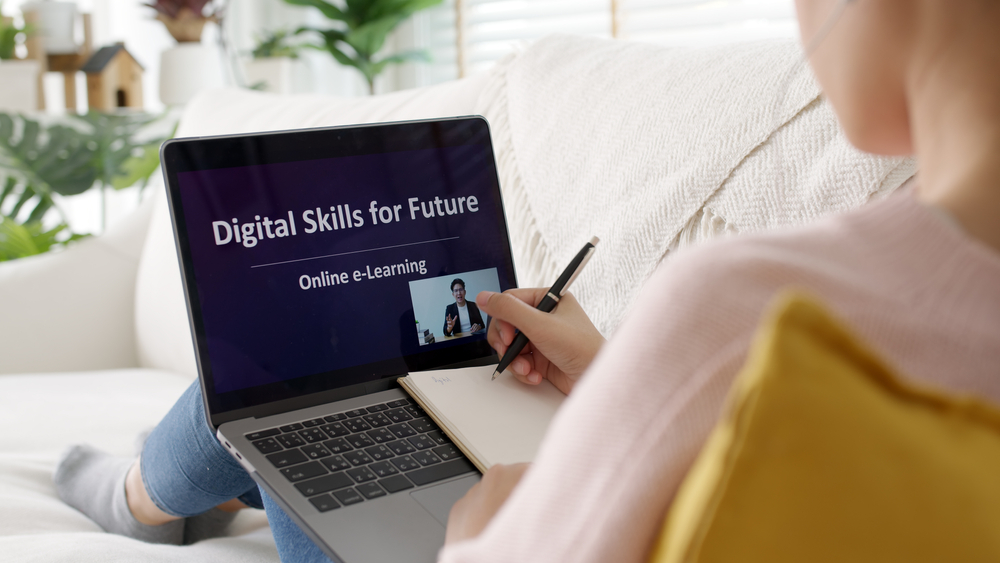
Education is often seen as a right, but globally, it is still a privilege. Many people leave school early because they must work, care for family, or cannot afford fees, uniforms, or transport. If you completed secondary school or had access to further education, that already places you ahead of much of the world. Even informal learning, online courses, or vocational training count. They all require time, tools, and support. Education shapes earning potential, confidence, and also affects how people navigate systems, contracts, and opportunities. Those advantages often last a lifetime.
Household Appliances That Save Time and Labour
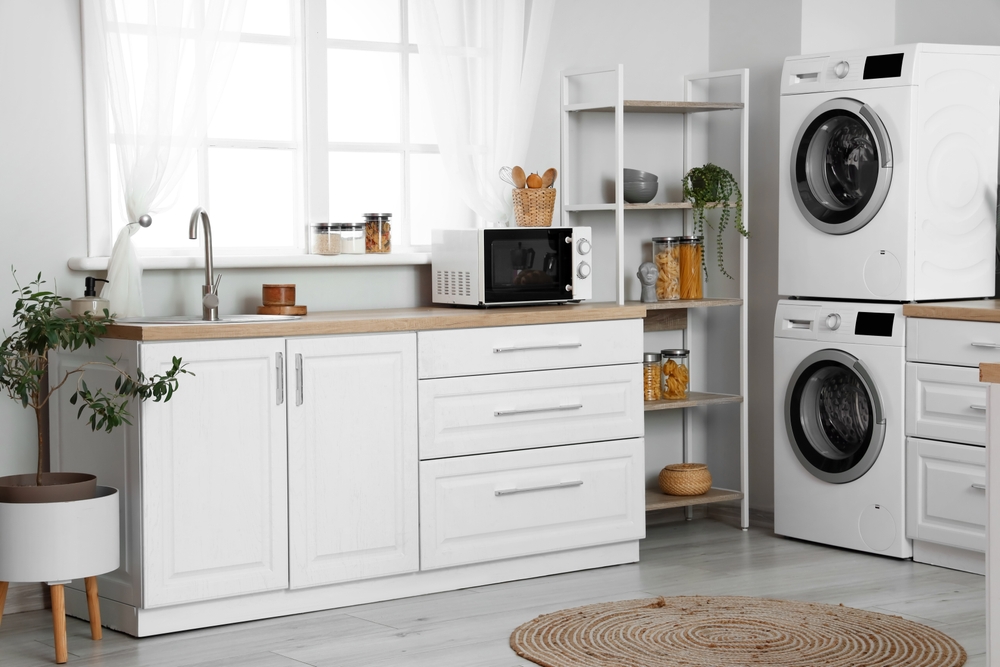
Washing machines, microwaves, vacuum cleaners, and similar appliances feel ordinary in many homes. Globally, they are far from common. Without them, daily tasks take hours longer. If machines help you clean clothes, prepare food, or maintain your home, you benefit from time savings that others do not have. That extra time often goes toward rest, paid work, or family care. Appliances also suggest stable electricity and housing. They require upfront cost and ongoing maintenance. That combination already signals economic security.
Access to Electricity That Works Most of the Time

Image credit: Shutterstock.
Electricity feels invisible until it disappears. In many parts of the world, power outages are frequent or expected. Some households never have consistent access at all. If your lights, appliances, and devices usually work when you need them, that reflects infrastructure and investment. It also supports safety, education, and income. Children can study at night, food can be stored safely, and work can continue after dark. Reliable electricity shapes daily rhythm and long-term opportunities for many people.
A Passport That Actually Gets Used
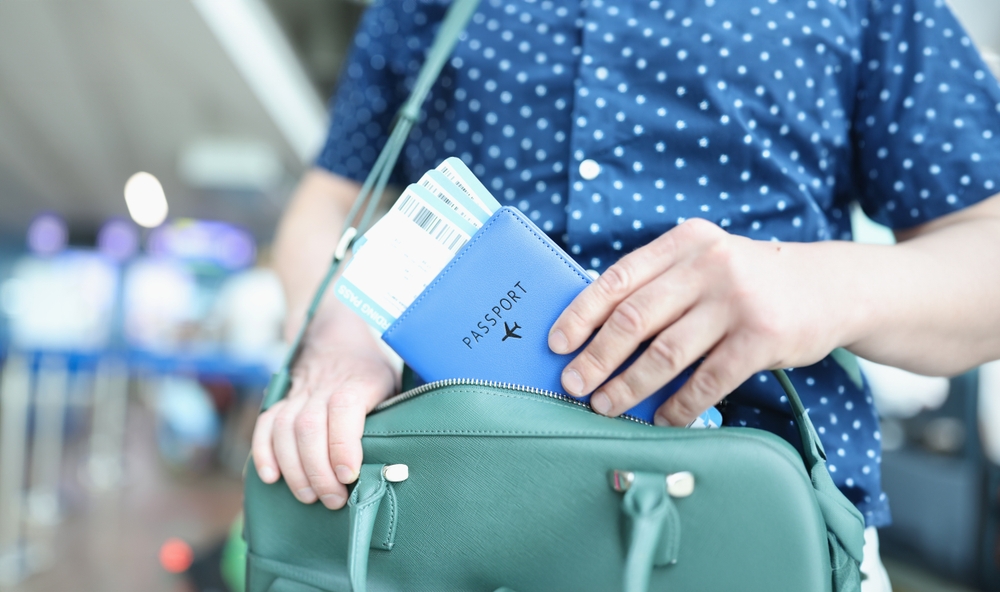
Image credit: Shutterstock.
A passport alone does not equal wealth, but using one does. Many people hold passports they never use, or cannot obtain one at all, due to cost or restrictions. If you can cross borders legally and afford to do so, that reflects freedom and resources. It also suggests time flexibility and documentation security. Travel exposes people to new ideas and networks. Over time, that access compounds into social and economic advantages. Globally, mobility remains one of the clearest signs you’re wealthy, even when trips are modest.
The Option to Say No Sometimes

Image credit: Shutterstock
Being able to refuse work, obligations, or unsafe situations is a form of power. Many people cannot say no because they depend on every opportunity to survive. If you can turn something down without risking food, shelter, or safety, that means you have choice and leverage. This option protects mental health and boundaries, and it allows people to seek better conditions over time.
Read More: A Massive Wealth Shift Is Coming—Is Everyone Ready for It?
Final Thoughts
Owning some or many of these items does not make someone better, smarter, or more deserving. It simply means they live within systems that provide access and stability. Understanding global inequality can inspire gratitude, empathy, and awareness rather than comparison, and these markers exist to shift perspective, not to shame or elevate. If you recognised yourself in this list, it does not mean you should feel guilty. It means you have room to notice your position in the wider world. That awareness alone can change how people relate to money, opportunity, and others. In the end, the most meaningful signs that you’re wealthy are not about excess. They are about security, choice, and the ability to look beyond survival.
A.I. Disclaimer: This article was created with AI assistance and edited by a human for accuracy and clarity.
Read More: Almost Everyone Experiences This After Turning 70, Like It or Not