
When a thunderstorm rolls in, anything plugged into a wall becomes more vulnerable than most people expect. Lightning does not need to strike your home directly to cause damage, since a surge traveling through power or cable lines can reach your devices in an instant. Most people only worry about a direct hit, but the bigger issue is how quickly a surge can travel through wiring and move straight into appliances without warning. That is why unplugging a few key items is one of the simplest storm safety tips to rely on, especially when you want to avoid repairs that grow expensive fast.
Many electronics contain sensitive components that cannot handle abrupt jumps in voltage. A television, laptop, or modem only needs a single spike to fail, and the cost of repairing those parts rarely matches the value of keeping them protected. Even surge protectors have limits because lightning can create a current strong enough to overwhelm them if it reaches the line with enough force.
Unplugging devices removes the path entirely, which takes only a few seconds and saves you from losing equipment that you depend on daily. These sections focus on the electronics most likely to be affected, giving you a clear sense of what should come out of the outlet first when the weather shifts and the risk climbs.
1. Televisions and Home Theater Systems
Image credit: Pexels
Televisions sit at the top of the list because one strong surge can take out the power board inside the screen. Modern TVs rely on delicate circuits that react quickly to voltage changes, and once those parts fail, repairs often cost more than replacing the unit. Most home theater setups also include streaming boxes, speakers, gaming consoles, and external drives that plug into the same outlet chain. When everything runs through one area, a surge hitting that line can travel through each device before you even notice the lights flicker.
Unplugging the entire group gives you far better protection than disconnecting one item at a time. Power strips cannot stop the kind of surge that comes from lightning hitting a nearby line, and relying on them alone puts the whole setup at risk. Removing the cord cuts the route completely, which is the simplest way to protect equipment that is expensive to repair and easy to damage.
Even small fluctuations in voltage can weaken components inside a TV over time, and a single spike can finish the job instantly. Pulling the plug takes only a moment, and it saves you from losing a screen or console that you use every day. During a storm, keeping this section of your home unplugged is one of the easiest protective steps you can take.
2. WiFi Routers and Modems
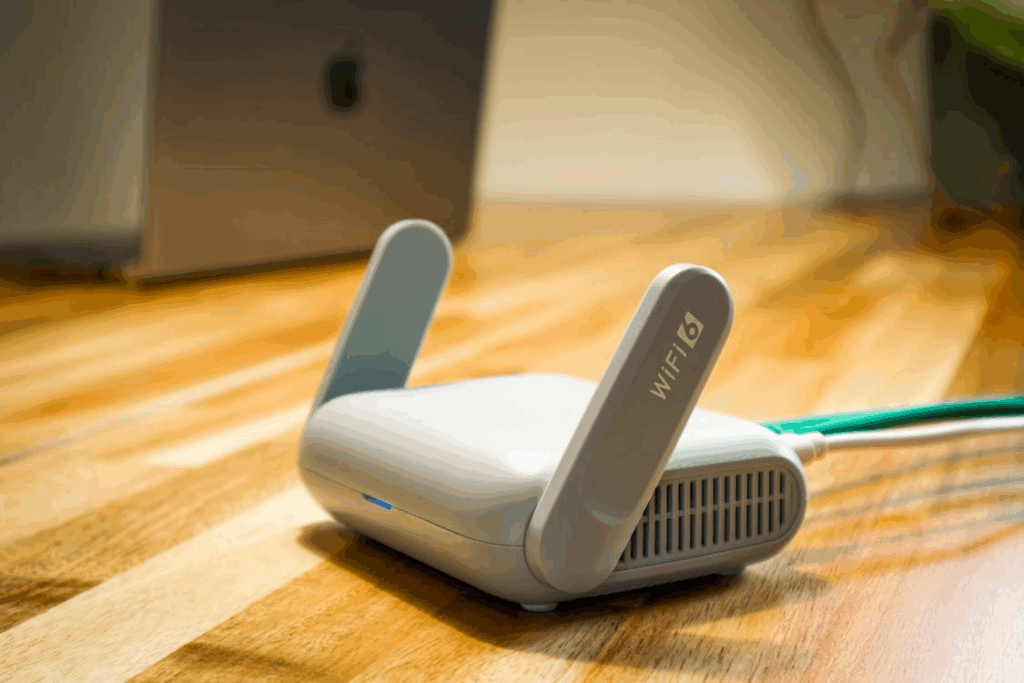
WiFi routers and modems face a different kind of risk because they stay connected to both electrical outlets and external service lines. That combination makes them especially vulnerable when lightning affects wiring outside your home. A surge can travel through a power line, a cable line, or a phone line and reach the device within seconds. Since these units run constantly, their internal components are already under regular strain, so a sudden jump in voltage can shut them down permanently.
Many people do not realize that network equipment is often the first thing to fail after a storm. The circuitry inside routers and modems is designed for signal processing, not for absorbing sudden bursts of energy. Once damaged, the device may reboot repeatedly, lose connection altogether, or refuse to power on. Unplugging both the electrical cord and the service cable removes every route a surge could use, which gives you far better protection than turning the device off.
The inconvenience of losing internet access during a storm is minor compared to the cost of replacing the equipment later. Service providers sometimes charge fees for damaged units, and buying a new router or modem can interrupt your work or entertainment for days.
3. Desktop Computers and Towers
Desktop computers face a higher level of risk during storms because they rely on several components that depend on steady electrical flow. The motherboard, graphics card, storage drives, and power supply all react quickly when the voltage suddenly rises. A strong surge can pass through the outlet and into the tower before you have time to respond, leaving key parts damaged beyond repair. Many people assume shutting the machine down protects it, but the hardware remains connected to active wiring as long as the cord stays in place.
To avoid that exposure, detach the system completely from the wall and remove every accessory linked through the same power source. That includes monitors, speakers, external drives, and charging docks. Each item can carry current back into the tower, so separating them is the safest move. Sudden loss of power during a surge can also corrupt files, interrupt updates, or damage storage units, leading to data recovery costs that add up quickly.
Desktops are often used for work tasks, gaming, or creative projects, which means losing one can disrupt far more than a night of streaming. Taking them offline during rough weather protects both the hardware and the information stored on it. This makes desktops a priority whenever lightning is in the forecast.
4. Laptops and Their Chargers
Laptops face their own storm risks, even though they can run on battery power. The main issue comes from the charger, which acts like a direct link between the power grid and the device. If lightning affects the line, the surge can travel through the adapter and reach the laptop’s internal circuits in seconds. Removing the charger from both the wall and the laptop keeps the device isolated so no unexpected current can reach the battery or the processor.
Many people assume a laptop is safe because it is not actively being used, but the charging brick continues drawing electricity as long as it stays in the outlet. That brick contains components that were never built to handle sudden spikes in voltage. Once damaged, it can short out or pass unstable current into the laptop the next time you try to power it.
Another overlooked risk involves data. A surge arriving during a system update or a background backup can interrupt the process and leave files unusable. Since laptops often store personal photos, work documents, and school projects, protecting them becomes more than just saving hardware.
5. Gaming Consoles and Controller Stations

Gaming consoles carry a different kind of risk during storms because they stay active in ways people rarely notice. Even when the system is in rest mode, it keeps a low stream of electricity moving through the power supply to handle updates, downloads, and network checks. That small flow is enough to let a surge enter the hardware if lightning affects the line. Removing the console from the outlet stops that interaction entirely.
Controller chargers and headset docks add another layer of exposure. These accessories are designed to draw a steady current so they can refill batteries or keep wireless gear ready. During a storm, that constant draw works against them. A voltage spike can reach the charging ports first and travel through the station before spreading to the console. Taking these accessories offline gives the main system a buffer it would not have otherwise.
People often think their console is safe because it sits in the same place every day, but the location can make things worse. Entertainment centers collect many cords in one area, which means a surge entering that space can spread quickly across anything plugged in. Keeping the station and the console out of the outlet during rough weather helps prevent equipment loss and avoids the hassle of replacing a system that took years to build up.
6. Electric Toothbrush Bases and Bathroom Charging Stands
Bathroom chargers rarely get attention during storms, yet they sit in one of the most conductive parts of the home. Moisture in the air increases the chance of electrical travel across surfaces, and charger bases often stay plugged in around the clock. The internal transformers in these stands work in short cycles, warming slightly as they top off the battery. That constant activity makes them sensitive to sudden spikes.
Another factor is location. Many bathrooms share circuits with outdoor fixtures or garage lines, and those routes can pick up surges faster than interior circuits. When voltage jumps, the toothbrush base can fail without any visible sign at first. People usually discover the issue days later when the handle no longer holds a charge. Removing these stands from the outlet before a storm reduces the chance of damaging both the base and the toothbrush itself, which has electronics tucked inside the handle that are costly to repair or replace.
7. Aquarium Heaters, Filters, and Automatic Feeders

Fish tanks involve equipment that interacts with water, and that connection raises risks during electrical disturbances. Heaters operate by converting current into heat through a thin internal element. If a surge reaches that element, it can crack or overheat, changing the water temperature suddenly. Filters have motors designed for steady movement, and a voltage spike can jam the motor or damage the impeller. Automatic feeders plug in for convenience, yet their timers fail easily when voltage wavers.
A second issue is safety for the animals. Surges can travel through water more efficiently than through dry surfaces, so a malfunctioning heater or pump can create conditions that stress or harm the tank’s ecosystem. That is why separating aquarium gear from the outlet during storms is important. It prevents electrical faults and keeps water conditions stable until the weather passes. Tanks rely on balance, and storms disrupt that balance faster than most people expect. Keeping those devices disconnected protects both the equipment and the animals that depend on it.
Read More: Money-saving expert warns people about using air fryers instead of ovens to cook food
8. Smart Speakers, Voice Assistants, and Docked Hubs
People often forget that smart speakers and voice assistants maintain constant background activity. Even when no one interacts with them, the device listens for its wake word, pings servers, and manages internal processes. This steady flow of current gives a surge an easy path if lightning affects the power grid. Taking these hubs out of the outlet keeps them from receiving unstable voltage during those moments.
Another reason to disconnect them is their built in power adapters. Many of these adapters use compact circuitry to keep size down, and that design leaves little room for the components that help regulate sudden voltage jumps. Once an adapter burns out, the entire device becomes unusable until replaced. Some hubs also store household schedules, linked accounts, and device settings, so a failure forces you to rebuild everything from scratch. Removing them from the outlet prevents data loss and avoids unexpected downtime when the storm is over.
How Lightning Sends Surges Through Home Electronics
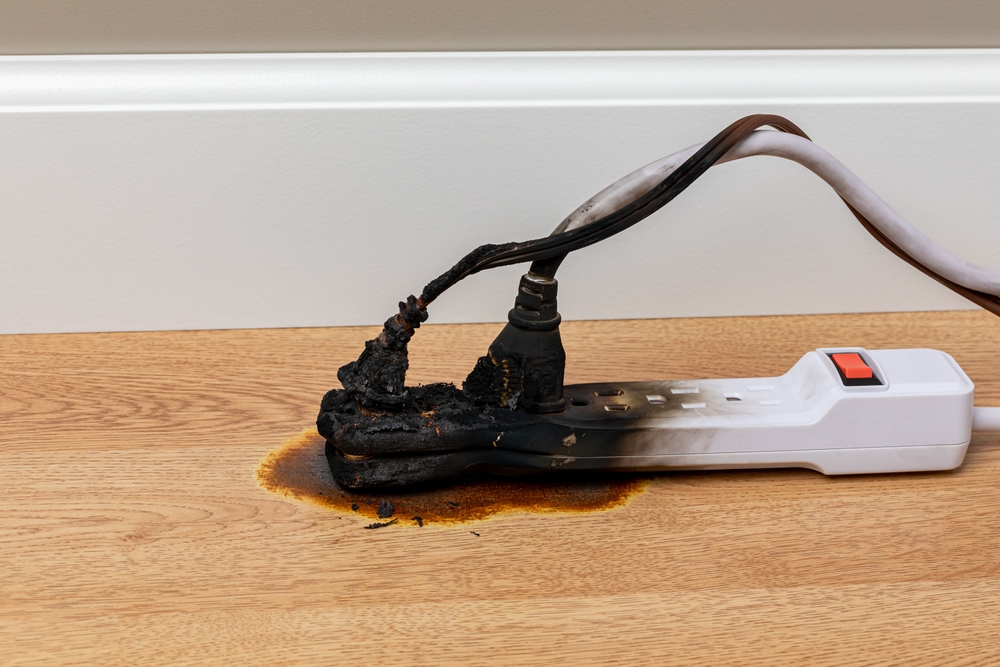
Other storm safety tips include keeping windows closed to limit moisture around outlets, pausing laundry and dishwashers since those machines draw heavy current during each cycle, and moving metal objects away from cord clusters so they cannot become conductors. You can also avoid using wired headphones or holding a charging phone during rough weather because your body becomes part of the circuit if voltage travels through the line. Turning off large appliances helps stabilize the load on your home’s electrical system, and storing portable power banks fully charged ensures you have reliable energy without depending on outlets until conditions improve.
Keeping Your Home and Electronics Safe
Storm season always brings a level of uncertainty, and taking simple steps before lightning arrives makes a noticeable difference in how well your home handles electrical swings. Disconnecting the right devices keeps you from dealing with damaged equipment and unexpected repair costs after the sky clears. Paying attention to how your home is wired, where your electronics sit, and which items stay active in the background gives you more control during unpredictable weather. These storm safety tips offer a straightforward way to protect what you use every day without adding extra work. A few minutes of preparation keeps your setup stable and helps you move through each storm with less worry.
Disclaimer: This article was written by the author with the assistance of AI and reviewed by an editor for accuracy and clarity.
Read More: Highly Intelligent People Tend to Have These Items Around Their Homes