
Aging is a biological inevitability, but the rate and quality of that aging are, surprisingly and rather remarkably, within our own control. For those over the age of 60, nutrition shifts from being about growth and development to being about maintenance, defense, and resilience. As our metabolism slows and our bodies become less efficient at absorbing certain nutrients, the mantra for longevity becomes make every calorie count.
Healthy Eating for Seniors
Science-backed dietary patterns, such as the Mediterranean and DASH diets, have consistently shown that specific foods can dampen chronic inflammation (often cheekily referred to as “inflammaging”), which is the root driver of heart disease, cognitive decline, and frailty. By focusing on nutrient density, older adults can protect their bone density, preserve muscle mass, and keep their minds sharp well into their 80s and even 90s. Consider the following as your guide to the nutrition that should form the foundation of your diet after 60, backed by findings from nutrition scientists and dietitians.
Dark Leafy Greens: The Foundation of Cellular Health

If there were a “king” of longevity foods, dark leafy greens like spinach, kale, collard greens, and Swiss chard would likely take the crown. These vegetables are packed with vitamins A, C, and K, as well as fiber and calcium.
For those over 60, Vitamin K is particularly important. It plays a major role in bone mineralization, helping to shepherd calcium into the bone matrix rather than letting it settle in the arteries. This dual benefit protects against both osteoporosis and arterial stiffness. Furthermore, leafy greens are the primary dietary source of lutein and zeaxanthin, carotenoids that accumulate in the retina. These compounds act as internal “sunglasses,” protecting the eyes against oxidative damage and age-related macular degeneration (AMD), the leading cause of vision loss in older adults.
Research from institutions like Rush University has also suggested that a single serving of leafy greens a day can help slow cognitive decline. In longitudinal studies, those who consumed the most greens had cognitive scores equivalent to being 11 years younger than those who consumed the least.
Fatty Fish: Omega-3s and Muscle Maintenance

Sarcopenia, or the natural loss of muscle mass and strength, accelerates after age 60. To combat this, high-quality protein is essential. Fatty fish, specifically salmon, mackerel, sardines, anchovies, and trout (sometimes abbreviated to be called the SMASH fish), provide a double benefit: they are an excellent source of easily digestible protein and are loaded with omega-3 fatty acids. That includes both EPA and DHA.
Omega-3s are potent anti-inflammatory agents. They support heart health by lowering triglycerides, reducing blood pressure, and decreasing the risk of arrhythmia. More importantly for longevity, these health fats are vital for brain structure. The brain is roughly 60% fat, and DHA is a primary structural component of the cerebral cortex. Low levels of DHA have been linked to an increased risk of Alzheimer’s disease and general cognitive impairment.
Dietitians generally recommend at least two 3.5-ounce servings of fatty fish per week. If you aren’t a fan of fish, speaking with a doctor about high-quality algae-based or fish oil supplements is a wise move to ensure your brain and heart remain protected.
Berries: Brain Fuel and Antioxidant Shields
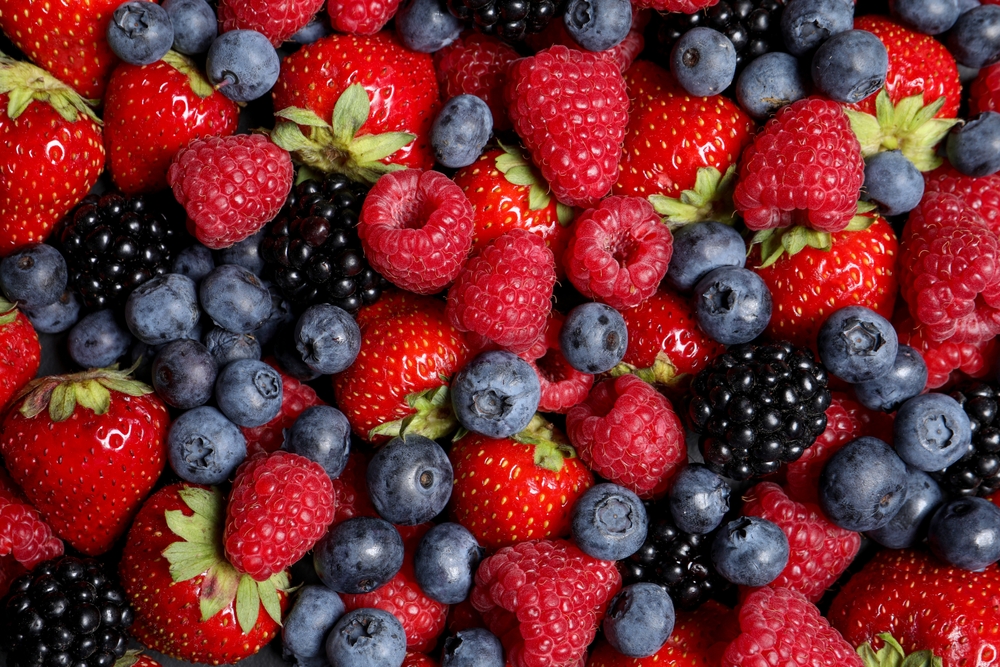
Berries, particularly blueberries, strawberries, and blackberries are nutritional powerhouses for the aging brain. They are rich in anthocyanins, a type of flavonoid that gives them their vibrant color and acts as a powerful antioxidant.
As we age, oxidative stress, a byproduct of normal metabolism, can damage cells and contribute to chronic disease. Anthocyanins cross the blood-brain barrier and have been shown to settle in areas of the brain associated with memory and learning. The Nurses’ Health Study, which followed thousands of individuals over decades, found that regular berry consumption could delay cognitive aging by up to 2.5 years.
Beyond the brain, the soluble fiber in berries supports digestive health, which can become sluggish with age. They also have a relatively low glycemic index compared to other fruits, meaning they won’t cause the sharp spikes in blood sugar that can lead to insulin resistance and type 2 diabetes.
Nuts and Seeds: Heart-Healthy Fats and Minerals
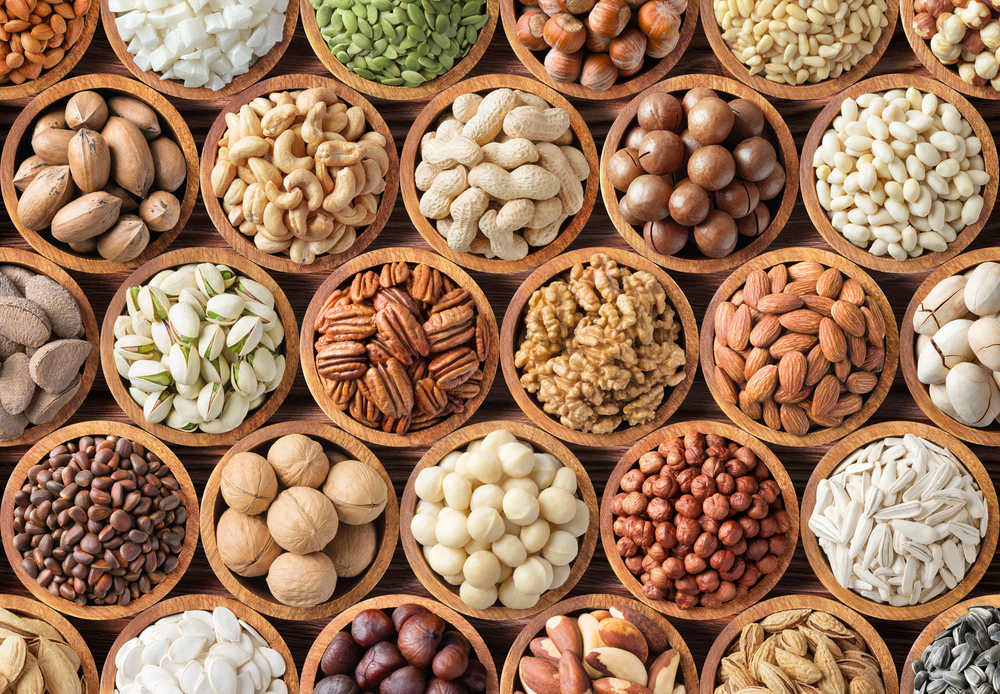
A handful of nuts a day might be one of the simplest habits for a longer life. Walnuts, almonds, pistachios, chia seeds, and flaxseeds are dense with monounsaturated fats, plant protein, and minerals like magnesium and zinc.
Walnuts are unique because they contain a high concentration of alpha-linolenic acid (an omega-3), which supports both heart and brain health. Research indicates that regular nut eaters have a significantly lower risk of dying from heart disease or cancer.
For older adults, the magnesium found in nuts and seeds is a “quiet” hero. Magnesium is involved in over 300 biochemical reactions in the body. This includes regulating muscle and nerve function, blood sugar levels, and blood pressure. Because nuts are calorie-dense, a small portion, only about 1 ounce or a small handful, is all you need to reap the benefits without unwanted weight gain.
Beans and Legumes: The Longevity Staple
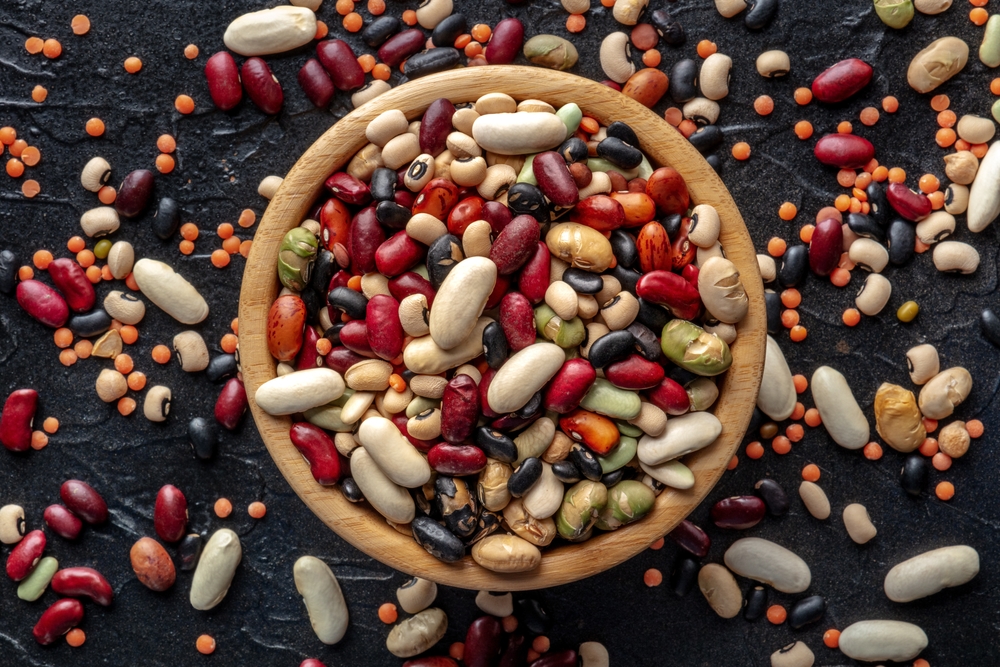
In regions of the world like Ikaria, Greece; and Sardinia, Italy; where people regularly live to 100 (sometimes referred to as the “blue zones” of the world), beans and legumes are a dietary staple. Lentils, chickpeas, black beans, and kidney beans are unique because they provide a combination of high-fiber and plant-based protein.
For older adults, the fiber in legumes is crucial for maintaining a healthy gut microbiome. A diverse microbiome is closely linked to a robust immune system, which naturally weakens as we age, a process known as immunosenescence. Additionally, the soluble fiber in beans helps “mop up” excess cholesterol in the digestive tract, preventing it from entering the bloodstream and clogging arteries. Legumes are also a budget-friendly way to ensure adequate protein intake without the saturated fats found in many red meats.
Whole Grains: Sustained Energy and B-Vitamins
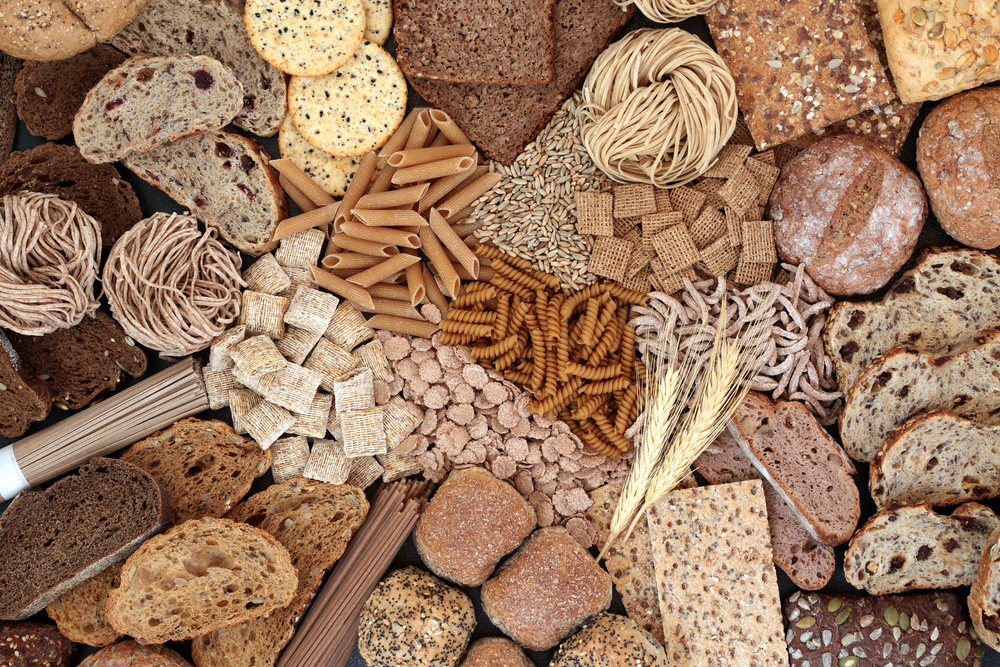
It is a common misconception that all carbohydrates are “bad.” The key for those over 60 is to swap “white” refined carbohydrates for intact whole grains like oats, quinoa, brown rice, barley, and buckwheat. Whole grains retain the bran and germ, which contain B vitamins such as B6, B12, and folate, as well as essential minerals like selenium.
B vitamins are vital for energy metabolism and neurological function. As we age, our bodies may become less efficient at extracting these vitamins from food, making whole-grain sources even more important. The high fiber content in whole grains also assists in maintaining a health weight by promoting satiety, aka the feeling of fullness. Finally, it prevents the chronic constipation that often accompanies age-related changes in the digestive tract and reduced physical activity.
Cruciferous Vegetables: DNA Protection
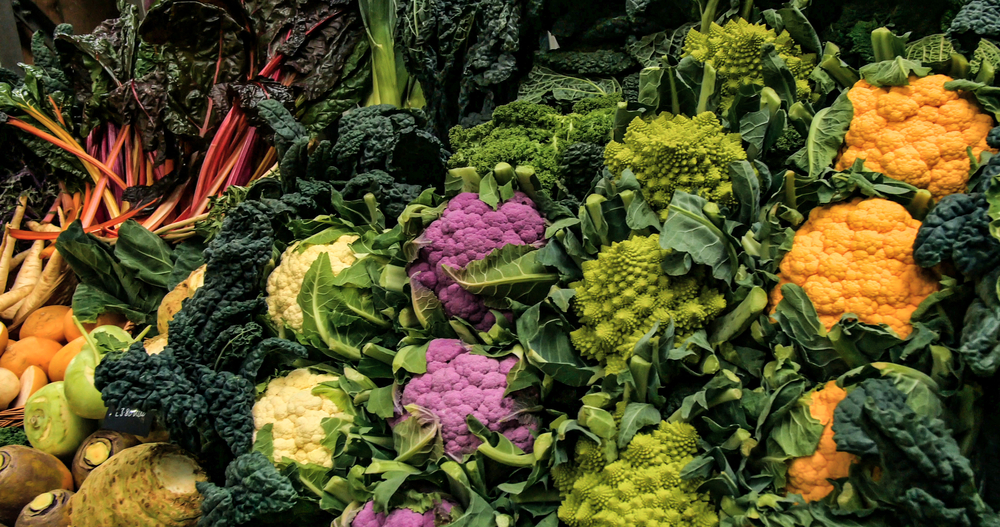
Broccoli, cauliflower, Brussels sprouts, bok choy, and cabbage contain unique sulfur-containing compounds called glucosinolates. When these vegetables are chopped or chewed, they release an enzyme called myrosinase, which turns glucosinolates into isothiocyanate and sulforaphane.
These bioactive compounds are molecular powerhouses. They have been shown to stimulate the body’s own antioxidant defense systems, inhibit the growth of certain cancer cells, and even protect DNA from oxidative damage. For seniors, cruciferous vegetables provide a massive amount of Vitamin C and Vitamin K for very few calories, making them an ideal choice for maintaining a healthy weight while meeting daily micronutrient requirements.
Low-Fat Dairy and Fortified Plant Milks: Bone Integrity
Bone health is a primary concern for those over 60, especially for women post-menopause, as the risk of fractures and osteoporosis increases. Calcium and Vitamin D are the two most important nutrients for skeletal integrity.
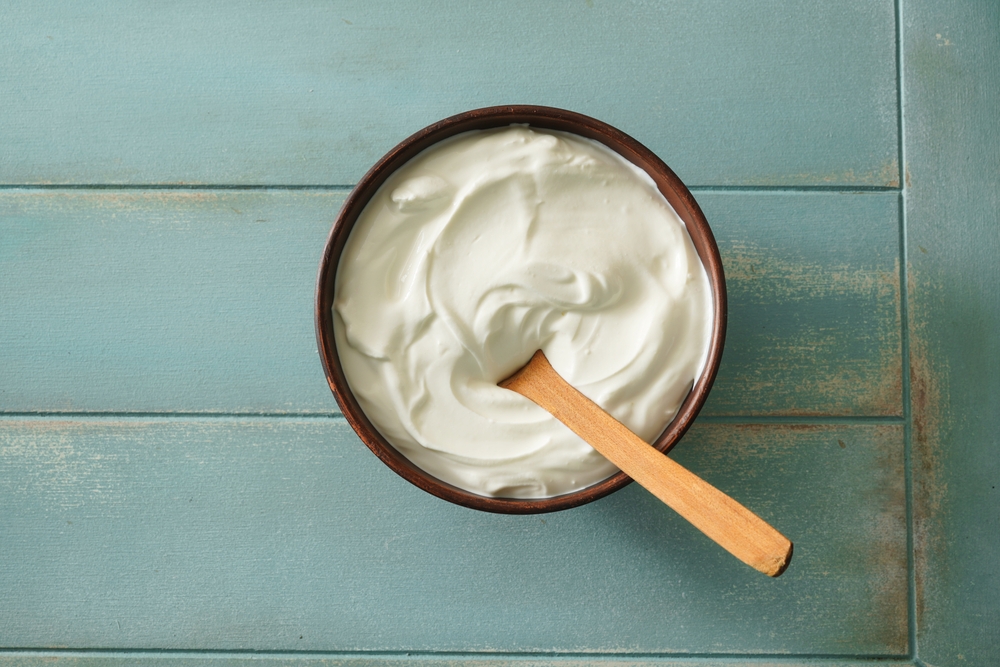
Greek yogurt, cottage cheese, and fortified milks provide these nutrients along with high-quality protein. Greek yogurt is particularly beneficial because it also offers probiotics, which replenish the beneficial bacteria in the gut.
If you prefer plant-based alternatives like almond or soy milk, ensure they are specifically fortified with Vitamin D and B12. Vitamin B12 absorption decreases significantly with age because the stomach produces less hydrochloric acid, which is required to release B12 from animal proteins. Fortified foods provide B12 in a “free” form that is easier for the aging body to absorb.

No longevity diet is complete without Extra Virgin Olive Oil (EVOO). It is the primary fat source in the Mediterranean diet and is rich in oleocanthal, a phenolic compound that has anti-inflammatory effects similar to ibuprofen.
Chronic inflammation is a silent killer in the over-60 population, contributing to everything from arthritis to cardiovascular disease. EVOO helps keep the lining of the blood vessels (called the endothelium) flexible and healthy. When choosing an oil, look for “Extra Virgin” on the label, as this indicates the oil has been cold-pressed and retains the highest level of polyphenols.
Non-Nutrition Habits for a Longer Life

While what you put on your plate is fundamental, longevity is a multi-legged stool. To maximize the benefits of a healthy diet, these lifestyle factors are equally essential for those over 60:
1. Resistance Training and Balance
While walking is great for cardiovascular health, resistance training is the only way to effectively combat sarcopenia. Lifting weights, using resistance bands, or performing bodyweight exercises like squats and push-ups twice a week preserves muscle mass and bone density. Furthermore, practicing balance, such as Tai Chi or even just standing on one leg, is vital for fall prevention. Falls are a leading cause of injury in older adults. So yes, please keep walking for your heart health; however, don’t forget about your musculoskeletal health in the process.
2. Social Connection and Purpose
The Harvard Study of Adult Development, one of the longest studies on human life, found that the strongest predictor of health and happiness in old age is the quality of our relationships. Chronic loneliness is as damaging to health as smoking 15 cigarettes a day. Whether it’s volunteering, joining a book club, or regular family dinners, staying connected lowers cortisol levels and protects the brain.
3. Prioritize Restorative Sleep
Sleep patterns often change with age, but the need for 7-9 hours remains. Quality sleep is when the body performs “cellular cleanup,” and the brain flushes out metabolic waste through the glymphatic system. Poor sleep is linked to increased risks of obesity, heart disease, and dementia. Establish a calming nighttime routine and limit screen time before bed to support your circadian rhythm.
4. Cognitive “Cross-Training”
Keep your brain “plastic” by learning new, challenging skills. Passive activities like watching TV don’t offer the same protection as active learning. Learning a new language, a musical instrument, or even a new craft builds “cognitive reserve,” the brain’s ability to improvise and find alternate ways of getting a job done. This can delay the symptoms of dementia.
5. Hydration Awareness
The sensation of thirst often diminishes with age, meaning many seniors are chronically dehydrated without realizing it. Dehydration can lead to confusion, urinary tract infections, and kidney stones. Aim for steady water intake throughout the day. Infusing water with lemon or cucumber can make it more palatable if plain water is unappealing.
Choosing Consistency
Living a long, vibrant life after 60 isn’t about restrictive dieting or chasing “superfood” fads, it’s about consistently choosing foods that serve your body’s evolving biological needs. By centering your meals around dark leafy greens, fatty fish, berries, and legumes, you provide your cells with the defense mechanisms required to ward off chronic disease.
Nutrition is a powerful tool, but it works best in tandem with physical activity, mental stimulation, and deep social bonds. When you pair a nutrient-dense approach with a lifestyle of movement and connection, you aren’t just adding years to your life, you’re making those years more meaningful and more enjoyable.
Disclaimer: The author is not a licensed medical professional. The information provided is for general informational and educational purposes only and is based on research from publicly available, reputable sources. It is not intended to constitute, and should not be relied upon as, medical advice, diagnosis, or treatment. Always consult a licensed physician or other qualified healthcare provider regarding any medical condition, symptoms, or medications. Do not disregard, avoid, or delay seeking professional medical advice or treatment because of information contained herein.
A.I. Disclaimer: This article was created with AI assistance and edited by a human for accuracy and clarity.
Read More: Nearly 50% of Dementia Cases Could Be Avoided, Expert Says – Here’s How