
Collagen powders, drinks, and gummies promise firm skin and fewer wrinkles, so it is no surprise they fill bathroom shelves and social feeds. People stir the powder into coffee, smoothies, yoghurt bowls, and even water bottles at their desks. Marketing often frames collagen as an effortless shortcut to youthful skin, which sounds tempting during busy everyday life. However, experts now argue that this story leaves out important safety questions and the limits of current evidence. At the same time, doctors and nutrition experts have started to push back against some of the louder claims and the way these products are marketed.
In a widely shared story, UK GP Dr Asif Ahmed warned that the problem is not only collagen itself, but everything that gets packaged with it. As Tyla reported, “Dr Asif Ahmed warned of the little-known ingredients in some collagen supplements.” His point lines up with what dermatologists and dietitians at academic centres now stress. Tufts dermatologist Dr Farah Moustafa explains that “oral collagen supplements are not currently recommended to treat skin aging, although they can be considered along with other more effective and well-studied interventions.” Her comment encourages people to see collagen as one small tool, not a stand-alone answer to every skin concern.
The TikTok warning and what Dr Asif Ahmed actually highlighted
Dr Ahmed’s video resonated because many people take collagen without reading the full label or thinking about their health history. In the Tyla piece, his warning focused on the extra ingredients that ride along with collagen, including herbs, megadoses of vitamins, and other “skin boosting” compounds that may not suit everyone. His concern was not that every collagen product is dangerous, but that people assume anything labelled “beauty” or “glow” is automatically safe.
Dermatologists share that concern. Cleveland Clinic dermatologist Dr Shilpi Khetarpal notes that industry studies often overstate benefits, and she points out that “a few small studies have shown limited improvement in skin texture with collagen supplements,” but those trials are usually sponsored by manufacturers. She also stresses that many products come with poorly explained additives. Her advice supports Dr Ahmed’s message: treat collagen like any active supplement, not like flavoured water. This simple comparison helps people remember that careful attention and informed choices always matter when they introduce a new supplement.
What collagen actually does in your body
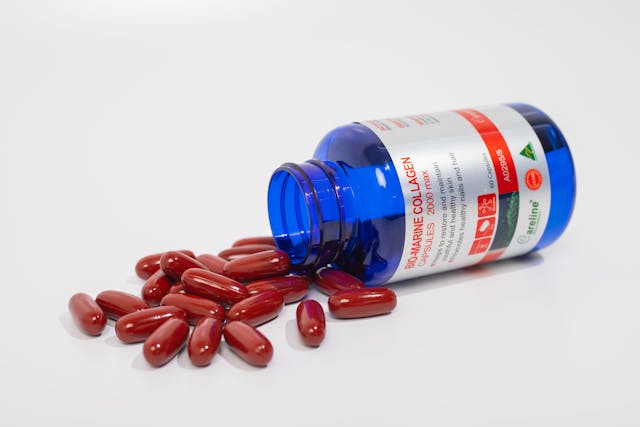
Collagen is the major structural protein in skin, bone, tendons, and ligaments. Your body makes it from amino acids, vitamin C, zinc, and other nutrients taken in through food. Production slows with age, and that drop contributes to wrinkles, sagging skin, and stiffer joints. Collagen powders are usually broken down into collagen peptides that dissolve in drinks so they can be digested more easily.
Dr Khetarpal explains the basic biology clearly, saying, “Collagen is the main structural protein in our skin. It helps the dermis retain its firmness and elasticity.” When you swallow a collagen drink, your gut breaks the protein into small peptides and amino acids. Those building blocks enter the bloodstream and can support many tissues, not just facial skin. Experts at large research organisations emphasise that you can supply the same raw materials by eating enough protein plus vitamin C-rich foods such as citrus, peppers, and berries, without buying a specialised powder. This broader view reminds people that ordinary meals still provide strong support for collagen, especially when they include varied protein sources.
What high-quality studies say about skin and collagen supplements
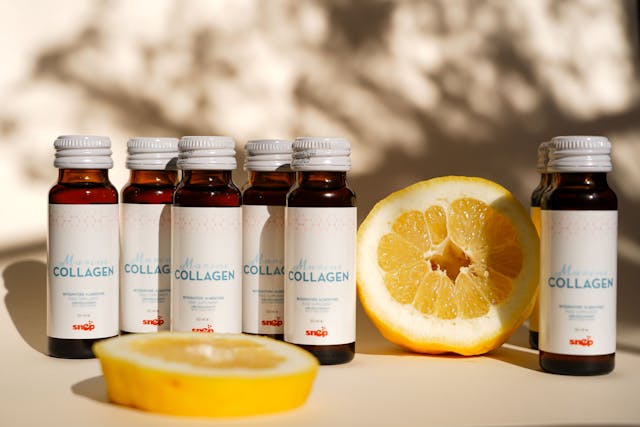
The evidence on collagen for skin is mixed and often affected by funding sources. A 2023 systematic review and meta-analysis in the journal Nutrients, led by Szu Yu Pu and colleagues, pooled data from 26 randomized controlled trials including 1,721 participants. The team reported that hydrolyzed collagen supplements modestly improved skin hydration and elasticity compared with placebo, although many trials had small sample sizes and risk of bias.
Dr Moustafa highlights this nuance. She notes that “some studies suggest oral collagen supplements may improve skin hydration and elasticity, [but] others disagree,” and that higher quality, independently funded trials often show less dramatic effects. Another review from MDPI, led by Maria Rosaria Schunck and colleagues, found that several small trials showed improvements in hydration and wrinkle depth, but again, most studies were very short-term, with industry involvement. Taken together, the science suggests collagen may help a bit for some people, yet it is not a magic eraser for aging. This perspective helps people weigh the modest benefits against cost, effort, and their existing skincare habits.
How safe is collagen itself for most people?
For many healthy adults, pure collagen appears to have a fairly good safety profile. Health writers who review clinical data note that collagen supplements have not been linked to frequent serious side effects when products contain only collagen and are used at typical doses. Reported side effects tend to be mild digestive symptoms such as bloating, a full feeling, or loose stools, and they usually settle when people lower the dose or stop.
However, experts still advise caution. The systematic review led by Pu and colleagues did not identify serious collagen-related harms in the anti-aging trials, but the authors stressed that follow-up periods were short and most participants were women without major medical conditions. That means safety data for older adults with chronic disease, people on many medications, or those who are pregnant, remains limited. Dermatologists at the American Academy of Dermatology encourage patients to discuss supplements first because high-dose powders might affect kidney load in people with existing kidney disease. This kind of careful discussion helps people decide if collagen fits into their health plan, instead of guessing alone.
Hidden ingredients and contamination risks
This is the core issue Dr Ahmed tried to bring into the spotlight. Collagen supplements often include a long list of extra ingredients: vitamin C, biotin, zinc, herbal extracts, high-intensity sweeteners, and “metabolism” blends. Registered dietitian Allison Knott notes that “collagen supplements may have added ingredients such as vitamins or herbs that can interact with some medications.” Those extras can push vitamin doses above safe upper limits or introduce herbs that thin blood or affect blood pressure.
Contaminants are another concern. In an expert interview for Tufts, Dr Moustafa warns that “oral collagen supplements made from marine sources run the risk of being contaminated with methylmercury,” a neurotoxic heavy metal that accumulates in some fish. She also cites guidance from the American Academy of Dermatology that most oral collagen supplements currently on the market lack third-party verification and do not have clear ingredient information. Dr Khetarpal adds a simple summary: a lot of the collagen supplements are expensive, they have additives in them, and they are not regulated like medicines. These warnings underline Dr Ahmed’s original point, which is that scrutiny should focus on the whole product, not only the word collagen.
Medication interactions and lab test confusion
Collagen itself is just a protein, but the added ingredients can collide with prescription drugs or medical tests. Nutrition articles reviewed by pharmacists explain that vitamin C, often added to support collagen synthesis, may affect the absorption of certain chemotherapy medicines when taken in high doses. Biotin, another frequent add-on, can interfere with lab tests for thyroid hormones, vitamin D, and some cardiac markers, which can confuse diagnosis or monitoring. One review notes that “biotin in supplement form may interfere with some lab tests, including thyroid hormone tests and vitamin D tests.”
Herbal extracts bring a different set of issues. Turmeric, ginseng, and similar herbs can interact with blood thinners, blood pressure tablets, and other drugs. Pharmacist Jobby John has said that it is not the collagen itself you need to worry about as much as everything else in the bottle, especially for people on complex treatment plans. Because labels often use proprietary blend names, patients may not realise they are taking extra vitamin B3, betaine, or stimulatory herbs on top of existing supplements and medicines. These layered effects show why pharmacists often ask detailed questions about powders and drinks, not only prescription pills.
Who should be especially cautious or avoid collagen supplements?
Some people face higher risks than others. The NIH Office of Dietary Supplements and other major organisations point out that people with food allergies must check collagen sources carefully, because marine collagen can trigger fish or shellfish reactions and bovine collagen can affect those with beef allergies. Health writers who quote these sources note that people with food allergies, such as fish or shellfish allergies, should check the label and make sure the collagen they choose does not contain those ingredients. Vegans, vegetarians, and people who follow Kosher or Halal diets may also avoid standard collagen because it comes from animal tissue.
People on blood thinners, certain heart medicines, thyroid drugs, immunosuppressants, or cancer treatments should always run collagen plans past their clinical team. Dietitians stress that people with kidney or liver disease, or those taking blood pressure medications, blood thinners, immunosuppressants, thyroid medications, or chemotherapy drugs, should check with their clinician before starting collagen. For pregnant or breastfeeding people, doctors usually recommend skipping non-essential supplements unless there is a clear, evidence-based benefit. In those cases, Dr Ahmed’s underlying advice applies strongly: do not start a new collagen blend just because it is trending on social media. This careful approach helps vulnerable groups avoid extra risks from unnecessary products.
Read More: 12 Best Foods To Help Boost Collagen
How to choose a safer product if you still want to try collagen
If you decide to test collagen after speaking with a professional, product choice matters. Experts recommend choosing simple formulas with collagen peptides as the only listed active ingredient, or with very few added nutrients at modest doses. Practical guidance from dietitians emphasises that buyers should look for independently tested or verified products and check for logos from respected quality programmes. These seals do not guarantee benefit, but they give some assurance about purity and label accuracy.
The US Food and Drug Administration notes that manufacturers, not regulators, are responsible for proving safety and correct labelling before supplements reach the market, and that the agency usually steps in only after problems appear. That structure explains why third-party testing matters. Dr Moustafa also advises people to avoid marine collagen if they have seafood allergies and to be careful with products that claim to detox, boost metabolism, or burn fat, as those claims often rest on extra stimulants or herbal mixes. In practice, a plain, unflavoured collagen peptide powder from a company that shares certificates of analysis is usually a safer experiment than a brightly flavoured “beauty elixir” with a long ingredient list.
Better ways to support collagen and skin health without the hype

Dermatologists often remind patients that daily habits shape skin health far more than any single powdered supplement. Dr Farah Moustafa explains that a healthy dietary pattern provides the nutrients your body needs to build its own collagen. That pattern includes enough protein, regular vitamin C sources, and plenty of colourful fruits and vegetables across the week. These foods supply amino acids, antioxidants, and minerals that support skin, joints, and connective tissues in a steady, reliable way. She also highlights consistent sunscreen use, topical retinoids, and avoiding tobacco as key tools for protecting existing collagen. These steps limit direct damage from ultraviolet light and smoking, which break collagen strands over time. People who invest in these basics usually see better long-term results than those who chase every new “glow” product.
Cleveland Clinic dermatologist Dr Shilpi Khetarpal advises people to prioritise sun protection and proven topical treatments when they want smoother or firmer skin. She notes that collagen supplements are not the best option for visible change, because strong evidence remains limited. Dr Ahmed’s warning fits inside this wider message about realistic expectations, careful label reading, and honest conversations with clinicians. People can still experiment with collagen if their doctor agrees, especially when they choose simple, well-tested products without heavy extras. However, they should not neglect sleep quality, balanced meals, or regular movement, which support hormonal balance and tissue repair. Small choices, like avoiding tanning beds and wearing hats outside, also protect collagen without costing anything. When someone treats supplements as minor additions and builds strong everyday habits, collagen keeps a sensible, limited place.
Disclaimer: This information is not intended to be a substitute for professional medical advice, diagnosis or treatment and is for information only. Always seek the advice of your physician or another qualified health provider with any questions about your medical condition and/or current medication. Do not disregard professional medical advice or delay seeking advice or treatment because of something you have read here.
AI Disclaimer: This article was created with AI assistance and edited by a human for accuracy and clarity.
Read More: Are Gelatin and Collagen Safe? What to Consider Before Supplementing