
In many parts of the world, speaking out against the government isn’t just risky, it can land you behind bars. Around the globe, authoritarian governments and regimes along with strict legal systems criminalize criticism, using laws that punish dissent, insult, or defamation of state leaders. From harsh jail sentences to hefty fines, these 16 countries have made it clear: challenging those in power can come with severe consequences. Here’s a closer look at where free speech carries a heavy price.
Criminal Penalties for Violating These Laws

Depending on which country you go, violating these laws could have you imprisoned. Even if you make derogatory statements or present criticisms of governmental representatives online, you may be persecuted and jailed. Foreigners face arrest or prosecution for offensive speech, though such cases occur infrequently.
Some countries monitor social media for political dissent. The consequences range from short detentions and fines to years-long prison sentences. Tourists and resident foreigners have been prosecuted or harassed for critical posts about governmental figures in countries where it is illegal. According to the Stockholm Center for Freedom (SCF), Turkey monitored social media extensively and processed nearly 7,000 cases for insulting the president in 2023 alone. In May 2025, Reuters and various outlets reported that Thailand arrested an American academic in 2025 for allegedly violating laws through online content.
16 Countries Where Free Speech Can Lead to Jail

Government criticism laws vary significantly between nations and enforcement levels change frequently. Visitors cannot assume democratic countries automatically protect foreign nationals’ speech rights. Even casual comments or social media activity can trigger investigations, especially in our current sensitive political climate. The following 12 coutnries were originally reported by Fodor’s Travel as being top offenders, and 4 additional honorlable mentions have been added as well. You may be surprised by some of the countries on this list.
Spain

Under lèse-majesté laws any slander or defamation against the royal family of Spain is a criminal offense punishable by imprisonment. Insulting the king, queen, or their descendants carries penalties up to 2 years jail time. Using images of the Spanish royals in any way damages or defames the Crown’s prestige constitutes a criminal offense.
In 2021, Pablo Hasél, a Catalan rapper was convicted and jailed for tweets insulting the monarchy and police. His arrest led to public protest and outcry which escalated and turned violent. The European Court of Human Rights ruled that Spain violated free speech rights in 2018 when convicting Catalans for burning royal photographs. Spain’s Senate approved proposals in 2022 to decriminalize crown insults, though when it will come into law remains pending.
Poland

Poland’s laws strictly prohibit publicly insulting the president despite decades of being under democratic rule. Individuals can face up to 3 years of prison time for hurling public insults against the president. Recent prosecutions include a writer who called President Duda a “moron” on Facebook and teenagers using vulgarities at a party. Both the writer and teenagers faced prison time for their insults.
Polish courts consider the context and social harm when evaluating cases. A 2021 case involving writer Jakub Żulczyk resulted in his acquittal. The court determined his criticism focused on the president’s political competence rather than hurling personal insults at the president.
Iceland
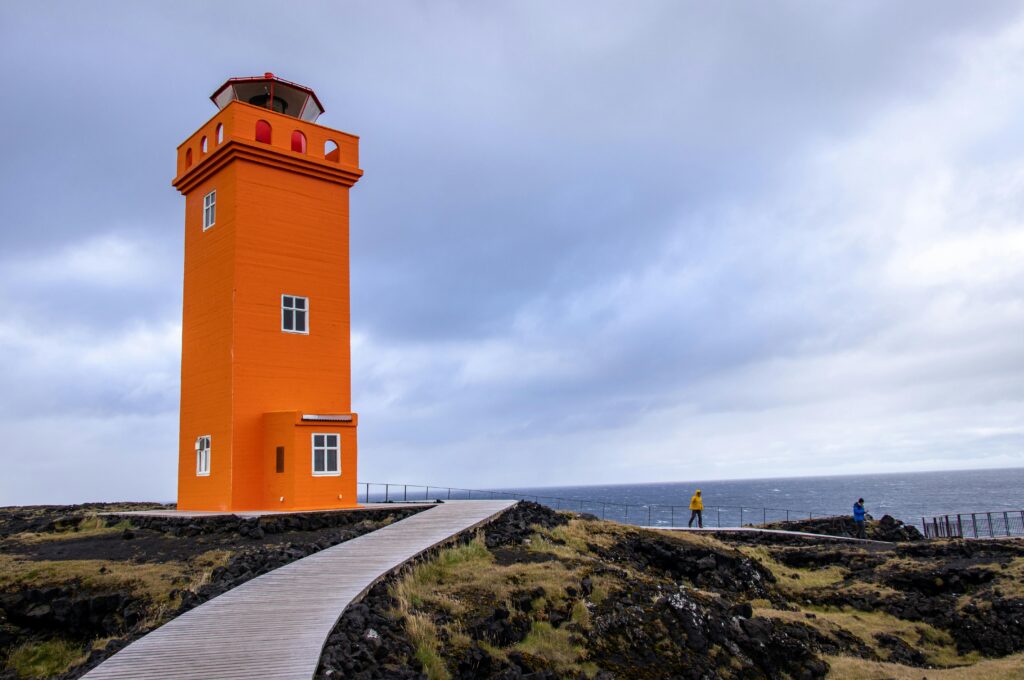
Despite its reputation for being an open and liberal country, Iceland maintains criminal penalties for defaming or insulting the president. Violators face up to 2 years imprisonment for insulting the president. The country also prohibits criticizing foreign leaders, with potential sentences for contravening this law reaching up to 6 years imprisonment. However, Iceland has rarely enforced these laws yet they still remain active, creating legal risks for travelers who violate them.
Germany

While Germany maintains robust protections for freedom of speech, these protections do not extend to insults of the federal president. The German Criminal Code imposes penalties ranging from 3 months to 5 years in prison for disparaging government members. Former politicians have even pursued criminal complaints against citizens This includes a former vice-chancellor who filed charges against someone who called him an “idiot”. However, Germany repealed its law against insulting other foreign heads of state in 2017. They repealed their law following the controversial Böhmermann case involving Turkish President Erdogan.
Greece

Defaming or insulting the head of state in Greece is punishable by up to 3 months jail time. In Greece, any publications containing content defaming or insulting the president are seized before or after publication. Greek law also includes protection to foreign heads of state. However, enforcement is rare but still possible so be wary.
Italy
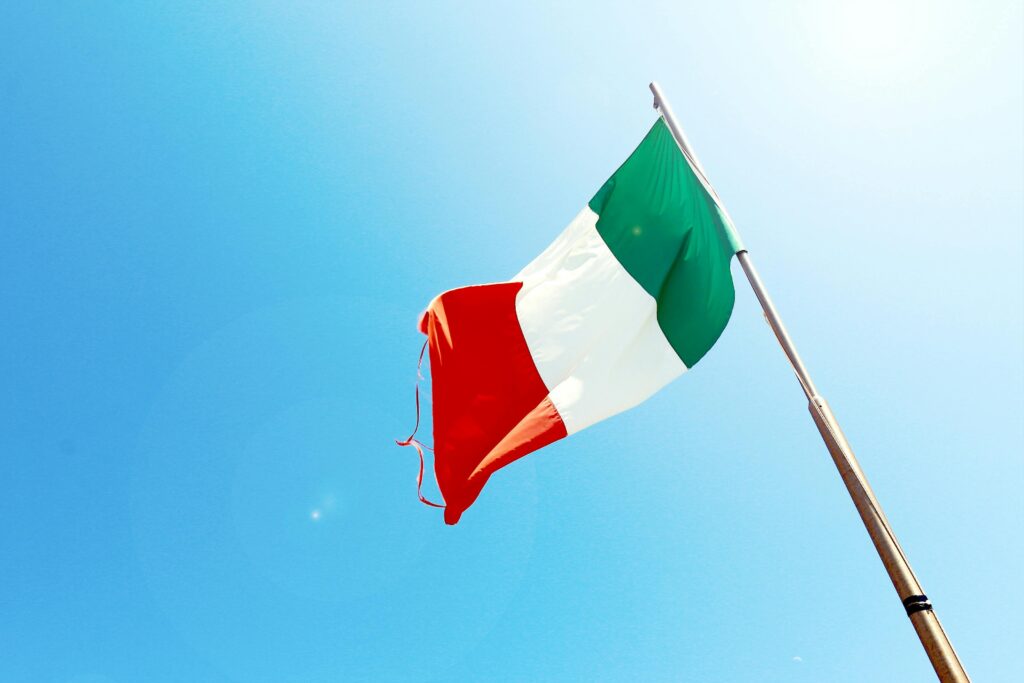
Criticism or insults directed towards the president of Italy will land you jail time. Effectively offending the “honor or prestige” of the president of Italy will earn you up to 5 years behind bars. The law also extends to other Italian government officials, imposing similar penalties for any violations. Italian authorities prosecuted an American woman in 2017 for criticizing an Italian magistrate. Courts can and will charge foreign nationals for making critical posts on social media about Italian officials.
Sweden
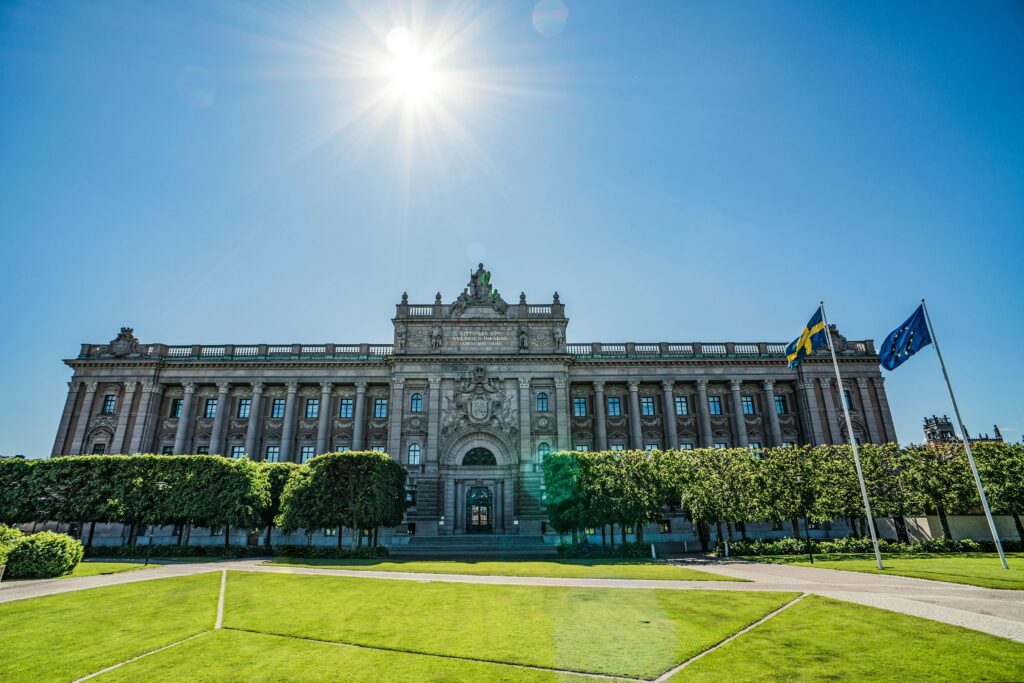
While Swedes regularly criticize the Swedish monarch without consequence, criticizing the monarch is a criminal offense with sentences up to 6 years imprisonment. The law also criminalizes insulting foreign heads of state and other public officials. While not often enforced, these laws have been used in high-profile cases.
Thailand
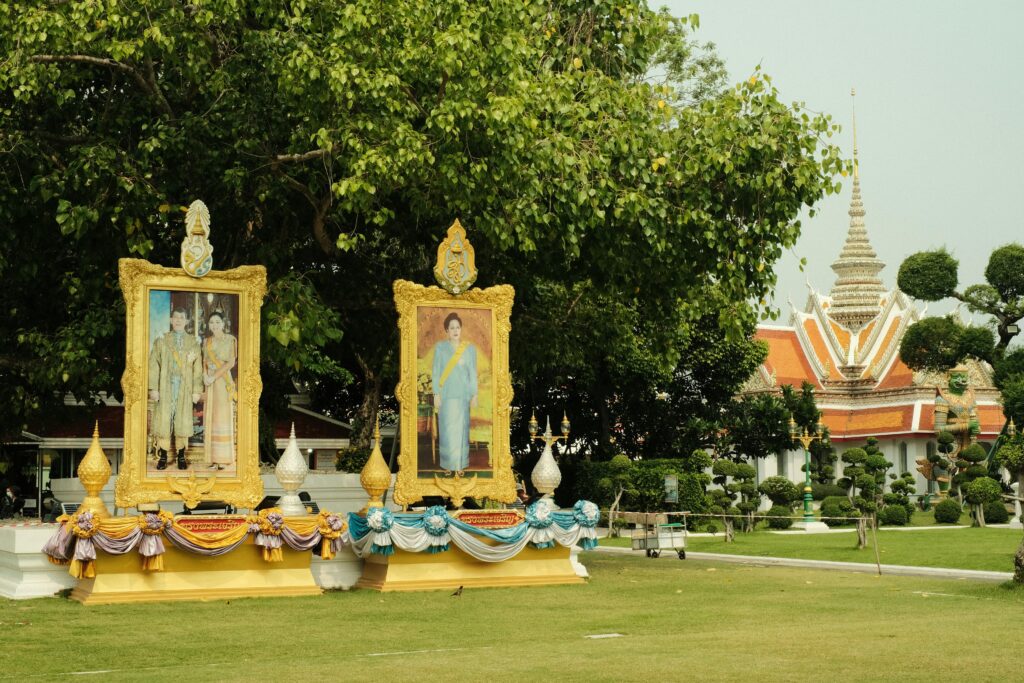
Thailand’s lèse-majesté law is probably the harshest in the world for criticizing royalty. Insulting, defaming, or threatening the royal family carries sentences up to 15 years per offense. Images of Thai royalty appear on currency, making money mishandling a criminal offense. Even stepping on fallen bills to prevent them blowing away risks imprisonment.
Cultural reverence for the monarchy predates modern democracy in Thailand. The law codifies deep-seated taboos against royal criticism. American academic Paul Chambers was arrested in 2025 for allegedly criticizing the monarchy in a post online.
The Netherlands

The Netherlands reformed its royal insult laws in 2018 but maintains criminal penalties. Previously carrying 5 year sentences, insulting the royal family now results in maximum 4 month jail terms or community service. Recent prosecutions included a man sentenced to 30 days for calling King Willem-Alexander a “murderer, thief and rapist” on Facebook. Parliament reduced penalties to match those for insulting civil servants like police officers and emergency workers. The reform maintains special protection for royalty while acknowledging that all citizens deserve equal treatment under law.
Turkey

In Turkey, criticizing the government is strictly prohibited despite having democratically elected leadership. Article 299 of the Turkish Penal Code criminalizes insulting the president, carrying sentences of 1 to 4 years imprisonment. Public insults face more severe penalties of one-sixth additional jail time.
President Erdogan’s administration actively uses the laws to persecute individuals criticizing the government. Nearly 7,000 people appeared in Turkish court in 2023 for allegedly insulting the Turkish president. According to the Turkish Minute, recent cases include a 16-year-old teenager arrested in July 2025 for social media posts criticizing Erdogan. The law also prohibits insulting “Turkishness” or state institutions, adding up to 2 years imprisonment for violating this law.
Belgium
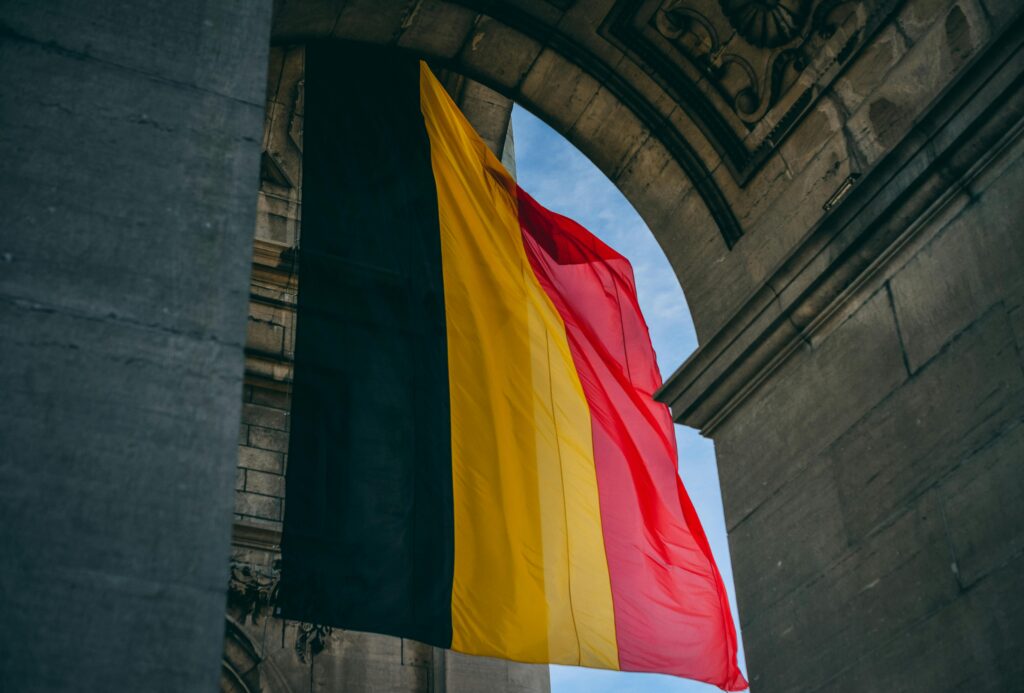
Belgium criminalizes insulting or expressing outrage toward government officials with penalties up to 6 months imprisonment or €300 fines. These laws only apply to insults made in the physical presence of officials, excluding published statements. Until 2023, criticizing the royal family carried jail sentences but now results in fines, probation, or community service. Belgium rarely enforces these laws despite valuing free speech rights. Since 2023, penalties for criticising the royal family are generally fines or community service.
Portugal

Portugal has become a highly desirable destination for retirees looking to settle into a laid-back lifestyle. However, the country keeps the president’s name in high prestige. Any insults or defamation aimed at the president of Portugal carries a prison sentence of up to 3 months. Public or media insults towards the president face criminal charges that can result in 3 years imprisonment. Portugal has not recently enforced this law but travelers should avoid expressing negative opinions about the president.
Singapore
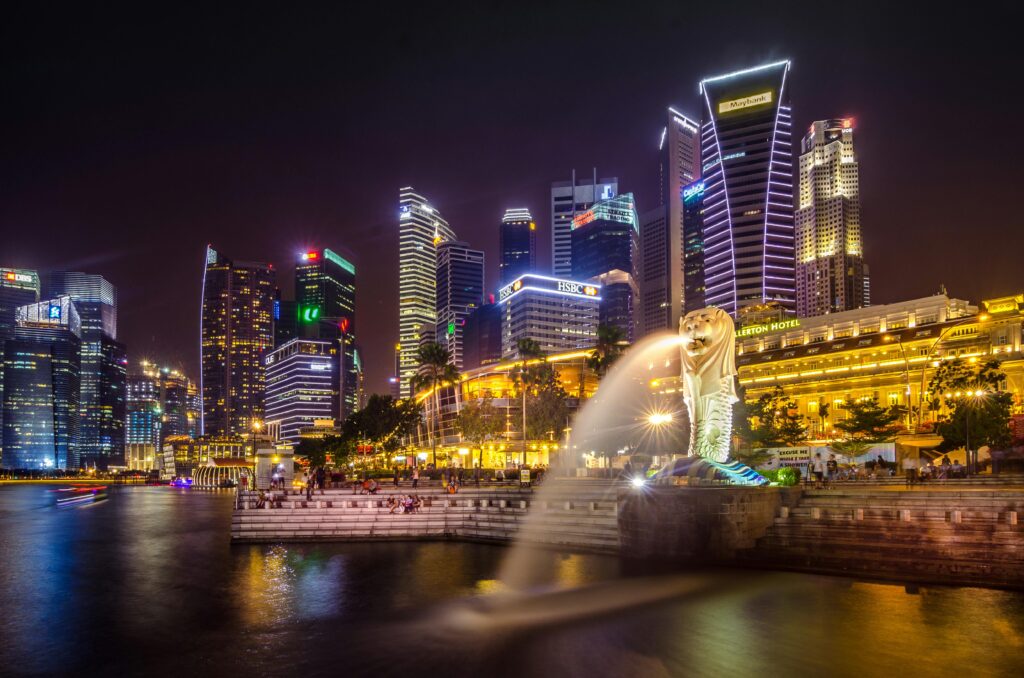
Singapore has overly broad and restrictive laws to shut down any criticisms of the government. Rights to freedom of assembly and expression are severely limited under the current governance. The Protection from Online Falsehoods and Manipulation Act (POFMA) empowers the government and officials to censor online content and intimidate independent media outlets.
The Hostile Information Campaigns provisions of the Foreign Interference (Counter-Measures) Act or FICA permits the home minister even more control and censorship of internet activity. In February FICA was invoked against Chan Man Ping Philip, a Singaporean citizen accused of showing “susceptibility” to foreign influence. They designated him as a PSP: “politically significant persons” requiring him to follow stringent limits on fundings and must disclose any and all communications with foreign parties.
Morocco

Despite its reputation as a moderate constitutional monarchy, Morocco enforces strict speech laws when it comes to the royal family. Under Article 179 of Morocco’s Penal Code, defaming or insulting the King, the royal family, or the monarchy’s symbols can result in up to five years in prison. The law has been used against Moroccan citizens and foreign nationals alike, even for acts as minor as social media comments.
In one case, a university student faced a three-year priso sentence for allegedly posting Facebook messages critical of the monarchy. The legal wording around such offenses is deliberately vague, giving authorities broad discretion to decide what counts as defamation. According to the UNHCR’s Refworld database, Morocco’s laws continue to criminalize peaceful dissent and “insults” against the king, in contravention of international free speech norms.
Malaysia

Malaysia maintains and frequently enforces its Sedition Act of 1948, a law dating back to British colonial rule. The act criminalizes any speech that may incite “hatred or contempt” against the monarchy or the government. The Sedition Act (as amended in 2006) still allows prosecution for vaguely defined offenses such as “seditious tendencies,” especially against royalty or Islam.
Legal scholars note that penalties include fines and up to three years in prison, even for first-time offenders. In 2023, prominent Malaysian citizens, including journalists and opposition politicians, were investigated or charged for social media posts deemed seditious. The International Bar Association has called the law “a tool for government repression” that stifles freedom of expression. Foreign nationals have also been cautioned about speaking critically about the Malay royal family or religion while visiting or residing in the country.
Jordan

In Jordan, Article 195 of the Penal Code makes it illegal to insult the king, queen, crown prince, or regent, a crime known as lèse-majesté. Violations can carry penalties of up to three years in prison. The law is regularly enforced against both citizens and foreigners. In 2021, the king issued a royal pardon for individuals convicted under this law, but authorities have made clear they have no plans to abolish it.
Human Rights Watch has criticized the Jordanian government for prosecuting people who simply post critical comments on Facebook or Twitter. The organization notes that even poetry and satirical remarks have been used as grounds for prosecution under Article 195. While some court decisions, like a recent appeal overturning a woman’s conviction, signal judicial pushback, the law remains in force and continues to be used as a political tool.
Why Certain Governments Outlaw Political Dissent
Governments see these laws as crucial to the protection of national unity. It stands as the primary reason behind criminalizing any criticisms of heads of states or monarchs. Countries claim that harsh criticism could destabilize governments and threaten social harmony. Preserving the dignity of high office provides another justification, especially in monarchies where rulers symbolize national identity. Some nations view insults against its leaders as attacks on the state itself.
Countries also argue they need to prevent abuse of free speech rights. Officials claim malicious lies and obscene insults can mislead citizens and damage reputations. Young republics and constitutional monarchies often feel particularly vulnerable to criticism that could undermine their legitimacy.
Conclusion

Government criticism laws exist across diverse political systems globally. Both authoritarian states and established democracies restrict speech to protect leaders and institutions. These laws reflect varying cultural values about authority, dignity, and national unity versus individual expression rights.
Read More: 20+ Of The Most Dangerous Countries for US Tourists