
As a consumer, one is always searching for better, healthier alternatives to cosmetic procedures, which are often invasive and dangerous. We’ve seen it everywhere – ‘go green,’ ‘natural over chemicals,’ but where do you even begin when the minute you scroll on social media, all you spot are ads for the latest beauty fads and how you can somehow look 10 years younger by ‘changing just this one thing.’ This is where a proven plant-based remedy steps in. Has science has brought us the answer to fine lines and wrinkles? Possibly, and it comes in the form of clove gel, a substance that show promising botox-like effects on the skin.
What is Clove Gel?

Clove gel, derived from clove oil, comes from the dried flower buds of the Syzygium aromaticum tree. The bioactive component that has captured attention is eugenol, a compound that is known for possessing antioxidant, anti-inflammatory, and antimicrobial properties. In its gel form, the clove oil can safely be combined with a skin-safe base, which allows for a safe topical application. This allows the potent compounds to effectively interact with the skin.
Scientific Evidence Supporting Clove Gel
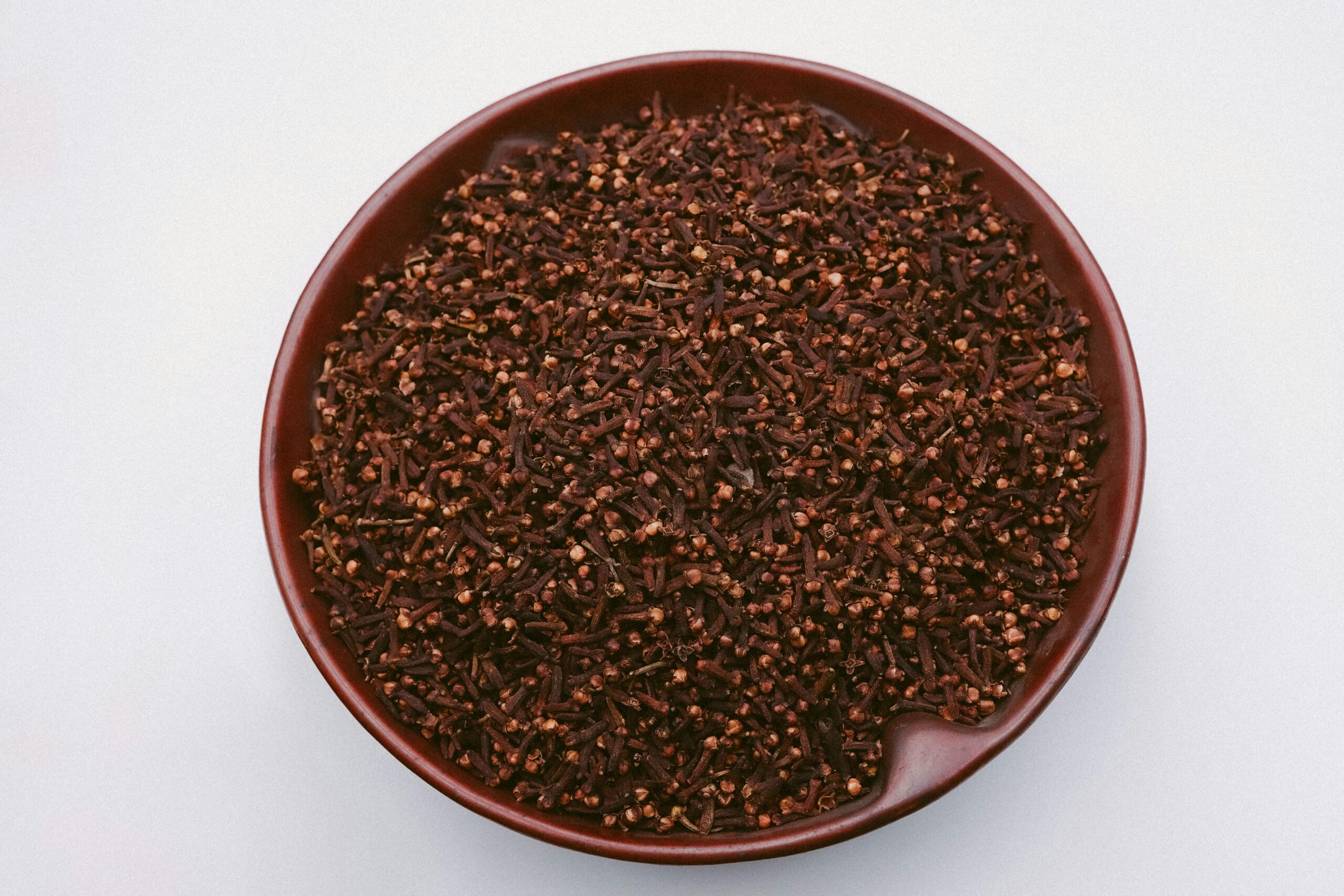
There have been multiple studies done by clinics and laboratories that took an interest in clove gel and how it interacts with our skin. Eugenol, the powerful compound in cloves, has been proven to reduce the effects of free radicals. As we’ve learnt, these unstable molecules have been proven to break down the skin’s collagen and elastin. By preventing the effects of free radicals, clove gel may help to preserve our skin’s structural integrity.
It has also been shown that clove extract actually helps aid in the regeneration of collagen. Not only can it aid in repair, but it also assists in the skin’s rehydration and smooths the appearance of the skin. In a period of 2-4 weeks, major improvements were seen in those who applied clove gel topically daily. This suggests that clove gel may safely be considered a potential step in one’s long-term skincare routine.
How Clove Gel Compares to Botox

Botox is typically injected into targeted muscles in the face in order to inhibit contractions. When applied correctly, it is suggested that this will smooth out wrinkles, especially around the forehead and eyes. These applications are not permanent and need follow-ups to maintain their desired effect. The difference with clove gel is that it doesn’t target muscles, but more specifically, the skin’s regeneration process itself.
One should not expect immediate results with the gel application, but consistent use may aid in collagen formation. This will help improve elasticity and reduce fine lines over time. By choosing to use this non-invasive approach, you are well on your journey to the ultimate goal – natural skincare. After all, who doesn’t enjoy knowing that the products applied to their face are less invasive and typically safer?
Safe Application of Clove Gel

If used incorrectly, clove oil may become an irritant to the skin and needs to be applied properly. This is where clove gel steps in, usually blended with soothing ingredients such as aloe vera, hyaluronic acid, or glycerin. These additives become barriers that only allow enough of the eugenol to come in contact with the skin. They additionally provide moisturization. For effective results, clove gel should be applied twice daily to clean skin. To further aid your skin, a good amount of sunscreen should also be applie,d as this helps prevent photoaging.
Bakuchiol: A Natural Retinol Alternative

Bakuchiol, the compound extracted from the Psoralea corylifolia plant, offers a promising replacement for retinol. Some synthetic retinoids are documented to irritate sensitive skin, whereas bakuchiol has been shown to improve the appearance of the skin tone and reduce wrinkles over a period of 12 weeks. The gentle nature of this compound allows those with sensitive skin to reap the same benefits as retinol without the irritation.
Green Tea Polyphenols and Skin Protection

Green tea contains a compound known as epigallocatechin gallate (EGCG). This polyphenol possesses powerful antioxidant effects. Topically applying green tea extract has been linked to improved moisture retention of the skin, reduced inflammation, and a drop in oxidative stressors. Using creams or serums that contain green tea extract may support skin health at a cellular level. Shown to effectively reduce damage from external factors.
Rosehip Oil for Skin Regeneration

Rosehip oil is known to contain essential fatty acids, vitamin C, and vitamin A. These nutrients pack a powerful punch and are vital for proper collagen renewal and the proper cellular turnover rate. It has been found that rosehip oil aids in reducing fine lines and wrinkle depth, improving the skin’s elasticity in as little as 8 weeks of regular application.
Aloe Vera for Skin Repair

Aloe Vera contains powerful enzymes, vitamins and minerals, and polysaccharides, which all contribute towards the skin’s healing and hydrating process. When making use of aloe vera regularly, studies have shown that it stimulates fibroblast activity, which is vital for proper collagen synthesis. When applied regularly, its topical use has been shown to reduce fine lines and increase smoothness on the skin.
Turmeric for Even Skin Tone

The powerful compound found in Turmeric, curcumin, is well documented for its antioxidant and anti-inflammatory effects. When correctly applied to the skin, it shows a significant reduction in irritation, redness, and hyperpigmentation. Special formulas that contain turmeric extract are often aimed at the improvement of one’s complexion and may additionally help brighten the skin, giving a warmer complexion and supporting the skin’s clarity.
Vitamin C for Brightening and Firmness

Vitamin C has been marketed as an essential in skincare for quite some time. The reason is that it has been proven to protect against UV damage, improve collagen production, and reduce darker spots on the skin. L-ascorbic acid is a stabilized form of vitamin C that is skin-safe. You will find it in many serums and creams, which should aid in the improvement of your skin tone and the general firmness.
Licorice Root for Hyperpigmentation
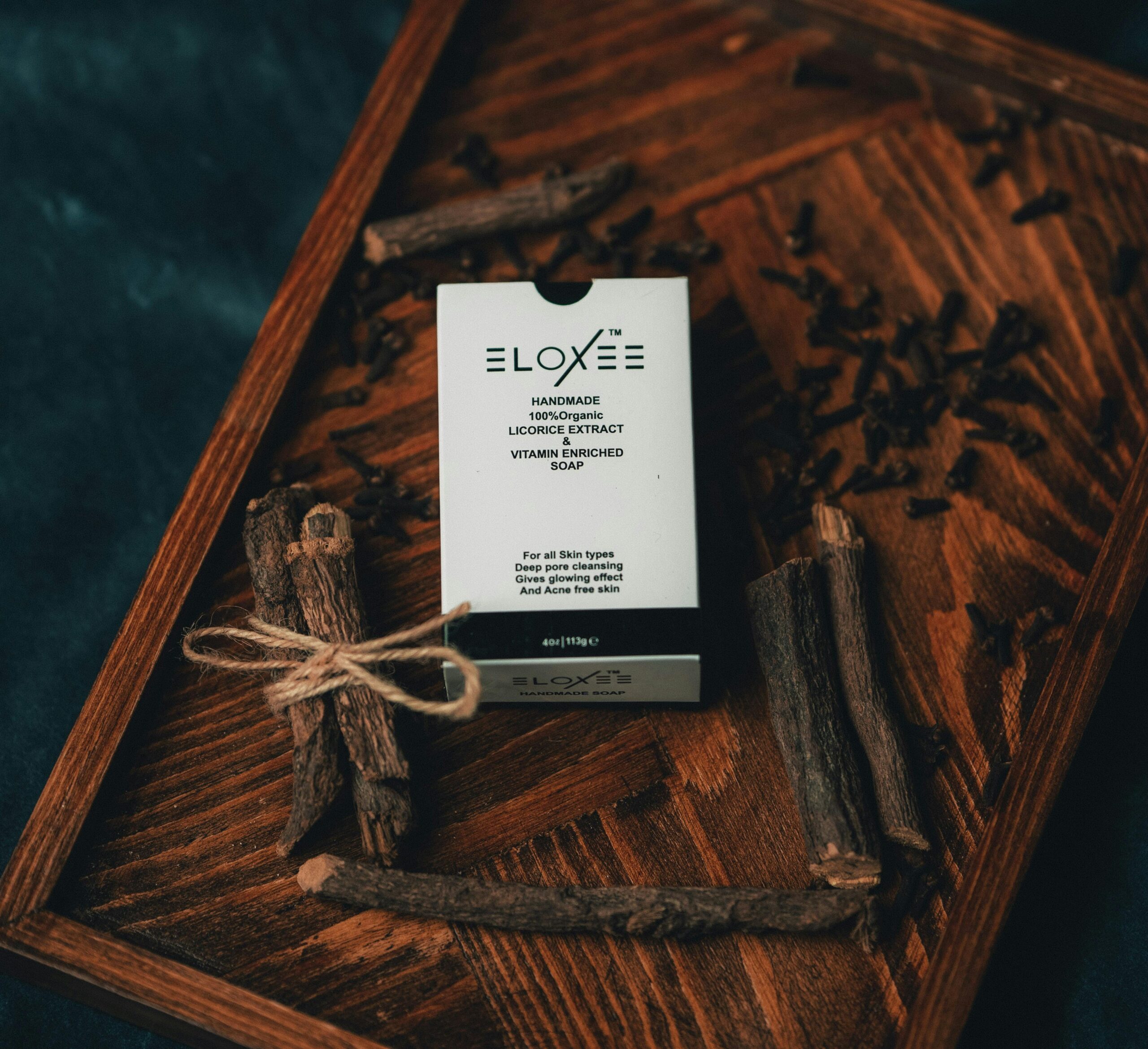
You will find a compound in Licorice root known as glabridin. This extract is shown to inhibit melanin production, which will in turn help reduce pigmentation caused by harmful UV rays, sun exposure, and hormonal changes. With regular use, you can expect to see a more even complexion and a reduction in darker patches. It is important to be aware that legume sensitivities may present here, and you should first do a spot test to ensure no irritation occurs.
The Role of Your Diet and Hydration

There is no point in slathering your face in an array of beauty products if you aren’t treating the issue internally. Your body needs nourishment to work properly and requires a balanced diet to function. Foods that are high in antioxidants are vital, such as leafy greens, seeds, and berries, which all aid in reducing oxidative stress on the skin and body. Additionally, foods rich in Omega-3 fatty acids help support the skin barrier function, which will help improve hydration. Drinking the recommended amount of water daily ensures proper cell function and flushes toxins. This will improve the skin’s natural plumpness.
Choosing Quality Natural Products
When you are selecting products that will become part of your beauty routine, it is important to know what to look for. Third-party testing, transparent labeling, and evidence-based ingredients should all be deciding factors. Products should also be free of synthetic fragrances, alcohols, and parabens, which can all irritate the skin. Products should also be properly packaged and have clear storage and application instructions to ensure the effectiveness of these antioxidant-rich formulations.
The Potential of Clove Gel
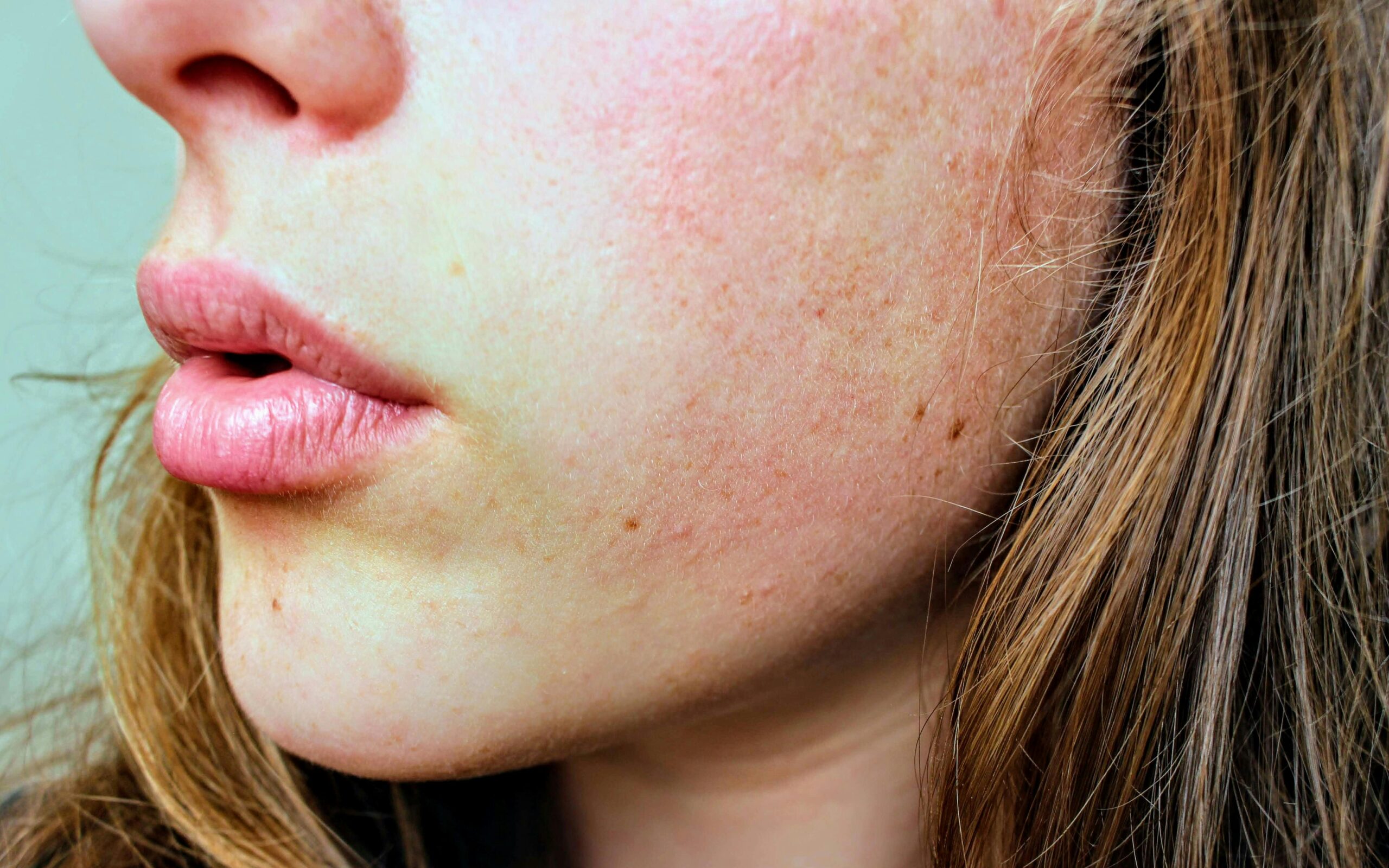
Emerging as a favored ingredient in skincare applications, clove gel, alongside complementary ingredients like peptides, niacinamide, and ceramides, can offer a broad spectrum of benefits to your skin. Its antioxidant, collagen-supporting, and anti-inflammatory effects make for a very promising alternative to cosmetic treatments. When used according to guidelines and combined with a nutrient-rich diet, it may help to reduce the signs of aging. Not just in a safer manner, but a more affordable, available option for many.
Disclaimer: This article was created with AI assistance and edited by a human for accuracy and clarity.
Read More: The Ultimate Guide to Cloves: Benefits, Uses, and How They Work