
A TikTok creator sparked a pretty big debate after she called over 40 churches, one being Dream City Church, a large Arizona megachurch linked to Charlie Kirk, to find out if they would help a starving baby. She filmed the moment and put it online, which pushed a lot of people to question how churches handle emergencies.
The creator, Nikalie Monroe, is an Army veteran from Kentucky, and she said she wanted to see if a desperate mother who had no money could get help fast. Because the church has a history of being tied to conservative voices such as Charlie Kirk, the video spread fast and people started arguing about what charity should look like.
Dream City Church and the Arizona Call
Dream City Church sits in Phoenix and it is well known for having links to conservative politics. Many people talk about Charlie Kirk when they talk about the church, even though he is not actually running it. When Monroe called the church, she said her baby had not eaten since last night. She asked if someone had even a single can of formula she could get.
Instead of someone answering with help, the call landed in a voicemail. Monroe shared the reaction with her followers and they were confused because the church often posts online about helping families. That mismatch between the message and the response bothered people.
Some people said the conservative leaning nature of the church made the story even louder. Some viewers thought the church should have jumped in right away. Others said the method was unfair since she was not really in crisis.
Still, the whole moment raised the question that Monroe wanted people to think about, which is how should a church respond when the need sounds urgent.
Image credit: Wikimedia
How the Social Experiment Even Started
Monroe has said she tried this experiment because she kept hearing about parents who could not buy formula. She describes herself as someone who works with people who struggle with addiction, and she was curious about what support systems look like. She talked calmly on the phone but also played a sound of a crying baby to show urgency.
Monroe told churches that food banks were empty and that she had nowhere else to go. After each call she posted the recording to TikTok. In a very short stretch of time, the videos got a huge number of views.
The more she posted, the more people wanted to know how churches connected with conservative figures like Charlie Kirk might react. The calls became their own storyline, with people watching to see which church said yes and which one did not offer much help.
What Churches Across the Country Said
As she made more calls, the replies from churches turned out very mixed. Only nine places offered help right away. A mosque, a Buddhist temple and some small local churches gave her support. One pastor even said he would drive to get the formula for her which surprised viewers.
Most churches she contacted said no or redirected her to other groups. Quite a few places told her she had to be a member before they could give her help. One church wanted her to fill out an application that could take a while. Others said they did not have a food ministry at all.
Bigger churches that people think of as conservative-friendly received tough criticism in the comments. People expected that if any church had the money to help, it would be these big ones.
But even churches with large budgets often have strict rules. Many have verification steps or small staff teams, and that slows things down. Monroe said she understood rules, but she also asked why a hungry baby would have to wait.
A Closer Look at How Churches Build Their Outreach Systems
A part of this conversation that many people forget is how churches actually build outreach programs in the first place. Some churches have large volunteer departments and written guidelines that exist to protect the church and make sure donations are used correctly. Others operate in a more relaxed way and rely heavily on trust and personal relationships. Both approaches come with strong points and also challenges.
Bigger churches sometimes track every donation and every person helped so they can report to donors. They might have insurance rules or accounting rules that require receipts. Sometimes volunteers are not allowed to give anything without approval from leaders. That slows emergencies down, even if volunteers want to help quickly.

Image credit: Shutterstock
Small churches do not always need that level of structure. A tiny congregation may know everyone in town and can make decisions fast. They might only help a few families a month, so their process is simple. This all helps explain why responses differed so much across Monroe’s calls.
Understanding these differences does not excuse slow reactions, but it shows how complicated some systems are behind the scenes. A volunteer might honestly freeze during a call because they worry about breaking rules. Monroe’s videos reveal that human side too, even if viewers do not always see it.
Why the Arizona Church Got Big Attention
Dream City Church ended up being the call that stood out. The church often says it supports hungry families and the homeless. They have large events and talk about community care often. So people expected a faster response.
@nikalie.monroe Dream city Church Phoenix AZ would not help feed a starving baby. #fyp #fypシ #fypシ゚viral #testingyourchurch #church #faith #religion #baby #hungrybabytest #viral #trending #tiktok #capcut #duet #nikaliemonroe #testingyourfaith #community #testingyourheart #churchtiktok #viralvideo #charliekirk #dreamcitychurchphoenix
But the voicemail hit people in a different way, especially since the church sometimes appears at the same events as conservative leaders and groups. The public tends to link the church to Charlie Kirk, and so expectations get higher.
The moment made people ask if the church image matches how things work day to day. While procedures protect resources and prevent scams, Monroe’s experiment showed that urgent help can get lost in the system.
How Political Identity Influences Public Expectations
Politics shaped a lot of the reaction to the experiment. Churches associated with conservative activists like Charlie Kirk often carry a heavier public reputation. People assume these churches have big outreach budgets and plenty of volunteers. They expect that strong political voices would pair with strong community-care efforts.
On the other side, churches with progressive reputations face their own expectations. People think they will always help without hesitation. Every church, no matter its position, deals with a public image that influences how its decisions are judged.
Dream City Church became more than a church in this conversation. It became a symbol. The political associations increased pressure and turned a single phone call into a national debate.
Formula Scarcity and Why the Topic Hits So Hard
A lot of people reacted emotionally to Monroe’s calls because of the formula shortage in 2022. That crisis scared many families. Shelves went empty and parents drove hours to search for formula. Babies cannot eat anything else. There is no replacement food for an infant.

Because of that memory, Monroe’s experiment tapped into real fear. When she said she could not find formula at food pantries, many viewers pictured those shortages immediately. The idea of a hungry baby is powerful, and people understand how desperate that situation can feel. This made viewers pay closer attention to whether churches responded quickly.
When Monroe uploaded the clips, her TikTok page started growing fast. Many people wanted to follow each new call. Some praised the churches that answered kindly. Some disliked the experiment and said it painted churches unfairly.
A few pastors reacted strongly and said Monroe was wrong. One even called the act low and evil, which sparked more conversations.
Monroe said she never wanted to destroy anyone. Her goal was to show how churches respond when someone sounds desperate. The videos quickly moved beyond TikTok and into political discussions that often include names like Charlie Kirk.
How Social Experiments Shape Public Behavior
This experiment fits the trend of online creators using social tests to highlight social issues. Some experiments look at homelessness or racial bias. Others test customer service or healthcare responses. Monroe’s experiment touched religion, poverty and politics all at once, which made it even more intense.
Social experiments can feel uncomfortable, but they can push change. After Monroe’s videos spread, some pastors posted responses. A few even said they would rethink their emergency procedures.
It is possible that Monroe’s project will lead to better systems in some churches. Even the criticism opened up conversations that churches did not expect to have.
Churches and the Safety Net That Already Struggles
The experiment happened at a time when many families in the United States are dealing with poverty and rising food costs. Millions live below the poverty line. Over 42 million rely on SNAP benefits to help buy food. When benefits slow down or run out, families turn to churches and local charities.
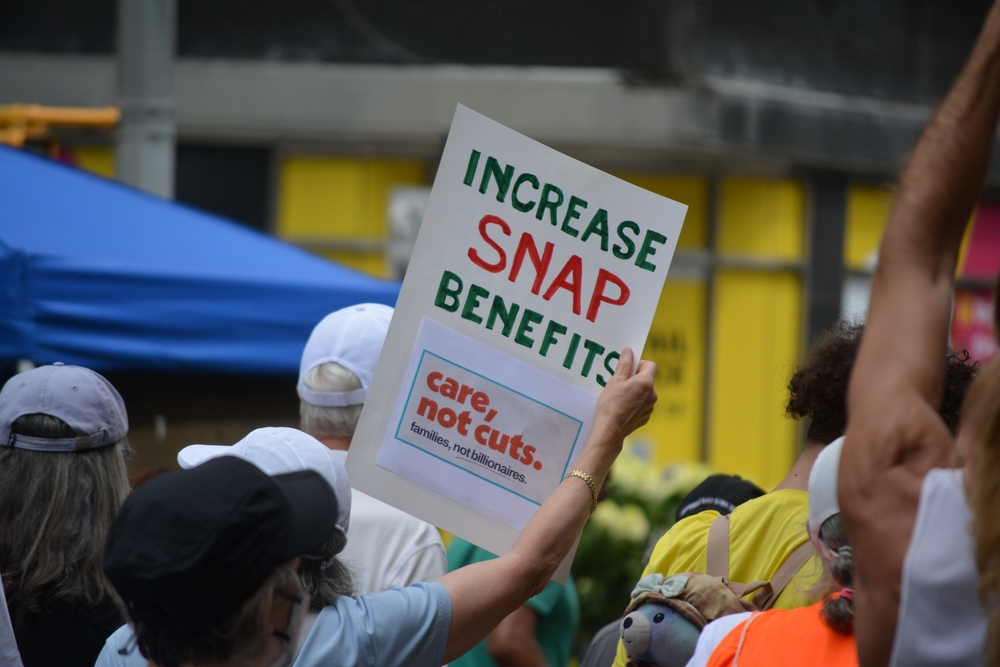
If churches hesitate or cannot help fast enough, then people fall through gaps. Monroe’s calls made many people realize how fragile the system can be.
What Churches Might Improve After This
Many people pointed out ways churches could change things for the better. Some ideas include having a simple phone script for emergency calls. This would help volunteers know what to say.
Others suggested churches keep a small fund for urgent items like formula. It would not cost much but would make a huge difference.
Another idea was better communication. If a church partners with food banks, volunteers should mention that quickly rather than leaving callers confused. Verification protects resources, but compassion helps families survive in the moment. Churches might find a balance between the two.
What Communities Expect Compared to How Churches Work
People often think churches should respond with kindness first. Churches promise compassion in their mission statements. But many ministries rely on small volunteer teams and complicated rules.
Monroe’s experiment exposed that gap. Smaller churches sometimes answered faster because they have fewer layers. Large institutions can get slowed down by administrative steps.
Read More: High‑Schooler Wins Right to Paint Christian Design on Senior Parking Spot
How Other Countries Handle Emergency Aid
Looking at other countries can help explain why Monroe’s experiment touched a nerve. In many countries, emergency food help comes from government agencies. A parent might call a public hotline and get assistance the same day.

Image credit: Shutterstock
In the United States, the safety net is more scattered. Churches, nonprofits, and community groups handle many emergency needs. That means the quality and speed of help depends on where someone lives and which organisation they call.
Monroe’s videos highlighted this unevenness. Some churches responded perfectly while others struggled. The system works for some and fails for others, which is why people felt so strongly about her results.
Looking Forward
The experiment Monroe ran started conversations that are still going on. People discussed how long churches should take to help someone in crisis. Some asked if paperwork makes sense during urgent cases. Others wondered if politics influences how churches are judged.
Her calls will eventually fade from social media, but the questions will stay. What should a church do when a caller says her baby is starving? How fast is fast enough? What does compassion look like? These are questions communities must deal with.
Final Thoughts
The call to Dream City Church became a moment that people kept coming back to. A voicemail did not match the church’s public image for many viewers. But Monroe’s wider experiment showed the issue is more complex. Some churches helped immediately, while others followed slow procedures.
Her series encouraged many people, including those in churches tied to public figures like Charlie Kirk, to think about how they respond in the first few minutes of a crisis. The experiment itself was simple, but the reaction proved how important those moments can be. When someone asks for help feeding a baby, time counts.
Read More: Internet Reacts to Musk-Trump Reunion at Emotional Charlie Kirk Memorial