
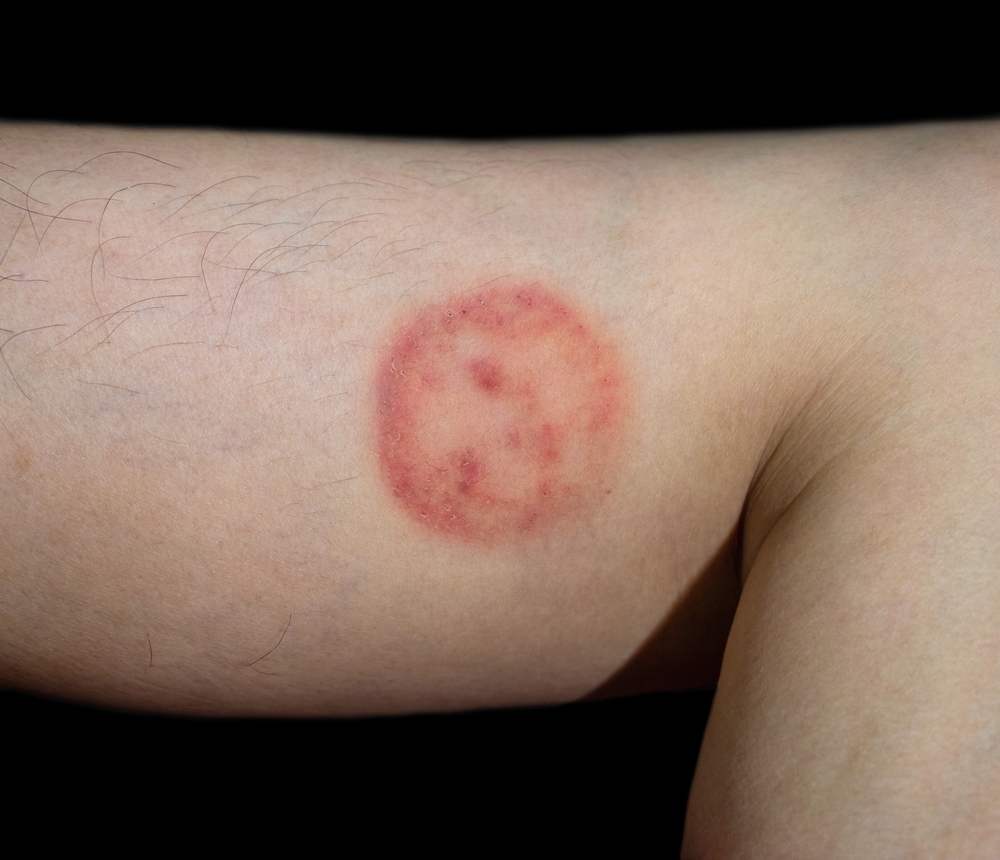
Ringworm is a common fungal skin infection that spreads easily and often looks like a thin red circle on the skin. Despite the name, there are no worms involved. The condition comes from dermatophyte fungi that live on skin, hair, and nails, and it can pass between people, animals, and shared items. While ringworm is usually mild, untreated infections can linger and spread to new body sites or household members. The good news is that most skin infections respond well to over-the-counter antifungal creams and simple hygiene steps. However, scalp, nail, or widespread infections need prescription care. Understanding how ringworm starts, how it travels, and how to treat it at home helps you clear it sooner and avoid passing it on.
What Is Ringworm and How Does it Spread?
Ringworm, also called tinea, is a superficial fungal infection that feeds on keratin in the outer layers of skin, hair, and nails. The most common culprits are species of Trichophyton, Microsporum, and Epidermophyton. These fungi thrive in warm and moist environments and can live on skin surfaces and objects like towels and combs. People catch ringworm through close skin contact, by touching contaminated items, or through contact with infected animals. Pets can be silent carriers, so fur loss in a cat or dog warrants attention. Because the infection stays on the surface, healthy immune systems usually contain it, yet spread within households is frequent without treatment and cleaning.
On the body, it favors exposed or sweaty areas. On the feet, it can show up between the toes after hours in tight shoes. On the scalp, it spreads in schools and sports. Understanding these pathways helps you cut transmission while you treat the rash. Incubation usually spans a few days to two weeks. People remain contagious until treatment has begun for 48 hours. Fungal spores may survive on surfaces for weeks, especially in humid rooms. Crowded housing and shared sports gear increase the spread. Consistent cleaning and early treatment reduce household outbreaks. Remind children not to share hats.
How Ringworm Looks on Different Parts of the Body

Body ringworm often starts as a small scaly patch that slowly expands outward, leaving clearer skin in the center and a more active border at the edge. Edges can look slightly raised or scaly, and the patch can itch or sting. On darker skin tones, the border may look brown or gray, while on lighter skin it may look pink or red. The face, trunk, and limbs can be involved, and the pattern can be less circular in some cases. Scalp ringworm in children may cause flaky patches, tenderness, or hair loss in irregular shapes. Beard area infection can cause swelling or crusting with hairs that break easily. Foot infections can crack the skin and lead to itching and soreness between the toes.
Nails can become thick and brittle if the infection reaches the nail unit. Doctors confirm uncertain cases by scraping a little scale from the edge and examining it under a microscope or sending it for culture. Groin involvement causes itchy, red scaling along the inner thighs and folds. On the scalp, tiny black dot hairs can mark broken follicles. A tender boggy swelling called a kerion needs prompt care to prevent scarring. Some Microsporum infections fluoresce green with a Wood lamp, though many do not. Facial involvement may lack rings and mimic eczema.
When to Treat Yourself or be Treated by a Clinician
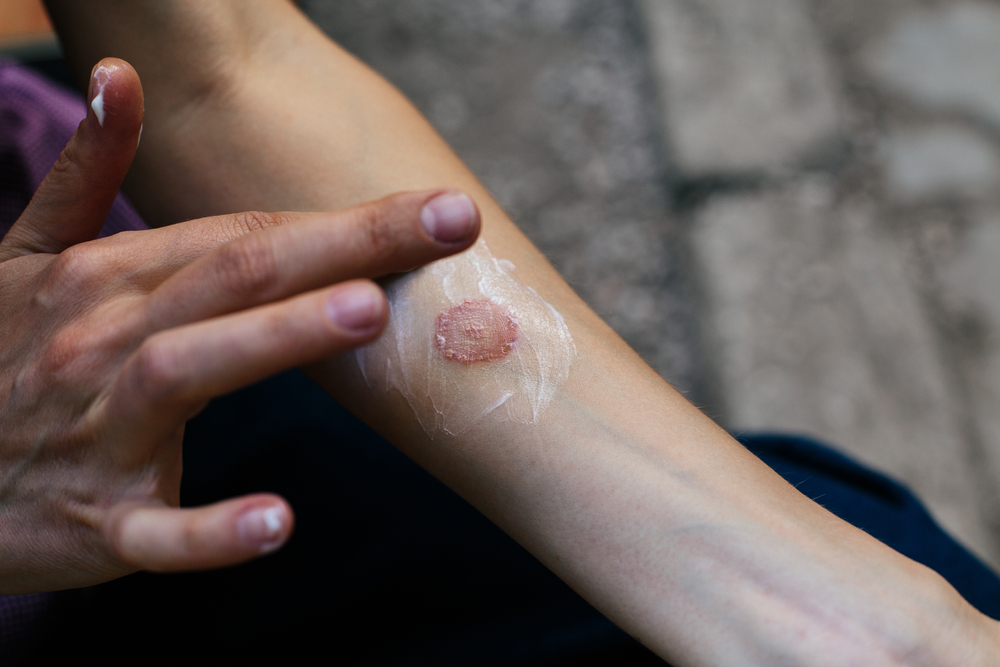
Uncomplicated body or foot ringworm usually responds to non-prescription antifungal creams, gels, or sprays. Many people can start with an over-the-counter imidazole or terbinafine product and expect improvement within a couple of weeks. However, you should seek medical care if the rash is on the scalp, in the beard area, or in the nails because those sites need prescription therapy. You should also get care if the area is extensive, unusually painful, oozing, or not improving after two to three weeks of correct use. People with diabetes, poor circulation, or weakened immunity should involve a clinician early.
Infants and young children who develop scalp patches need prompt evaluation to prevent scarring or long-term hair loss. A doctor can decide whether to use oral medicines, check for bacterial infection, or look for mimics like eczema or psoriasis. Clear guidance on location, size, and response helps you avoid delays. Also seek care if lesions involve the face or genitals, because scarring risk and diagnostic overlap are higher. Recurrent infections deserve a check for athlete’s foot or nail sources. Pregnant people should confirm product safety before starting treatment. Athletes in contact sports need clearance to prevent team spread. Pharmacists can advise on product choice and correct application steps.
Simple At-Home Treatment
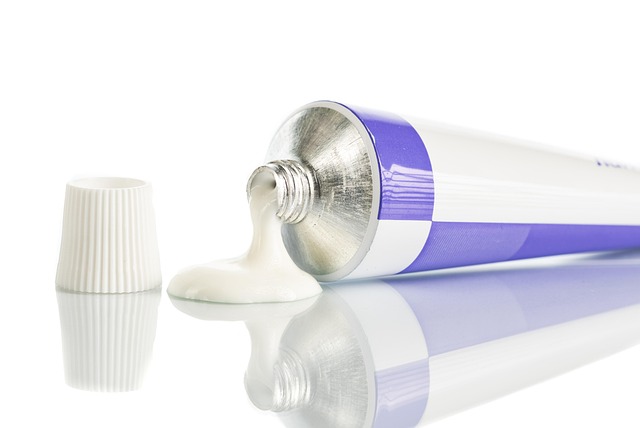
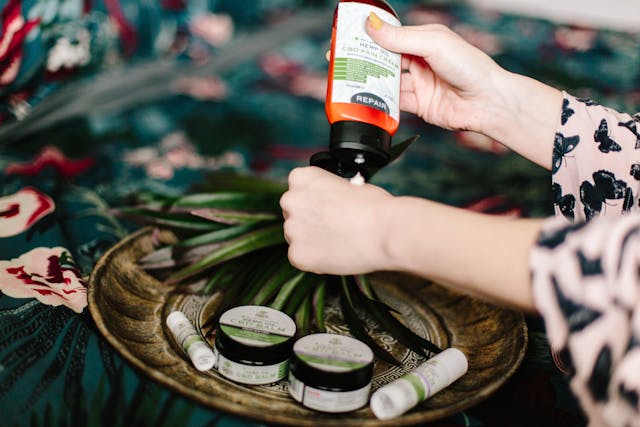
Clean the skin gently and dry it well before applying medicine. Apply a thin layer of the antifungal a little beyond the visible border, because fungi extend into nearby normal-looking skin. Most labels advise treatment once or twice daily. Keep going for the full course and continue for one to two weeks after the rash looks clear, so that microscopic fungi do not remain. Change into dry clothes after workouts and switch out damp socks or underwear once they feel moist. Wash your hands after touching the rash and avoid sharing towels, hats, combs, or razors while treating. Shower sandals help in shared spaces.
Do not use topical steroids for an itchy circular rash without medical advice because they can mask and spread the infection. If itching remains bothersome, cool compresses and loose cotton clothing help with comfort while the antifungal works. These steps shorten the course and cut down on the spread. Trim nails short to reduce scratching and contamination between sites. Use a separate towel for the affected area and launder it hot. Let the shoes dry completely and consider using antifungal powder inside. Choose breathable fabrics that wick sweat and reduce moisture. Clean grooming tools after each use to avoid re-seeding skin. Treat athlete’s foot at the same time to prevent reinfection.
Over-the-Counter Options
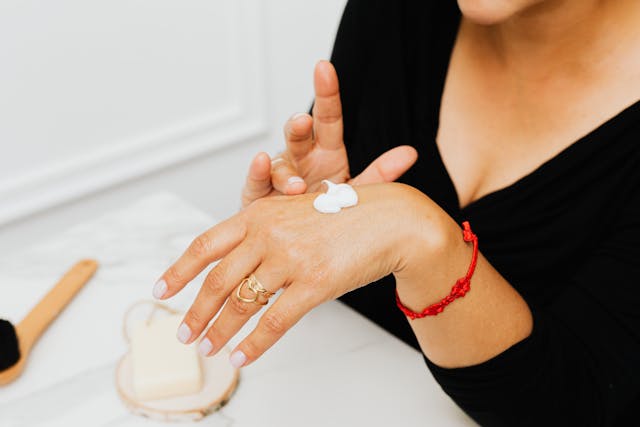
Several non-prescription products have strong evidence for skin ringworm on the body or feet. Terbinafine 1 percent and certain imidazole creams can be effective when used as directed. You may notice less itch within a few days, but the border often fades more slowly. Stopping early invites relapse. If you are treating athlete’s foot and a body patch at the same time, you reduce self-reinfection between sites. Many scalp infections do not respond to creams alone because fungi invade hair shafts, so tablets and antifungal shampoos become necessary.
Nail infections also require prescription therapy because creams cannot reach the fungus under the nail. If the rash is still active after two to three weeks of correct use, or if new patches appear, contact a clinician to consider oral medicines or confirm the diagnosis. Good adherence is a major predictor of success with home care. Expect mild stinging on irritated skin during the first applications. Terbinafine often clears faster than azole creams for body ringworm. Azoles remain useful when applied consistently for the full course. Sprays can reach toe webs, while creams suit dry plaques. Avoid mixing with steroid creams unless a clinician advises it. Check labels for age limits and pregnancy precautions.
Cleaning, Laundry, and Pets

While you treat the skin, reduce fungus in the environment to prevent a cycle of reinfection. Wash clothing, pajamas, socks, underwear, and towels in hot water when possible, and dry them fully. Change bed linens regularly during the first weeks of treatment. Keep shared surfaces clean and dry, including gym mats and shower floors. Do not share personal items that touch hair or skin, including brushes, hats, helmets, shin guards, or razors. If a pet shows patchy hair loss or scaling, arrange a veterinary exam, since animals can carry dermatophytes that spread to people. After handling pets, wash your hands and avoid close skin contact with affected areas until they are cleared by a vet.
These routines help protect family members while you heal and reduce the chance of lingering spores in the home. Aim to vacuum your carpets and upholstered furniture regularly, since spores settle there. Dispose of vacuum bags promptly or empty canisters outdoors to reduce the spread. Make sure to disinfect hard floors and sinks with a diluted bleach solution. It also helps to clean any hairbrushes and combs with hot soapy water, then disinfect. Keep pet bedding separate and wash it hot. Additionally, replace old grooming tools if they are difficult to clean.
Special Situations
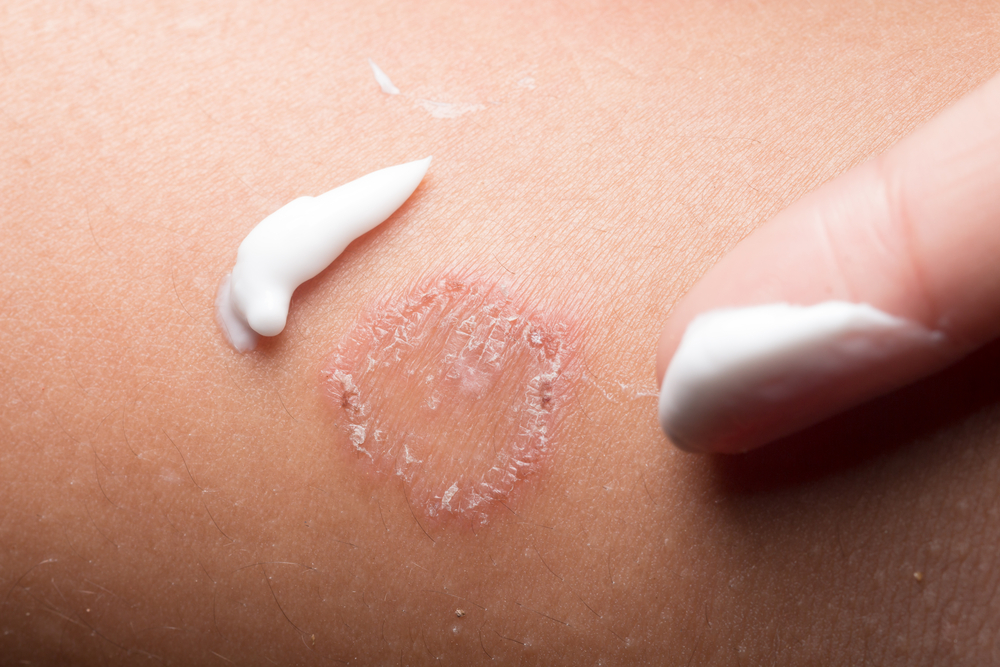
Scalp ringworm in children usually needs oral antifungal medicine for several weeks, with antifungal shampoo used as an extra measure to limit spread. Wrestlers and contact athletes should cover or rest from active infections until cleared to prevent outbreaks on teams. People with weakened immunity can develop more widespread disease and should be assessed early. In recent years, clinicians have reported strains that resist typical topical agents and need oral medicines for longer periods. Some genital and highly inflammatory cases have been linked to particular species, and sexual transmission has been described.
Doctors manage these cases with careful diagnosis and appropriate oral medication. Paying attention to these scenarios helps you choose a safe plan and avoid frustration with treatments that cannot work on their own. Household screening helps with scalp cases, especially among young children. Clinicians often advise antifungal shampoo for close contacts twice weekly. Avoid sharing pillows, hats, hair tools, and helmets during treatment. Coaches should receive notice so that return-to-play follows medical clearance. For stubborn disease, labs can test species and drug susceptibility. This supports effective oral choices and limits community spread.
Read More: 11 Reasons Why You Have Red Dots On Your Skin
Getting the Diagnosis Right
Many rashes can mimic ringworm, including eczema, psoriasis, and pityriasis rosea. Steroid creams can briefly reduce redness and itch, but allow fungi to spread under the surface, which leads to an atypical pattern that is harder to recognize. Dermatologists call this situation tinea incognito. When the appearance is unclear, clinicians can take a scale from the border and look for fungal elements with potassium hydroxide preparation. They can also send scrapings for culture or use dermoscopy to review the edge more closely. These steps are quick in clinic settings and help prevent weeks of guessing. If you try a consistent course of an over-the-counter antifungal and the rash does not improve, ask for testing.
You may have a different diagnosis, a deeper variant that needs oral medicine, or a resistant organism that requires a tailored plan. Photographs can help a clinician track change over time. Avoid starting antifungals the day before an appointment, since early use can blur findings. Mention current creams and any recent travel during the visit. If itching worsens with steroid mixes, stop them and seek review. Clear documentation helps to prevent repeated ineffective treatments.
How to Prevent Future Infections
Because fungi favor moisture, good skin care and airing out gear help a lot. Dry between the toes after bathing and change socks when they feel damp. Choose breathable footwear and rotate pairs to allow full drying. Keep hair tools clean, and avoid sharing them. In gyms and pools, wear sandals and clean equipment that touches skin after use. Families should check other members for patches if someone has a new diagnosis. Schools and teams benefit from early reporting and temporary coverage of active lesions until treatment controls spread.
Pets that were part of the first episode should be checked again if people develop new patches. These habits, while simple, give your treatment a better chance of full success and reduce the risk of passing the infection along. Store sports gear in a dry, ventilated space between practices. Wipe helmets and pads after each use. Remind children to report itchy spots early, since quick treatment limits spread. Barbers and salons should disinfect tools between clients. Community education in schools and gyms reduces stigma and encourages faster care overall.
The Bottom Line
Most body and foot ringworm clears with steady use of non-prescription antifungal creams plus consistent hygiene. Expect gradual improvement during the first week and clearer borders by the second week. Continue the cream for the full course and a little longer after visible clearing. Seek care early for scalp, beard, or nail involvement, for very widespread rashes, or for infections that do not respond on schedule. Clinicians can confirm the diagnosis and prescribe tablets when needed. If you learn that a contact sport teammate or pet has ringworm, step up cleaning and treat promptly to avoid a lingering cycle.
Applying the right product to the right site, while keeping skin clean and dry, gives the best odds of success at home. If symptoms worsen, stop new products and seek medical advice promptly. People with diabetes or circulation problems should involve clinicians sooner to avoid complications. Cover active patches during sports until treatment has clearly worked. Finally, mark a calendar to support daily applications, since missed doses prolong recovery and increase the chance of passing the infection.
Disclaimer: This information is not intended to be a substitute for professional medical advice, diagnosis or treatment and is for information only. Always seek the advice of your physician or another qualified health provider with any questions about your medical condition and/or current medication. Do not disregard professional medical advice or delay seeking advice or treatment because of something you have read here.
AI Disclaimer: This article was created with AI assistance and edited by a human for accuracy and clarity.
Read More: What Is Tinea Manuum? (Causes, Treatment, and More)