
The word on wellness and nutrition these days seems to be dominated by influencers, often where “superfoods” and “miracle diets” are being pushed out by companies or unqualified influencers dominate our social media feeds. The most profound medical advice, however, doesn’t come from a marketing department, but from the front lines of clinical medicine. Dr. Francesco Lo Monaco, a renowned cardiologist based in London, recently gained international attention for sharing a personal and professional manifesto. This manifesto was based on the specific three things he never eats or drinks, for the health of his heart.
Cardiologist Explains 3 Things He Never Eats or Drinks for Heart Health
With over two decades of experience treating heart disease, the world’s leading cause of death, Dr. Lo Monaco’s “forbidden list” isn’t based on a desire for a beach body, but on the cold, hard biological reality of how certain substances interact with our arteries. His choices are rooted in a deep understanding of inflammation, arterial plaque, and metabolic dysfunction.
But why, exactly, are these three items so dangerous that a heart specialist won’t let them near his own plate? To understand the weight of his advice, we must look beyond the headlines and into the peer-reviewed science that explains how these everyday staples can quietly dismantle our cardiovascular health.
1. Processed Meats: The Salt and Preservative Trap
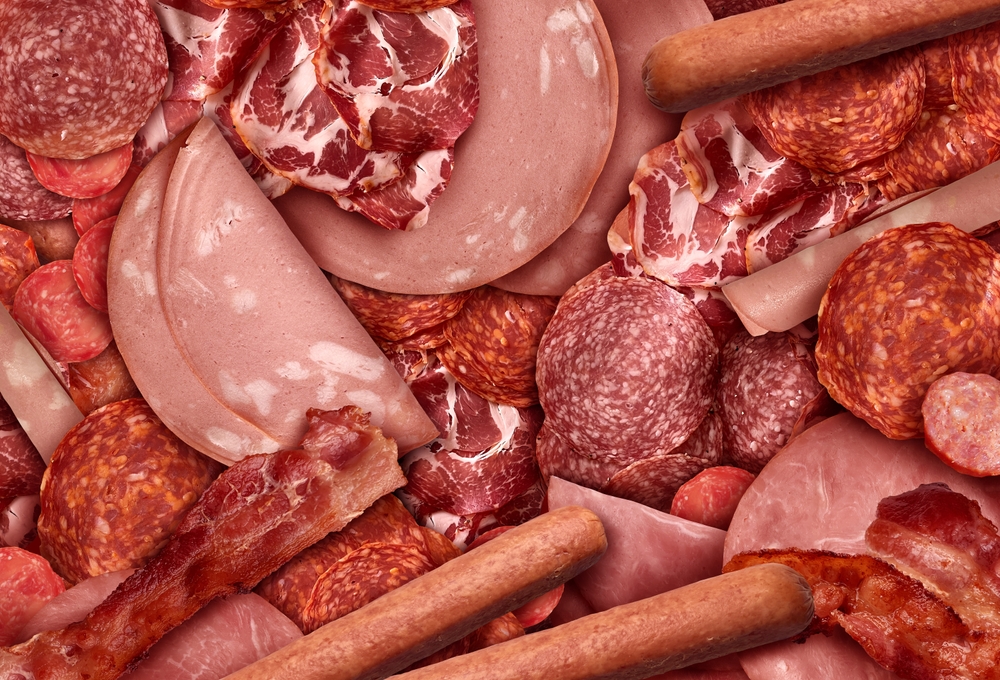
Processed meats, such as bacon, sausages, and deli meats, are the first thing on Dr. Lo Monaco’s “never” list. This is in full alignment with some of the most robust data in nutritional science. While red meat itself has been a subject of debate, processed meat is almost universally condemned by the medical community.
The primary issue isn’t just the animal fat; it is what happens to the meat before it reaches your sandwich. Processed meats are cured, salted, smoked, or chemically preserved to extend shelf life and enhance flavor. According to a landmark meta-analysis published in the journal Circulation by researchers at the Harvard School of Public Health, eating just 50 grams of processed meat per day (about one hot dog or two slices of deli meat) is associated with a 42% higher risk of heart disease.
The Science of Why:
The danger lies in the high sodium content and nitrate preservatives. Sodium causes the body to retain water, which increases the volume of blood in your system and puts immense pressure on your arterial walls. Over time, this chronic high blood pressure (hypertension) causes tiny tears in the arteries where cholesterol can settle, forming the plaques that lead to heart attacks.
Furthermore, nitrates can contribute to “oxidative stress.” A study published in The American Journal of Clinical Nutrition suggests that these preservatives can promote atherosclerosis (the hardening of the arteries) and reduce the body’s glucose tolerance, potentially leading to type 2 diabetes. Type 2 diabetes is a major risk factor for heart disease.
“I tell patients that red meat should be occasional, not daily, and that the quality of the meat matters. Go for a lean cut and really try to limit any processed meat in your diet, as there’s strong evidence they do harm, and replace the protein with eggs, fish and nuts.” Dr. Lo Monaco explained to The Mirror.
2. Sugar-Sweetened Beverages: Liquid Inflammation

For Dr. Lo Monaco, the second item on the “no-go” list is perhaps the most insidious: sugary drinks. This includes not just sodas, but also “healthy” looking energy drinks and sweetened fruit juices. To a cardiologist, these aren’t just beverages; they are a rapid-fire delivery system for metabolic chaos.
A study published in The Journal of the American College of Cardiology found that individuals who frequently consume sugar-sweetened beverages have a significantly higher risk of developing coronary heart disease compared to those who rarely consume them.
The Science of Why:
When you drink sugar, it hits your bloodstream almost instantly because there is no fiber to slow its absorption. This triggers a massive spike in insulin. Chronic insulin spikes lead to insulin resistance and “visceral fat” accumulation, the dangerous fat that wraps around your internal organs.
Perhaps more critically for the heart, excessive sugar intake triggers the liver to release more “bad” LDL cholesterol and triglycerides into the blood. A 2014 study in JAMA Internal Medicine revealed that participants who took in 25% or more of their daily calories as added sugar were more than twice as likely to die from heart disease as those whose diets included less than 10% added sugar. Dr. Lo Monaco’s avoidance is a direct response to this “liquid inflammation” that erodes the protective lining of the blood vessels (the endothelium).
“We often look at calories in the foods we eat but forget about liquid calories. Sugar-sweetened beverages should be cut out entirely.” Says Dr. Lo Monaco.
3. Excessive Salt: The Silent Pressure Cooker
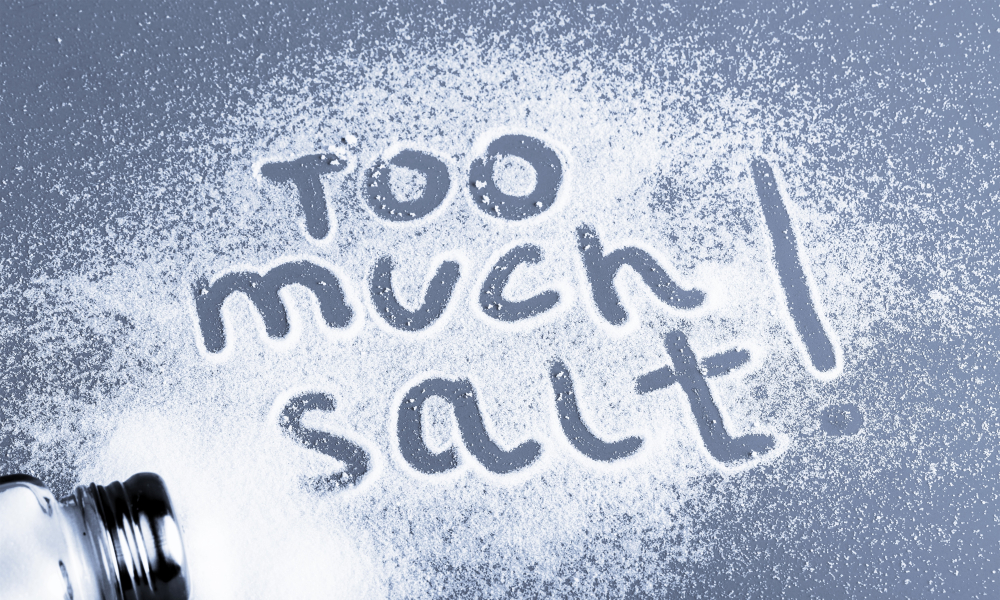
The final item Dr. Lo Monaco avoids is the excessive use of salt, with the primary food culprits being ready-made and processed meals and snacks. While the human body needs a small amount of sodium to function, the modern diet provides it in quantities that are biologically overwhelming. Much of this salt is hidden in breads, sauces, and restaurant meals, but Dr. Lo Monaco is particularly wary of adding extra salt to food.
The World Health Organization (WHO) recommends less than 5 grams of table salt (about one teaspoon) per day for adults, which equates to 2g or 2000mg of sodium. Yet, many people consume double or triple that amount every single day.
The Science of Why:
The relationship between salt and the heart is mechanical. High salt intake leads to a condition called “pressure overload.” According to a systematic review in the British Medical Journal (BMJ), a moderate reduction in salt intake leads to a significant decrease in blood pressure within just four weeks.
When your blood pressure is consistently high due to salt intake, your heart has to pump harder to move blood against that pressure. This causes the heart muscle to thicken (left ventricular hypertrophy), which eventually leads to heart failure. Furthermore, a study in the journal Nature has suggested that high salt intake may also impair the “glycocalyx,” a microscopic, gel-like layer that lines our blood vessels and protects them from inflammation and clotting. By cutting the salt, Dr. Lo Monaco isn’t just lowering his blood pressure; he is preserving the physical integrity of his entire circulatory system.
“Preparing healthy meals does take time and for people with busy lives this can be hard. That’s a fact, not an excuse,” he explains. “Despite this, I think most people can make meaningful dietary improvements that dramatically reduce cardiovascular risk by aiming to eat well most of the time.”
The Cardiologist’s Perspective: Prevention Over Cure
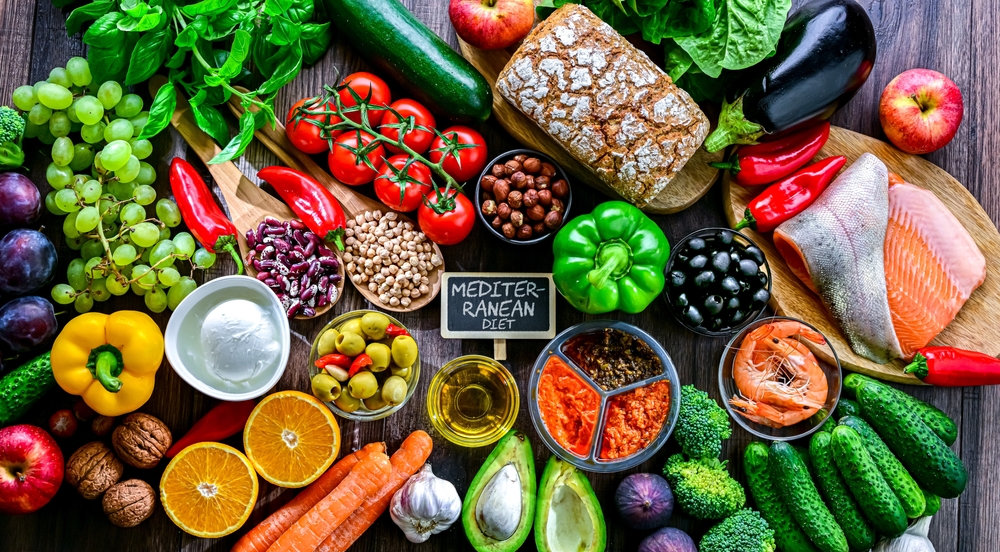
Image credit: Shutterstock
Dr. Lo Monaco’s stance is a stark reminder that the “Western Diet” is often at odds with human biology. He doesn’t avoid these foods because they taste bad; he avoids them because he sees the end results of these dietary choices every day in the operating room and at the clinic. He sees the clogged arteries, the weakened heart muscles, and the devastating strokes that are frequently the culmination of decades of processed meat and soda.
The scientific consensus is clear: our hearts are resilient, but they are not indestructible. The cumulative effect of high sodium, refined sugars, and chemical preservatives creates a perfect storm for cardiovascular decay. Dr. Lo Monaco, himself, grew up in Sicily, eating the Mediterranean diet every day. This is the diet that he instructs his patients to follow.
”It prioritises whole foods and healthy fats and doesn’t mean restriction, so it’s easy to stick to,” he says. “To enhance flavour in your foods, use herbs and spices such as garlic, basil and oregano over salt, as they also provide antioxidant effects. The important thing to remember is you don’t have to change everything overnight. Start small and make gradual changes for a long-term approach to prioritising your heart health.”
Read More: The #1 Heart-Saving Exercise, According to a Cardiologist
Taking Control of Your Heart Health

The advice from Dr. Lo Monaco serves as a powerful call to action for the general public. While it may seem difficult to cut out bacon, soda, and salt in a world where these items are ubiquitous, the scientific evidence suggests that these small changes can yield massive dividends in longevity and quality of life.
Heart disease is often called a “silent killer” because it develops over decades without obvious symptoms. By the time someone feels chest pain or experiences a heart attack, the damage to the arteries is already extensive. Dr. Lo Monaco’s “never” list is essentially a blueprint for early intervention.
Choosing whole, unprocessed foods, hydrating with water or unsweetened tea, and seasoning with herbs instead of salt are not just “diet tips”; they are medical strategies. As the research shows, your heart is a reflection of what you put into your body. By following the lead of experts like Dr. Lo Monaco, we can move away from a culture of treating disease and toward a future of sustaining health. After all, the best way to survive a heart attack is to ensure you never have one in the first place.
Disclaimer: This information is not intended to be a substitute for professional medical advice, diagnosis or treatment and is for information only. Always seek the advice of your physician or another qualified health provider with any questions about your medical condition and/or current medication. Do not disregard professional medical advice or delay seeking advice or treatment because of something you have read here.
Read More: Everyday Habit Could Increase Your Risk of Blood Clots, Cardiologists Warn