
In the ever-evolving world of wellness hacks, the kitchen has become the new laboratory. One day it’s bulletproof coffee for metabolic efficiency; the next, it’s a specific morning elixir designed to “unlock” dormant cognitive potential. The latest duo to grace our social media feeds? Avocado and black pepper. The claim, circulating across TikTok, Instagram, and wellness blogs, suggests that this specific pairing isn’t just a culinary match made in heaven: it’s a neurochemical powerhouse. Proponents of the trend claim that dusting your morning avocado toast with a generous helping of freshly cracked black pepper can sharpen your focus, enhance your memory, and perhaps even protect your brain from age-related decline.
Does the science actually back up the hype, though? Or, is this just another case of nutritional alchemy where two healthy ingredients are combined to create a mythical third benefit? Let’s dive into the research to separate the superfood facts from the viral fiction.
The Viral Claim: A “Brain Boost” in Your Pantry
If you’ve been spending time in the wellness corners of the internet lately, you’ve likely seen the headlines. The Secret Ingredient to Supercharge Your Brain, the caption will read, hovering over a perfectly sliced Haas avocado. Or maybe you’ve seen an influencer or two claiming that black pepper is the “key” that “unlocks” the nutrients in avocado, turning a simple snack into a cognitive enhancer.
The narrative generally follows a specific logic: avocados contain healthy fats and antioxidants, while black pepper contains a compound called piperine. Together, they are said to create a synergistic effect that significantly boosts brain function. The language used is often urgent and definitive, suggesting that if you aren’t seasoning your fats with pepper, you’re leaving brainpower on the table. While it’s refreshing to see a health trend that involves whole, accessible foods rather than expensive, proprietary supplements, these claims often suffer from radical simplification. They take complex biochemical processes and condense them into a 30-second soundbite, often omitting the nuance required to understand how nutrition actually impacts the human brain.
What Science Actually Shows: Breaking Down the Components
To understand if this pairing works, we have to look at the ingredients individually. While there is plenty of research on avocados and a growing body of work on black pepper, it’s important to state at the outset: There has never been a peer-reviewed human clinical trial specifically testing the combination of avocado and black pepper for cognitive enhancement. Instead, the “brain boost” theory is built on two separate pillars of research.
The Case for Avocado: Lutein and Lipids
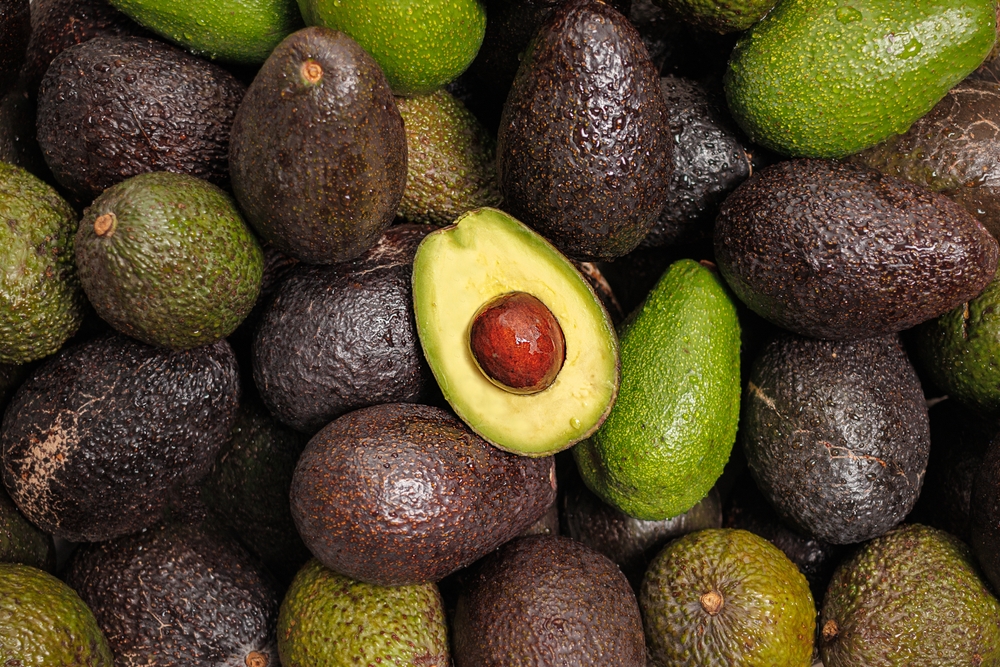
Image credit: Shutterstock
Avocados are more than just a creamy topping; they are a unique nutritional package. They are one of the few fruits high in monounsaturated fats, which are essential for heart health and, by extension, brain health. The brain, if you are unaware, is made up of roughly 60% fat. The real star of the avocado-brain story, however, is lutein. Lutein is a carotenoid, which is the yellow/orange plant pigment best known for its role in eye health. But more recently, researchers have discovered that lutein preferentially accumulates in the brain. A notable 2017 study published in the journal Nutrients followed older adults who ate one avocado a day for six months. The researchers found that these individuals experienced a significant increase in macular pigment optical density, a marker for lutein levels in the brain. Most importantly, they showed improvements in working memory and efficiency in problem-solving.
Lutein, you see, is thought to act as an antioxidant and anti-inflammatory agent in the brain. It can potentially improve the integrity of neural membranes and the speed of signaling between neurons. This makes avocados, by all accounts, a powerful food for brain health.
The Case for Black Pepper: The Piperine Effect
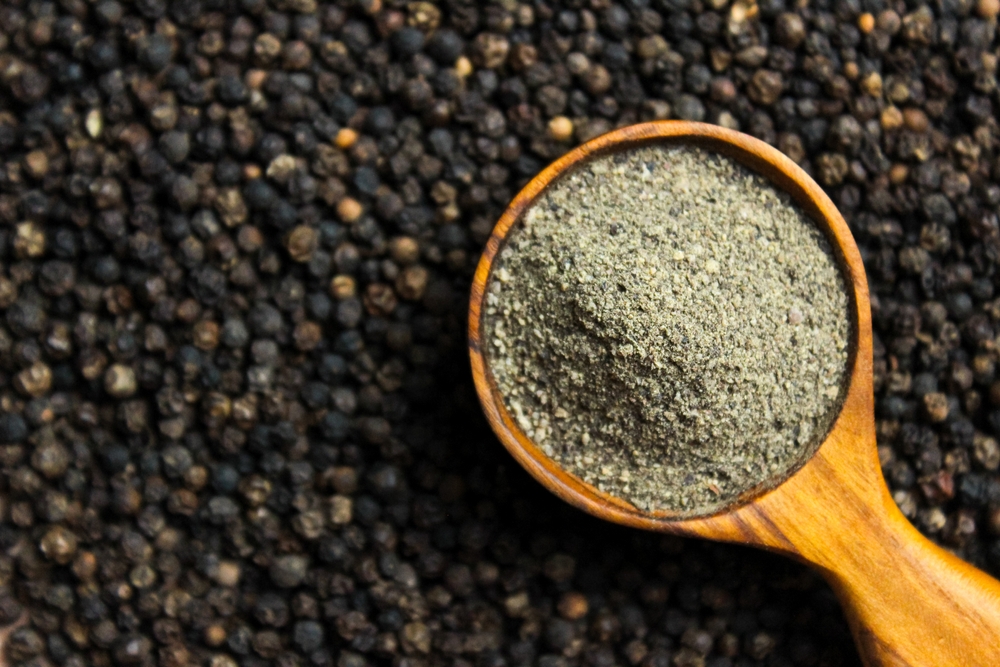
Image credit: Shutterstock
Black pepper’s claim to fame in the scientific world isn’t for its flavor, but a bioactive alkaloid called piperine. Piperine is the compound responsible for pepper’s pungency, but it also has a fascinating ability to affect how our bodies process other substances. Piperine is a known bioenhancer. It inhibits certain enzymes that break down nutrients in the digestive tract and stimulates amino acid transporters in the intestinal lining. This is why you often see black pepper paired with turmeric in supplements. Piperine can increase the bioavailability of curcumin, turmeric’s active ingredient, by up to 2000%.
In lab studies using cell cultures and animals, typically rats or mice, piperine has shown promise. Studies suggest it may have neuroprotective qualities, potentially reducing oxidative stress and even influencing neurotransmitters like serotonin and dopamine. There’s just one catch here: Almost all of the research linking piperine directly to cognitive power has been conducted on animals. While animal studies are vital for understanding mechanisms, they do not always translate directly to human results.
Why the Claim is Misleading: The Logic Gap

The viral avocado + pepper trend is a classic example of extrapolative nutrition. This happens when influencers and other media on the internet take Fact A (avocados are good for the brain) and Fact B (black pepper helps absorb some nutrients) and combine them to create a “New Truth”, aka that pairing them creates a brain-boosting miracle. The following is why we need to be cautious with these claims:
The “Sum of Parts” Fallacy
Just because two things are healthy doesn’t mean their combination creates a 1+1=3 effect. While piperine is excellent at increasing the absorption of curcumin (turmeric) or certain polyphenols, we don’t have definitive evidence that it significantly increases the absorption of lutein from avocados in a way that meaningfully changes brain function in the short term.
The Dosage Dilemma
In many of the studies where piperine shows a significant biological effect, the dosages are often much higher than what a person would typically sprinkle on their toast. To reach therapeutic levels of piperine, you might need to consume a quantity of black pepper that would be quite unpalatable for the average person.
Context is King
No single food or food pairing can override the fundamentals of cognitive health. If a person is sleep-deprived, chronically stressed, or sedentary, a sprinkle of black pepper on an avocado will not act as a limitless pill. Brain health is the result of a cumulative lifestyle. This is what scientists call the Total Diet approach, rather than isolated superfood moments.
Why the Idea Might Be Plausible (The “Nugget of Truth”)

Despite the lack of direct human trials, the theory isn’t entirely baseless. There are sound physiological reasons why this pairing might be beneficial, even if the effects are more subtle than social media suggests.
1. Fat-Soluble Synergy
Lutein is fat-soluble. This means it requires the presence of fats to be absorbed by the body. Avocados come pre-packaged with these healthy fats, making them an excellent delivery vehicle for lutein. Piperine’s role in stimulating digestive enzymes could, theoretically, further streamline this absorption process.
2. Blood Flow and Thermogenesis
Piperine has a mild thermogenic effect and can influence blood circulation. Better circulation generally means better delivery of oxygen and nutrients to the brain. While the effect from a pinch of pepper is small, in the context of a healthy meal, it contributes to a positive physiological environment.
3. Modest vs. Miraculous
If we frame the benefit correctly, it makes sense. It is likely not a brain boost in the sense of an immediate surge in IQ or focus, like caffeine. Instead, it is more likely a brain support habit. It provides the building blocks the brain needs to function optimally over years and decades.
Practical Takeaways: How to Actually Eat for Your Brain

If you enjoy avocados and black pepper, there is absolutely no reason to stop. In fact, it’s a fantastic habit. But to get the most out of your brain food, keep these evidence-based tips in mind:
- Don’t rely on a single pairing: The brain thrives on variety. While avocado provides lutein, your brain also needs Omega-3s (from fatty fish or walnuts), anthocyanins (from berries), and vitamin K (from leafy greens).
- Freshness matters: If you’re using black pepper for its bioactive properties, use a grinder. Pre-ground pepper loses its volatile oils and piperine potency over time. Freshly cracked pepper is not only tastier but more chemically active.
- Consistency over quantity: The 2017 avocado study showed benefits after six months of daily consumption. Brain health is a long game – one “superfood” meal won’t change your cognitive trajectory. A consistent habit of eating nutrient-dense foods will.
- The “whole plate” rule: Pair your avocado and pepper with a source of complex carbohydrates, like whole-grain toast, and perhaps and egg for protein and choline, another vital brain nutrient. This creates a balanced glycemic response, preventing the brain fog that comes with blood sugar crashes.
Science, Not Magic
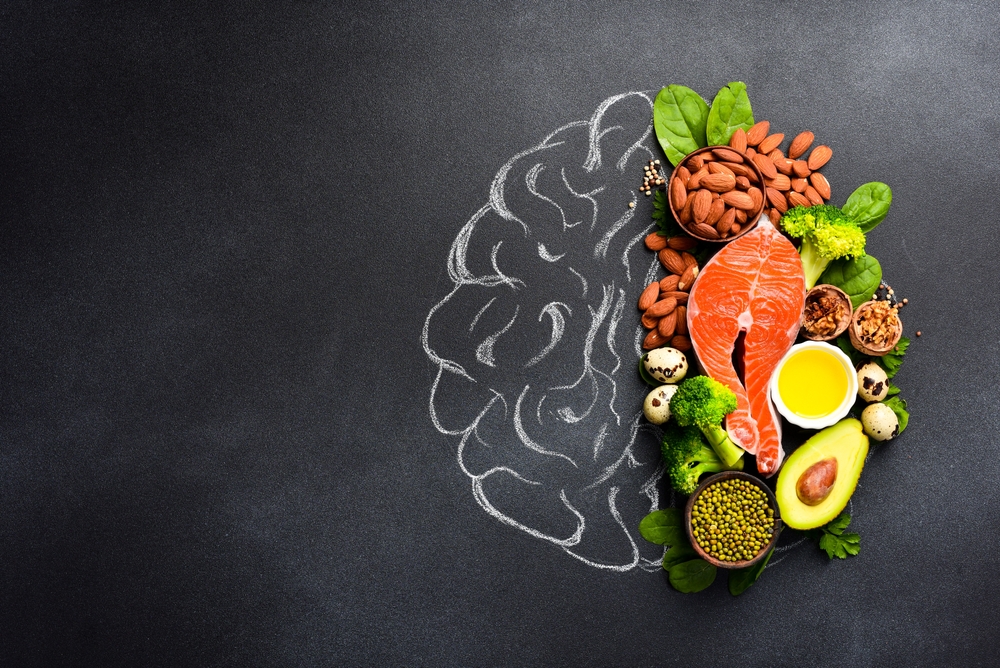
The pairing of avocado and black pepper is a delicious, healthy, and scientifically plausible habit. However, the viral claims that it acts as a transformative cognitive enhancer are currently ahead of the clinical evidence. We have strong evidence that avocados support the brain and interesting evidence that black pepper supports nutrient absorption. The “magic” of the two combined, however, remains a theory. In the world of nutrition, there are rarely miracle cures, but there are many marginal gains. Adding pepper to your avocado is a smart, low-effort marginal gain. It won’t turn you into a genius overnight, but it is a flavorful way to support your long-term neurological health.
So, go ahead and crack that pepper mill over your avocado. Do it because it tastes great, do it because it might help you absorb those healthy carotenoids, and do it as part of a lifestyle that values real food over viral fads.
Read More: 20 Reasons Avocados Are Truly a Superfood