
The death of conservative commentator Charlie Kirk has stirred a storm online. Supporters mourned him, critics remembered the arguments he sparked, and social media quickly turned into a stage for clashing views. Then author Stephen King added fuel to the fire with a claim that Kirk once advocated stoning gay people. The post spread quickly, but then Elon Musk responds to Stephen King with a one word reply that made the whole thing explode into a bigger drama.
King’s Words and Musk’s Reaction
Stephen King is no stranger to speaking his mind on Twitter, or X as Musk renamed it. Sometimes his opinions are about politics, sometimes about books or culture, and they usually get noticed. This time, he wrote a short post claiming Kirk “advocated stoning gays to death.” People took it at face value, and thousands reacted within hours. The shock value made the claim stick, and for many who never saw a correction, it felt like truth.

Musk stepped in, and he didn’t waste words. His response was just “Liar.” No extra detail, no explanation, just that. It was enough. Within minutes, screenshots flew around, and headlines popped up saying Elon Musk responds to Stephen King with a blunt accusation of dishonesty. For Kirk’s fans, Musk defended a man whose name was being dragged unfairly. For critics, Musk injected himself into something he could have left alone. But that’s never been his way.
What made this moment different is Musk isn’t just a random user. He owns the platform where all of this unfolded. That makes his posts feel louder, even when they’re just his personal views. Some say that power means he has a responsibility to be careful, others argue his plain speech keeps the debate honest.
King Walks It Back and Context Surfaces
By the next day King deleted his tweet. He posted new messages saying he was wrong, saying he apologized and the post had been deleted. He explained he was frustrated about people cherry-picking parts of scripture, quoting one part but ignoring the next. King then admitted Kirk hadn’t literally called for stoning, and his original post misrepresented things.

Still, once something’s out there, it’s almost impossible to pull back. The first claim reached millions before the apology reached a fraction of that. Many who saw the original post never saw the correction. That is the problem with social media. It moves too fast, and mistakes often travel farther than the truth.
What Kirk actually said goes back to a 2024 appearance where he spoke about Leviticus. He pointed out the harsh punishments in the text and added that “the chapter before affirms God’s perfect law when it comes to sexual matters.” Fact checkers who looked into it said he did not tell people to stone anyone in modern times. Instead, he was quoting scripture to frame his argument about sexuality and morality. IN the full episode of the podcast, Kirk’s words were in response to educator Ms. Rachel. He was pointing out that she was being selective in her use of quotes from the scripture.
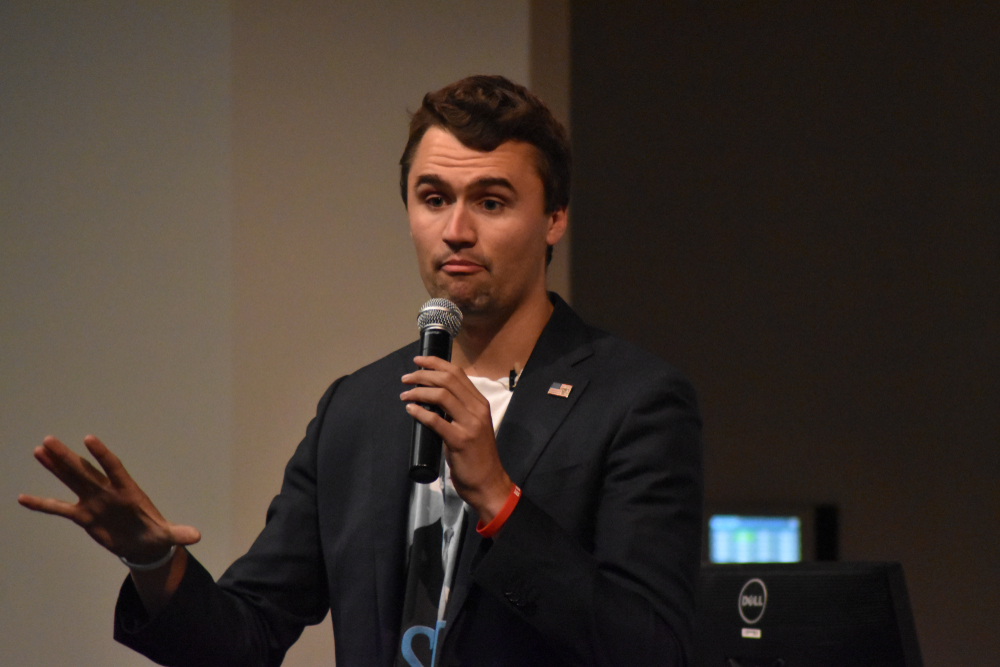
Critics still found it harmful, arguing that such words can be dangerous. Supporters said he was being faithful to his religion, not calling for violence. That gray area got lost once King’s post reframed it into something more extreme.
Misinformation, Kirk’s Legacy, and Musk’s Role
The mess shows how misinformation thrives in the age of instant posting. One tweet, even if deleted, can create a narrative that lives on long after. Musk’s reply didn’t calm things down, it kept them in the spotlight. Headlines focused as much on his “Liar” as they did on King’s words. Elon Musk responds to Stephen King in a way that makes the exchange bigger than either of them alone.
At the center of it all is Charlie Kirk himself, who had long been a polarizing figure. His work at Turning Point USA made him popular among young conservatives and a constant target for critics. His takes on religion and sexuality always stirred debate. For supporters, his death meant losing a leader who said what they believed others wouldn’t. For others, it was a reminder of the divides he embodied. The fight between King and Musk showed his influence did not end with his passing.
Musk’s role in shaping these kinds of discussions is complicated. He talks about defending free speech, yet his style is often emotional and sharp. Some feel his fast replies, like calling King a liar, pour gas on already hot fires. Others feel his blunt words are exactly what’s needed to counter false claims from influential people. Owning X means his voice isn’t just one among millions; it can tilt the direction of the debate itself.
Responsibility and Free Expression
This back-and-forth highlights responsibility in public speech. King admitted he was wrong, Musk defended Kirk, but the correction never catches up with the first impression. For public figures, this is a lesson that instant posts have lasting effects. For regular users, it’s a warning to think twice before sharing or reacting.
There’s also the bigger issue of free speech. King had the right to express what he thought, Musk had the right to push back. Yet once violence enters the picture, things shift. Allegations about calling for stoning are not harmless, they can harm reputations in ways that apologies cannot fully repair. And when the people involved have millions of followers, the ripple effect is enormous.
Final Thoughts
The argument between Stephen King and Elon Musk shows how quickly stories can spiral in today’s online world. King made a claim, Musk hit back with one word, and then King apologized. Yet what people remember is often the first claim and the fiery reply.
Despite the noise, the facts are clear. Kirk did not advocate stoning in modern times. King’s post was wrong, Musk’s defense was blunt, and the apology came later. The cycle reflects the fragility of truth in the fast pace of social media.
At the end of the day, Elon Musk responded to Stephen King in a way that will be remembered, not just for defending Kirk, but for showing how influence works in the digital age. It is a reminder that words from people with power spread quickly, and once out, they are almost impossible to control. That is both the danger and the cost of free speech online.
Read More: Emotional Response from Charlie Kirk’s Longtime Rival After His Death