
For many Americans, hearing that the U.S. will stop producing pennies feels a bit surreal. This coin lived in pockets, jars, glove compartments, school desks, and under couch cushions for more than two hundred years. It carried Abraham Lincoln’s face and somehow always found its way into tip jars or stuck at the bottom of purses. But while the world kept upgrading how people pay for things, the penny stayed behind. Now, as the final batch leaves the Philadelphia Mint in 2025, the country quietly says goodbye to the coin that started the nation’s currency system.
Even though pennies will stay in circulation for a while, no new ones will be created again. Some people feel sentimental, others feel relieved, and many barely notice anything at all. But this moment marks a real turning point in how Americans understand and use money.
A Long Life for a Small and Stubborn Coin
The first one cent coin appeared in 1793. It was the very first circulating coin produced by the federal government. Early designs changed often, but once the Lincoln portrait arrived in 1909, it stuck as one of the most familiar images in American life.
For a long time, a penny could buy a treat or a newspaper. Inflation slowly erased that buying power until the coin almost became a symbolic piece of metal. Yet people kept them out of habit. Many households had jars full of them. Cars carried them in cup holders. Kids collected them in lunchboxes. The coin was almost everywhere, even when nobody truly needed it.
Something interesting about pennies is how they shaped small routines without people noticing. Families used them to teach counting. Children lined them up to learn basic math. Teachers created penny games for probability lessons. Shops kept little penny trays at the register, and this tiny gesture encouraged small acts of kindness between strangers. All these small moments gave the penny more emotional weight than financial.
Parents gave toddlers pennies to keep them busy in grocery checkout lines. Libraries used them in kids’ crafts. Board games used them as markers. The coin slipped into everyday routines in quiet and humble ways. Now that the U.S. has stopped producing pennies, some of those little rituals disappear too. Not in dramatic ways, but in subtle ones that shape how generations remember childhood.
Why the Penny Finally Reached Its End
The government did not decide to end penny production overnight. Years of research, debates, and financial reviews built the case. Eventually, the numbers made the decision almost impossible to ignore.
It Costs Too Much to Make
A single penny costs nearly four cents to produce. That includes metal, labor, transport, and storage. When a coin costs several times more than its own face value, the math becomes a problem. Ending penny production will save the country about fifty-six million dollars each year. These major savings supported the argument behind America’s end of penny production, a phrase many analysts now use to describe the shift.

People Rarely Use Pennies Now
Studies show that about sixty percent of U.S. coins sit unused in homes. A typical household has sixty to ninety dollars in loose change. Much of that is pennies. Since they rarely return to circulation, businesses often struggle to find enough for change. Pennies became more of a burden for stores than a currency tool.
Digital Payments Already Replaced Small Coins
Tap payments, online shopping, and phone wallets moved ahead fast. When shoppers pay digitally, there is no need for tiny metal coins. This trend encouraged the shift now often described as U.S. phases out one cent coin. Many people already lived in a world where pennies played no part in purchases.
Pennies No Longer Support Commerce
The Treasury estimates that three hundred billion pennies still exist. That number is far more than shops will ever need. Even without minting new ones, supply remains high enough to last many years.
The Hidden Logistics People Never Saw
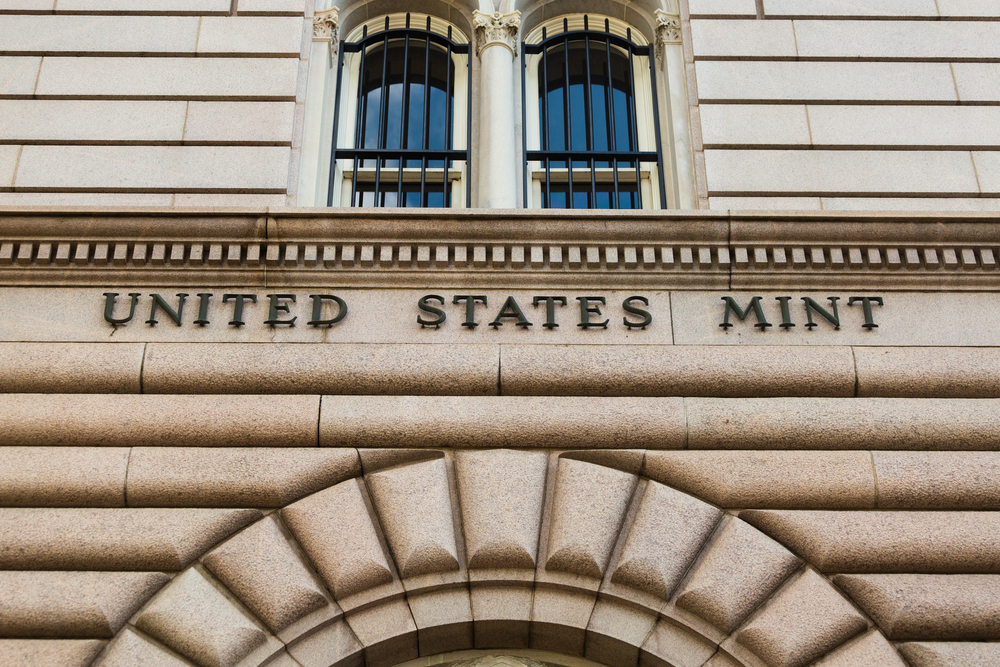
Behind the scenes, making pennies required huge systems. The Mint processed sheets of metal, struck billions of coins, stored them, and distributed them across the country. The machines needed constant cleaning and repair. Storing billions of pennies took up enormous space. Trucks delivered heavy containers of coins every week.
Ending penny production reduces stress on the Mint. Workers can shift focus to coins that matter more for commerce. Some equipment might be retired or repurposed. Removing the penny simplifies logistics in ways most people never think about.
How the Penny Affected Families, Schools, and Daily Habits
The penny played a surprising role in childhood education. Kids learned to add by grouping coins. Teachers played coin toss probability games. Schools used penny drives as easy fundraisers. Even if the coin had little economic value, it had teaching value.
Schools now think about new ways to teach values and math. Some use pretend classroom coins or wooden tokens to explain money. Parents plan to teach digital banking earlier because kids grow up in a world where many payments happen on screens.
Libraries, craft clubs, and art classes loved using pennies for projects. Parents glued them into picture frames. Children decorated cards with them. Removing the penny nudges people toward new creative materials, but some artists plan to stockpile old pennies for future projects.
How Shoppers and Stores Will Adjust
Pennies will not be removed from circulation. They will simply fade as coins wear out. But stores and shoppers will notice certain changes.
Cash Rounding Will Happen More Often
When pennies run low, stores round cash totals to the nearest nickel. A Federal Reserve study suggests this might cost consumers about six million dollars a year. Spread across millions of shoppers, the impact is tiny.
Digital Payments Stay Exact
Digital transactions always charge exact totals. A price of 4.38 still charges 4.38. Because many shoppers now use digital methods, rounding affects only a small part of modern transactions. This shift reinforces the trend often described as final penny minting.

Businesses Adjust to a New Routine
Small business owners say the transition actually helps. Cash drawers stay cleaner. End of day counting becomes quicker. They no longer run out of pennies or order fresh rolls from the bank. Managers say the change saves time in ways that do not seem big but still matter.
Some workers feel nostalgic. Bartenders remember the sound of pennies hitting metal tip jars. Cashiers remember customers digging through purses for exact change. Without pennies, cash transactions feel a little different but smoother.
Online shops feel no effect at all because digital pricing remains the same. This split between online and in-person shopping shows how society already moved ahead of the penny long before the government made it official.
Charities and Fundraisers Prepare for New Approaches
Charities used penny drives for decades. Donation jars filled with spare change became common at grocery stores and school events. Most people tossed in pennies because they felt easy to give away. Without pennies, charities explore new ideas like digital tip jars and QR code donation signs.
Schools will get creative, too. Many plan to replace penny drives with sticker drives, canned food collections, or small bill donations. Some teachers think this might even improve fundraisers because pennies create lots of volume but not much money.

Image credit: Shuttertstock
What Other Countries Did First
Several countries retired their low value coins long before the United States.
Canada Ended the Penny in 2012
Canada stopped production and adopted cash rounding. People adjusted quickly and barely talk about the change anymore.
Australia and New Zealand Removed Small Coins Decades Ago
Australia removed one and two-cent coins in 1992. New Zealand later removed its five-cent coin, too. Both countries transitioned smoothly and showed that modern economies handle these changes without issues.
The United Kingdom Took a Slow Approach
The UK did not remove its 1p coin, but in 2024, the government stopped minting new 1p and 2p coins due to low demand. Their slower approach created a model for gradual adjustments.
The Psychological Side of Saying Goodbye
Money is emotional. Even small coins carry memories. Older adults remember buying treats with a handful of pennies. Children saved them as part of small goals. Charities used them for community drives.
People attach meaning to simple objects. Losing a coin that lived in the country for centuries can feel surprising. Psychologists say people adapt quickly, but the emotional reaction shows how currency ties into identity.

The Growing Conversation About the Nickel
Now that the penny is gone, attention turns to the nickel. It costs nearly fourteen cents to make, which is even worse than the penny’s cost ratio. Some experts argue that the nickel should be next. But rounding without it could cost consumers much more, close to fifty five million dollars a year.
The debate will continue once the U.S. stops producing penny transition settles. For now, the nickel stays.
Read More: IOC Set To Draw Line On Trans Inclusion Ahead Of 2028 Olympics
Environmental Benefits Add Another Layer
Ending penny production reduces metal mining and energy use. Even though the coin is small, the environmental cost adds up across billions of units. Removing the penny supports sustainability efforts by lowering metal extraction, fuel use, and waste.
Artists and crafters plan to keep using old pennies for projects. The coin may gain a second life as material instead of currency, which feels fitting for such a long lived object.

Image credit: Shutterstock
How This Reflects a Bigger Shift in Modern Finance
The penny’s retirement is part of a broader transformation. Digital wallets replace leather wallets. Bank apps replace in-person transactions. Children grow up tapping cards instead of counting coins.
Some experts believe this moment marks the early stages of a major redesign of U.S. currency. There may be new materials, new denominations, or even digital federal currency in the next decade. Losing the penny is only the first step.
How Future Generations Will See the Penny
Kids born now may never spend a penny in their lives. They will hear stories about penny candy, spare change jars, and sidewalk good luck coins. The penny will appear in museums, TV reruns, and history lessons.
Its economic value faded long ago, but its cultural value stayed strong. When the U.S. stops producing penny, the fading of the coin becomes a symbol of how quickly the world evolves.
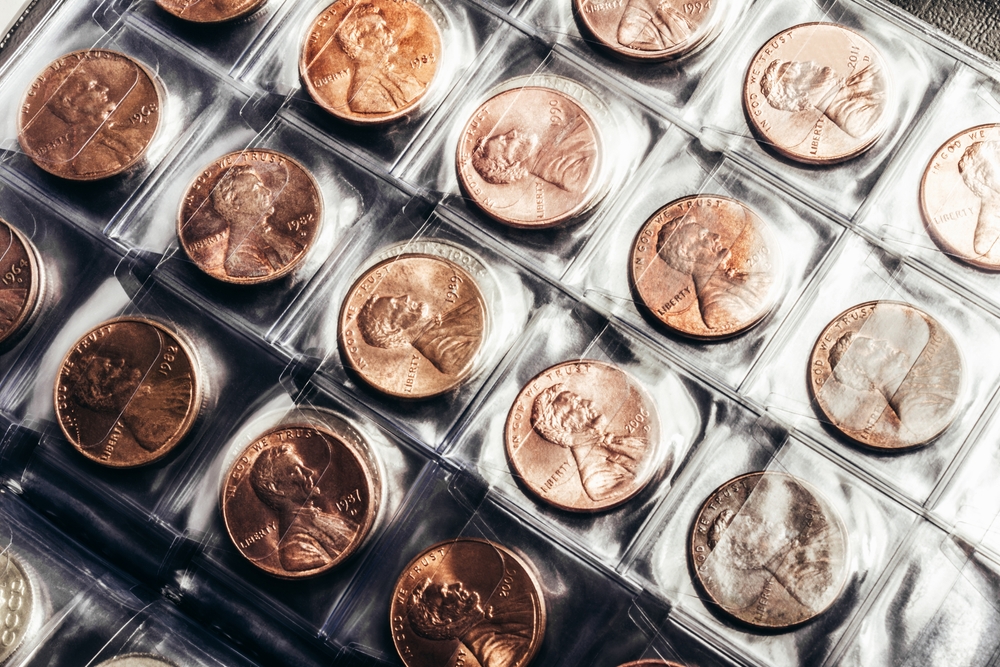
Image credit: Shutterstock.
A Soft Goodbye to a Tiny Symbol
The penny meant different things to different people. Kids saved them, charities counted them, and older generations used them daily. Ending the coin makes sense, yet it still feels like the closing of a quiet chapter.
Pennies will linger in drawers and jars for years. People will find them under furniture or inside old jackets. Each one becomes a little reminder of where the country came from.
Final Thoughts
When the U.S. stops producing pennies, the nation steps into a more efficient future. The penny lived a long life filled with tradition and memory. It survived recessions, redesigns, world changes, and the rise of digital payments. But the world evolved, and the penny could not evolve with it.
For many people, the coin remains as a keepsake or a sentimental piece. Eventually, it will fade away. Yet its story stays larger than the number printed on its face.
Read More: Will Americans Receive $2,000 Stimulus Checks? What You Need to Know