
Laundry is something we all do, but not everyone thinks about what’s actually in the soap. The safest laundry detergents keep your clothes fresh and clean while also looking out for your skin and the environment. Pick the wrong kind, though, and you’re washing with stuff that can cause itchy skin, rashes, or even pollute the rivers outside your town. Choosing safer detergents sounds small, but honestly, it makes a bigger difference than most people think.
Why Regular Detergents Can Be Trouble
Most of the common laundry soaps on store shelves use chemicals to fight stains and odors. Sure, they work, but some of those chemicals are a bit nasty. For example, a byproduct called 1,4-dioxane shows up in certain detergents and experts say it might be harmful. Surfactants like SLS or SLES help break down grease, but they can also dry or irritate skin. Then you’ve got optical brighteners, which are meant to make clothes “look” whiter, but they stick to fabric and sometimes trigger allergies. It isn’t just about skin either. Once these suds wash down the drain, they flow into lakes and rivers. Phosphates are a classic example. They feed algae, which spreads fast, and fish end up suffocating. Some regions have banned them, but not all of them, so the problem’s still around.
Labels Don’t Always Tell the Whole Story
Packaging makes laundry detergents look safer than they really are. Words like “green,” “eco,” or “natural” get slapped on boxes even when the formula inside is packed with synthetic junk. A bottle might brag it’s phosphate-free, but then you check closer and see it’s loaded with preservatives and fragrances. Fragrance is one of the sneakiest. Just that single word can hide a cocktail of chemicals that don’t even get listed.
For someone with asthma or allergies, this could be a nightmare. That’s why checking labels closely is worth the extra minute. Pick products that spell out every ingredient. And if possible, go fragrance-free. You’ll probably notice the difference on your skin pretty quickly.
Ingredients That Actually Help
Not all detergents are bad news, thankfully. There are some solid, safe options out there that avoid toxic ingredients. Plant-based surfactants made from corn or coconut oil are gentle but clean well. Enzymes do a good job too; they break down stains from food or sweat without needing heavy chemicals. Minerals like baking soda and washing soda boost cleaning power, and they’re about as safe as it gets.
Packaging is changing too. Liquid jugs are heavy, they waste plastic, and they need more preservatives. But there’s also powders, pods, and even flat detergent sheets. These tend to use fewer additives and cut waste. So if you’re looking for eco-friendly detergents, formats like these are worth testing out.
Top Five Safest Detergents
If you are looking for a laundry detergent that is low in chemicals and eco-friendly, these would be some of the best options:
- Molly’s Suds has become a go-to for people wanting something simple and clean. The formula uses a short list of ingredients, most of them plant or mineral-based. It skips dyes and strong perfumes, which makes it kinder for skin that breaks out easy. Some people say it feels old-school, but in a good way.
- All Free & Clear is everywhere; you can grab it at the local store without hunting. It doesn’t have perfumes blasting out of the bottle, so less chance of rashes or itch. Even though it leaves out extras, it still tackles everyday stains from kids, pets, life, you name it. Some call it the “safe but strong” brand.
- Seventh Generation Free & Clear leans heavy on transparency. The labels are straightforward, not hidden with fancy wording. It’s hypoallergenic, safe enough that families with babies and pets use it all the time. The bottles are often made with recycled plastic too, which is a nice touch, though sometimes the cap feels flimsy.
- Dropps laundry pods are honestly pretty clever. Instead of lugging around a giant jug, you get pods in a small cardboard box. The box can be composted, so no guilt there. Pods are easy, just throw one in, no mess. They’re plant-based but still fight off stains, even the stubborn ones on sports clothes.
- Earth Breeze detergent sheets are the newest thing. They’re paper-thin sheets that dissolve in hot or cold water. The packaging is just a slim envelope, which means less shipping waste. They don’t smell overpowering, they just get the clothes done, plain and simple.
Regulations and Loopholes
Governments do set some rules for detergent safety, but rules aren’t the same everywhere. One country bans phosphates while another allows them in small amounts. Fragrance chemicals and preservatives are subject to different regulations depending on your location. Because of this, relying only on government approval won’t cut it. What’s “allowed” doesn’t always mean safe. Consumers ultimately become the watchdogs in many ways. Companies are moving toward non-toxic laundry options, sure, but until rules tighten up, shoppers have to stay sharp.
Health Reasons to Go Safer
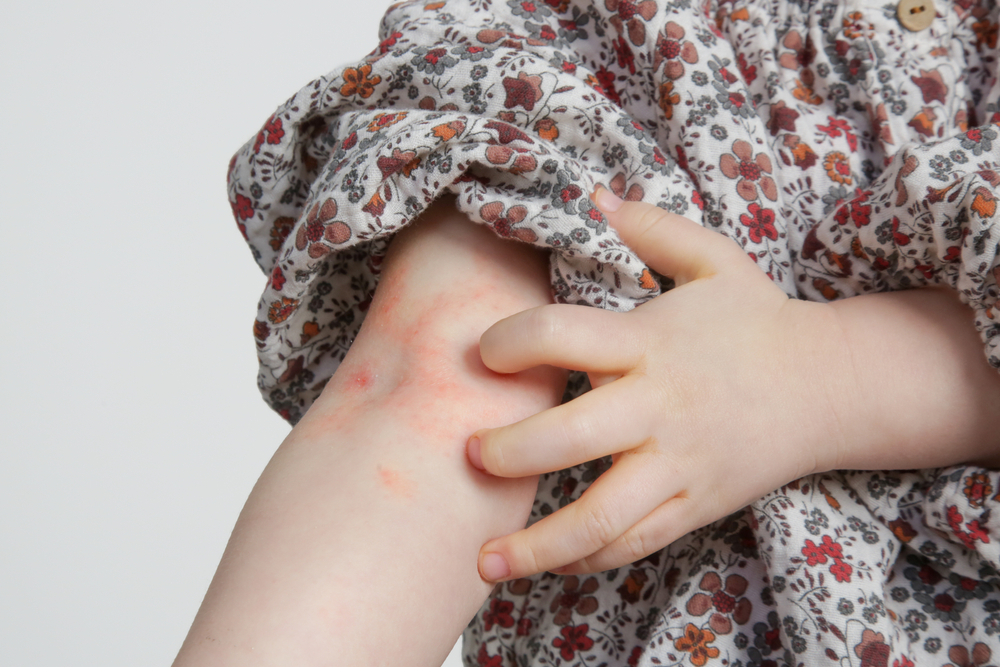
Choosing gentle washing products is more than just trendy; it’s healthier for you and your family. If you’ve ever had itchy arms after laundry day, the detergent could be the culprit. People with eczema or asthma often see flare-ups from chemical-heavy soaps. Kids are especially at risk, since their skin absorbs stuff more easily. Even if you don’t notice problems right now, think about the long game. Clothes, towels, and sheets touch your body for hours daily. Residues stay there. Over the years, constant exposure adds up. Making a switch to safer products cuts down that risk and gives peace of mind.
Better for Nature
Eco-friendly detergents don’t just help people; they also help the earth. Biodegradable formulas break down instead of floating around in rivers forever. Concentrated detergents ship lighter, so trucks burn less fuel.
When it comes to packaging, the shift to cardboard or compostable wrappers means less plastic in landfills. Some people go even further and mix their own soap. Baking soda, washing soda, and castile soap can handle a lot of regular laundry. Maybe not perfect for grease stains, but for everyday stuff, it works just fine. Plus, it’s cheap. That makes homemade a good fallback for those wanting both eco and budget-friendly.
Laundry Habits That Matter
Using the laundry detergents that are safe helps, but your routine matters too. Using more soap than the box says doesn’t make clothes cleaner. It just leaves residue that clings to fabric and irritates skin. Switching to cold water saves energy and still washes well. And if you can line-dry your clothes, that beats dryer sheets loaded with perfumes.
A good way to switch is gradually. Start with fragrance-free, then try eco-friendly detergents until you find one that suits your needs. These small steps stack up, and soon you’ll wonder why you didn’t change sooner.
Conclusion
In the end, the safest laundry detergents aren’t just about stains or fresh scents. They’re about skin health, breathing easier, and keeping rivers cleaner. General detergents promise bright whites but sneak in risks. Safer, eco-friendly detergents give you the same clean without the baggage. Learning what to avoid, reading those tricky labels, and changing simple laundry habits can make a real difference. Clean clothes are good, but clean living feels better.
Read More: Is Laundry Detergent Toxic? 7 Questionable Ingredients to Look Out For