
Night sweats and cancer can sound like a frightening pairing, especially after a late-night online search. Yet the symptom is common, and most causes are not cancer. The helpful question is not “Is it cancer?” The helpful question is “What is most likely for this person?” Night sweats can come from hormones, infections, medicines, reflux, thyroid disease, or stress. Some cancers can also trigger drenching sweats, especially certain blood cancers. The goal is balanced clarity, with no fear-mongering.
This guide explains what clinicians mean by night sweats, how cancer fits into the bigger picture, what causes are more common, and when to seek care. It also shows how doctors sort mild overheating from true, repeated soaking episodes. You will learn which details matter most, such as duration, intensity, fever, weight change, and swollen lymph nodes. You will also see why context matters, because a new medication or a recent viral illness can explain a lot. By the end, the aim is simple: replace guesswork with practical steps, so decisions come from evidence and patterns, not anxiety.
What clinicians mean by night sweats
Sweating at night is normal when a room is warm or bedding traps heat. Clinicians reserve “night sweats” for episodes that overwhelm the environment. The NHS notes that, “Night sweats are when you sweat so much that your night clothes and bedding are soaking wet, even though where you’re sleeping is cool.” People often report repeated awakenings, a need to change clothes, or sheets soaked through. Some notice chills afterward, because sweat evaporation cools the skin fast. Those details help separate true night sweats from simple overheating, and they help guide next steps.
Concrete detail helps more than dramatic language. Start with frequency and intensity. Was the bedding soaked, or only damp? Did it happen once, or on most nights this week? Add timing details too, because some illnesses cause sweats outside bedtime. Lymphoma Action notes that sweats “can also sometimes happen during the day.” Keep a short log for about 7 – 14 days. Note room temperature, sleepwear, bedding, alcohol, and new medicines. Also note fever, cough, pain, itching, or new lumps. This record makes a clinic visit faster and more accurate.
How cancer can cause night sweats, without making them common
Night sweats can occur with cancer, but they are not a symptom of cancer on their own. They become more suggestive when they are drenching, persistent, and paired with other systemic changes. In lymphoma care, sweats often sit inside a symptom category used during staging discussions. The American Cancer Society explains,“B symptoms can help doctors determine the stage of your lymphoma and your outlook.” That context matters because staging happens after a clinician already has reasons to suspect lymphoma. It is not a shortcut for self-diagnosis, and it is not used in isolation.
Mechanism also has uncertainty, and reliable sources say so. Lymphoma Action states, “Doctors don’t know exactly why lymphoma causes night sweats.” It describes possible explanations, including fever cycles and chemicals produced by lymphoma cells. Those ideas fit basic physiology. Sweating is one way the body releases heat through the skin. Some people sweat after a fever breaks overnight, then wake up chilled and drained. Even so, cancer is not the default explanation. Lymphoma Action also says, “If you have night sweats, it does not necessarily mean you have lymphoma.”
The most common non-cancer causes
In primary care, persistent night sweats are more often linked to everyday conditions than to cancer. In a 2020 review in American Family Physician, family physician Carl Bryce wrote, “most patients who report persistent night sweats in the primary care setting do not have a serious underlying disorder.” That sentence is a useful anchor when anxiety spikes. Bryce also explains why online lists can feel frightening. Many published associations come from case reports or hospital settings, where serious illness is overrepresented.
So what tends to show up more often? Hormonal shifts are common, especially around menopause. Thyroid overactivity can increase sweating and heat intolerance. InformedHealth.org on the NCBI Bookshelf notes, “People who have an overactive thyroid often sweat a lot and feel uncomfortable when they are warm.” Infections, reflux, and anxiety can also contribute. Medicine effects can matter too, especially after starting a new drug or changing a dose. Professional references list many medication and endocrine links for excessive sweating, which helps explain why clinicians ask about recent changes.
Red flags that justify a prompt medical check
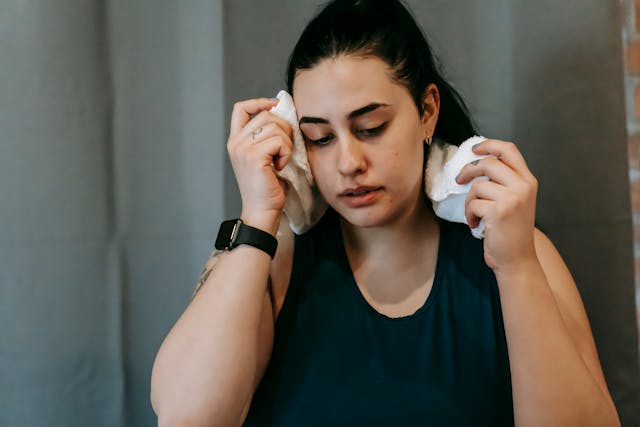
Most night sweats do not require urgent action, but some situations deserve prompt evaluation. The NHS suggests seeking medical advice if “you have night sweats regularly that wake you up or worry you.” That threshold works because it centers persistence and impact. A single sweaty night after alcohol is different from weeks of soaked sheets. A new symptom that escalates also deserves attention, especially when it disrupts sleep and daytime functioning. If night sweats start alongside a new medicine, a clinician can help decide whether a change is appropriate.
Clinicians also look for signs of systemic illness alongside night sweats. Persistent fever without an obvious infection is one example. Unexplained weight loss over weeks can also raise concern, especially with ongoing fatigue. New lumps that persist should be examined, even though infections are a frequent cause. The American Cancer Society cautions, “Most enlarged lymph nodes are caused by an infection, not lymphoma.” A persistent cough, chest pain, or shortness of breath can also change the risk picture, because infections like TB can present this way. A check-up is a route to clarity, not a verdict.
How clinicians evaluate persistent night sweats
Evaluation usually starts with careful questions and a targeted exam. Clinicians ask about duration, severity, and exposures, including TB contact and recent travel. They ask about medicines, including antidepressants and hormone therapies, because these can alter sweating quickly. They ask about alcohol intake, caffeine, and recent infections. They examine lymph nodes, lungs, skin temperature, and thyroid signs. They also ask about reflux symptoms and sleep disruption, because poor sleep can amplify sweating and worry. This approach is designed to avoid missing serious disease, while also avoiding unnecessary testing.
When no clear cause appears, clinicians often use a structured, stepwise plan. Bryce advised that “physicians should proceed with a systematic and cost-conscious strategy” for diagnostic testing. In practice, that can include a complete blood count, thyroid testing, and targeted infection tests, chosen for the person’s risks and symptoms. Chest imaging can be useful when lung symptoms or TB risk are present. Further tests are usually selective, based on initial findings. If results are normal and no other disorder is suspected, Bryce recommends reassurance and monitoring.
Lymphoma and leukemia: what “drenching” means in context
When cancer does cause night sweats, blood cancers are the best-known examples. Lymphoma Action describes the classic severity, stating, “Lymphoma can cause night sweats that make your nightclothes and bed sheets soaking wet.” It also notes the label clinicians often use, saying the sweats are “often described as ‘drenching’.” That language describes intensity, not certainty. Infections can also soak sheets, and so can severe hormonal symptoms. Still, repeated drenching sweats can push clinicians to look carefully for accompanying signs and to avoid delays in evaluation.
Context decides how much weight sweats carry. Persistent swollen nodes, unexplained fevers, or repeated infections can raise concern. Yet benign explanations remain common, especially after viral illnesses. The American Cancer Society warns that lumps often come from infection, not lymphoma. Authoritative cancer sources also describe drenching night sweats as a possible symptom in some lymphomas. The National Cancer Institute includes “drenching night sweats” among the signs and symptoms described in its lymphoma materials. Diagnosis still requires evidence, often including imaging and biopsy, because symptoms overlap with many non-cancer conditions.
Infections that mimic cancer symptoms, including tuberculosis
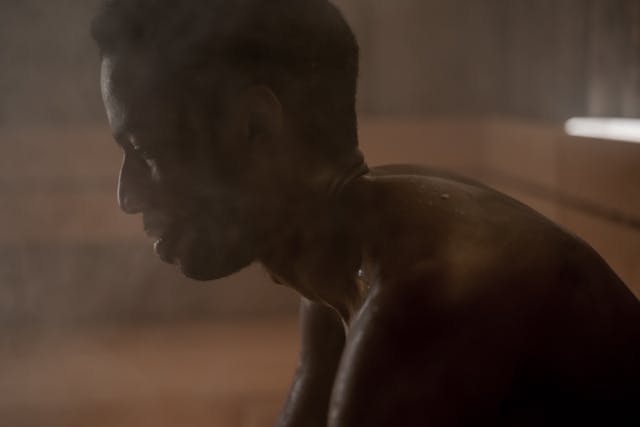
Infections can produce the same broad symptoms that make people worry about cancer. Tuberculosis is a classic example, and it remains a major global disease. The World Health Organization notes that TB symptoms “may be mild for many months,” which can delay care and spread infection. The WHO also states, “The symptoms people get depend on which part of the body is affected by TB.” That is important because TB can involve organs beyond the lungs, changing how it presents and which tests are useful.
TB is not the only infection linked with night sweats. HIV, endocarditis, and severe fungal infections can also drive sweating through immune activation. Public health agencies include night sweats among possible TB disease symptoms. The CDC includes “Night sweats” among the signs of active TB disease. Clinicians choose tests based on risk, exposure history, and accompanying symptoms. They may test for TB when there is a chronic cough, weight loss, known exposure, or travel to high-risk settings. Treatable infections are a major reason to seek assessment when sweats persist, because the right diagnosis can lead to targeted treatment.
Hormones, medicines, and everyday triggers
Hormone shifts can trigger night sweats by changing temperature regulation in the brain. Menopause is a common driver, and public guidance emphasizes practical control. The National Institute on Aging advises, “If hot flashes keep you up at night, lower the temperature in your bedroom.” The NHS offers similar advice for menopausal sweats, including “keep your bedroom cool at night.” Cooling strategies can reduce sweating even when menopause is not the cause, because they reduce heat load and improve sleep continuity. Better sleep also reduces the next-day stress loop that can worsen symptoms.
Medicines can contribute, and timing often reveals the link. The NHS notes that if a medicine is causing sweats, a doctor “may prescribe a different one.” That approach is safer than stopping abruptly, because withdrawal can create new symptoms. Professional references list medication and substance causes of excessive sweating, and they also include endocrine triggers like low blood sugar. Everyday triggers can amplify sweating too. Alcohol near bedtime can increase warmth and fragment sleep. Heavy bedding and warm rooms can also confuse the picture, so clinicians often ask about the sleep environment early.
Cancer treatment and survivorship sweats
Night sweats do not only appear as a cancer symptom. They can also appear during cancer treatment or after treatment ends. The National Cancer Institute’s patient PDQ states, “Hot flashes and night sweats are common in people with cancer and survivors.” It explains that sweats may be linked to surgery, radiation therapy, and certain medicines. Hormone therapies can be a major driver, because they change estrogen or testosterone signaling. Some supportive medicines can also affect thermoregulation, which is why the timing of symptoms relative to treatment changes can be very informative.
For someone in cancer care, the right move is direct communication with the oncology team. Sweats might reflect treatment effects, infection risk, or disease activity, depending on timing and other symptoms. NCI materials also note that hot flashes and night sweats “may be controlled with estrogen replacement therapy” in selected cases. That option is not right for everyone, especially after hormone-sensitive cancers, so decisions stay individualized. Many people also benefit from practical measures like cooling, hydration, and sleep adjustments. When sweats appear with fever or signs of infection during therapy, clinicians treat it urgently, because immune suppression changes the risk calculus.
Conclusion
Night sweats deserve attention, but they rarely justify panic. Start with careful observation for 7 – 14 days. Track how often episodes occur, how drenched the bedding becomes, and what changed recently. Include room temperature, heavy blankets, alcohol close to bedtime, recent illness, stress spikes, and any new medicines or dose changes. Bring that record to a clinician if symptoms persist, because it turns a vague worry into usable clinical information. If tests are appropriate, a stepwise approach usually rules out common causes first, while still checking for red flags such as persistent fever, unexplained weight loss, or enlarged lymph nodes that do not resolve.
Reassurance is part of good medicine when evidence supports it. In Bryce’s 2020 review, he wrote, “The presence of night sweats alone does not indicate an increased risk of death.” James W. Mold’s mortality study in the Journal of the American Board of Family Medicine reached a similar conclusion for primary care patients reporting night sweats. A check-up still makes sense when sweats are drenching, frequent, or paired with other symptoms. Yet many people will discover a manageable cause, adjust treatment, and sleep through the night again. The goal is calm action, not worst-case thinking.
Disclaimer: This information is not intended to be a substitute for professional medical advice, diagnosis or treatment and is for information only. Always seek the advice of your physician or another qualified health provider with any questions about your medical condition and/or current medication. Do not disregard professional medical advice or delay seeking advice or treatment because of something you have read here.
A.I. Disclaimer: This article was created with AI assistance and edited by a human for accuracy and clarity.
Read More: Eat for Better Sleep: Top Foods to Try and Ones to Avoid