
Dinner does not end when the plates leave the table. For many people, it follows them into the bedroom. Foods that disrupt sleep can work through several routes. Some stimulate the nervous system, while some push up blood sugar, then drop it again. Some trigger reflux, bloating, or late-night stomach activity that keeps sleep shallow. The consumer guides you shared point to the same main culprits, and stronger research supports many of them, especially caffeine, alcohol, sugary foods, refined carbohydrates, spicy meals, and high-fat foods eaten late. Timing also changes the effect. A food that causes no trouble at lunch can become what not to eat before bed when it lands too close to lights out. That is why foods that affect sleep quality often do so through both composition and clock time.
Coffee, Strong Tea, and Energy Drinks
Coffee still tops most lists of foods that disrupt sleep for a very simple reason. Its main active compound, caffeine, tells the brain to stay alert when it should power down. That conflict becomes sharper in the evening, when the body wants darkness, lower stimulation, and steady sleep pressure. Many people treat coffee as the obvious problem, yet the wider caffeine picture matters just as much. Strong black tea, matcha, cola, yerba mate, pre-workout powders, and many energy drinks can interfere, too. Even flavored iced coffees can deliver a large dose that lasts several hours beyond the evening. Some people also forget about coffee ice cream, mocha desserts, and tiramisu after dinner. Those choices seem lighter than a mug, yet they can still push bedtime later.
In 2013, Christopher Drake and colleagues tested caffeine at different intervals before sleep. They reported “important disruptive effects on sleep” even when people consumed caffeine 6 hours earlier. That finding keeps circulating because it matches ordinary experience with surprising accuracy. A late cup may not keep someone fully awake, but it often fragments sleep. Sleep onset takes longer, lighter stages expand, and total sleep time can quietly shrink. The person may still believe they slept enough because they never noticed every brief arousal. Yet the next morning often reveals the damage through grogginess, irritability, and heavier caffeine cravings. That loop turns one restless night into a repeated cycle that lasts for weeks. When people ask what not to eat before bed, caffeinated drinks deserve scrutiny before almost anything else.
Caffeine also affects people unevenly, which can make the problem harder to spot. A friend may drink espresso after dinner and sleep soundly, while another loses an hour. Genetics, body size, medication use, age, and habitual intake all influence the response. The liver clears caffeine at different speeds, so bedtime risk cannot be guessed by taste. A sweet canned latte may taste mild yet still deliver a serious stimulant load. That is why foods that affect sleep quality often hide inside familiar evening routines. Someone watches a series, pours another cola, and never links it to 2 a.m. wakefulness. Another person reaches for green tea because it sounds calmer than coffee.
However, calmer branding does not erase the stimulant inside the cup. Good sleep nutrition starts with honest timing, not wishful labels. If sleep has become unreliable, move every caffeinated product earlier for one week. That includes drinks, desserts, supplements, and chocolate-based snacks consumed after late afternoon. Then watch how quickly sleep arrives and how often the night breaks apart. This simple test costs nothing, yet it often produces the clearest answer. People usually search for dramatic causes, but the bedtime saboteur can be ordinary. It may be the office coffee taken home in a flask, or the energy drink used for an evening gym session. It may be the black tea served after dinner with dessert. Whatever form it takes, caffeine remains one of the clearest foods to avoid before bedtime.
Chocolate and Cocoa Desserts
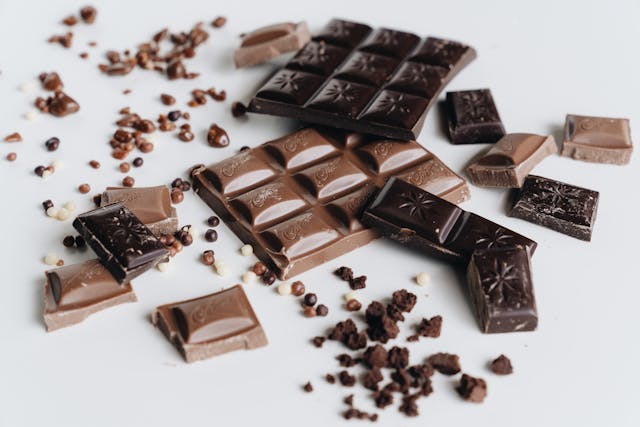
Chocolate rarely looks dangerous at bedtime because it carries a comforting reputation. People associate it with reward, stress relief, and small nightly indulgences. Yet chocolate can behave more like a stimulant than a soothing treat. Cocoa naturally contains caffeine, and it also contains theobromine, which can promote alertness. Those compounds do not hit everyone with equal force, but they still matter. Dark chocolate usually raises the issue more sharply because it contains more cocoa solids. That means a square of intense dark chocolate may act very differently from its size. The portion looks small, yet the chemical signal can be larger than expected. Researchers writing on diet and sleep have repeated the same warning for years. One review cited bedtime advice to avoid chocolate because it contains “both stimulants of the central nervous system.”
That line explains why chocolate belongs among the surprising foods that keep you awake. The stimulant effect grows stronger when people stack chocolate with other evening risks. A dark chocolate bar after coffee does not behave like a harmless dessert. Neither does hot cocoa made with extra chocolate and served close to bedtime. Many commercial desserts also add sugar, cream, and large portion sizes to the mix. Even chocolate-covered nuts can extend evening alertness because the sweetness masks the stimulant edge. Children and caffeine-sensitive adults may notice the effect after amounts that seem minor. That combination can leave the mind more alert while digestion stays busy. When readers ask about foods that disrupt sleep, chocolate deserves more suspicion. Its image says comfort, but its chemistry can say delay. That mismatch between reputation and effect is exactly what makes it easy to overlook.
Chocolate can also disturb sleep through the stomach, not only through stimulation. Reflux guidance often lists chocolate among common triggers for nighttime heartburn. That makes sense because bedtime removes gravity from digestion and weakens the body’s mechanical advantage. If stomach contents rise after lying down, even mild reflux can fragment sleep. Some people do not wake fully, yet their sleep becomes thinner and less refreshing. Others wake with chest burn, throat irritation, or a sour taste after midnight. Chocolate desserts often worsen that risk because they rarely arrive alone. Brownies come with butter, ice cream comes with sugar, and mousse comes with cream. Those extras increase heaviness, prolong digestion, and make bedtime discomfort more likely. The problem grows worse when chocolate lands after a large dinner. Then the body must manage fullness, acid, and stimulants at the same time.
People also underestimate restaurant desserts, which can contain far more chocolate than home portions. Late-night snacking while watching television encourages absent-minded eating, so the dose rises quickly. This is why foods to avoid before bedtime often look innocent in isolation. A few spoonfuls of chocolate pudding may seem small, but timing changes everything. The same dessert at lunch may pass unnoticed and cause no sleep damage. Close to bed, however, it can become a perfect setup for broken rest. Anyone tracking foods that affect sleep quality should note every chocolate source. Bars matter, but so do cocoa drinks, protein snacks, biscuits, and frozen desserts. When bedtime trouble persists, removing evening chocolate is an easy and revealing test. A restless night sometimes begins with the treat least likely to be blamed.
Alcohol Before Bed

Alcohol keeps its place in bedtime rituals because it makes people sleepy fast. That opening effect creates the illusion of help, which is why the habit persists. A glass of wine or whisky may shorten sleep onset on some nights. Yet fast sleep onset is not the same as healthy sleep. Alcohol changes brain activity throughout the night and disrupts normal sleep architecture. Researchers reviewing the evidence have stated that alcohol “disrupts sleep through multiple mechanisms.” That phrase matters because the problem is not limited to one pathway. Alcohol can suppress REM early, increase later rebound, fragment sleep, and raise awakenings.
It also interacts badly with snoring, airway collapse, and existing sleep apnea. A person may fall asleep quickly, then wake at 2 a.m., overheated and restless. Another may sleep through the night yet wake unrefreshed and mentally foggy. Both experiences count as reduced sleep quality, even when total time looks acceptable. Alcohol also increases bathroom trips for some people, which adds another break in the night. That second-half disruption explains the familiar pattern of early waking after an evening drink. That is why bedtime drinking often disappoints by morning, even when evening drowsiness seemed promising. The first hour sells the lie, but the later hours reveal the cost. Among foods that disrupt sleep, alcohol remains especially deceptive because it imitates a solution. In reality, it often trades quick sedation for shallower, more broken rest.
The dose matters, yet even modest drinking can affect vulnerable sleepers. Heavy drinking increases the damage, but small nightly habits can still erode sleep over time. Beer, wine, and spirits differ in taste, yet their common alcohol content drives the risk. Sweet cocktails may worsen things further because sugar, acidity, and high calories join the picture. Large portions close to bedtime leave digestion working hard when the body should be powering down. People who eat late, snore, or live with reflux often notice stronger effects. Alcohol can relax the upper airway and make breathing more unstable during sleep. It can also worsen reflux by irritating the stomach and relaxing key barriers. Then the sleeper faces several problems at once, not one isolated issue. Many people respond by adding coffee the next morning, which deepens the cycle.
Poor sleep leads to extra caffeine, and extra caffeine can sabotage the following night. That is how a nightly glass becomes part of a larger sleep spiral. Readers wondering what not to eat before bed should treat alcohol seriously. It belongs on the list even when culture frames it as relaxation. A calming ritual is only helpful when it improves the actual night that follows. If alcohol is the hidden problem, the contrast appears quickly during a sober week. Sleep may start a little slower, yet it often becomes steadier and more restorative. That improvement surprises many people because the myth of the nightcap runs deep. The body, however, keeps a more honest record than bedtime folklore. For many adults, better sleep begins by removing the drink they trusted most.
Spicy Dishes and Chili-Heavy Takeaways
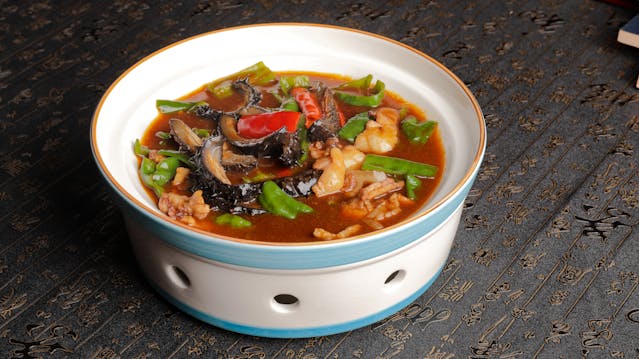
Spicy food earns its reputation through the stomach, not through mystery. A chili-heavy dinner can create a long, uncomfortable runway into the night. The trouble usually begins with heartburn, reflux, or upper abdominal irritation after lying down. Official reflux guidance regularly names spicy foods among common triggers. That advice stays useful because it matches everyday experience for many sleepers. A spicy meal at lunch may pass without trouble. The same meal at 9 p.m. can produce a very different result. Timing changes digestion, posture, and symptom intensity in ways many people underestimate. Once the body lies flat, acid can travel upward more easily. Even mild reflux can then disturb sleep through brief arousals and throat irritation.
Some people wake with burning in the chest. Others notice coughing, a sour taste, or repeated swallowing after midnight. Sleep breaks apart, yet the cause may be dismissed as random restlessness. That is why spicy food remains one of the clearest foods to avoid before bedtime. The problem does not require a huge meal, either. A modest serving of curry, hot wings, or chili sauce can be enough. Restaurant portions can worsen the problem because sauces often carry more heat than expected. Capsaicin-rich meals may linger in memory because the discomfort arrives after the meal has ended. For reflux-prone sleepers, the spice level that seems manageable by taste may still be too high. When readers ask about foods that affect sleep quality, late spicy meals deserve early attention.
Spicy food may also interfere with sleep by nudging body temperature upward. Bedtime physiology works best when core temperature trends downward. A meal that leaves the face flushed and the stomach churning pushes the body away from that direction. That effect does not last forever, yet bedtime is a narrow biological window. Disturbance during that window can delay sleep onset and lighten early sleep. Takeaway culture makes the issue worse because spicy food often arrives late. It also arrives with other sleep disruptors, including fat, salt, acidity, and large portions. Pizza with chili oil, hot fried chicken, and creamy curry all pile on extra burdens. The body must cool, digest, and contain reflux at the same time. That workload can keep sleep shallow, especially after a full day and a late dinner.
Not everyone reacts equally, and that point deserves honesty. Some people handle spicy food well and sleep soundly afterward. Others notice trouble only when they eat it too close to bed. People often blame stress first, yet the evening menu may tell a clearer story. Still, personal variation should not hide the broader lesson. Foods that disrupt sleep often do so through timing and dose, not universal toxicity. The smartest test is practical, not dramatic. Move spicy meals to earlier hours for several nights and track what changes. If waking, heartburn, or throat symptoms improve, the answer becomes hard to ignore. Small adjustments in timing can protect sleep without forcing a joyless diet. A favorite meal does not need to disappear forever. It may simply need a better place on the clock.
Cookies, Cake, Ice Cream, and Sugary Desserts
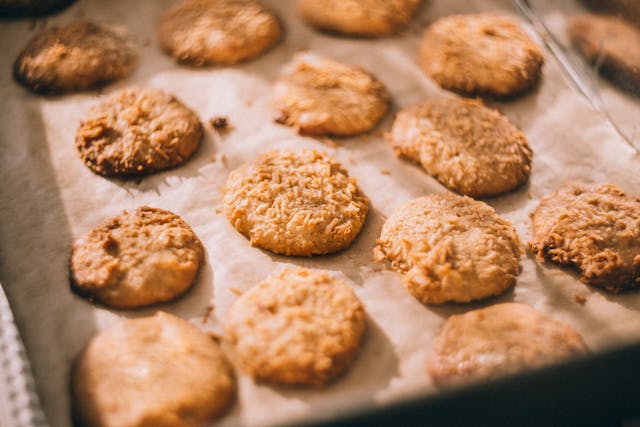
Sugary desserts usually enter the evening dressed as comfort, celebration, or a small reward after a hard day. That familiar role makes them easy to excuse, yet they belong on any serious list of foods that disrupt sleep. Cakes, biscuits, pastries, donuts, ice cream, puddings, and sweet snack foods can all create a poor setup for the night ahead. The problem begins with sugar, but it rarely ends there. Many desserts also deliver refined flour, saturated fat, and large portions that arrive after a full dinner. That combination can push blood glucose upward quickly, then force the body to respond while it should be winding down. Researchers led by Marie-Pierre St-Onge found that a diet higher in saturated fat and sugar was associated with “lighter, less restorative sleep.” That line helps explain why dessert can leave the body tired, yet unsettled.
A person may fall asleep, but the night never deepens properly. Small arousals become more common, and morning arrives with less recovery than expected. Ice cream deserves special mention because it often combines sugar with rich fat and cold volume, eaten quickly. Cake and cookies add the same risks in a different form. They may also appear in oversized portions during evening television or social visits, when people stop tracking intake. The issue is not moral panic about sweetness. The issue is timing, dose, and composition. Foods that affect sleep quality often cause trouble when they stack several burdens at once. A frosted dessert after dinner can do exactly that. It stimulates appetite further, stretches digestion later, and raises the chance of reflux in people already prone to it. Because dessert sounds harmless, many sleepers keep blaming stress while the real culprit sits in a bowl beside the couch.
The sleep cost grows higher when sugary desserts become a nightly ritual. Repetition matters because evening eating habits often train the body into a fixed routine. A person expects something sweet at 9 p.m., eats more than intended, then heads to bed with digestion still working hard. Blood sugar shifts may play a role here, especially when desserts rely on refined carbohydrates and added sugars with little fiber. Research on glycemic load and insomnia has suggested that high-glycemic eating patterns may raise the risk of poor sleep in some groups. Even when the science does not explain every individual case, the practical pattern remains persuasive. Many people sleep better when they move desserts earlier or reduce portion size after dark. This category also overlaps with another common mistake. Sweet evening foods often arrive with caffeine through chocolate, cola floats, coffee ice cream, or mocha puddings.
Then the sugar problem picks up a stimulant edge as well. This is why foods to avoid before bedtime often look ordinary in the kitchen. They are not bizarre foods from fringe lists. They are standard treats eaten at the wrong time, in the wrong amount, with no thought for the biological cost. Anyone reviewing surprising foods that keep you awake should look carefully at dessert habits before chasing exotic answers. A few nights without late sweets can reveal a lot. Sleep may become steadier, the stomach calmer, and the next morning more stable. When a bedtime treat leaves the night lighter and less restorative, it stops being a treat in any useful sense. It becomes one more reason the body never reaches the depth of rest it needs.
White Bread, Sugary Cereals, and Refined Carbohydrates
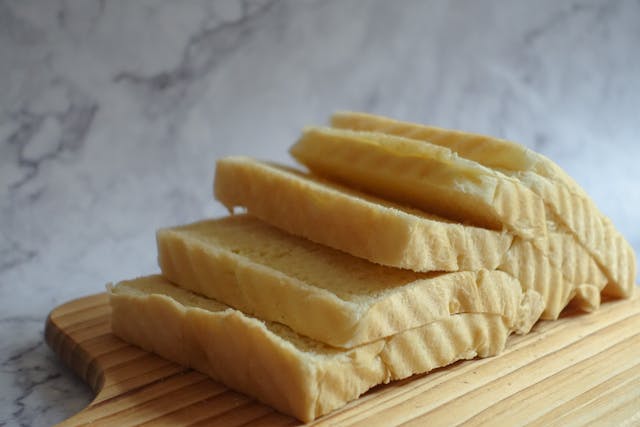
Refined carbohydrates do not look dramatic enough to earn suspicion, which is exactly why they go unnoticed. White bread, sugary cereal, crackers, pastries, plain bagels, sweetened oats, and low-fiber snack foods often appear harmless beside more obvious offenders like coffee or alcohol. Yet these foods can still join the list of foods that disrupt sleep when people eat them late. Their main problem lies in how quickly they can raise blood sugar, especially when they arrive without much protein or fiber. That rise may seem mild in the moment, but bedtime changes the context completely. The body should be settling into a slower rhythm, not managing a rapid wave of refined carbohydrates. Research led by James Gangwisch found that a high-glycemic diet “may be a risk factor for insomnia” in postmenopausal women.
The wording stays careful, as it should, because no single food causes insomnia in every person. Even so, the study adds real weight to what many people notice in daily life. A bowl of sweet cereal at 10 p.m. may seem lighter than a burger, yet it can still leave the night more unsettled. White toast with jam, crackers with processed spreads, or a quick packet of sweetened oats can all create the same late spike. The issue becomes even sharper when these foods replace a proper evening meal. Then hunger, blood sugar swings, and late digestion start colliding in the same few hours. Readers searching for what not to eat before bed often overlook this category because refined carbohydrates do not produce an instant, memorable symptom. They rarely burn like reflux or stimulate like caffeine. Instead, they often show up as a night that never becomes deep enough.
Refined carbohydrates also tend to travel with other sleep disruptors, which increases their impact. Sweet cereals bring sugar. Pastries bring sugar and fat. White crackers often bring salt and processed toppings. Bread becomes more of a problem when it arrives beside jam, chocolate spread, cheese, or greasy leftovers. That is why foods that affect sleep quality are often best understood in clusters, not in isolation. The same late snack can raise glucose, prolong digestion, and leave the body slightly thirsty or bloated by bedtime. Some research has suggested that carbohydrate type matters, with lower-fiber, higher-glycemic choices appearing more problematic than whole grains eaten earlier in the day. That practical distinction matters because it keeps the advice grounded. This chapter is not an attack on bread or grains as a whole.
It is a warning about refined, fast-absorbing evening foods that encourage poor sleep when eaten close to bed. People often choose them because they seem easy, comforting, and less heavy than cooked meals. However, easy does not always mean sleep-friendly. A late bowl of sugary cereal may seem like a small decision, yet the night can still pay for it. Anyone dealing with restless sleep, unexplained waking, or poor morning energy should examine late carbohydrate habits with real honesty. Swap white bread for a higher-fiber option earlier in the day. Move cereal out of the bedtime slot. Stop treating crackers as neutral. The body responds to texture, timing, and composition more than people think. When refined carbohydrates dominate the late evening, sleep can lose depth even without a single obvious trigger.
Fried Foods, Burgers, Pizza, and Fatty Meats

Fatty evening meals often sabotage sleep in ways people recognize only after the habit becomes routine. A burger and chips, fried chicken, creamy pasta, sausage pizza, or a late plate of fatty meat can seem satisfying after a long day. The trouble begins when that satisfaction turns into heaviness that follows a person to bed. High-fat foods generally take longer to digest, which keeps the stomach working during hours when the body should power down. That alone can delay comfort enough to interfere with falling asleep. The risk rises further when the meal includes large portions, acidic sauces, processed toppings, or a short gap before bedtime. Research led by Marie-Pierre St-Onge found that higher saturated fat intake was associated with “lighter, less restorative sleep.”
That phrase captures the problem especially well because many people still sleep after a greasy dinner. They just do not sleep well. The night turns shallow. The body shifts position repeatedly. Morning arrives without the recovery that deep sleep should have delivered. Fried foods also increase the risk of reflux in many people, especially when they lie down soon after eating. A heavy pizza can combine fat, salt, tomato sauce, and large volume in one meal. That makes it a near-perfect recipe for disturbed rest. Burgers bring a similar problem through fat, bread, sauces, and side dishes. Fatty meats create yet another version of the same burden, especially when portion size runs large. Among foods to avoid before bedtime, greasy meals earn their place because they keep the digestive system engaged at the exact hour the brain needs calm.
This category becomes even more damaging when late eating turns into a reward structure. People order takeaway, eat quickly, then collapse into bed before digestion has advanced very far. That pattern can create a night full of discomfort without a single dramatic symptom. Some people wake with heartburn. Others wake thirsty because salty, fatty meals leave them drinking more water late. Some notice only a vague, heavy unrest that makes the night seem long and broken. Foods that disrupt sleep do not need to cause obvious pain to reduce recovery. They only need to prevent the body from moving cleanly into deep, stable sleep. Fried foods manage that very well because they ask a lot of the stomach.
They also overlap with other bedtime problems, including alcohol, sugary sauces, and carbonated drinks. That stack makes the whole evening harder to recover from. This is why foods that affect sleep quality often appear in familiar takeaway menus. Pepperoni pizza, loaded burgers, wings, and fried snacks all combine the worst features for late digestion. A healthier sleep routine does not require a joyless life. It requires smarter timing and more realistic expectations. A greasy dinner at 6 p.m. will often trouble sleep less than the same meal at 10 p.m. That simple shift can matter more than people expect. Anyone struggling with sluggish mornings or repeated waking should look closely at high-fat evening meals before blaming everything on stress. Sometimes the problem is not the day that came before bedtime. It is the plate that arrived just before it.
Tomatoes, Citrus, and Acid-Triggering Sauces

Acid-triggering foods deserve far more attention in conversations about poor sleep. Tomatoes, citrus fruit, orange juice, grapefruit, lemon-heavy dressings, vinegar-rich sauces, and tomato-based pasta dishes can all become problems at bedtime, especially for people prone to reflux. The issue is not that these foods are unhealthy. Many are highly nutritious. The problem lies in timing and acid exposure once the body lies flat. Reflux guidance often warns patients to avoid high-acid foods if they trigger symptoms, and tomato-based dishes regularly appear on those lists. That practical advice holds up because many people notice the effect almost immediately. A bowl of tomato soup, pasta in marinara sauce, or citrus fruit after dinner can produce chest burn, throat irritation, or repeated swallowing during the night. Even small symptoms can fragment sleep.
People do not always wake fully, yet the body still leaves deeper sleep more often. That reduction in continuity can erode sleep quality without leaving a dramatic memory by morning. This is why foods that disrupt sleep sometimes come wrapped in a healthy image. A late orange may look lighter than a brownie. A bowl of tomato pasta may look cleaner than fried chicken. Yet if either food pushes acid upward after lights out, the night can still unravel. This category also overlaps with large evening meals, another major risk factor. Tomato sauce on pizza, for example, often arrives alongside fat, salt, cheese, and a huge portion. Then the reflux risk rises even further. Readers asking what not to eat before bed should not ignore foods simply because they carry vitamins. Nutrition value does not erase nighttime physiology.
What makes this category tricky is its strong individual variation. Some people tolerate tomatoes and citrus late without any noticeable trouble. Others react after modest servings. That difference is exactly why self-observation matters more than sweeping slogans. Foods that affect sleep quality do not always act like universal villains. Sometimes they act like personal triggers that only show themselves under certain conditions. Citrus juice on an empty stomach may irritate one person and not another. Tomato-heavy leftovers eaten at 11 p.m. may disturb sleep more than the same food at lunch. Acid-triggering sauces also tend to hide in convenience meals. Pasta sauces, ketchup-heavy dishes, takeaway pizzas, and ready-made dressings can all load the evening with more acidity than people realize. The answer is usually not full elimination.
It is a smarter placement and cleaner timing. Move acidic foods earlier. Leave more time between dinner and bed. Keep portions moderate when the meal includes tomato or citrus elements. These practical shifts often reduce symptoms without sacrificing favorite foods. For anyone dealing with chronic throat clearing, nighttime coughing, chest burning, or unexplained waking, this category deserves careful attention. Surprising foods that keep you awake are not always stimulating or sugary. Sometimes, they simply make lying down a bad idea. Once acid reaches the esophagus, sleep loses stability fast. That is why tomato sauces and citrus-heavy foods belong on a serious bedtime watchlist. Their damage often arrives quietly, but the morning still reflects it.
Beans, Lentils, Broccoli, and Other Gas-Producing Foods
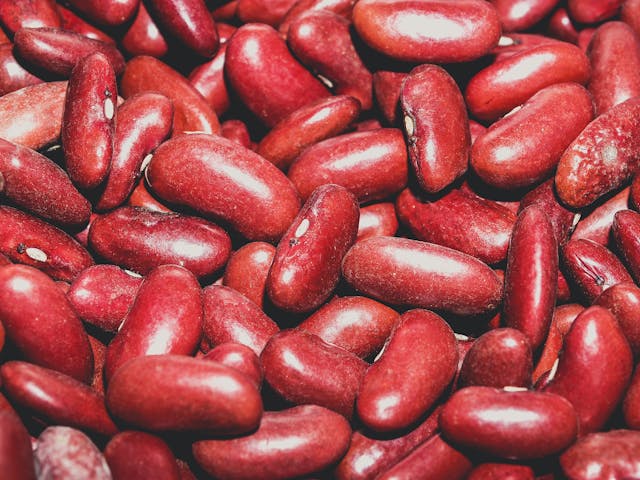
The final category needs more balance than the others because these foods offer real health benefits. Beans, lentils, chickpeas, broccoli, cauliflower, cabbage, Brussels sprouts, and other fiber-rich vegetables support digestion, blood sugar control, and long-term health. Yet even helpful foods can become foods that disrupt sleep when the timing goes wrong. The problem usually comes through gas, abdominal pressure, bloating, or intestinal activity that continues long after bedtime. Verywell highlights legumes and cruciferous vegetables as possible sleep disruptors for that reason, and gastrointestinal research supports the basic idea. Some people with IBS or functional dyspepsia show greater nighttime arousal and report waking from abdominal discomfort. That connection matters because it explains why a healthy dinner can still create a miserable night in sensitive people.
Beans deserve special attention because they are both nutritious and famous for causing gas, especially when people increase their intake quickly. Research on bean consumption has noted that consumers often worry about “excessive intestinal gas or flatulence.” That concern may improve with gradual adaptation, but bedtime still remains a poor moment to test digestive limits. A large bowl of lentil curry, bean stew, or roasted cruciferous vegetables can leave the abdomen distended for hours. The result may not be pain in every case, but discomfort alone can keep sleep shallow. People toss, change positions, and wake more often, even when they never identify the cause clearly. This is one of the clearest examples of foods that affect sleep quality through mechanics, not stimulation. The body simply stays too busy to settle fully.
Read More: Eat for Better Sleep: Top Foods to Try and Ones to Avoid
The practical lesson here is not to fear healthy food. It is to respect digestive timing and personal tolerance. Many people do very well with beans and cruciferous vegetables earlier in the day, then run into trouble only when they eat large servings at dinner. Portion size matters. Preparation matters. Individual gut sensitivity matters most of all. Someone with IBS may react strongly to foods that another person handles with ease. That does not make the food bad. It makes the bedtime schedule wrong for that person’s physiology. This distinction is important because many sleep guides become too simplistic. They treat every triggering food like a villain that must disappear. In reality, what not to eat before bed often includes foods that remain excellent choices at breakfast or lunch.
That is especially true here. A bean salad at midday can work well. A massive serving of chili at 10 p.m. can do the opposite. The same applies to roasted broccoli, cauliflower bake, or lentil soup eaten too late. Anyone tracking surprising foods that keep you awake should note abdominal tension, belching, pressure, and overnight stomach noise. Those clues matter even when the dinner looked healthy on paper. Better sleep may come from a timing adjustment, not a nutritional downgrade. Keep the fiber, legumes, and vegetables. Just move larger servings earlier and introduce them gradually if tolerance is poor. Sleep improves when the gut gets a calmer evening workload. In many homes, that small change brings more benefit than any expensive supplement. A healthy food can still become a bedtime problem when the body has no time left to process it comfortably.
Disclaimer: This information is not intended to be a substitute for professional medical advice, diagnosis or treatment and is for information only. Always seek the advice of your physician or another qualified health provider with any questions about your medical condition and/or current medication. Do not disregard professional medical advice or delay seeking advice or treatment because of something you have read here.
A.I. Disclaimer: This article was created with AI assistance and edited by a human for accuracy and clarity.
Read More: Can ‘Dark Showering’ Actually Improve Sleep? The Viral Trend Explained