
Are you doing harm to your kidneys? Your kidneys quietly filter waste, regulate blood pressure, and balance fluids every single day. Because they work in the background, many people don’t realize how vulnerable they are to damage. One overlooked source of stress is prescription and over-the-counter medication. Some drugs are essential for treating serious conditions but carry risks when used long-term or in high doses. Others may be taken casually without people realizing the strain they put on filtration. Kidney damage often develops slowly, making prevention especially important. Understanding which medications can create risks, and how to manage them safely, is a crucial step in protecting overall health.
1. Proton Pump Inhibitors (PPIs) and Hidden Kidney Risks
Proton pump inhibitors, like Omeprazole, often used for acid reflux or ulcers, are among the most widely taken medications. They work by reducing stomach acid, but studies have linked long-term use to kidney disease. Researchers found that extended PPI use increased the risk of both acute kidney injury and chronic kidney disease. The problem lies in reduced filtering efficiency, which can worsen over time without clear warning signs. People sometimes take PPIs longer than recommended, assuming they are harmless. Symptoms like indigestion may return quickly if the drug is stopped, making it tempting to continue use indefinitely. The potential kidney impact makes close monitoring essential.
Alternatives for Managing Acid Reflux

Doctors recommend using PPIs only for short courses unless absolutely necessary. For ongoing reflux, H2 blockers like ranitidine (before it was withdrawn in many regions) or famotidine may be safer options. Lifestyle measures such as weight management, smaller meals, and avoiding trigger foods can also help reduce symptoms. Elevating the head of the bed and limiting alcohol are proven to decrease nighttime reflux. Natural remedies like deglycyrrhizinated licorice have shown benefits in studies, though they should not replace medical advice. Patients should discuss with their doctor whether tapering off PPIs is possible. Safe management of reflux can protect both comfort and kidney health.
2. Nonsteroidal Anti-Inflammatory Drugs (NSAIDs) and Filtration Stress

NSAIDs, including ibuprofen and naproxen, are common pain relievers for arthritis, injuries, or everyday discomfort. While effective, they can decrease blood flow and can harm your kidneys. Reduced circulation limits the kidneys’ ability to filter, creating stress that may cause damage over time. The risk rises when people take them daily or in high doses, especially without hydration. Combining NSAIDs with other medications like diuretics or ACE inhibitors further increases kidney strain. Older adults and those with preexisting kidney issues are particularly vulnerable. Though widely available, NSAIDs should never be assumed harmless.
Safer Ways to Relieve Pain

Doctors often recommend limiting NSAID use to the lowest dose for the shortest time possible. Acetaminophen is sometimes a safer alternative for pain, though it comes with its own cautions for liver health. Physical therapy, stretching, and heat or cold therapy can reduce pain without drug risks. Topical pain creams may help with localized discomfort and avoid harm to your kidneys. For chronic conditions, non-drug approaches like weight management and low-impact exercise can provide lasting relief. Patients should always discuss pain management strategies with their healthcare provider before long-term medication use. Balancing pain control with kidney safety requires thoughtful planning.
3. Certain Antibiotics and Kidney Damage

Some antibiotics, particularly aminoglycosides like gentamicin, have been strongly linked to kidney toxicity. These drugs are powerful against serious infections but can damage delicate kidney tissues. They affect the tiny filtering structures, sometimes leading to acute kidney injury. Risk increases with high doses or prolonged treatment courses. While often unavoidable in severe infections, their side effects are carefully monitored in hospitals. Even short-term use can pose risks if the patient is already dehydrated or has reduced kidney function. Doctors weigh these factors before prescribing, but awareness is important for patients too.
Other Treatment Options for Infections
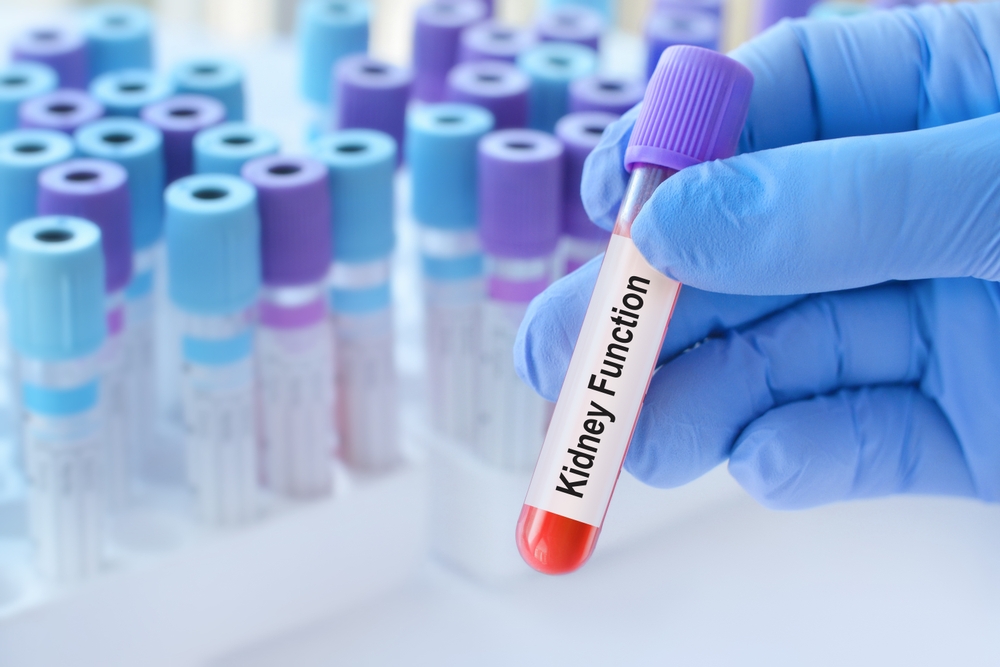
Safer antibiotics are usually available for common infections and are chosen whenever possible. Narrow-spectrum drugs may target bacteria without the same kidney risks. Doctors often monitor kidney function through blood tests if aminoglycosides are necessary. Hydration and dose adjustments also help reduce the risk of injury. Patients should always finish prescribed courses but communicate any side effects like decreased urination or swelling. Preventing infections in the first place through handwashing and vaccines is another protective step. Responsible antibiotic use protects both kidney health and long-term bacterial resistance concerns.
4. ACE Inhibitors and ARBs: Double-Edged Protection
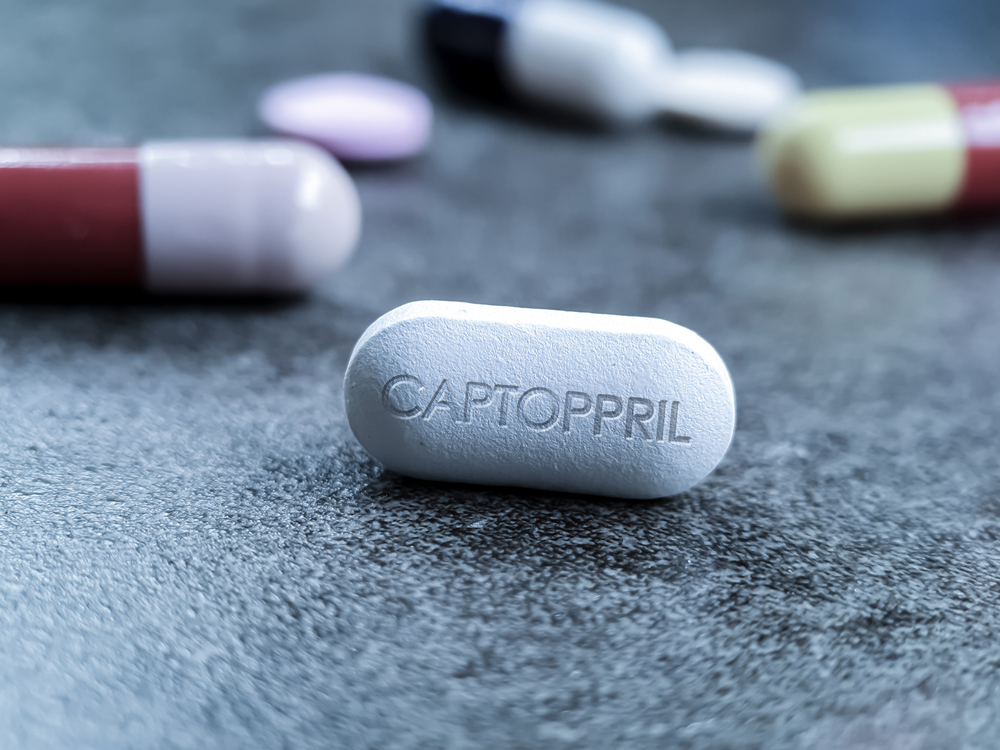
Angiotensin-converting enzyme inhibitors (ACE inhibitors) and angiotensin receptor blockers (ARBs) are widely used for high blood pressure and heart disease. These medications can actually protect kidneys in some patients by lowering pressure on filtration units. However, they may also harm your kidneys when used inappropriately or in combination with other drugs. High doses or dehydration worsen the impact, sometimes leading to elevated blood potassium levels. Monitoring is essential because the same drugs that help some patients may harm others. Doctors regularly check blood tests to balance risks and benefits. For patients with existing kidney issues, careful use is especially important.
Balancing Blood Pressure Treatment Safely

Doctors often continue prescribing ACE inhibitors or ARBs because they offer cardiovascular benefits. Still, they monitor kidney function closely, especially at the beginning of treatment. Patients should maintain hydration and avoid combining these drugs with NSAIDs unless advised by a doctor. Alternatives for blood pressure control include calcium channel blockers or lifestyle approaches like reducing salt intake. Weight loss, exercise, and stress reduction can also make measurable differences in blood pressure. Regular follow-ups allow healthcare providers to adjust medications safely. Kidney safety depends as much on monitoring as on the drug itself.
5. Diuretics and Dehydration Risks
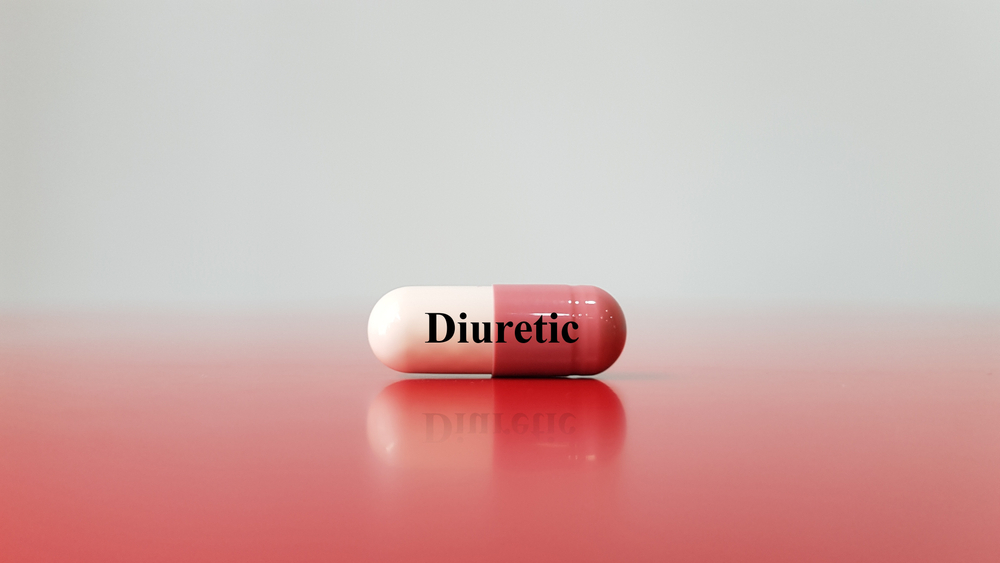
Diuretics, often called water pills, are prescribed for conditions like high blood pressure and fluid retention. They help the body shed extra salt and water, but excessive fluid loss can harm your kidneys. Dehydration reduces blood flow, limiting the kidneys’ filtering ability. Electrolyte imbalances, such as low potassium, may develop with long-term use. For patients already at risk of kidney disease, diuretics can accelerate problems if not carefully managed. Symptoms like dizziness or reduced urination may signal kidney stress. While useful for managing heart and blood pressure conditions, diuretics must be balanced carefully.
Safer Use of Diuretics

Doctors recommend monitoring fluid levels and electrolytes regularly during diuretic therapy. Patients should avoid excessive salt restriction that could compound imbalances. Drinking adequate water is important, though needs vary based on individual health. In some cases, switching to a different class of medication can reduce kidney strain. Lifestyle adjustments, including reducing processed foods and maintaining healthy weight, also help manage blood pressure naturally. Patients should never stop diuretics suddenly without medical guidance. With careful oversight, diuretics can be used safely while minimizing risks to the kidneys.
6. Antiviral Medications and Kidney Burden

Antiviral drugs, such as acyclovir or tenofovir, are vital for treating infections like herpes or HIV. Unfortunately, some of these medications can crystallize in the kidneys or alter filtration. Prolonged or high-dose use increases the chance of damage, especially without adequate hydration. Patients with preexisting kidney conditions are most vulnerable to complications. Doctors usually monitor function closely during antiviral treatment to catch problems early. Despite their risks, these drugs often cannot be avoided because of the severity of the infections. Awareness helps patients take preventive steps.
Managing Antiviral Therapy Safely

Doctors may recommend dose adjustments based on kidney function tests. Drinking plenty of water during treatment helps flush the drug through the system safely. In some cases, switching to alternative antiviral drugs may be possible. Patients should report any symptoms such as swelling or decreased urination promptly. Preventive strategies, like staying current on vaccines, reduce the need for antiviral medication in the first place. Strong communication between patients and providers ensures treatment is both effective and safe. Kidney safety is possible even when antivirals are necessary.
Protecting Your Kidneys While Using Medication

Medications can be life-saving, but some carry risks that quietly affect kidney health. Proton pump inhibitors, NSAIDs, certain antibiotics, ACE inhibitors, diuretics, and antivirals all have the potential to cause strain. The danger is not always immediate, making regular checkups and blood tests essential. Safer alternatives, lifestyle changes, and responsible prescribing can minimize harm. Patients should never stop or change medications without professional guidance. Instead, conversations with doctors allow for personalized approaches that balance treatment benefits with kidney protection. By understanding the risks and practicing prevention, you can take better care of these vital organs and support lifelong health.
Read More: 9 Everyday Choices That Could Lead to Kidney Problems
Disclaimer: This article was created with AI assistance and edited by a human for accuracy and clarity. This information is not intended to be a substitute for professional medical advice, diagnosis or treatment and is for information only. Always seek the advice of your physician or another qualified health provider with any questions about your medical condition and/or current medication. Do not disregard professional medical advice or delay seeking advice or treatment because of something you have read here.