
Creatine is one of the most widely researched and effective supplements available for enhancing high-intensity exercise performance and increasing lean body mass. Despite all of the information that we have on it, there still seems to be much confusion on how to properly incorporate it into your routine. Knowing what to mix and what not to mix with your daily dose of creatine is essential to maximize its benefits and avoid potential drawbacks.
What is Creatine and Why Do People Take It?
Creatine is a naturally occurring compound derived from the amino acids glycine, arginine, and methionine. About 95% of your body’s creatine stores are found in your skeletal muscles, primarily in the form of phosphocreatine, or creatine phosphate. The primary reason athletes and fitness enthusiasts take creatine is to boost the body’s energy system for short-duration, high-intensity activities, such as weightlifting or sprinting. However, creatine is becomeing well more well known as a supplement that may be benefiticial outside of the gym for things like dementia and cognitive health.
How Creatine Works
When you perform intense exercise, your body uses Adenosine Triphosphate (ATP) as its primary energy source. ATP quickly converts to Adenosine Diphosphate (ADP), which is unusable. Phosphocreatine rapidly donates a phosphate molecule to regenerate ADP back into ATP. By supplementing with creatine, you increase your phosphocreatine stores, which allows your muscles to sustain high-intensity effort for slightly longer periods and recover faster between sets. This increased energy capacity leads to greater overall training volume. Over time, this translates to improved strength, power, and muscle growth, called hypertrophy.
5 Things You Should Never Mix with Creatine
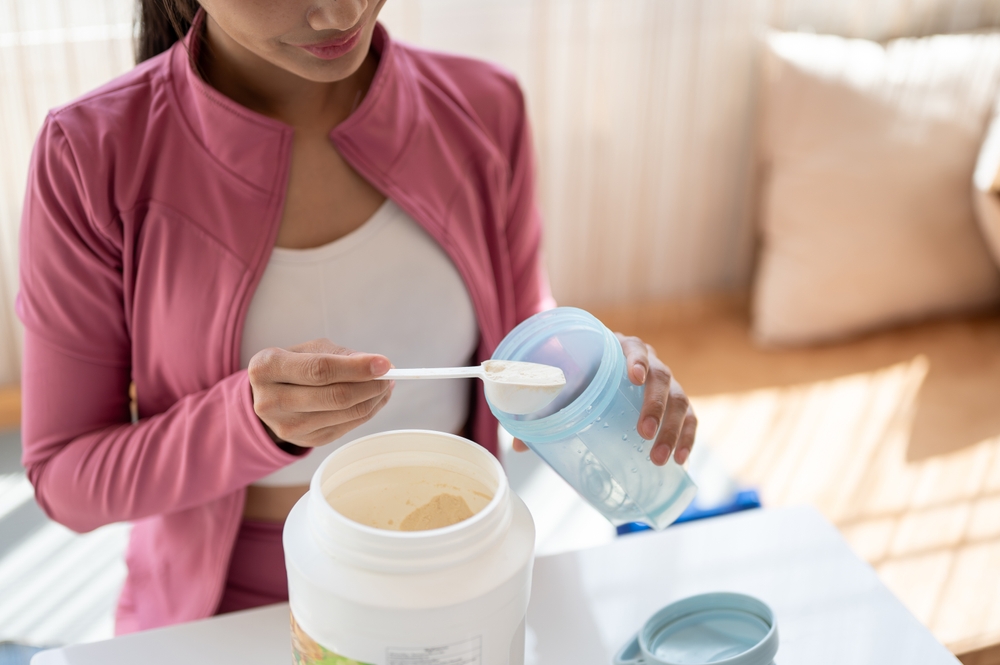
Knowing what to take or mix with your creatine and what not to can have a big impact on how well it works. Certain substances can either degrade creatine, counteract its mechanisms, or potentially place undue stress on your body. These are five things to be mindful of when taking creatine.
1. Highly Acidic Juices (If Mixed and Left to Sit)
While it’s generally fine to mix creatine into a glass of orange juice and drink it immediately, leaving creatine dissolved in highly acidic liquids like pure citrus juices (for example, orange, lemon, or grapefruit juice) for an extended period is not advisable. Creatine is relatively unstable in an acidic environment and can slowly break down into an inactive waste product called creatinine. While the stomach acid is highly acidic anyway, dissolving it in an acidic liquid before consumption accelerates this degradation process, potentially making a portion of the supplement less effective by the time it reaches your small intestine for absorption. For best results, use water or a less acidic juice and consume it promptly.
2. High Doses of Caffeine Taken Simultaneously

Image credit: Shutterstock
The interaction between creatine and caffeine is complex, with mixed scientific findings, but it’s often recommended to separate the timing of high-dose intake. Some older studies suggested that caffeine intake might counteract creatine’s ergogenic (performance-enhancing) effects due to opposing effects on muscle relaxation time and the potential for increased gastrointestinal distress when taken together. Creatine can help with muscle relaxation by promoting calcium reuptake, while caffeine can increase calcium release, leading to opposing muscular actions. Additionally, caffeine is a mild diuretic, which can potentially exacerbate the need for hydration, an essential factor when taking creatine. While current consensus suggests they are generally safe, spacing them out (e.g., taking creatine post-workout and caffeine pre-workout) can be a prudent strategy to ensure maximum benefit from both.
3. Alcohol
Alcohol should be avoided, particularly around the time of your workouts, for a variety of reasons. In terms of when you take creatine, alcohol directly undermines the key mechanisms of creatine. Alcohol is a potent diuretic, causing increased water loss and promoting dehydration. Creatine works by drawing water into the muscle cells (cell volumization). When you are dehydrated, creatine cannot effectively perform this cell-volumizing action, which is a significant part of its function in muscle building and performance. Furthermore, chronic or heavy alcohol consumption can damage the liver and kidneys, the organs responsible for creatine synthesis and processing, respectively, placing unnecessary stress on them.
4. Excessive Simple Sugar (If not needed for absorption)
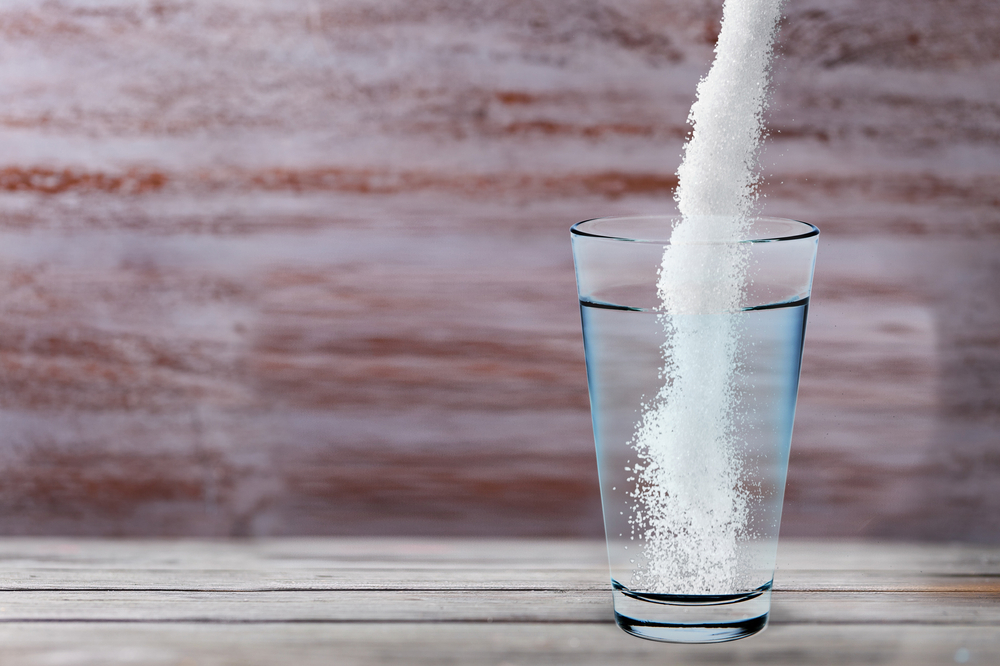
While a small amount of simple carbohydrates is actually beneficial for creatine absorption, mixing it with excessive amounts of pure sugar is unnecessary and simply adds unwanted calories. Creatine absorption is enhanced when taken with carbohydrates or a mix of carbs and protein. The carbohydrates spike insulin levels, and insulin acts like a key, helping to transport creatine into the muscle cells. Simple water is perfectly fine, but a moderate amount of juice or a sports drink is beneficial. Adding large scoops of pure sugar is overkill, offers no additional benefit over a moderate amount, and introduces unnecessary high sugar intake.
Read More: 5 Creatine Myths Debunked by Experts
5. Other Supplements with Overlapping Ingredients or High Doses
It’s not about danger, but about diminishing returns and unnecessary kidney load. Many pre-workouts, protein powders, or all-in-one supplements already contain a full dose of creatine. If you take your standard creatine dose plus a pre-workout with 5g of creatine, you are simply over-consuming a nutrient your body can’t utilize all at once. For water-soluble nutrients, your body will absorb what it needs and excrete the rest, along with their metabolic byproducts, through your urine. This places a greater burden on your kidneys to filter the excess. It’s important to check all ingredient lists and only consume what you need.
The Importance of Staying Hydrated
Hydration is paramount while supplementing with creatine. Creatine’s primary function in the muscle involves drawing water into the cell (the cell volumization mentioned earlier), which is thought to trigger anabolic signaling pathways for muscle growth. By pulling water into the muscle cell, creatine increases your body’s overall fluid needs. Insufficient water intake can compromise creatine’s effectiveness and is often the reason people experience mild side effects like muscle cramps or stomach discomfort. It is widely recommended to significantly increase your daily water intake to facilitate creatine transport and processing, support kidney function, and replace the water being sequestered by the muscle tissue. Aim for around three to four liters or 12 to 16 cups of water per day for active adults.

It’s crucial to understand that creatine is an ergogenic aid, meaning it enhances your ability to work out, but it does not directly build muscle tissue in isolation. Creatine’s role is to boost your available energy, which allows you to perform extra reps of lifts with slightly heavier weights during a workout. This increased training volume and intensity is the true stimulus for muscle hypertrophy. If you take creatine but do not engage in resistance training, you will not build muscle mass. The supplement simply gives you the capacity to push harder, but you still have to put in the work – it is the catalyst, not the constructor.
The Bottom Line
Creatine monohydrate is a safe, effective supplement for improving performance and muscle growth when used correctly. The key to maximizing your gains and minimizing side effects is consistency (taking it daily), proper dosing (3-5g per day), and smart mixing. Avoid highly acidic liquids left to sit, limit high-dose co-ingestion of caffeine, and most importantly, never compromise your hydration, especially with alcohol. By respecting these simple guidelines, you can ensure that creatine serves as an effective tool in your fitness journey.
Read More: Taking a Break From Creatine? Here’s What You Need To Know