
Have you ever run your tongue over your teeth and noticed a fuzzy feeling? That’s not just leftover food, it’s dental plaque, and if you don’t deal with it, it can cause serious trouble. Dental plaque is a sticky film of bacteria that constantly forms on your teeth. It’s usually colorless or light yellow and can easily go unnoticed until it begins to cause problems. If left untreated, plaque hardens into tartar, which contributes to cavities, gum disease, and even tooth loss. While professional dental cleanings remove tartar, you can help prevent and manage plaque buildup at home with several effective natural methods.
While these remedies aren’t fully proven by science, they have some evidence-backed properties that suggest they can support better oral health, reduce bacteria, and keep plaque in check when used consistently. They’re safe, affordable, and easy to integrate into your daily routine.
1. Pull Bacteria Away with Coconut or Sesame Oil

Oil pulling is a simple, traditional technique that involves swishing oil around in your mouth to draw out bacteria and toxins. Coconut oil, in particular, contains lauric acid, which actively fights germs and reduces inflammation. Sesame oil works similarly and can also help lower bacteria levels in the mouth. Oil pulling works by trapping harmful microbes in the oil and removing them when you spit it out. This process reduces oral bacteria like Streptococcus mutans, one of the main culprits behind plaque and tooth decay. Research has shown that following a 40-day regimen of oil pulling resulted in an average reduction of 20% in the total microbial count in the mouth. It’s one of the easiest natural remedies to remove plaque when used consistently.
To try oil pulling:
- Swish one tablespoon of coconut or sesame oil in your mouth for 15 to 20 minutes
- Do not swallow the oil, as it now contains bacteria
- Spit the oil into a trash can, not the sink, to avoid clogs
- Brush your teeth afterward as usual
Doing this once a day, especially in the morning, helps remove dental plaque and supports fresh breath and healthy gums.
2. Scrub Gently with Baking Soda
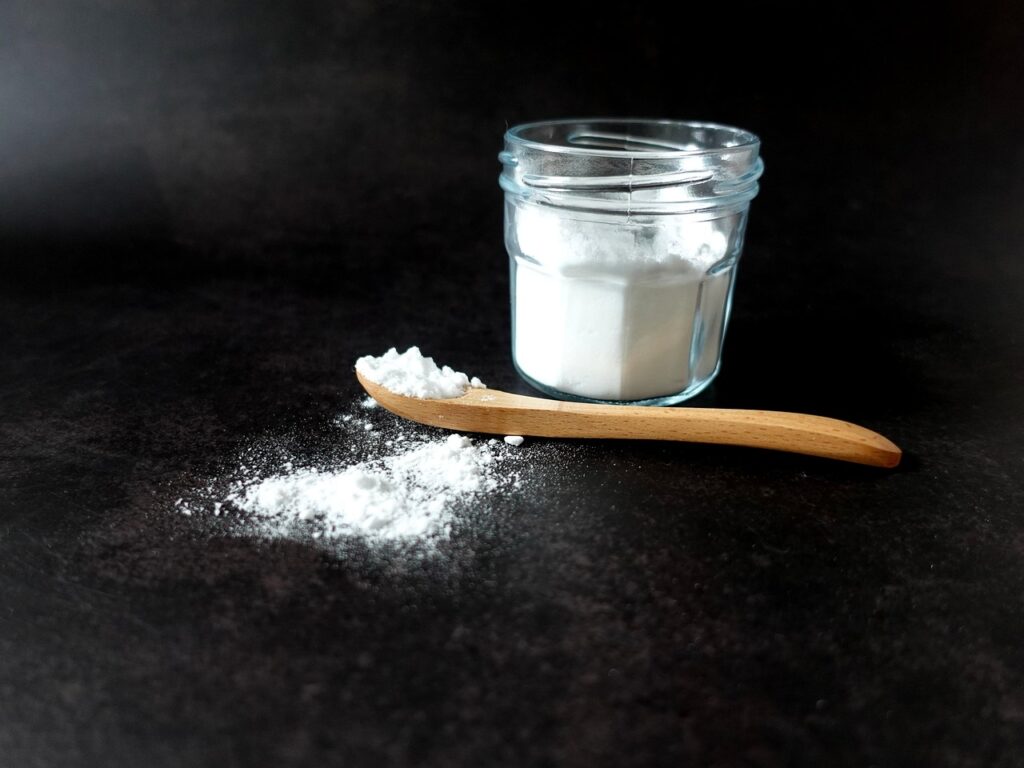
Baking soda is a natural, gentle abrasive that physically removes plaque while balancing the mouth’s pH levels. It helps scrub away soft buildup without being too harsh on tooth enamel when used correctly. Its slightly alkaline nature neutralizes acids in the mouth, creating an environment that discourages bacteria from growing. Research has found that toothpastes containing baking soda, such as those with more than 20% baking soda, significantly remove more plaque biofilm compared to conventional toothpastes. Incorporating a baking soda toothpaste or homemade scrub into your routine is a reliable and affordable way of removing plaque.
To use it safely at home:
- Mix one teaspoon of baking soda with a small amount of water to form a paste
- Brush your teeth gently using this paste for about two minutes
- Rinse thoroughly with water
Limit use to one or two times per week to avoid wearing down your enamel.
3. Fight Germs with Aloe Vera Gel
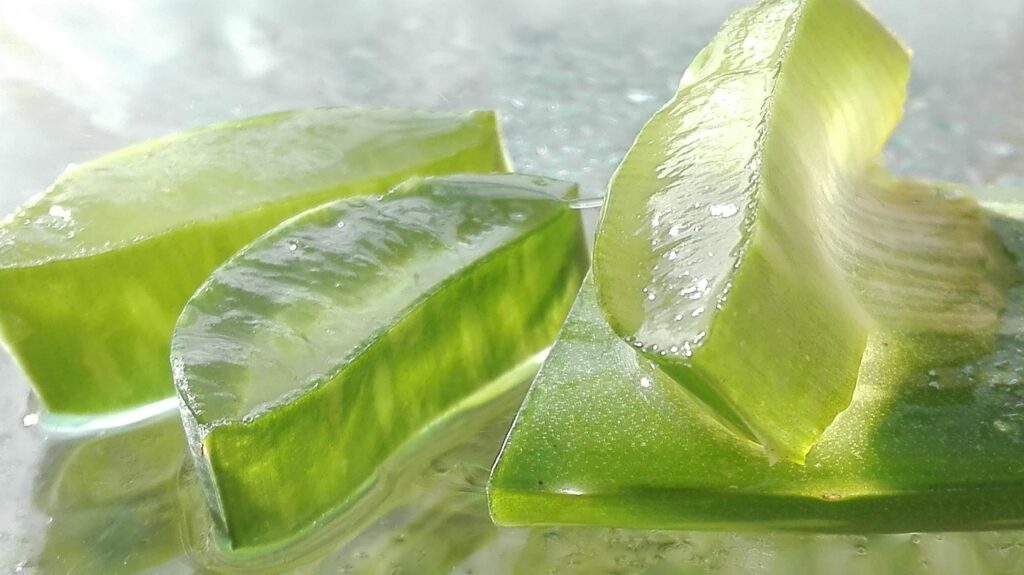
Aloe vera does more than soothe skin; it also helps fight bacteria in your mouth. Multiple studies have shown that the gel found inside aloe leaves contains compounds that kill plaque-causing microbes and reduce inflammation in the gums. Applying aloe vera to your teeth and gums can help stop plaque from forming, while also calming irritated tissues. Clinical trials found that aloe vera mouthwash and toothpaste significantly reduce dental plaque accumulation, similarly to chlorhexidine, a standard antiseptic. Its antimicrobial action targets the root causes of plaque and gingivitis. For anyone wondering how to prevent plaque buildup using natural ingredients, aloe vera is an excellent option.
Here’s how to use it:
- Cut a fresh aloe vera leaf and scoop out the clear gel
- Rub the gel onto your teeth and gums
- Let it sit for 10 minutes
- Rinse your mouth well with water
Repeat this process twice a day, morning and evening, for the best results.
4. Use Apple Cider Vinegar Carefully
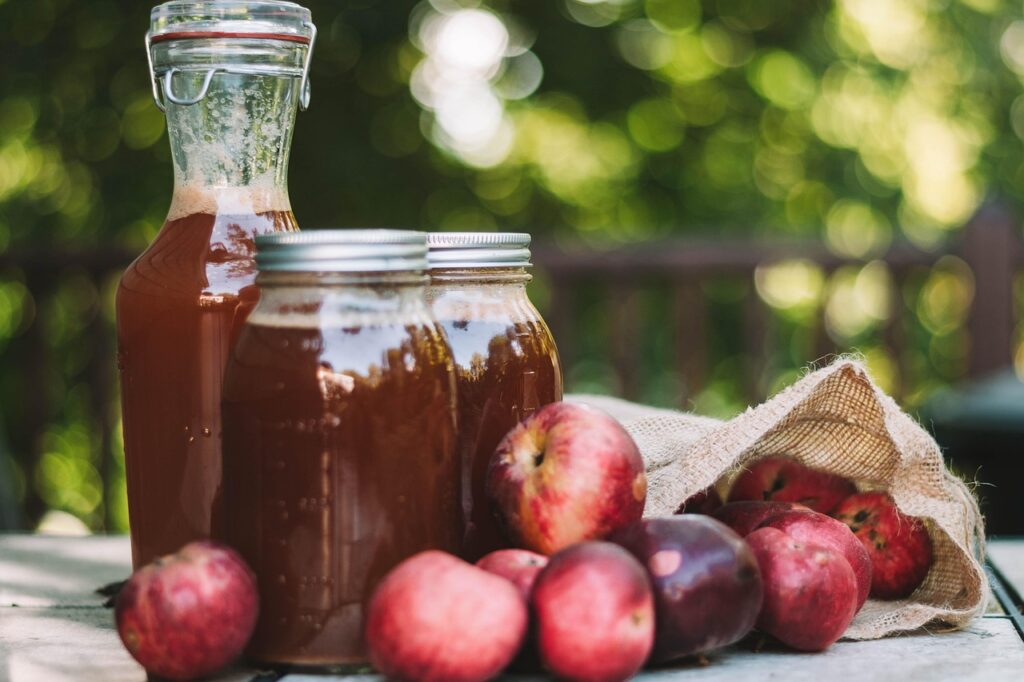
Apple cider vinegar (ACV) contains natural acids and antibacterial properties that help dissolve plaque and reduce the number of harmful bacteria in your mouth. When diluted, it can be used as a gentle rinse to improve oral cleanliness. A randomized clinical study found that ACV (5% concentration) significantly decreased dental plaque accumulation and gingivitis in children compared to manual brushing alone. This study highlighted ACV’s microbial effects against bacteria such as Streptococcus mutans and fungi like Candida albicans, which contribute to oral plaque and infection. However, ACV is highly acidic, and using it undiluted or too often may erode tooth enamel. It’s important to use it carefully and rinse your mouth well afterward. When used properly, ACV can support natural efforts to remove dental plaque and balance oral bacteria.
To create a safe ACV rinse:
- Mix one or two teaspoons of apple cider vinegar into half a cup of water
- Swish the mixture around your mouth for about 30 seconds
- Spit it out and rinse with plain water
Use this rinse only once or twice a week to avoid damaging your enamel. Avoid brushing immediately after using ACV, as the enamel may be temporarily softened by the acid.
5. Eat Crunchy Fruits and Vegetables
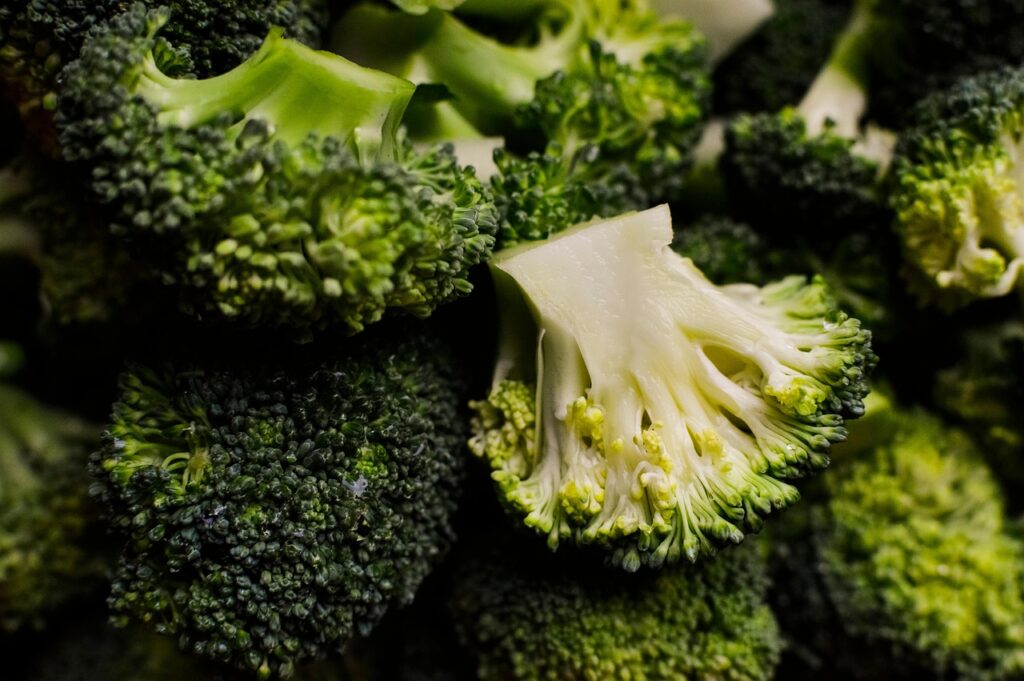
One of the simplest and most natural ways to reduce plaque is by eating crunchy fruits and vegetables. Foods like apples, carrots, celery, and cucumbers work like nature’s toothbrush. Their firm texture helps scrape plaque off the surface of your teeth while you chew. Chewing these foods also increases saliva production, which plays a key role in protecting your teeth. Saliva neutralizes acids, washes away leftover food particles, and prevents bacterial overgrowth.
Crunching on broccoli can be particularly helpful in removing plaque, as it contains a compound called diindolylmethane (DIM). Research has shown that DIM can decrease dental plaque formation by as much as 90%, greatly reducing the chances of cavities and gum disease. Regularly including raw, fibrous produce in your meals is a smart strategy for removing plaque at home and promoting long-term dental health.
Make crunchy produce a regular part of your diet by:
- Snacking on raw apples or carrots between meals
- Adding celery or cucumbers to your lunch or salad
- Finishing meals with fibrous fruits to help clean your teeth naturally
Including these types of food in your daily routine helps maintain a healthier mouth and reduces your risk of plaque buildup over time.
Stay Consistent with Your Oral Care Routine

While these natural remedies can support your oral health, they work best when combined with consistent hygiene and regular checkups. Relying on them alone will not remove tartar or treat existing gum disease, but they can help prevent plaque from building up and support long-term oral health. Be sure to brush your teeth twice a day, floss daily to remove plaque between your teeth, and visit your dentist every six months for cleanings and checkups. Alongside proper daily care, using these natural remedies to remove plaque as a boost can help protect your smile, prevent oral health issues, and keep your breath fresher and your teeth cleaner every day.
Health Disclaimer: This information is not intended to be a substitute for professional medical advice, diagnosis or treatment and is for information only. Always seek the advice of your physician or another qualified health provider with any questions about your medical condition and/or current medication. Do not disregard professional medical advice or delay seeking advice or treatment because of something you have read here.
Read More: Having a Bad Taste in Your Mouth is a Common Sign of This Oral Condition