
“History Is Written by the Victors” a quote attributed to Winston Churchill holds prescient when it comes to the retelling of history’s heroes. While the true origin of the quote is contested, the sentiment is carried throughout history, even for history’s heroes. We recognise the worst people in history for their atrocities yet we tend to obscure the past of history’s heroes.
While some major figures in our history have undoubtedly benefitted civilization through their contributions, some of history’s heroes have dark and horrific pasts. This article unpacks the ugly truth of 20 of history’s heroes and villains that are either omitted or otherwise overlooked for various reasons.
1. Mahatma Gandhi
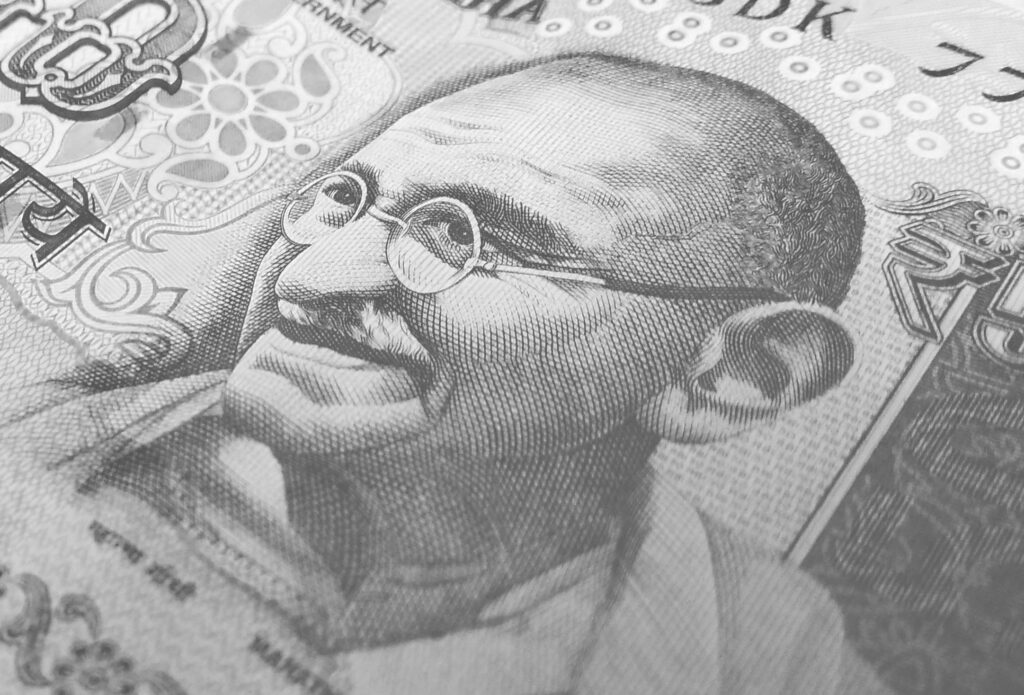
Hailed globally for pacifistic activism, Mahatma Gandhi played a pivotal role in Indian independence, social reform, and promoting global ethics. Gandhi pioneered nonviolent resistance, a philosophy known as satyagrapha which became a powerful form of resistance against colonial rule. His philosophy inspired civil rights activists and leaders like Martin Luther King Jr. and former South African President Nelson Mandela.
Gandhi organised mass movements in India advocating for independence from British colonial rule and reliance. He urged for unity between Hindus and Muslims, economic upliftment of the “untouchables” – a group in the lowest caste of Indian society, and equality for women. However, some people dispute Gandhi’s benefits to society.
During his tenure in South Africa, Gandhi’s early writings revealed a disturbing acceptance of racial hierarchies. He used derogatory language to describe Black South Africans and believed in separation between Indian and Black South Africans. Gandhi saw Black South Africans as primitive, sometimes framing Indians being closer to Europeans in civility. Gandhi’s activism in South Africa primarily focused on Indian communities and sometimes failed to challenge broader systems of racial oppression directly.
2. Winston Churchill
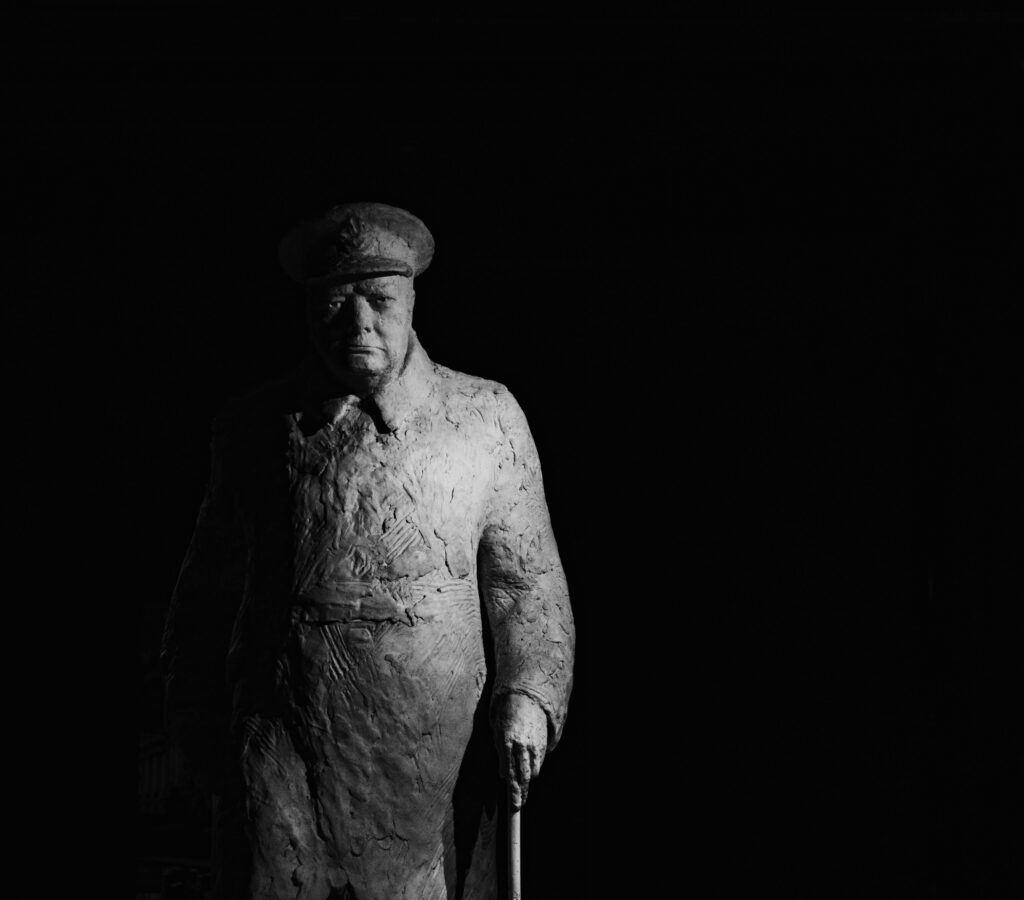
Known for his steadfast leadership as British Prime Minister during World War II, Winston Churchill inspired the nation with resilience. He is remembered in the Western world for refusing to capitulate to Nazi Germany. His famous speeches, such as his “blood, toil, tears and sweat” – inspired the British public and the Allied forces becoming symbols of hope and resistance.
However, Churchill is now remembered for his atrocities and imperialistic attitudes towards Britain’s colonies. He was a staunch opposer to Indian independence, made a myriad of racist statements and was very vocal against Gandhi. Churchill’s role in the 1943 Bengal Famine, killed over 3 million people due to Churchill’s racist attitudes and wartime policies. Research shows that the disaster was not due to a drought but by man-made famine. He is remembered by labor groups for being harshly anti-union and supporting heavy-handed measures during industrial disputes.
3. Mother Teresa
Known for her compassionate humanitarian work, Mother Teresa has dedicated her life to “the poorest of the poor.” She also preached unity, crossing religious and social boundaries to tend to people from all backgrounds, those with leprosy or HIV/AIDs alike. Mother Teresa earned a Nobel Peace Prize in 1979 for her services to humanity. Her humility, hands-on service, inclusivity, and unwavering faith encouraged others to empower and uplift society’s marginalized.
However, this façade was quickly unravelled by her critics. They accused Mother Teresa’s order of providing poor medical care despite receiving vast donations. Facilities often lacked proper diagnosis, pain relief, and nutrition, prioritizing spiritual suffering over comfort. Her organization faced allegations of financial secrecy and hoarding large unspent sums. She accepted funds from authoritarian leaders without questioning sources. Mother Teresa opposed abortion, contraception, and divorce. She defended an accused abuser and tightly controlled her order’s hierarchy.
4. Thomas Jefferson
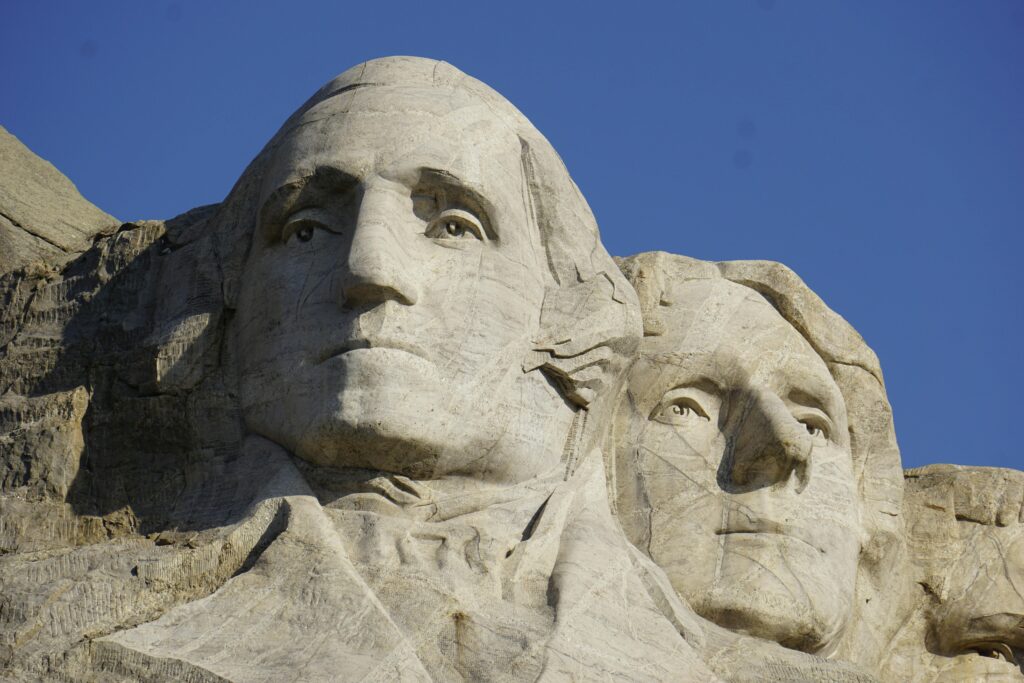
Thomas Jefferson crafted the Declaration of Independence, championing life, liberty, and the pursuit of happiness. He expanded religious freedom, promoted public education, and advanced Enlightenment principles in law. As president, he doubled U.S. territory through the Louisiana Purchase and worked for limited government and free markets. Jefferson’s ideals inspired revolutions and calls for democracy, later echoing in movements for civil liberties and independence throughout history.
Jefferson enslaved over 600 people during his lifetime, publicly denouncing slavery yet never freeing most of the enslaved individuals he owned. He believed Black people were inherently inferior and supported colonization schemes to remove them after emancipation. DNA evidence confirms he had a sexual relationship, and at least 6 children, with Sally Hemings, a teenage enslaved girl he owned.
5. King Leopold II
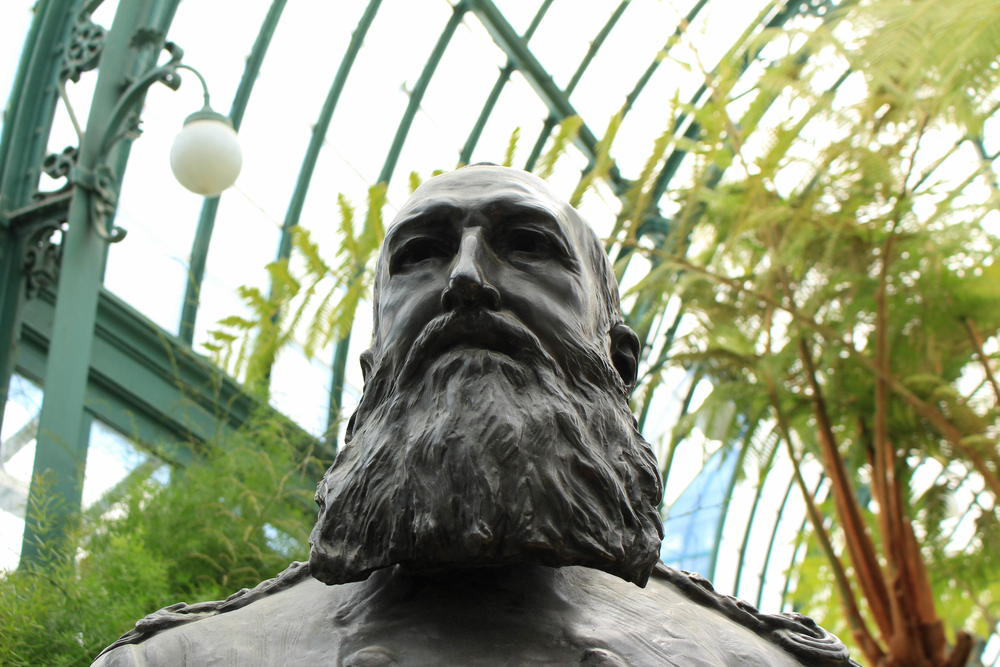
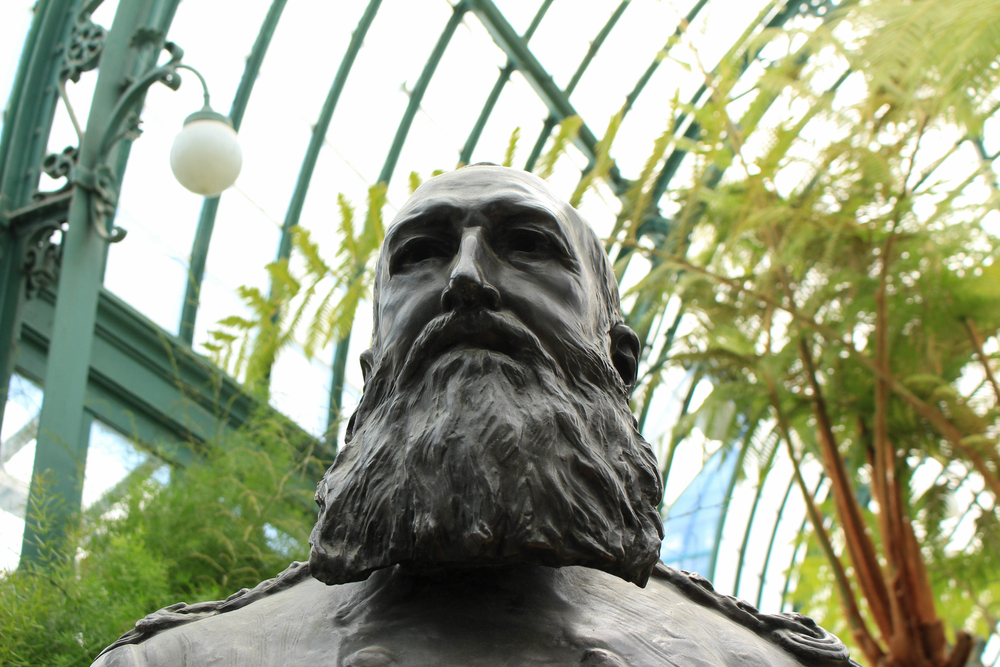
King Leopold II privately ruled over the Congo Free State from 1885 to 1908. This is notably one of history’s deadliest colonial regimes. He brutally enslaved the native populations. His agents enforced brutal quotas for rubber and ivory through forced labor, torture, murder, and mass amputations.
Starvation, disease, and abuse caused a population decline estimated between 1 and 15 million. Profits enriched Leopold personally while the Congolese people suffered immensurable trauma and irreversible damage. Native populations faced mass displacement, famine, and horror. International outcry finally forced Belgium to take control in 1908.
6. Thomas Edison

Thomas Edison secured 1,093 patents and transformed industries with inventions like the light bulb, phonograph, and motion pictures. He pioneered the modern research laboratory model and electric utility systems, fostering teamwork and mass production.
However, his rivalry with Nikola Tesla revealed darker tactics: Edison staged public animal electrocutions to discredit AC power. Some critics speculate Thomas Edison stole some patents from Nikola Tesla although this has not been proven. Edison opposed alternating current adoption and engaged in smear campaigns, which modern critics see as unethical actions overshadowing his innovations. Some sources speculate Edison engaged in these smear campaigns due to corporate greed.
7. Werner Von Braun
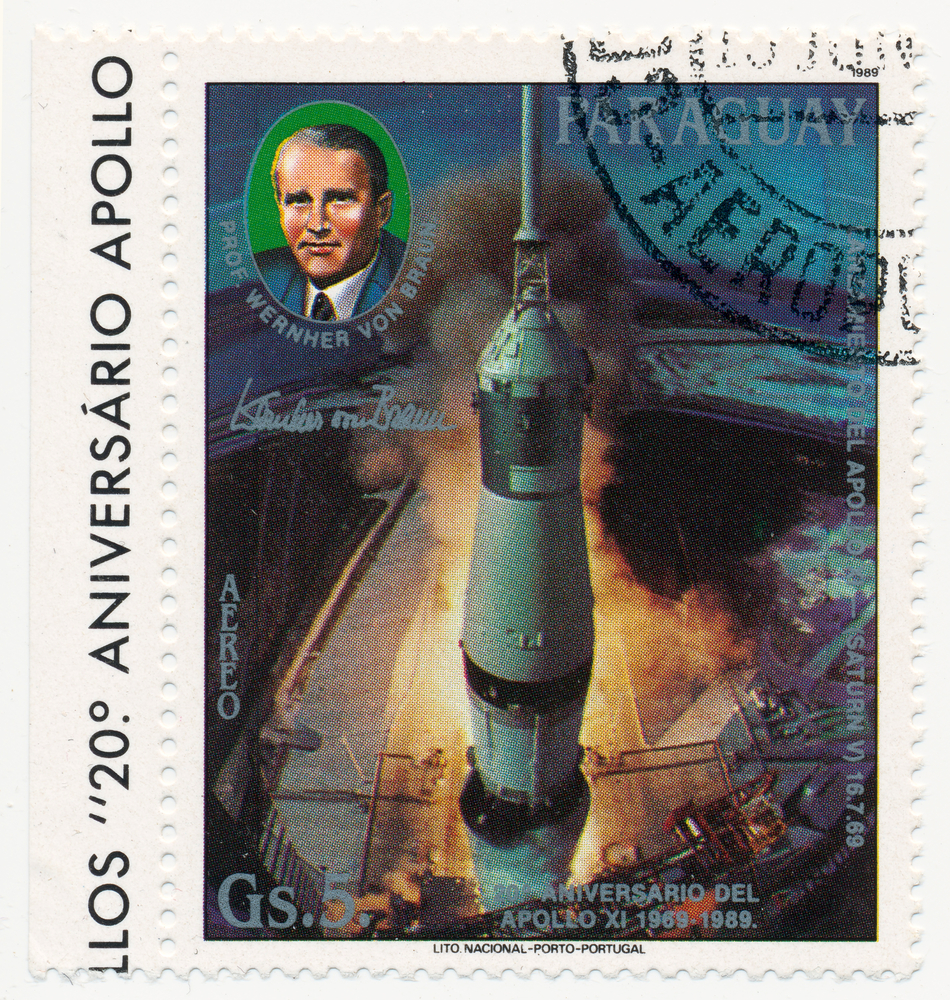
Wernher von Braun, a celebrated NASA rocket scientist, once designed weapons for Hitler. His expertise in rocketry were renowned, with Von Braun spearheading Germany’s V-2 missile and later leading NASA’s Saturn V program. NASA’s Saturn V program was responsible for putting astronauts on the Moon. He advanced American space exploration, education, and technology, promoting public engagement with science.
However, his V-2 production relied on forced concentration camp labor, causing thousands of deaths. Von Braun’s collaboration with the Nazis linked his legacy to one of humanity’s worst atrocities. His secret recruitment to the U.S. under Operation Paperclip deepened this controversial connection.
8. Jimmy Savile
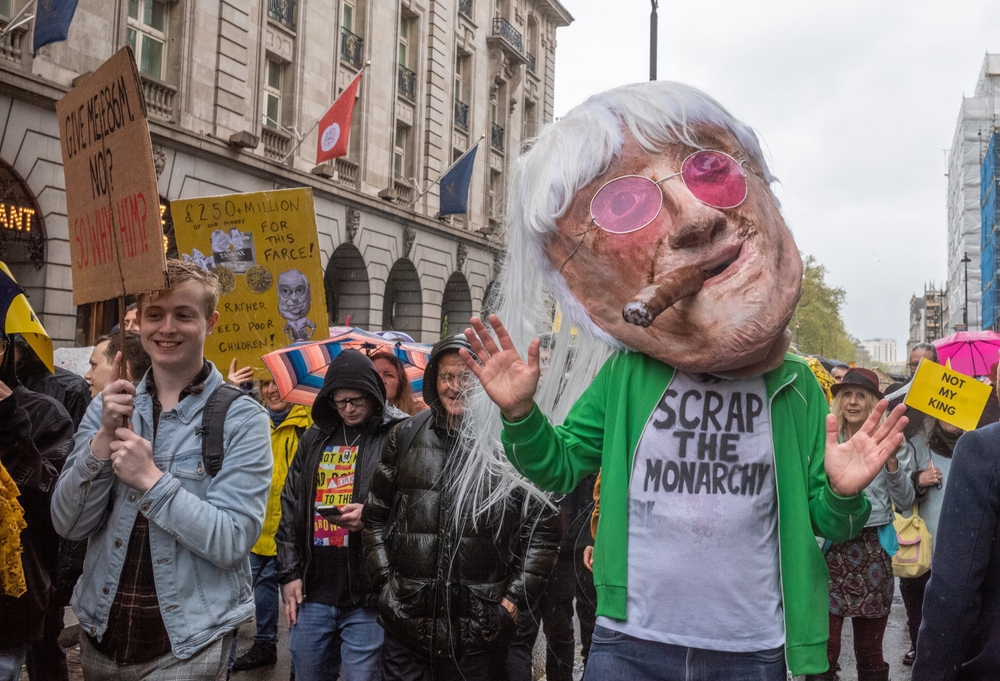
Jimmy Savile rose to fame as a BBC TV and radio star, celebrated for his eccentric image and philanthropy. He raised millions for hospitals and entertained audiences on shows like “Jim’ll Fix It.” After his death, investigations revealed decades of sexual abuse. Investigators were faced with over 450 allegations that had surfaced, largely against children. Hospitals and the BBC ignored repeated complaints, enabling Savile’s decades of abuse and ultimately destroying his once-charitable public reputation.
9. J. Edgar Hoover
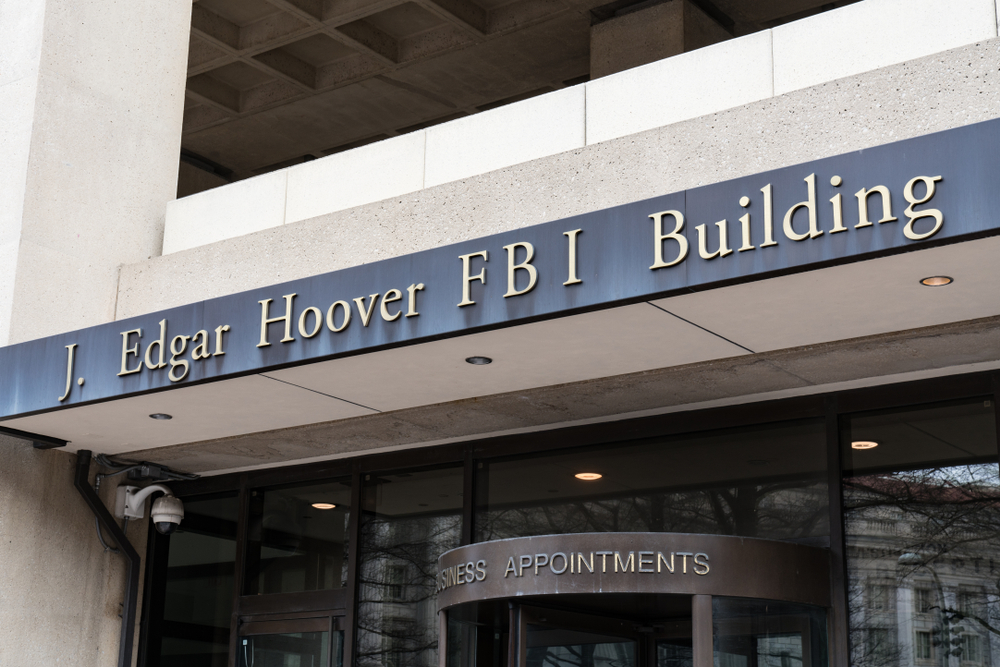
J. Edgar Hoover led the FBI from 1924 to 1972, and was hailed as a symbol of law and order. He introduced scientific crime detection, centralized fingerprint files, and background checks, modernizing law enforcement. However, Hoover abused his power by amassing secret files to blackmail politicians. He also launched COINTELPRO to surveil and undermine civil rights leaders and movements. He targeted Martin Luther King Jr. with illegal surveillance, blackmail, and threats, severely denting the civil rights movement’s expansion.
10. Cecil Rhodes
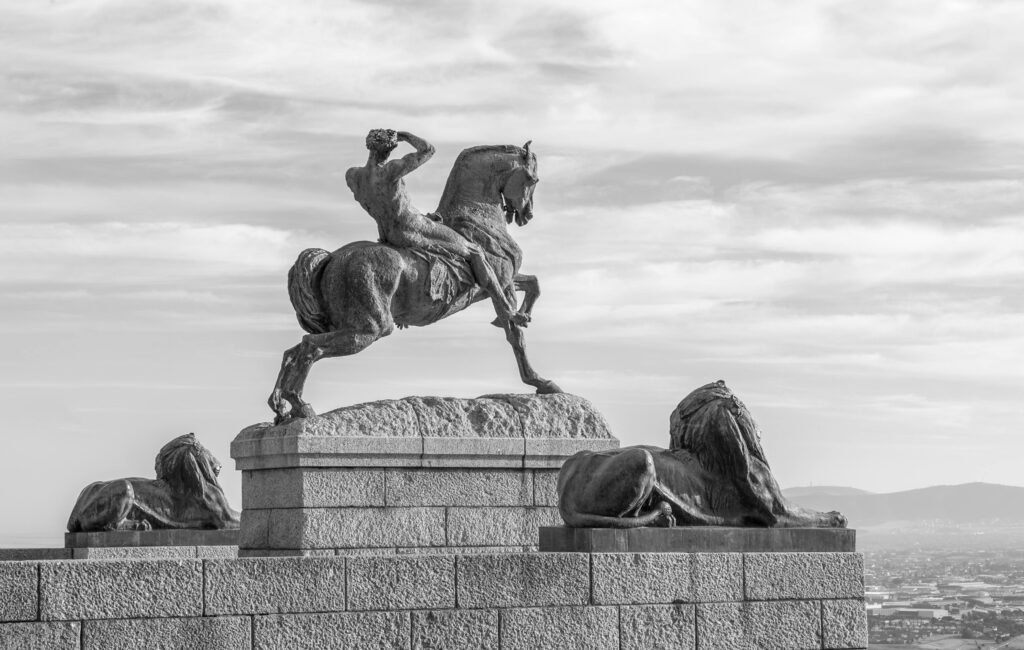
A brutal imperialist, Cecli Rhodes founded De Beers diamond company and became Cape Colony Prime Minister in 1890. His mining empire expanded British control over Southern Africa, violently exploiting most of the region for labour and resources. However, Rhodes forcibly colonized vast territories through the British South Africa Company, dispossessing indigenous peoples of their land.
He institutionalized racial segregation via the Glen Grey Act, laying foundations for apartheid. Rhodes exploited African forced labor, used brutal military tactics against the Ndebele, and promoted white supremacy. South African university, Rhodes University, faced controversy over its name due to ties to Cecil Rhodes and his legacy. In 2017, the institution chose to keep the name despite widespread debate.
11. Fritz Haber
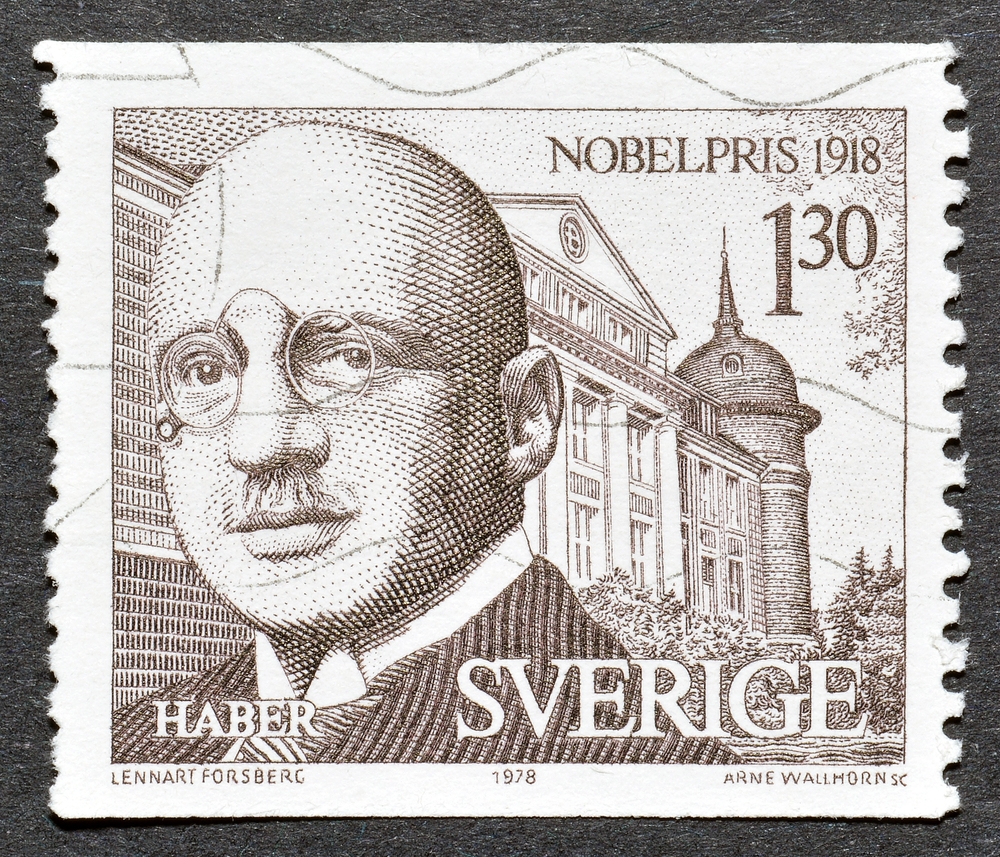
Fritz Haber’s work in agriculture saved billions of lives by inventing a process to synthesize ammonia, producing fertilizers that helped combat global hunger. He won the Nobel Prize in Chemistry in 1918 for this achievement. However, he developed and supervised poison gas attacks for Germany in World War I. His wife, Clara, committed suicide, reportedly distressed by his chemical weapons work. Later, Haber’s research indirectly contributed to the production of Zyklon B used in Nazi concentration death camps.
12. Andrew Jackson

Andrew Jackson rose as a champion of the “common man” and co-founding the Democratic Party. He fought the national bank and paid off national debt, preserving federal authority during the Nullification Crisis. However, Jackson brutally enforced the Indian Removal Act, causing the Trail of Tears, destroying First Nation communities and lives. He owned slaves, censored abolitionist mail, and promoted racist, exclusionary policies, cementing controversy within his legacy.
13. Marie Stopes
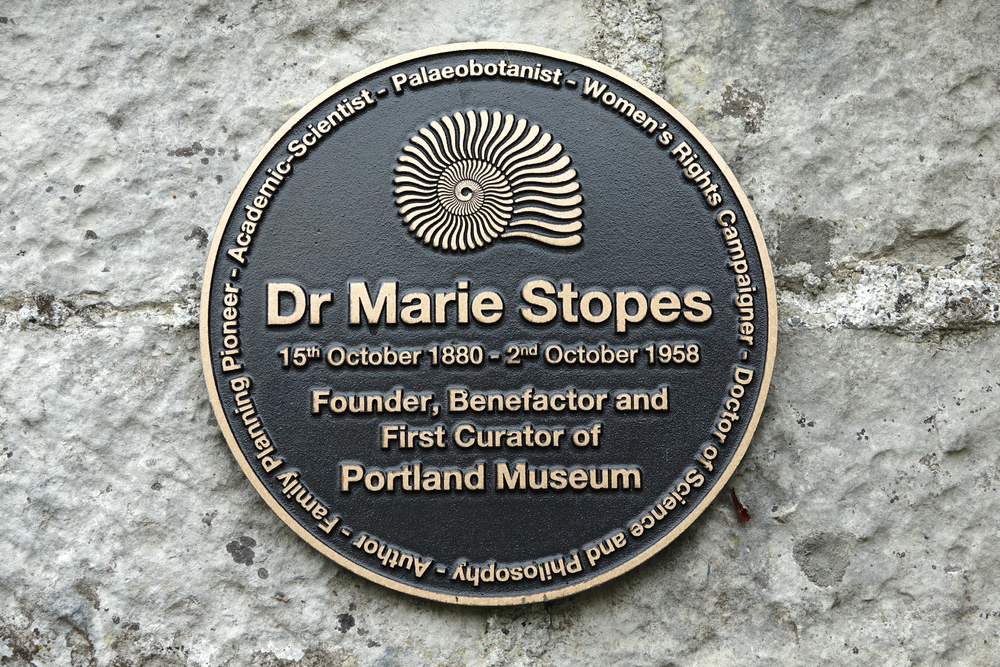
Marie Stopes was a pioneer in the field of birth control and opened Britain’s first clinic in 1921. She was a strong advocate for women’s reproductive rights and popularized contraceptive education. Stopes also wrote influential books that helped increase public awareness on family planning.
However, Marie Stopes was a vocal eugenicist, advocating for the sterilization of those she saw as “unfit” including racial minorities and groups with disabilities. She vehemently opposed mixed-race marriages and even disinherited her son for marrying a woman who wore glasses.
14. Kim Il-Sung
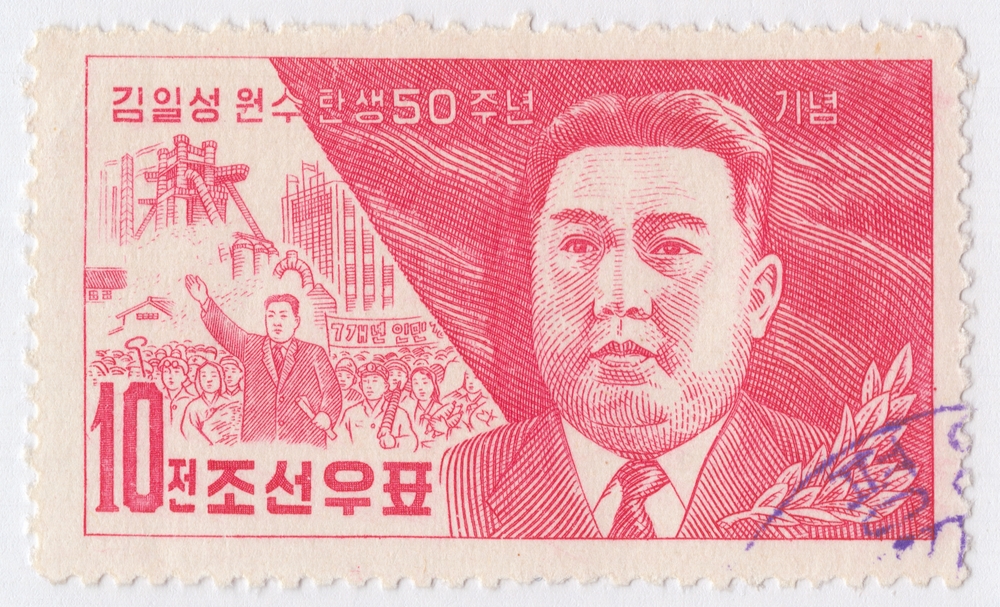
Kim Il-Sung founded North Korea in 1948 and established the ruling dynasty, promoting economic reconstruction and socialist ideals. He centralized power, repressed dissent, and oversaw purges, arbitrary arrests, and public executions. Testimonies and satellite evidence later revealed massive political prison camps, where entire families suffered generational punishment, forced labor, torture, and executions. Famine and penal starvation, engineered through state policy, killed hundreds of thousands. The depth of oppression and mass suffering became known only years after his death.
15. Leni Riefenstah

With innovative, forward-thinking techniques, films like “Triumph of the Will” and “Olympia” earned Leni Riefenstahl global acclaim and cinematic recognition. She demonstrated cinematic mastery, pioneering innovative camera angles and tracking shots that transformed the art of filmmaking.
However, Riefenstahl’s films were powerful Nazi propaganda, made under Hitler’s Reich, glorifying the regime and promoting fascist ideals. Post-war evidence confirmed her willing complicity, exploitation of camp prisoners, and efforts to deny accountability, cementing her controversial legacy.
16. Henry Ford

Well known for founding Ford Motor Company, Henry Ford revolutionized the auto industry by introducing the moving assembly line, making cars affordable. He paid his workers high wages and revolutionized mass production methods. However, Ford was a very vocal antisemite.Ford would go on to publish his antisemitic conspiracy theories in The Dearborn Independent, titled “The International Jew”.
The Nazis would later cite this as inspiration for their fascist regime with Ford’s image adorned in Hitler’s office. In his articles, Ford peddled hateful stereotypes and falsehoods about the Jewish people. While Ford’s antisemitic views were publicly known during his lifetime, their full influence on global fascism emerged after 1947.
Historians later linked his writings to significant impact on Nazi ideology and antisemitic movements worldwide.
17. Edward Teller
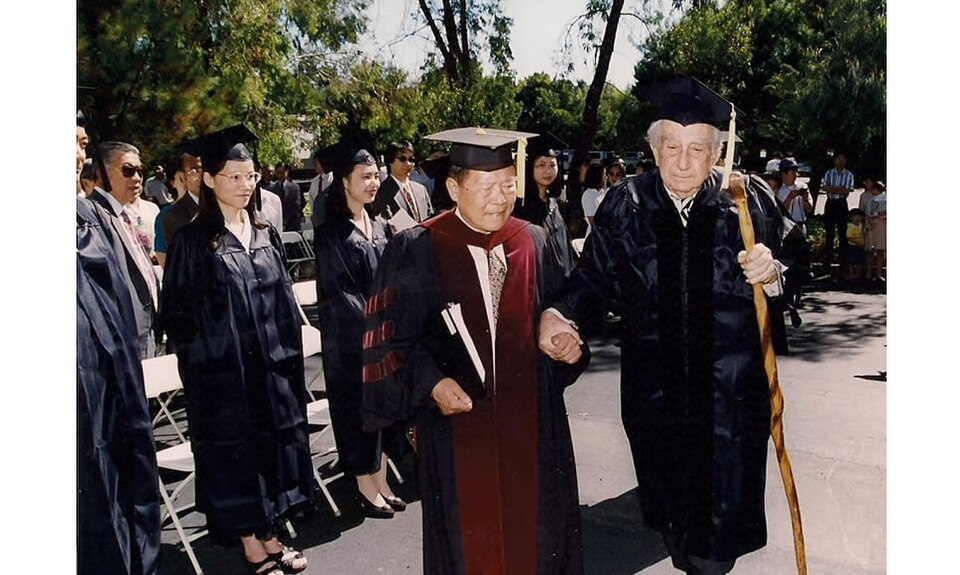
Known as “the father of the hydrogen bomb” Edward Teller’s pioneering contribution earned him praise but also scorn after his death. He also co-founded Lawrence Livermore National Laboratory, influencing Cold War nuclear policy. He advocated for U.S. missile defense and submarine-launched nuclear weapons, shaping strategic thinking. However, Teller testified against J. Robert Oppenheimer in 1954, contributing to Oppenheimer’s security clearance loss. This act ostracized him from the scientific community and garnered him widespread ethical criticism. Biographies emphasize how Teller’s ambition and political maneuvering deeply impacted Cold War science and public trust.
18. Emperor Hirohito
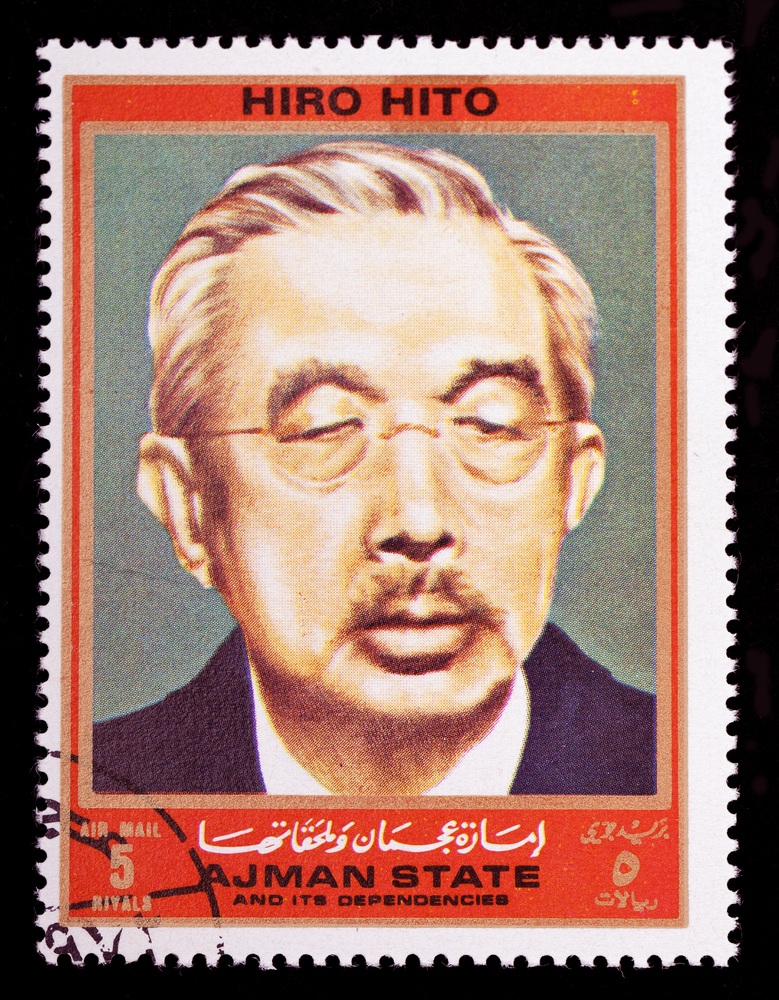
Emperor Hirohito reigned from 1926 to 1989, overseeing Japan’s militarism, invasions of China, and World War II. Declassified records reveal he authorized military strategies including chemical warfare, approving its use in battles like Wuhan. Emperor Hirohito sanctioned mass civilian killing campaigns resulting in the deaths of millions.
Before, historians were uncertain of his role during World War II, other than Japan’s surrender during his reign. But now, historians now agree he played an active, informed wartime role. After 1945, Hirohito escaped prosecution, portraying himself as a powerless figurehead, but posthumous evidence shows his deeper culpability and controversial legacy.
19. Edward VIII
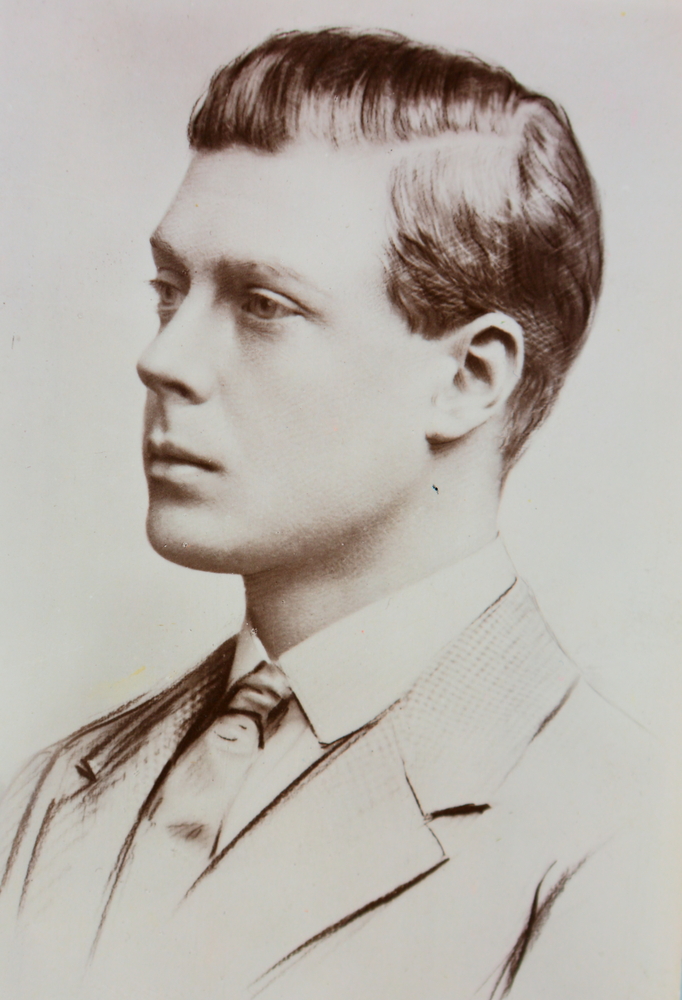
Edward VIII abdicated the British throne in 1936 to marry Wallis Simpson, creating a crisis within British politics. Publicly, he began a life of exile presumably due to a romantic scandal. Later, declassified documents revealed his secret sympathies for Nazi Germany. He and Wallis met Hitler in 1937 and wrote him a thank-you letter. British authorities deliberately suppressed evidence of these associations, reshaping his legacy as one marked by romantic scandal and concealed political controversy.
20. Christopher Colombus
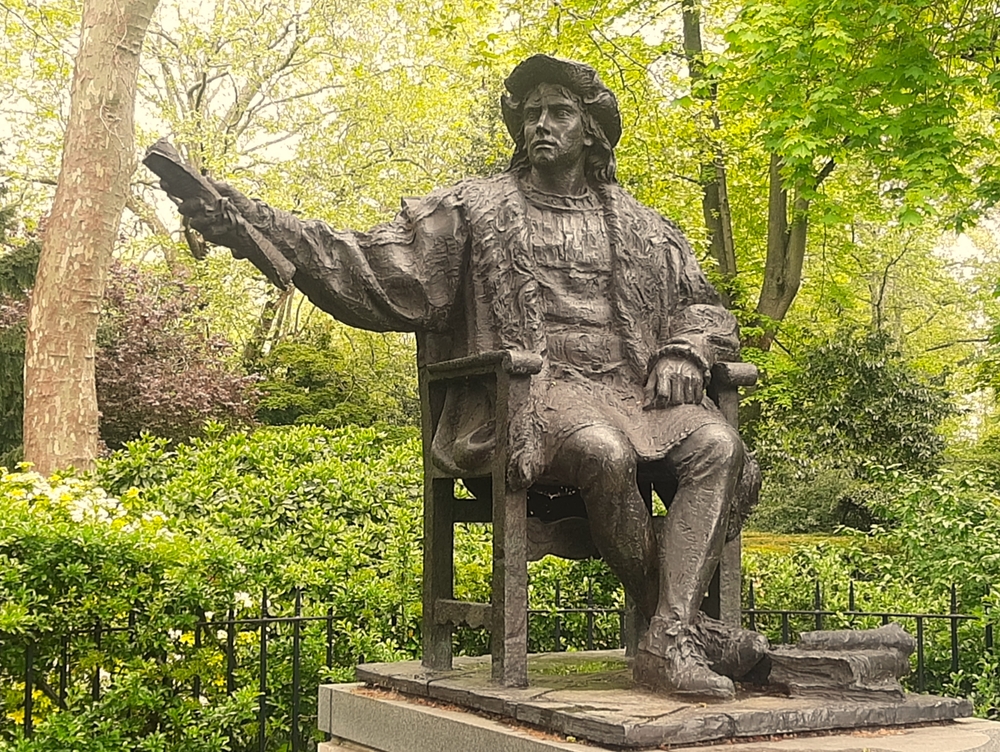
Most famously known for his transatlantic voyages, Christopher Columbus linked Europe and the Americas, and enabled the Columbian Exchange. He skillfully navigated new trade routes, opened global exchanges, and shaped the modern era. However, Columbus enslaved indigenous peoples, enforced brutal punishments, and launched systemic violence for riches. Eyewitness accounts detail mutilations, mass killings, and exploitation. He was later arrested for tyranny and removed as governor, cementing a dark, controversial legacy.