
Olive oil usually gets attention in the kitchen, but its mix of monounsaturated fats, vitamin E, and protective compounds gives it value far beyond cooking. It blends easily with materials that resist water, which helps it settle into pores, fibers, and light mechanical parts. That simple property is why it can soften rough edges, loosen stubborn residue, and add ease to surfaces that feel stuck or dry. It works gently, without the harsh ingredients found in many cleaners, yet it still manages to support wood, metal, fabrics, and skincare in a noticeable way.
When you see how olive oil interacts with different materials, the bottle in your pantry takes on a new purpose. Tasks that seem annoying or slow suddenly have an easier fix, and you are using something you already keep at home. It becomes another tool you reach for without much thought, whether you are dealing with a rough surface, stubborn residue, or something that needs a little slip to move again.
1. Freeing a Stuck Zipper
Olive oil can help a zipper move when grit or dryness causes drag, especially on clothing and gear that see regular outdoor use. A tiny amount on the teeth near the jam lets the slider glide again because the oil reduces friction and coats rough spots where metal or plastic catches. Touch the area with a cotton swab, ease the pull back and forth, and let the oil work into the contact points. Once movement returns, wipe away leftover oil so it does not transfer onto fabric or collect debris. This approach works well on jackets, boots, luggage, and storage cases that feel stiff after humidity or dust exposure. It adds a simple fix to a problem that often feels more complicated than it is.
2. Removing Sticker Residue
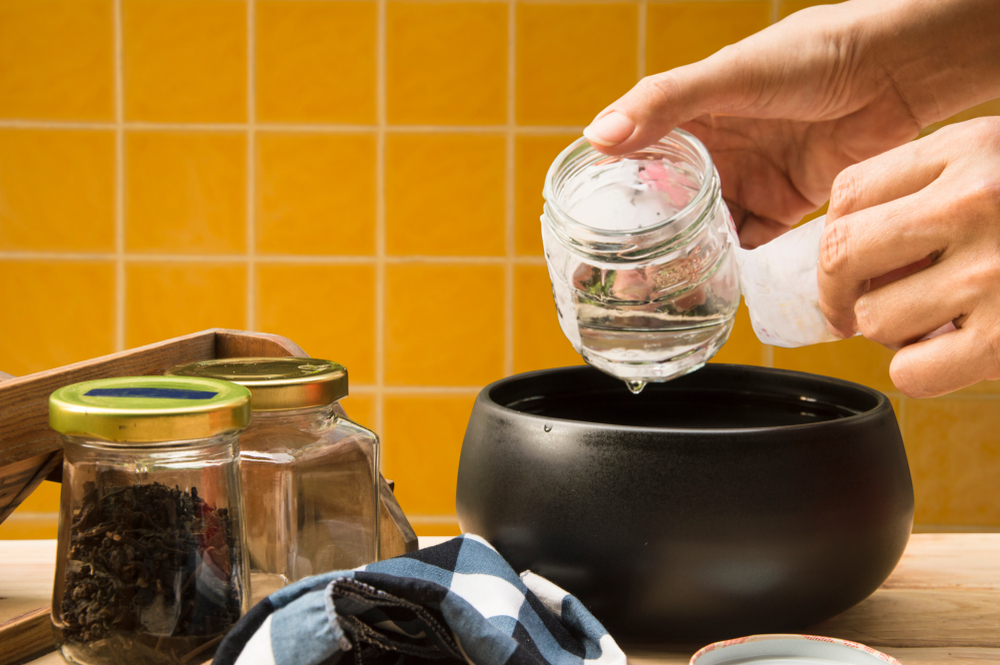
You may have had a jar of sauce you wanted to reuse, but the label needed to come off. You probably tried the method of soaking the jar in boiling water, or trying to steam the label off. After all that work, you are usually still left with some sticky residue.
Olive oil loosens adhesive bonds because the oily base softens glue that resists water, allowing the residue to release without damaging the item underneath. A thin layer rubbed over the sticky patch helps the glue break down, turning a stubborn smear into something that lifts cleanly. Give the oil a few minutes to settle in, then use a cloth or your fingers to roll the softened adhesive away. Once the residue clears, wash the area to remove the remaining slick film so the surface feels clean again. This method helps with jars, metal lids, containers, frames, and gadgets that arrive covered with stubborn labels.
3. Conditioning Wooden Utensils
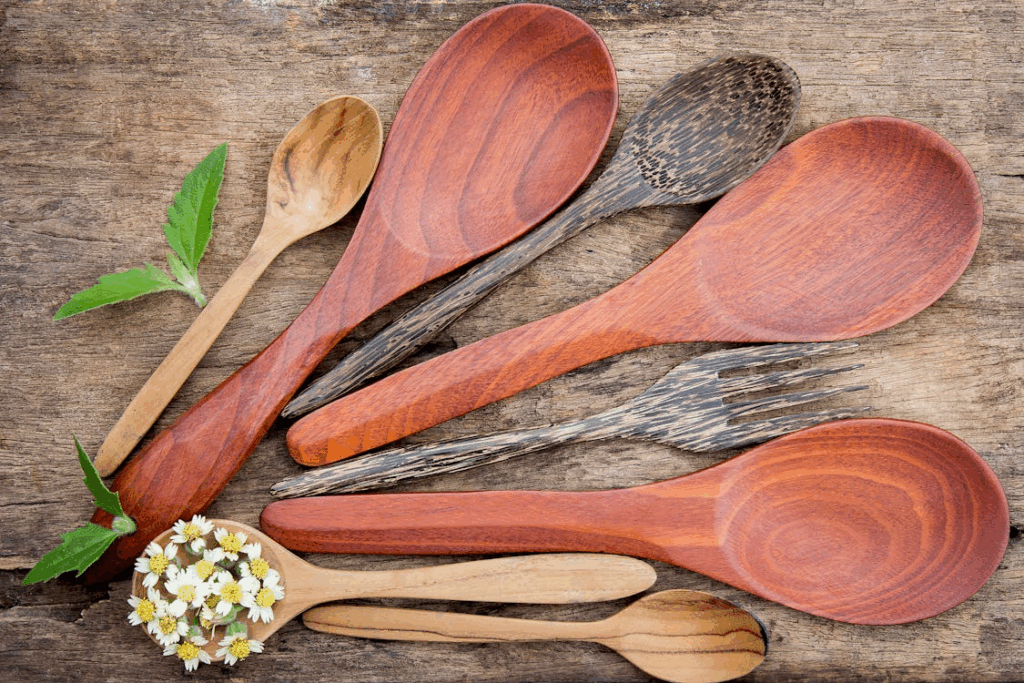
Wood utensils lose moisture through repeated washing, which leads to rough fibers and cracks that make them uncomfortable to use. Olive oil sinks into those fibers and supports their flexibility, giving the surface a smoother texture while lowering the chance of splitting. Apply a light coat and rub it along the grain so the wood can absorb what it needs without leaving excess behind. Let the utensil rest briefly, then buff away the remaining oil to prevent a greasy feel. This helps spoons, boards, rolling pins, and spatulas stay in better condition and extend their lifespan in the kitchen. Over time, the wood takes on a richer look that signals consistent care rather than wear.
4. Polishing Stainless Steel
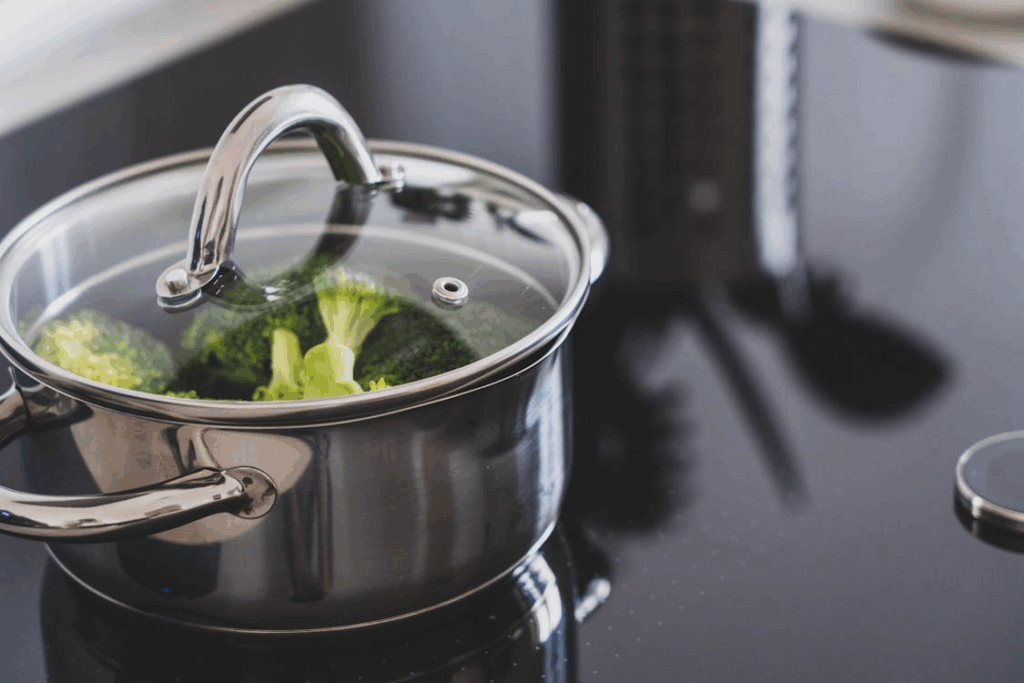
Olive oil can help stainless steel look cleaner by reducing the streaks left behind from fingerprints and water marks, especially on surfaces that get touched throughout the day. A thin layer on a soft cloth creates a smoother finish because the oil settles into faint marks that usually scatter light and make the metal appear uneven. When those marks fill in, the surface reflects light more consistently, which is why it looks brighter after a careful buff. The goal is to use only the amount needed to coat the area, since too much oil can leave a slick feel that attracts more smudges. After applying, wipe the metal again with a dry cloth to remove the extra and bring out a cleaner shine.
This approach works well on refrigerators, ovens, cookware, and appliances that show fingerprints immediately after use. It also helps on stainless steel sinks where hard water spots tend to linger. Many people turn to strong cleaners for these marks, but olive oil provides a milder option that gives the metal a refreshed look without harsh ingredients. With the right amount and steady pressure from the cloth, streaks fade quickly and the finish feels more polished. It is a low effort method that makes stainless steel look cared for with very little work.
5. Preventing Measuring Cups from Getting Sticky
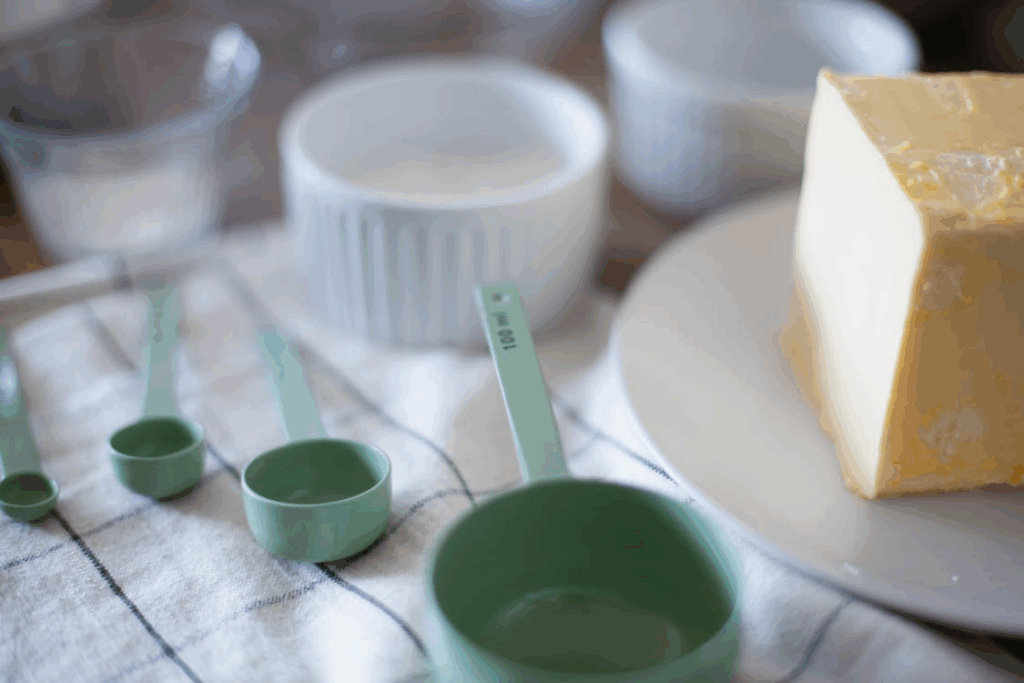
Thick ingredients like honey and syrup cling to measuring cups because water cannot lift them fully, and their dense texture grips the surface as you try to pour them out. A light coat of olive oil inside the cup creates a smooth layer that keeps the mixture from attaching to the material. When the cup is prepared this way, the syrup or honey releases with far less effort, leaving almost nothing behind. This makes baking and cooking easier, especially when a recipe depends on accurate amounts.
The same method works well with nut butters, molasses, tahini, and thicker sauces that normally stick to the sides and require extra rinsing. Even a small swipe of oil with a paper towel is enough to line the interior without leaving the cup slippery. Once the ingredient slides out, the cleanup becomes faster because there is no stubborn residue to scrape away.
Washing the cup with warm soapy water removes the remaining oil so the tool is ready for the next task. This simple step keeps measuring cups in better condition and reduces the frustration that comes with sticky ingredients, making the whole cooking process feel smoother and more organized.
6. Reviving Stiff Paint Brushes
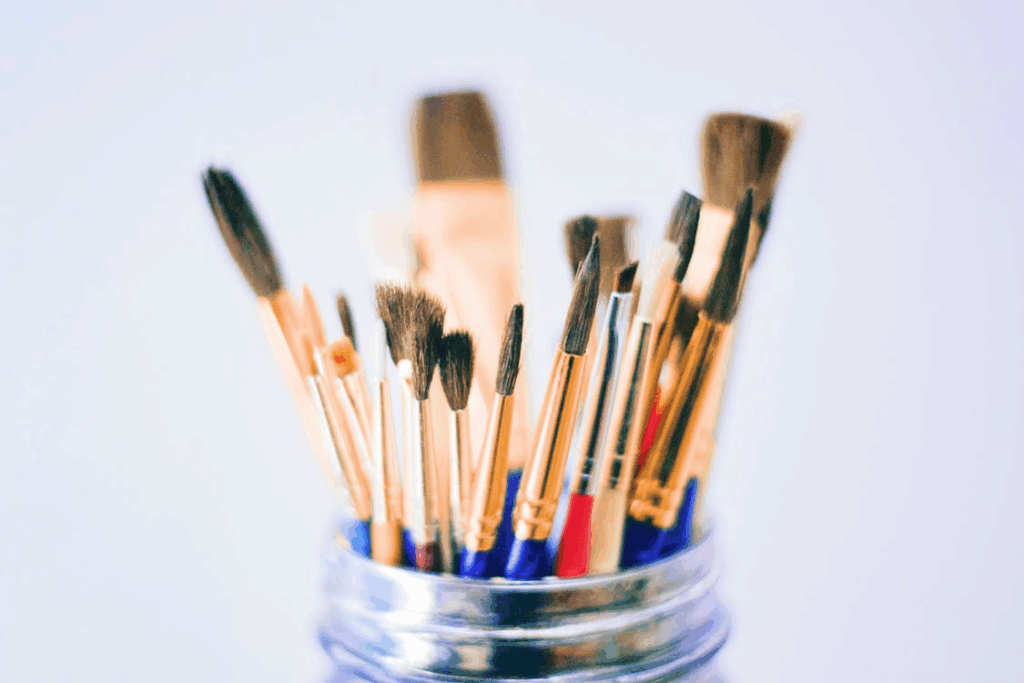
Olive oil can help soften paint buildup on brushes that were not cleaned promptly, which is a common issue when acrylic or latex paint begins to harden around the bristles. The oil works by moving between the dried layers and the bristle fibers, gradually loosening the residue so it can separate without pulling or damaging the brush. Place a tiny amount in your palm or on a cloth, work it through the bristles, and make sure the oil reaches the area closest to the ferrule where paint tends to collect. Let the brush rest so the oil has time to interact with the dried material.
After the pause, flex the bristles gently to encourage the paint to begin breaking apart. You will notice sections releasing more easily as the oil continues to disrupt the bond between the paint and the fibers.
Once the residue begins to detach, rinse the brush with gentle soap and warm water until the remaining paint washes away. This approach supports the restoration of brushes used for crafts, home projects, and touch ups. It offers an alternative to harsh solvents and gives the bristles a chance to return to a workable condition suitable for future use.
7. Easing Squeaky Hinges
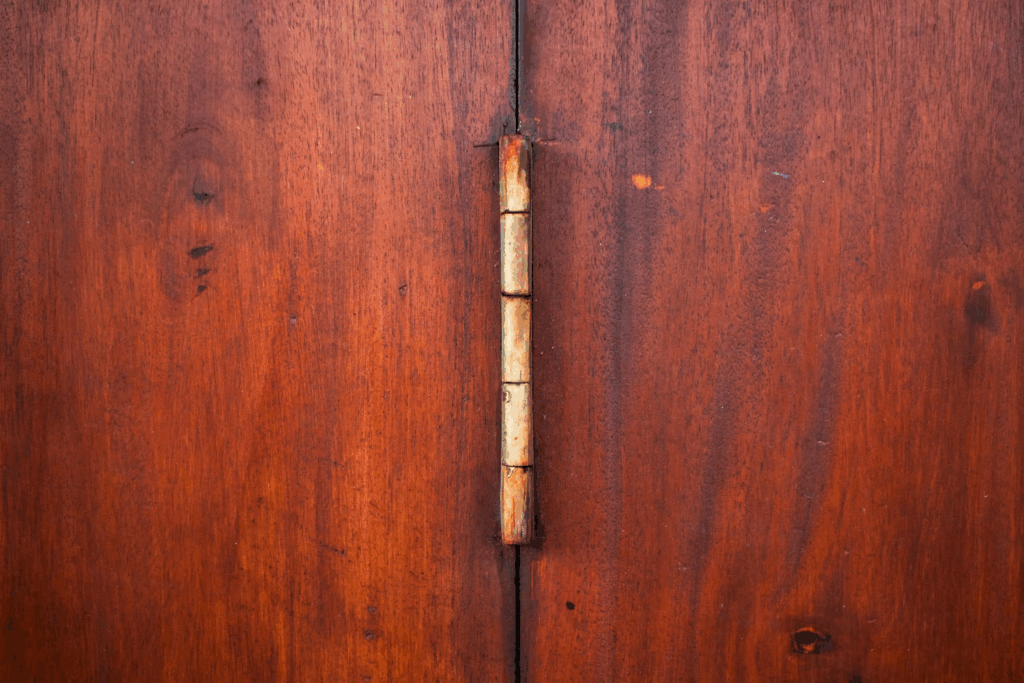
A light touch of olive oil can settle noisy hinges that grind or scrape each time they move. The oil spreads into the pin area and lowers friction, which helps the hinge glide with less resistance. A single drop is usually enough because the metal only needs a thin layer to regain smoother motion. After applying, open and close the door several times so the oil reaches every contact point. This helps the hinge adjust and makes the movement feel more controlled.
Once the sound fades, wipe away the extra oil so it does not attract dust or create buildup around the joint. This method works well on interior doors, cabinets, tool chests, and storage boxes that develop noise from repeated use or humidity changes.
Many people reach for heavy duty lubricants for these issues, but olive oil provides a workable solution when you need something quick and within reach. It is particularly useful in older furniture where metal pieces lack consistent maintenance. With a gentle application and a few motions of the hinge, the creak fades and the door feels easier to manage, giving you a practical fix without special products or complicated tools.
8. Protecting Garden Tools
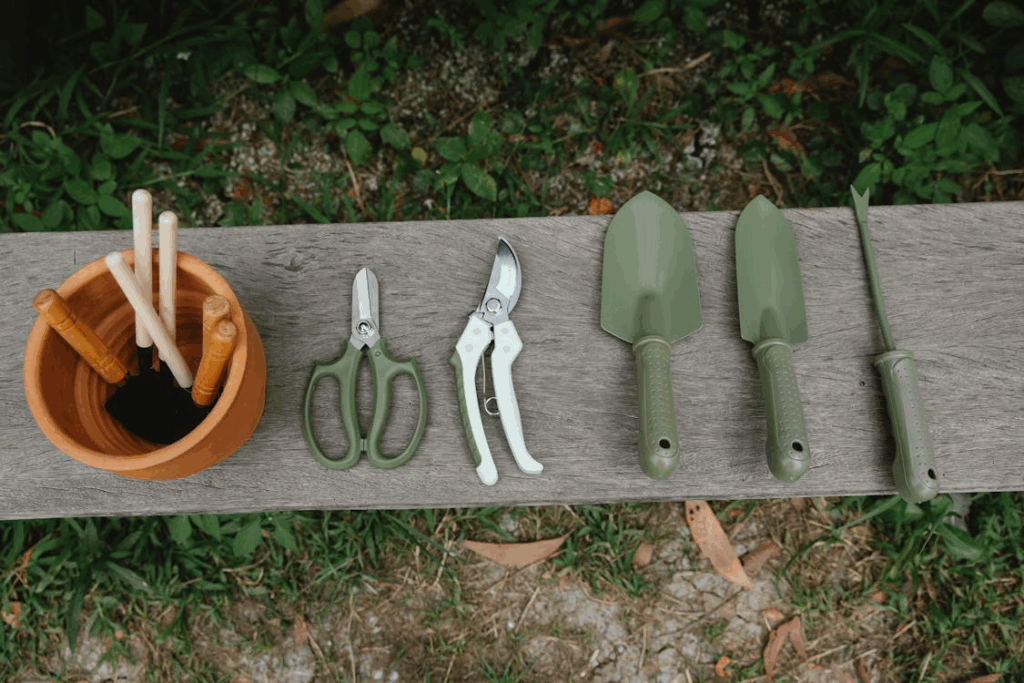
Garden tools often collect soil that dries onto the metal and forms a rough, stubborn layer that interferes with performance. Once this buildup hardens, moisture can settle into small scratches, which encourages rust. A thin coat of olive oil applied after cleaning creates a barrier that limits that moisture from reaching the metal. The oil spreads into the tiny marks left behind from digging or pruning, offering a layer of protection that supports the condition of the tool between uses.
After washing and drying the equipment, rub a small amount of oil onto shovels, trowels, shears, and pruners, making sure to cover both the flat surfaces and any joints where soil collects. Wipe away the excess so the tools store cleanly without attracting debris. This process helps the metal resist corrosion and keeps moving parts operating with fewer issues.
Regular attention like this extends the lifespan of garden tools, reduces the need for replacements, and helps them stay dependable for planting, trimming, and maintenance tasks. It is a basic upkeep method that pairs well with seasonal cleaning and takes only a moment to complete.
9. Loosening a Ring Stuck on Your Finger
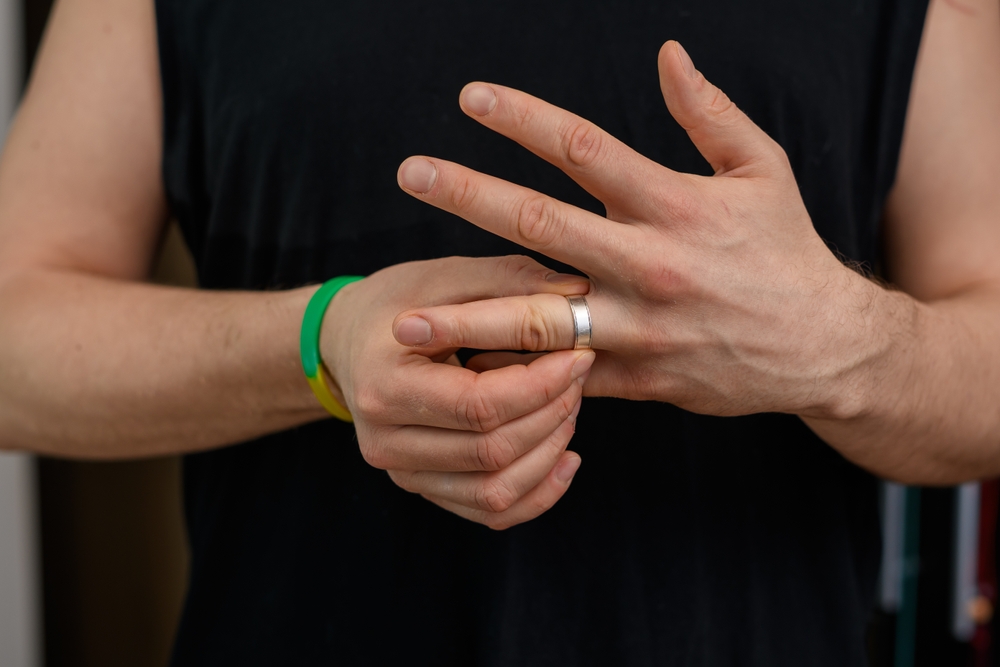
Olive oil can help when a ring refuses to slide off due to sweat or swelling, which often happens after exercise, warm weather, or long periods of wearing the band. The oil creates a smooth layer between the metal and the skin, lowering the resistance that keeps the ring in place. Apply a small amount around the entire band, making sure it reaches the underside where the ring grips the most. Rotate the ring slowly to distribute the oil, then begin easing it upward in small movements rather than pulling in one forceful motion. This gradual approach allows the skin to adjust while the oil continues to work into the tighter areas.
If the ring hesitates, add another trace of oil and continue rotating instead of rushing the process. The combination of steady pressure and the oil’s coating makes progress more predictable. Once the ring finally releases, wash your hands with warm soapy water so no oil remains on the skin or jewelry.
This method is often recommended for situations where you want to avoid cutting the ring or creating unnecessary strain on the finger. It offers a straightforward way to manage a stuck band using something already available in most kitchens.
10. Removing Chewing Gum from Surfaces
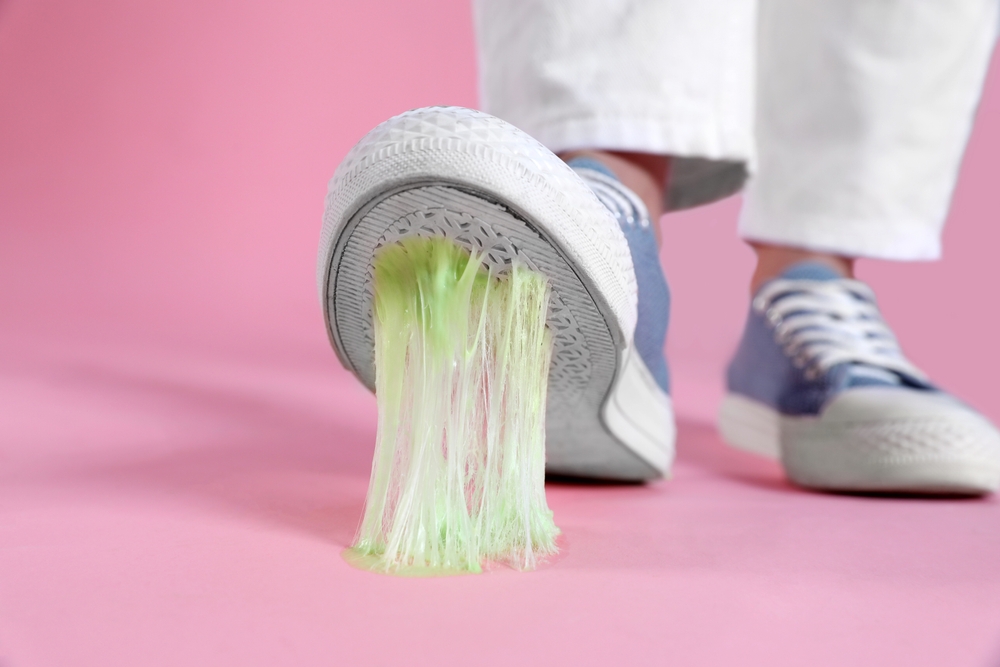
Chewing gum sticks because its base is made from polymers that latch firmly onto both porous and smooth surfaces. Once pressed into place, the gum spreads into tiny crevices or grips onto flat materials, which is why it can be difficult to remove without damaging the item underneath. Olive oil helps weaken that hold by coating the gum and interrupting the bond that keeps it attached. When the oil surrounds the edges, it interferes with the gum’s ability to cling, giving you a gentler way to lift it. Apply a small amount around the perimeter, allow it to settle briefly, and begin easing the gum upward with your fingers or a cloth.
Move slowly so the gum pulls away in one piece instead of tearing or smearing. If it resists, add a touch more oil to the areas still sticking and continue working around the section until it releases. This method works well on shoes, floors, garden tools, and outdoor items that attract gum from sidewalks or playgrounds. After the gum is gone, wash the area with warm soapy water to clear away any remaining oil. This helps restore the surface without leaving residue behind or relying on abrasive scraping tools.
11. Softening Leather Items
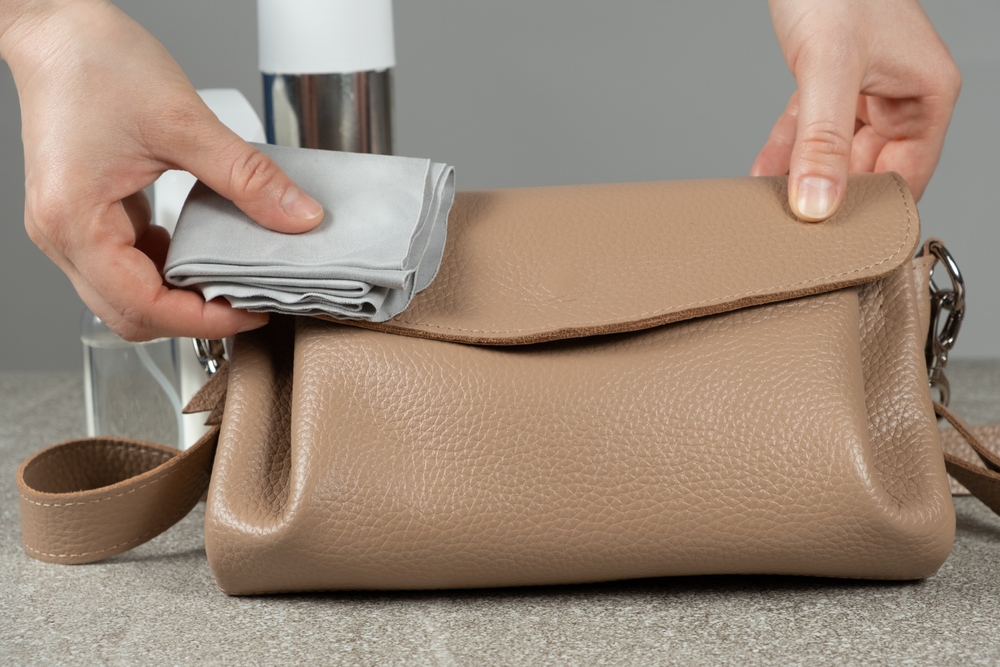
Leather can become dry from regular wear or exposure to heat, especially when it loses the natural oils that keep the fibers functioning well. Olive oil can support the material by moving into those fibers and helping reduce the rigidity that develops after repeated use. Place a modest amount on a cloth, spread it across the surface, and work it in with steady, even strokes so the coverage stays controlled. Give attention to creases, edges, and high-use areas where dryness tends to appear first. Once the surface is coated, buff away the excess to maintain a clean, natural finish that does not attract dust.
This method can be useful for belts, bags, and older wallets that have started to show signs of wear caused by friction and daily handling.
It can also refresh sections of leather that have been exposed to sunlight or indoor heating for long periods. Care is important, since using too much oil can darken the material or create uneven patches. Applying only what the leather can absorb helps preserve its appearance and extends its longevity. With regular maintenance, the item stays in better condition and supports continued use without resorting to harsher restoration products.
12. Preventing Rust on Kitchen Knives
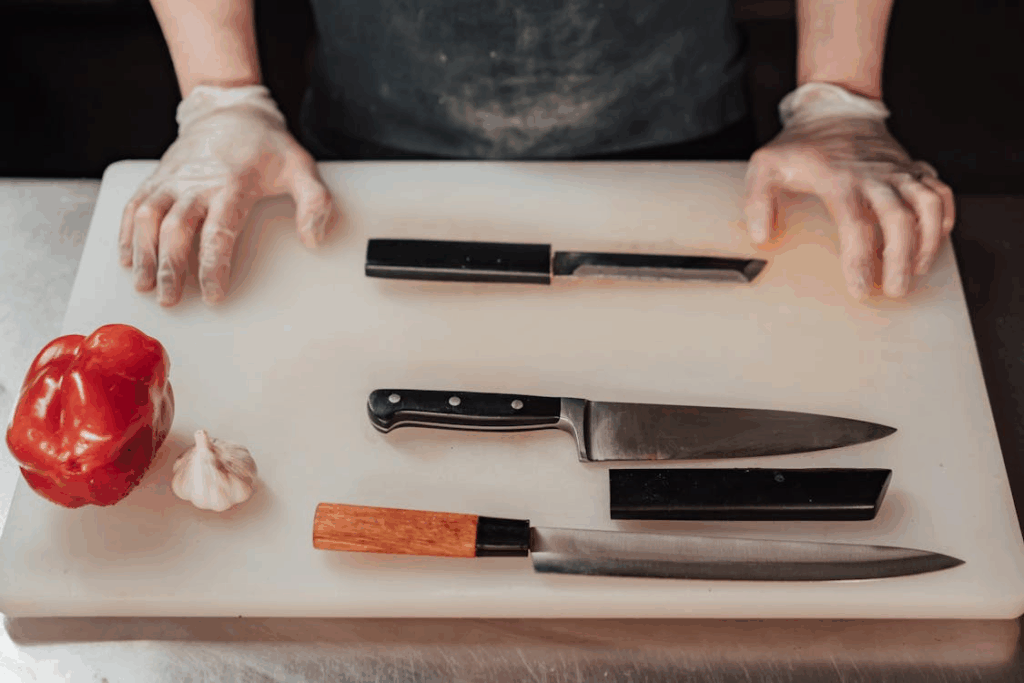
Kitchen knives can collect moisture during washing and air drying, and even a thin trace of water can encourage oxidation over time. Olive oil helps create a protective coating on the blade that limits contact between the metal and lingering droplets. After cleaning and drying the knife thoroughly, place a small amount of oil on a cloth and wipe it along both sides of the blade, including the spine and the area near the handle where moisture often hides. The oil forms a light barrier that slows rust formation and supports long term maintenance.
This method is especially useful for high carbon steel knives, which react more quickly to moisture than stainless steel. These blades can darken or spot if stored without any conditioning, so a thin coat of olive oil offers a simple way to keep them in better condition between uses. It also helps smooth the surface enough to make hand washing easier the next time the knife is used.
Wipe away extra oil so the blade stores cleanly and does not transfer oil to its sheath or drawer. While this is not a replacement for regular sharpening or proper drying, it provides an added layer of protection that extends the life of your kitchen tools.
13. Shining Dull Shoes
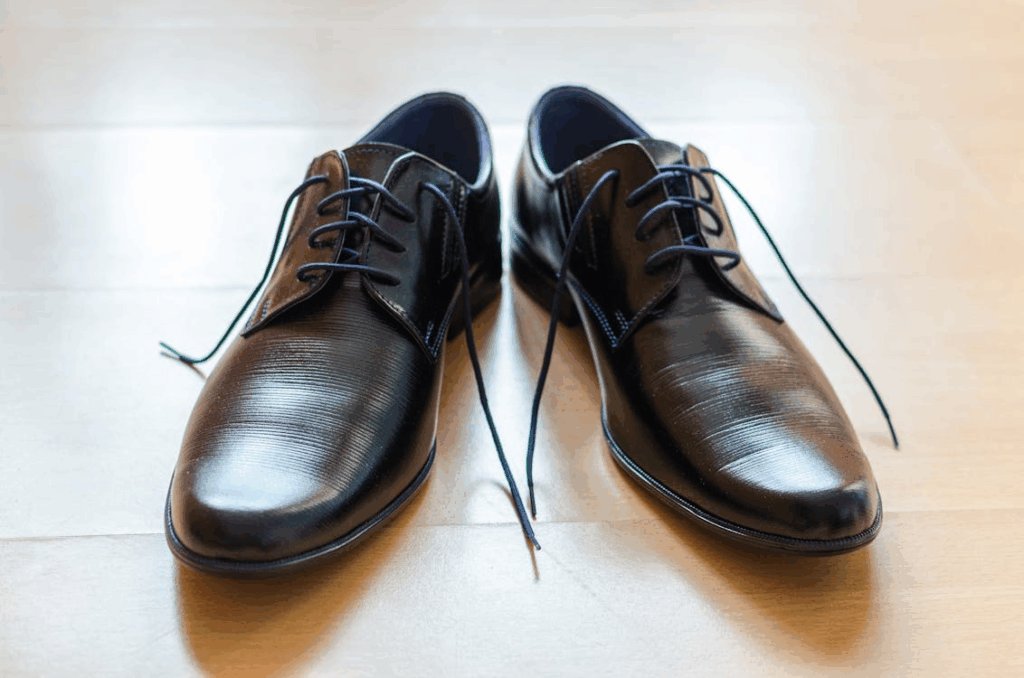
Olive oil can give dull shoes a cleaner, more even appearance when the surface has lost its natural luster from regular wear. A very light amount rubbed onto the material helps fill dry or worn patches, which creates a more uniform finish once the oil settles. Apply the oil with a cloth in steady strokes so the coverage stays balanced, then switch to a dry cloth and buff the surface until the shine returns. This step also helps the oil absorb into coated or synthetic materials without leaving excess behind.
The approach is useful for footwear that needs a quick refresh between more detailed cleanings, especially shoes that pick up scuffs or lose brightness after outdoor use. It is not recommended for untreated leather, since that material can absorb too much oil and darken unevenly, but coated fabrics and synthetic blends respond well to this light conditioning method.
Keeping the application thin prevents residue from collecting dust or marking clothing. With regular upkeep, the shoes maintain a more polished look without relying on strong polishes or chemical treatments. It is an easy way to extend the appearance of everyday footwear using something already on hand in most kitchens.
14. Untangling a Tight Necklace Chain
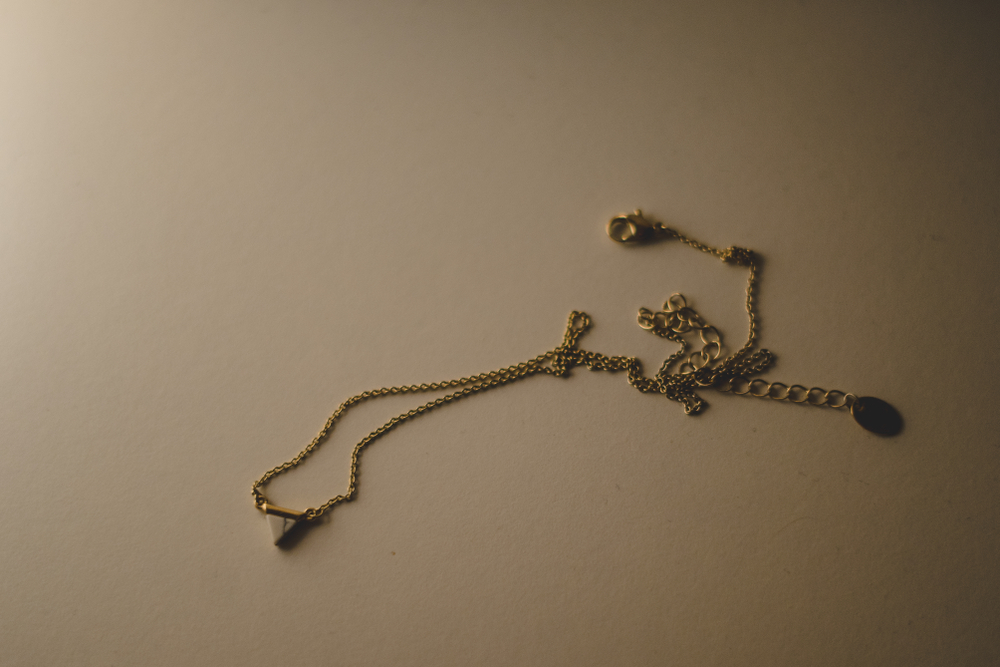
Necklace chains tighten into knots because the links catch, twist, and lock into place as the chain moves inside a jewelry box or bag. Once the links fold over one another, the metal creates enough resistance to trap the knot, making it difficult to open by hand. A trace of olive oil can help by coating the tangled section and lowering the grip between the links. Place a little oil directly on the knot and let it settle for a moment so it reaches the tightest points between the metal pieces. Use two pins, needles, or slim tools to begin easing the knot open from the outer edges.
Work in small movements rather than pulling, since sudden force can stretch or weaken delicate links. As the oil spreads through the knot, the links start separating with less resistance, allowing the chain to open gradually.
Continue guiding the tools through the tight spots until the knot releases and the chain returns to its original length. Once untangled, wipe the necklace thoroughly to remove all oil from the surface and from between the links. This prevents residue from holding dust or affecting clasps. The method is especially helpful for fine chains that are easily damaged by direct pulling.
15. Protecting a Razor Blade
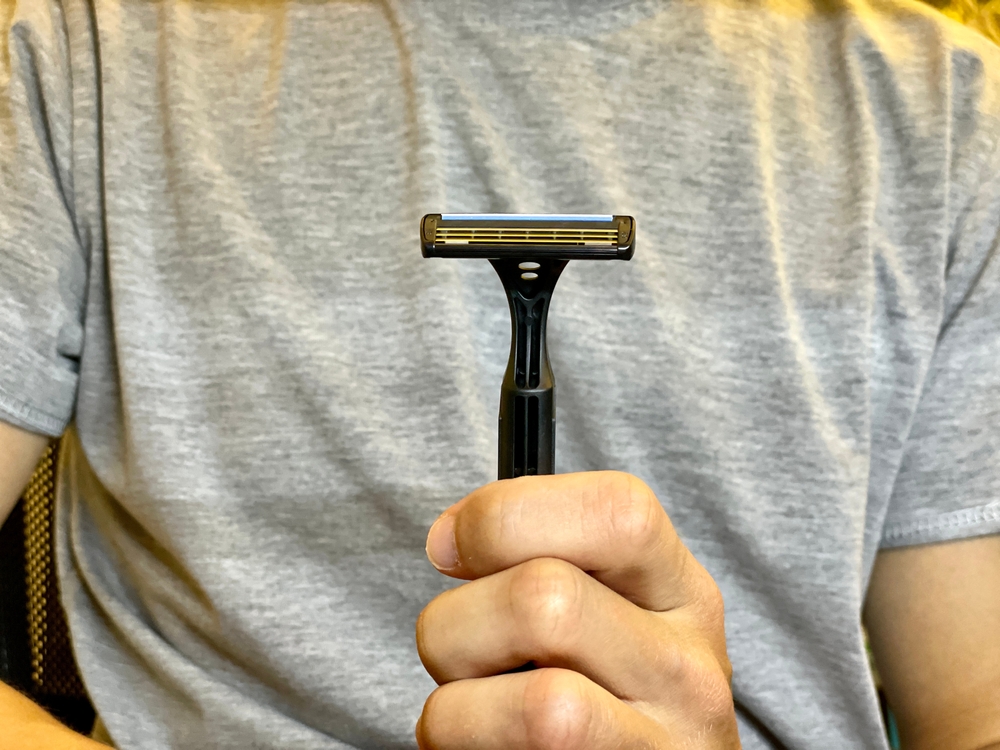
Razor blades dull faster when moisture stays on the metal, since leftover water reacts with the edge and encourages corrosion. After drying the blade thoroughly, a thin layer of olive oil can serve as a barrier that limits contact between the metal and any remaining droplets. Apply a light coat by dipping the blade or brushing on the oil, then shake off the excess so only a faint film remains. Store the razor upright to keep liquid from collecting near the edge or around the cartridge.
Before the next use, rinse the blade to clear away the oil and prepare the surface for shaving cream or soap. The protective layer helps slow oxidation, which is one of the main processes that weakens fine metal edges in both disposable and reusable razors. This simple step is useful in humid climates or bathrooms where steam lingers around grooming tools. It supports the durability of the blade and reduces the frequency of replacements.
16. Refreshing a Wooden Guitar Fretboard
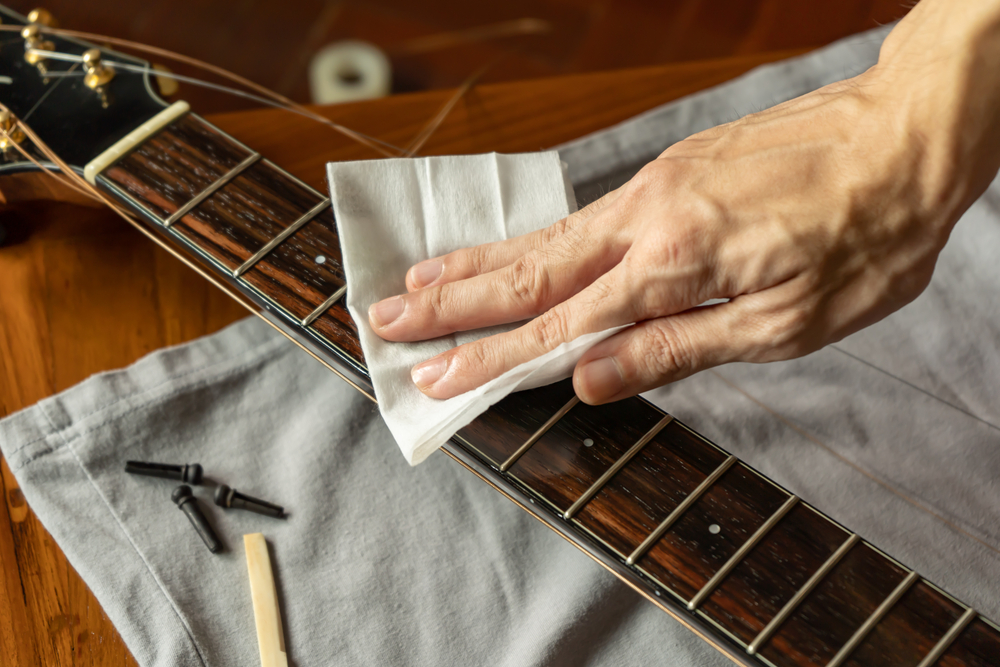
Image credit: Shutterstock
Unfinished wooden fretboards can dry out from regular play, indoor heating, and seasonal shifts that pull moisture from the wood. When this happens, the grain can become brittle, and the surface may develop tiny gaps that collect dust. A light touch of olive oil can support the condition of the wood by settling into the grain and replacing some of the moisture that has evaporated. Place a very small amount on a cloth and work it across the fretboard in controlled strokes, making sure to reach the spaces along the frets where dryness often becomes most visible. Allow the oil to sit briefly, then wipe away the excess so it does not transfer to the strings during practice or storage.
This method assists musicians who want to maintain their instruments when dedicated fretboard conditioners are not available. It is useful for guitars, basses, and other stringed instruments built with unfinished wood surfaces that require occasional upkeep.
The oil supports the structure of the grain, helping the board stay in a more stable condition between deeper maintenance sessions. By clearing and conditioning the surface in a single step, olive oil offers an accessible option for routine care using something many people already have at home.
17. Stopping Static on Clothing
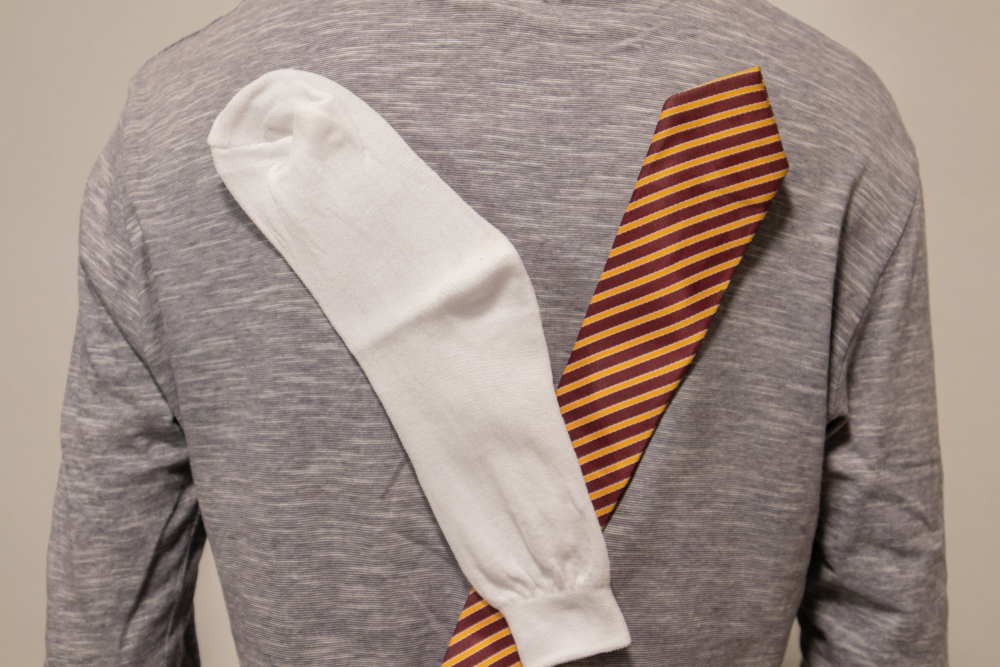
Static cling forms when fabrics rub together and create an electrical charge that stays trapped in the material. This charge pulls sections of the garment toward each other or toward the body, which is why certain clothing pieces begin to cling tightly during dry weather or after being taken from a dryer. A trace of olive oil can help manage this by reducing the charge along the interior surface. Place a very small amount on your hands, rub your palms together until the oil spreads evenly, then touch the inside of the garment with quick, light passes. This distributes a thin layer that limits the fabric’s ability to hold static. Work around the sections that stick most, such as hems, waistlines, or draped areas where movement increases friction.
Only a minimal amount is needed because the goal is to lower the charge, not coat the garment. After applying, check the fabric to ensure no visible residue remains. This method is useful for skirts, scarves, workout clothes, and other items that tend to cling in dry seasons or heated indoor spaces. It also offers a quick solution when traditional antistatic sprays are not available, relying on something already stored in most kitchens.
18. Softening Paint on Sticky Door Handles

Old paint around door handles can dry unevenly over time, especially in warm rooms where heat affects the surface. As the paint ages, it can create patches that attract dust and appear uneven or thick. A small amount of olive oil can help loosen this buildup by softening the outer layer of the paint so it can be lifted more easily during cleaning. Apply a light coat directly to the area, making sure it reaches the edges of the dried paint. Allow the oil to sit briefly so it can work into the surface.
After the pause, wipe the area with a cloth to lift the softened layer. Repeat the process if sections remain, using controlled strokes to avoid disturbing the handle’s finish. This method works best on metal handles with a durable coating, since those surfaces can tolerate gentle cleaning without damage. Once the paint has been removed, wash the handle with mild soap and warm water to clear away any remaining oil. This prevents residue from attracting new debris and keeps the surface ready for regular use.
19. Removing Makeup

Olive oil lifts makeup because its structure bonds readily with pigments, waxes, and oil-based ingredients that do not dissolve in water. Many long wear products rely on these components to stay in place, which is why standard cleansers sometimes struggle to remove them completely. Applying a light amount of olive oil to a cotton pad helps loosen these compounds so they can separate from the skin more easily. Press the pad over the makeup for a moment, then sweep it across the area in controlled motions. This approach helps detach foundation, mascara, liner, and cream products without harsh rubbing.
Once the bulk of the makeup has lifted, follow with a mild cleanser to remove the remaining oil and clear the surface thoroughly. This step ensures that pores are not left with residue from either the makeup or the olive oil.
The method is particularly useful for formulas designed to withstand heat, humidity, and extended wear. It also supports removal around the eyes, where tugging should be minimized. Many people keep olive oil in the kitchen, which makes it a convenient backup option when a dedicated makeup remover is unavailable. It provides consistent results using an ingredient that works with the structure of cosmetic products rather than against it.
20. Conditioning Hair
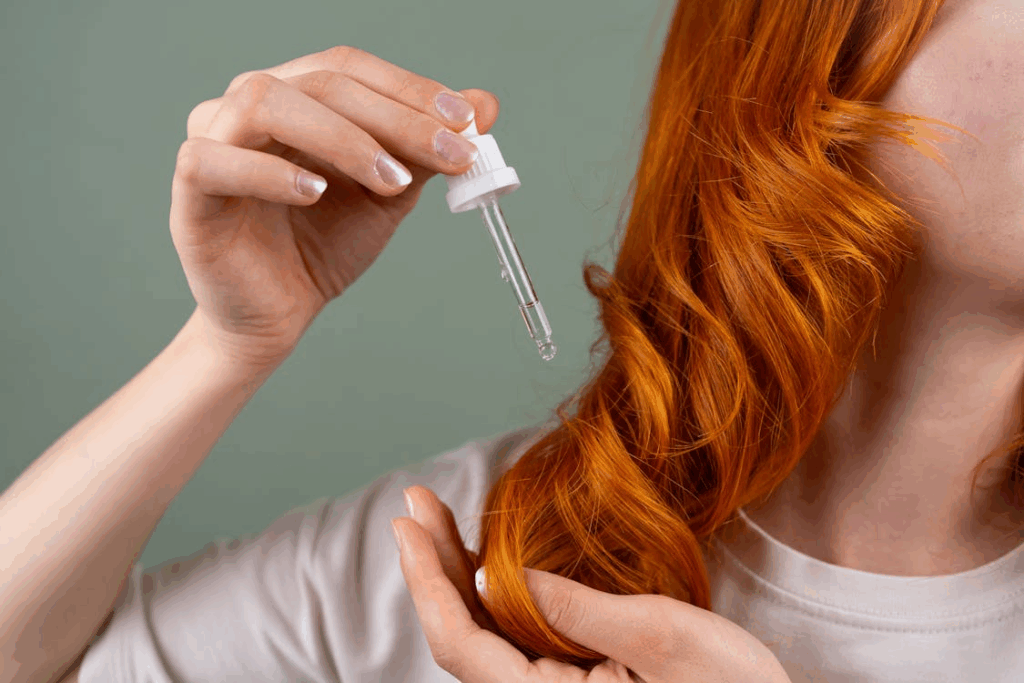
Image credit: Pexels
Olive oil can support hair care by coating the strands and reducing friction along areas that experience wear from brushing, heat tools, and regular washing. The oil settles over the cuticle layer, which helps protect it during cleansing and styling. Warm a small amount in your hands, then work it through the midlengths and ends where dryness tends to be most visible. Allow the oil to rest on the hair for a short period so it can spread evenly across the strands. This step helps limit breakage that occurs when the outer layer becomes stressed by heat or environmental exposure.
Rinse thoroughly with warm water and a gentle shampoo to remove the excess and prepare the hair for styling. The method is often used as an occasional treatment rather than a daily routine, since too much oil can weigh down finer textures. It is useful before swimming, after heat styling, or anytime the hair has been exposed to conditions that contribute to dryness. Olive oil provides a simple way to support the condition of the lengths using an ingredient that is widely available and easy to apply.
21. Making Skin Soothing Soap
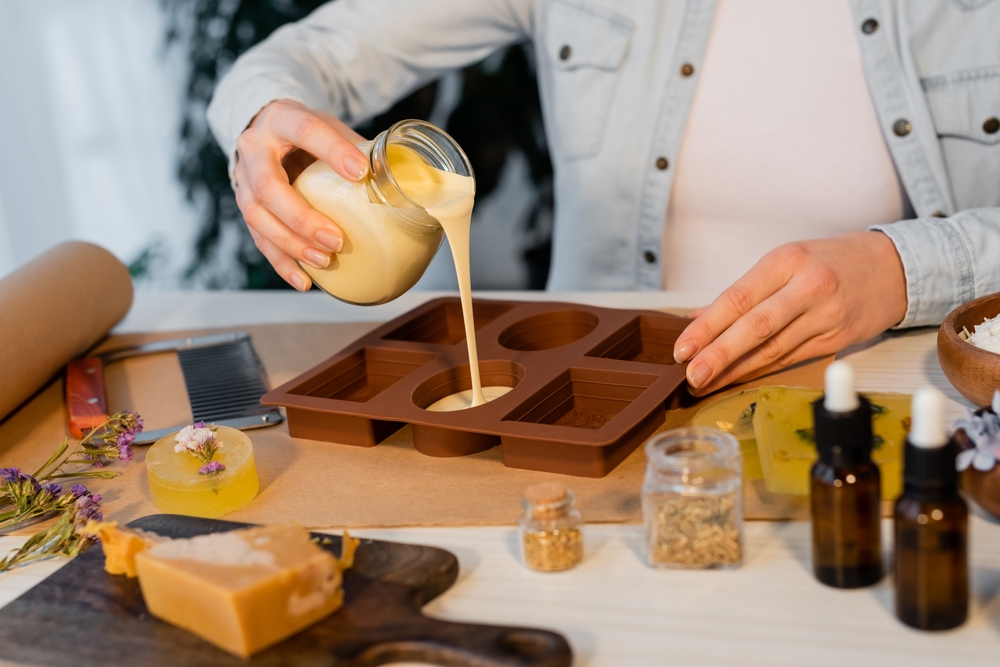
Olive oil is widely used in soap making because its fatty acid profile, particularly its high oleic acid content, produces a mild lather suited for everyday use. When olive oil is combined with lye in the correct ratios, the mixture undergoes saponification, a chemical reaction that transforms the liquid ingredients into a solid cleansing bar. This process creates a soap that maintains stability while still being gentle enough for frequent washing. The structure of the oil contributes to a smooth, uniform texture that holds up well during use and does not break apart quickly in water.
Read More: The Hidden Health Risks of Drying Clothes Indoors
Crafters value olive oil because it delivers predictable results, allowing batches to cure evenly and maintain consistent firmness. It also blends easily with other plant oils or additives, giving creators room to adjust hardness, lather, or fragrance without compromising the integrity of the bar. Many traditional soap formulas from regions with long histories of olive cultivation use it as their primary base, relying on its reliable chemistry rather than additives or fillers. For people making soap at home or in small batches, olive oil offers a dependable foundation that supports both quality and longevity in the finished product.
22. Moisturizing Lips

Dry lips often struggle to retain moisture because the skin in that area has fewer oil glands than other parts of the face. Oils that remain on the surface for a short period can help slow moisture loss, and olive oil is one option that performs well in this role. A drop applied with a fingertip creates a light layer that supports the skin by covering areas prone to cracking during colder seasons or after long exposure to dry air. Spread the oil in a thin, even coat so it stays controlled and does not migrate beyond the lip line.
This approach can be used before bed, during travel, or under a balm when the weather changes suddenly.
It is also helpful for people who react to fragrances or additives found in flavored lip products, since olive oil offers a simple formula with no additional chemicals. Reapply when needed, keeping the amount modest to prevent buildup. The oil’s structure makes it compatible with most daytime lip products, allowing it to serve as a base layer beneath balm or gloss. Olive oil provides an accessible option for maintaining lip care using an ingredient already stored in many households.
23. Supporting Artery Elasticity
Olive oil contains monounsaturated fats and polyphenols that have been examined for their role in cardiovascular health. Studies consistently note that dietary patterns including olive oil often correlate with stronger markers of vascular function. Researchers have observed that these nutrients support the endothelial layer inside arteries, the tissue responsible for regulating dilation and maintaining balanced blood flow activity. Polyphenols in particular have been studied for their antioxidant properties, which may help limit oxidative stress that influences vascular aging.
Evidence from nutritional research suggests that people who regularly use olive oil in their meals tend to show better arterial flexibility and more efficient circulation measurements compared to those who rely heavily on saturated fats.
Scientists attribute this trend to the interaction between olive oil’s fatty acids and endothelial cells, as well as the protective influence of its antioxidant compounds. These combined effects support healthier vessel function and contribute to overall cardiovascular maintenance. Adding olive oil to salads, vegetables, grains, and other daily dishes provides a practical way to increase intake of these beneficial components without major dietary changes.
Closing Thoughts on Everyday Uses
If you keep olive oil in the house, it helps to know it can handle more than cooking. A lot of small problems around the home respond to it because the oil lifts, loosens, or protects in ways regular cleaners sometimes cannot. It is the kind of thing you reach for when you do not want to dig through a cabinet full of specialty products. Most of the uses are simple, quick, and easy to remember.
Once you try a few of these ideas, you start noticing how often olive oil steps in as a decent fix. It can handle stuck parts, dry materials, stubborn residue, and even a few personal care tasks without much effort. You are not replacing every tool in your house, but it is nice to have one ingredient that covers so many small tasks. Keep a bottle nearby, use a little when something needs basic maintenance, and you will get a lot of mileage out of it.
Disclaimer: This article was written by the author with the assistance of AI and reviewed by an editor for accuracy and clarity.
Read More: 20 Vegetables You Can Easily Regrow from Kitchen Scraps