
President Trump’s tariffs on imported goods forced many companies to make a difficult choice this year. They could absorb the extra costs and watch their profits shrink, or they could pass those costs along to shoppers. Most chose the latter. Tariffs work like a tax on imports, and while the government collects the money from businesses, those businesses typically raise their prices to compensate. The Yale Budget Lab estimates the average American household has lost between $2,400 and $4,400 in purchasing power this year because of these trade policies. These are the brands that announced price increases due to tariffs or said more are coming.
1. Walmart
Walmart built its entire reputation on low prices, so when the company announced it would raise them, people paid attention. CEO Doug McMillon said during a May earnings call that the retailer “isn’t able to absorb all the pressure given the reality of narrow retail margins.” Price changes began appearing on shelves by late May and accelerated through June. A CNBC analysis found that due to tariffs, items like frying pans, jeans, and car seats all saw their price increase over the summer. A 12-piece set of pots and pans from Walmart’s Beautiful brand jumped from $99 to $149, while baby car seats made in China climbed by roughly $100.
2. Target
Target executives have been more cautious in their public statements, but the message is the same. CEO Brian Cornell described the difficulty level around tariffs as “incredibly high” and said raising prices is “the very last resort” for the company. Chief Commercial Officer Rick Gomez confirmed during an earnings call that Target would increase prices on certain products to help offset tariff costs. Cornell declined to share specifics about which items would cost more or by how much, saying only that the company is “constantly adjusting pricing” and that “some are going up, some will be reduced.”
3. Nike
Nike raised prices starting June 1, 2025, and while the company didn’t explicitly blame tariffs, the timing matched announcements from other major retailers. Adult clothing and equipment increased between $2 and $10, while shoes priced between $100 and $150 went up by $5. Footwear over $150 increased by up to $10. Nike manufactures products in China, Vietnam, and Indonesia, all of which face steep tariffs. Company executives said tariffs added roughly $1 billion to Nike’s costs this year, though they’re working to reduce reliance on Chinese production for the American market.
4. Adidas
Nike’s main competitor faces similar pressures. CEO Bjørn Gulden said in an earnings release that higher tariffs “will eventually cause higher costs for all our products for the US market.” He acknowledged the uncertainty around ongoing trade negotiations but made clear that price increases are coming. Adidas sources from Vietnam, China, Indonesia, and other Asian manufacturing hubs, now facing tariffs between 19% and 46%. A trade group representing major shoe brands told Reuters that tariffs threatened to push a $155 running shoe made in Vietnam as high as $220.
5. Mattel
The company behind Barbie, Hot Wheels, Fisher-Price, and Uno said it would raise prices on some American toys “where necessary.” CEO Ynon Kreiz told investors that 40% to 50% of Mattel’s products would remain priced at $20 or less. But the company faced an additional $270 million in tariff expenses. About 80% of toys sold in the United States come from China, which now faces tariffs above 30%. Trump threatened to place 100% tariffs on Mattel’s toys after the company’s announcement, though he appeared to confuse the toymaker with a country.
6. Hasbro
Mattel’s rival warned that trade restrictions could cause trouble through 2025 because of the “imposition, threat or uncertainty of tariffs, including reciprocal or retaliatory tariffs.” The Rhode Island company, which makes Monopoly, Transformers, and Play-Doh, pushed back its expected financial hit. But acknowledged price increases were likely due to tariffs. Finance chief Gina Goetter said those expenses have been offset by cost-cutting, budget reshuffling, shifting suppliers, and “targeted” adjustments. Like Mattel, Hasbro relies heavily on Chinese manufacturing and faces the same cost pressures.
7. Procter & Gamble
The consumer goods giant owns brands you probably have in your home right now, including Tide, Pampers, Charmin, and Bounty. During an April earnings call, the company said it would consider raising prices in some categories and markets. CEO Jon Moeller told CNBC that price increases for consumers are “likely” because “tariffs are inherently inflationary.” CFO Andre Schulten said the company was evaluating “exactly what is the right plan by brand, by market, what combination of pricing, over what period of time.” P&G announced plans to raise prices on about a quarter of its products by an average of 2.5%.
8. Stanley Black & Decker
If you own DeWalt or Craftsman power tools, you’re already paying more for replacements and additions. The company raised prices by an average of high single digits back in April because of tariffs, and another round of increases followed later in the year. Power tools require components sourced from multiple countries, many of which now face steep import duties. The company cited “expected supply chain disruptions and production costs linked to new tariffs” as the reason for the price adjustments.
9. Best Buy
The electronics retailer warned during a March earnings call that “vendors across our entire assortment will pass along some level of tariff costs to retailers. Making price increases for American consumers highly likely.” Best Buy has since raised some prices. Electronics are particularly vulnerable because the United States imports computers, televisions, and components from China, Taiwan, Vietnam, and other Asian countries, now facing tariffs between 19% and 30% or higher. The Yale Budget Lab estimates electronics prices could rise by 17% in the short term.
10. Macy’s
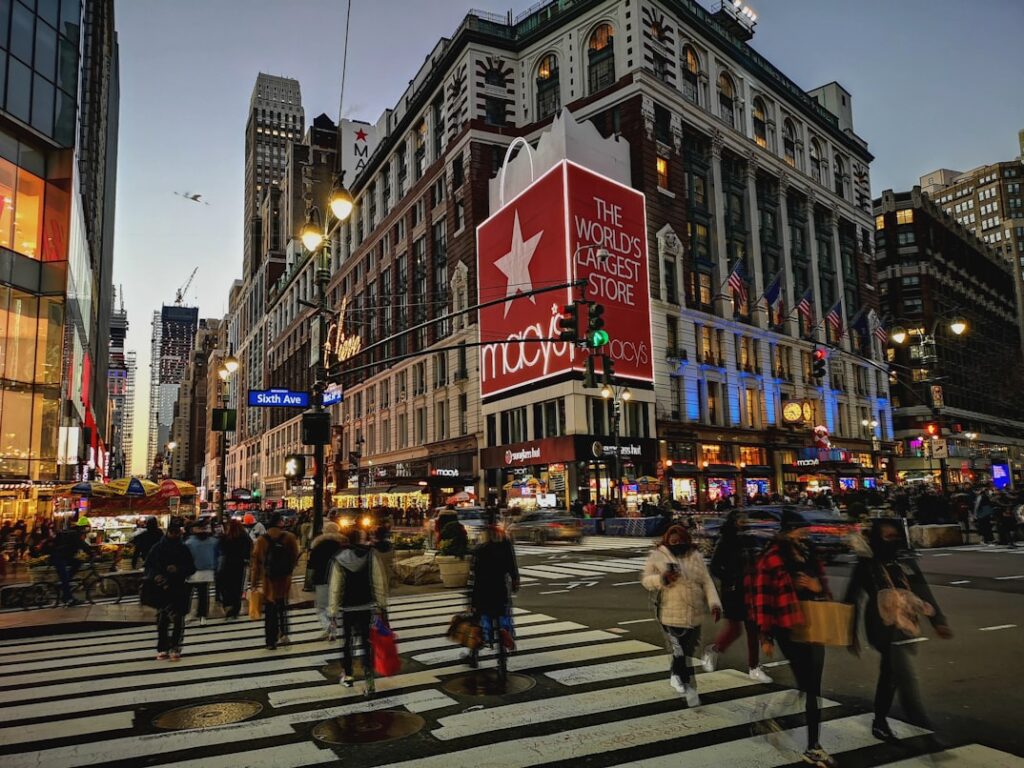
The department store chain is being surgical about price increases, according to its executives. CEO Tony Spring said during a post-earnings call that higher “pricing is working its way into the system slowly.” CFO Adrian Mitchell emphasized that the company isn’t broadly raising prices but is instead “making selective price increases in selective brands, selective categories.” The news comes as Macy’s plans to close around 150 underperforming stores by 2027 while focusing on its luxury brands like Bloomingdale’s and Bluemercury.
11. Ralph Lauren
The preppy clothing brand said in May that it would raise prices more than previously planned to offset tariffs. Some price increases were already expected for the fall. But the hikes became even higher in both the fall and the following spring. Ralph Lauren sources clothing from countries across Asia and faces the same pressures as other apparel companies. The Yale Budget Lab found that apparel prices could jump 58% higher in the short run because of tariffs, settling to 26% higher in the long run.
12. Ford
American automakers aren’t immune to tariffs, even when they manufacture domestically. Ford pulled its 2025 financial guidance and said it expected tariffs to cost about $1.5 billion for the year. Imported vehicles face a 25% tariff, and many parts used in American-made cars come from Canada, Mexico, and other countries. Even domestically assembled vehicles contain components sourced globally, so the costs ripple through the entire industry. Consumers have ended up paying an additional $2,500 to $20,000 per vehicle, depending on size and origin.
13. Volkswagen
The German automaker announced it would place an import fee on vehicles made outside the United States in response to Trump’s 25% tariff on car imports. North America chief executive Kjell Gruner said the company would keep prices steady through the end of May but that they could increase in June. Volkswagen sells several models manufactured in Mexico and Germany, both of which face tariffs. The company had little choice but to pass along at least some of these costs to American buyers.
14. Diageo
Your bar tab got more expensive this year. Diageo, the beverage giant behind Guinness, Johnnie Walker, and Don Julio, said tariff costs could reach $200 million annually. The company plans to absorb about half of that hit before raising prices on the rest. Tariffs on European Union imports rose from 10% to 15%, affecting wine, whiskey, and vodka from major producing regions. The Wine and Spirits Wholesalers of America notes that imported wine and spirits account for 35% of all alcohol sales revenue in the United States.
15. Shein

The Chinese fast-fashion retailer that became popular for its ultra-low prices raised prices starting April 25, 2025. Shein previously benefited from the “de minimis” exemption, which allowed shipments worth less than $800 to enter the country duty-free. Trump eliminated that exemption. CNN noted that a bathing suit set that cost $4.39 one day cost $8.39 the next, a 91% increase. The company wrote in a notice to customers that “recent changes in global trade rules and tariffs” forced it to make “price adjustments.”
16. Temu
Shein’s main competitor faced identical pressures and responded with nearly identical language. Temu announced price changes taking effect April 25, telling customers that operating expenses had increased due to tariff changes. CNN reviewed two patio chairs listed at $61.72 on April 24 that jumped to $70.17 the following day. Like Shein, Temu shipped directly from China to American buyers and relied on the de minimis exemption to keep costs down. That loophole is now closed, and both companies adjusted their pricing accordingly.
17. Nintendo
The Japanese gaming company delayed pre-orders for its Switch 2 console because of tariff concerns. While the $450 console price stayed the same, Nintendo said accessories “will experience price adjustments from those announced on April 2 due to changes in market conditions.” The company also raised prices on earlier Switch models and warned that other “price adjustments may be necessary in the future.” Gaming hardware manufactured in Asia faces tariffs like any other electronics import.
18. Munchkin

Baby products represent a particularly sensitive category for price increases. Munchkin, which makes feeding supplies, bath products, and other baby gear, raised prices because of higher duties on goods imported from China. According to the e-commerce site Babylist, tariffs are increasing costs on cribs, bassinets, European-made formula, nursery furniture, baby clothes, toys, high chairs, diaper pails, swings, monitors, bouncers, play gyms, activity centers, and diaper bags. Babylist founder Natalie Gordon called tariffs on baby products “a tax on families that are having a baby.”
Read More: The Lowest Cost of Living in The US Goes to This Small Town in Arizona
19. Costco
The warehouse club confirmed it has raised some prices in response to tariffs. While executives haven’t provided detailed breakdowns of which items cost more, Costco imports goods from around the world and faces the same pressures as other major retailers. The company’s business model depends on offering lower prices than traditional retailers, so absorbing tariff costs indefinitely isn’t sustainable. Members have seen gradual price increases across various product categories throughout the year.
20. Abercrombie & Fitch
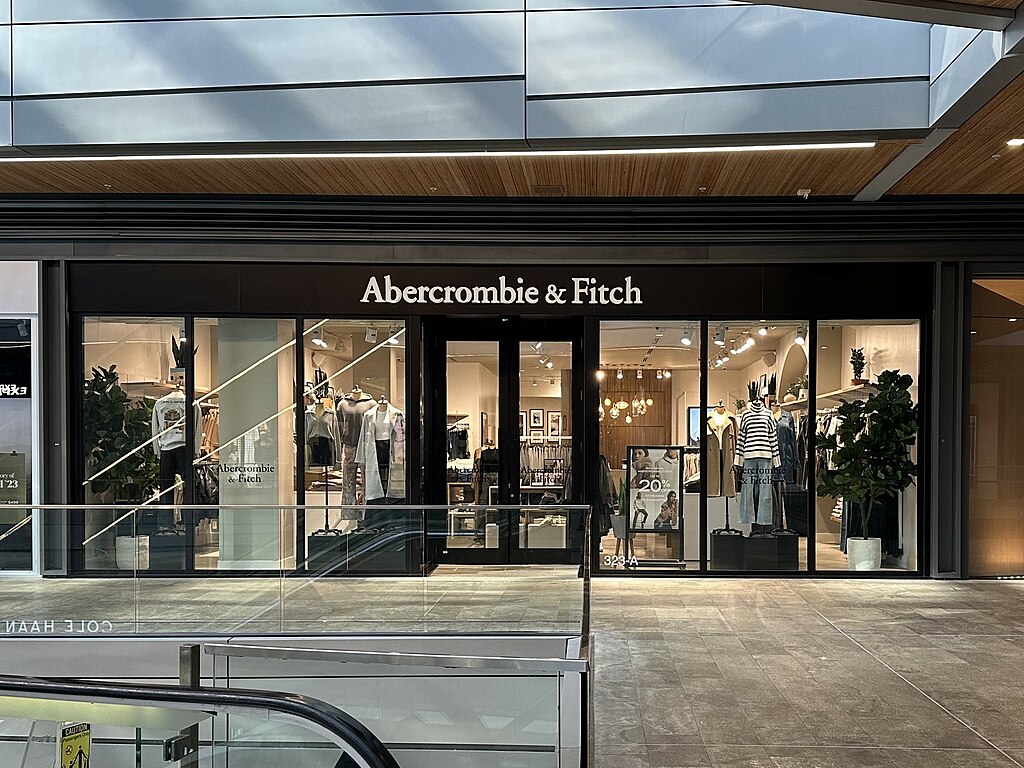
The clothing retailer slashed its profit outlook because of tariffs, joining American Eagle, Canada Goose, and Ross in either reducing guidance or withdrawing it entirely. Apparel companies face particularly steep challenges because the bulk of clothing sold in American stores is manufactured outside the United States. China, Vietnam, and Bangladesh are among the biggest exporters, and all three now face tariffs between 30% and 46%. The National Retail Federation warned that clothing prices could increase by 36% to 56% under some tariff scenarios.
These 20 brands represent just a fraction of the companies passing tariff costs to consumers. Goldman Sachs estimates that American consumers will absorb 55% of tariff costs by the end of 2025, while businesses shoulder 22% and foreign exporters pay just 18%. The St. Louis Fed found that durable goods like vehicles, electronics, and furniture have increased noticeably this year, and those movements align directly with the timing of tariff hikes. More price increases are likely coming due to tariffs as companies that stockpiled inventory before trade restrictions took effect now face the full cost of new imports. The trade policies show no signs of easing, and your shopping cart will reflect that reality.
Read More: U.S. Tariffs on Italian Pasta Soar to 107% as 13 Brands Could Vanish from Shelves