
If you’ve ever known someone who has had a blood clot, you know that they are no laughing matter. Blood clots are a significant health concern because they can lead to serious complications such as heart attacks and strokes. While medications are often prescribed to manage clotting risk, certain natural foods and supplements may help reduce the risk of blood clots when used responsibly and alongside medical advice.
What Is a Blood Clot?
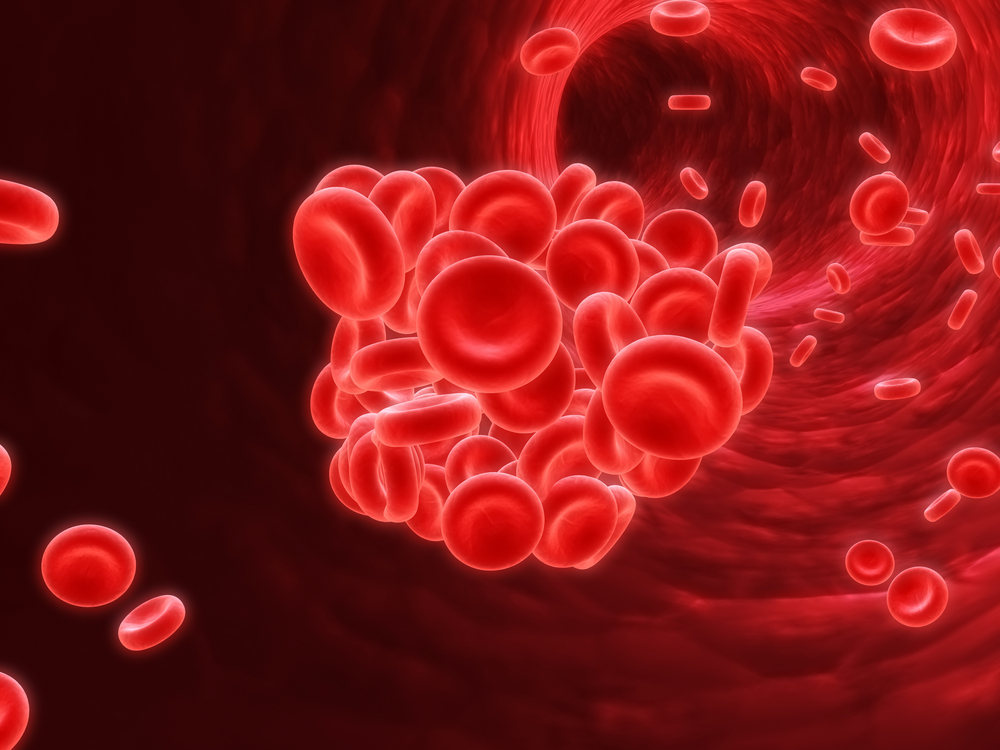
A blood clot is a gel-like clump of blood formed by platelets and fibrin to stop bleeding when a blood vessel is injured, also known as a thrombin. While clotting is vital for healing, abnormal clot formation inside blood vessels can block blood flow. This can lead to dangerous conditions such as deep vein thrombosis (DVT), pulmonary embolism, heart attacks, and strokes.
Risk Factors for Blood Clots

There are many reasons that blood clots can form. Some of them are within our control and others are not. It is important that we all understand our individual risk factors so that we can better prevent and react to blood clot formation. Common risk factors include:
- Prolonged immobility (e.g. long flights, bed rest, highly sedentary lifestyle)
- Surgery or trauma
- Certain medical conditions such as cancer or heart defects
- Pregnancy and hormone replacement therapy
- Obesity
- Smoking
- Advanced age
- Genetic predispositions to clotting disorders.
Managing these risks is crucial to prevent clot formation.
12 Natural Blood-Thinning Foods and Nutrients
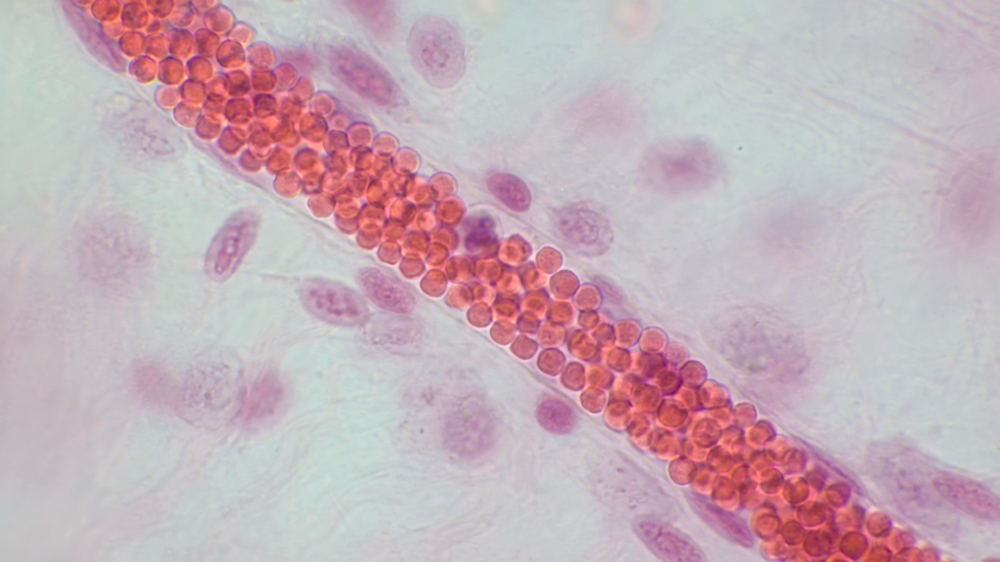
There is no food or supplement that can replace blood thinning medication for those that truly need it. However, there are some natural substances that are thought to have blood-thinning or anticoagulant properties to support general wellbeing. Of course, if you are on blood thinning medications, you must speak with your doctor first to understand your personal risk factors, so as not to thin your blood to a point that is dangerous. The following are 14 natural foods and supplements that may help reduce your risk of clot formation.
1. Turmeric
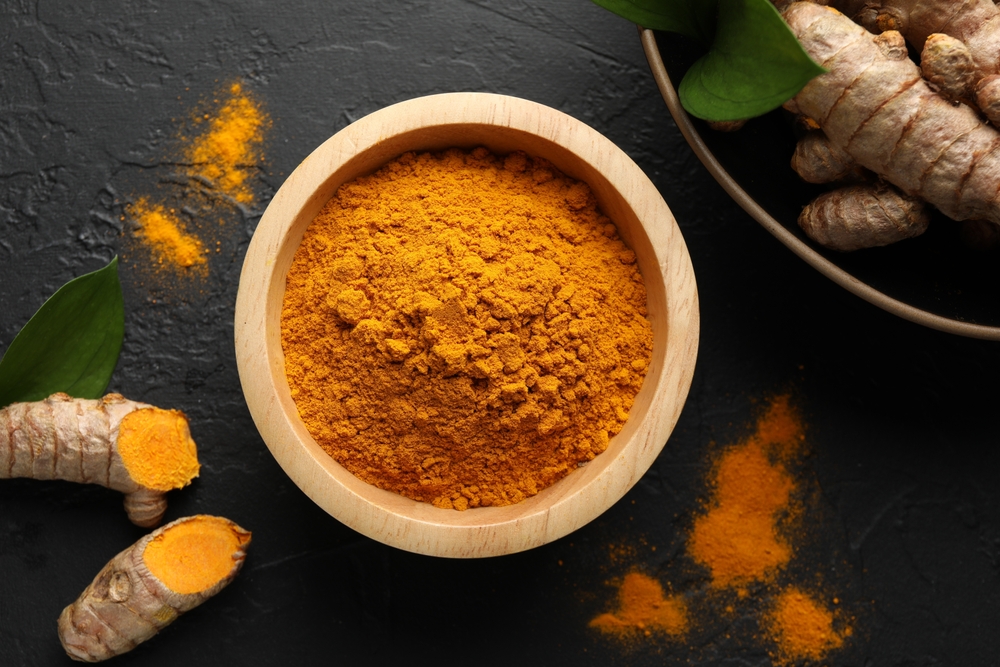
Turmeric is a small root vegetable that is known for it’s bright orange hew. The active compound that causes this color is called curcumin. Curcumin has anti-inflammatory and anticoagulant properties that may help prevent excessive blood clotting. Turmeric is easy to incorporate into your regular diet. You can add it to savory dishes, soups, and even brew it as a tea. Turmeric is also available in capsules as a supplement, however, you should consult your doctor before taking it this way as this is a much higher concentration than you would consume in food and drinks.
2. Ginger
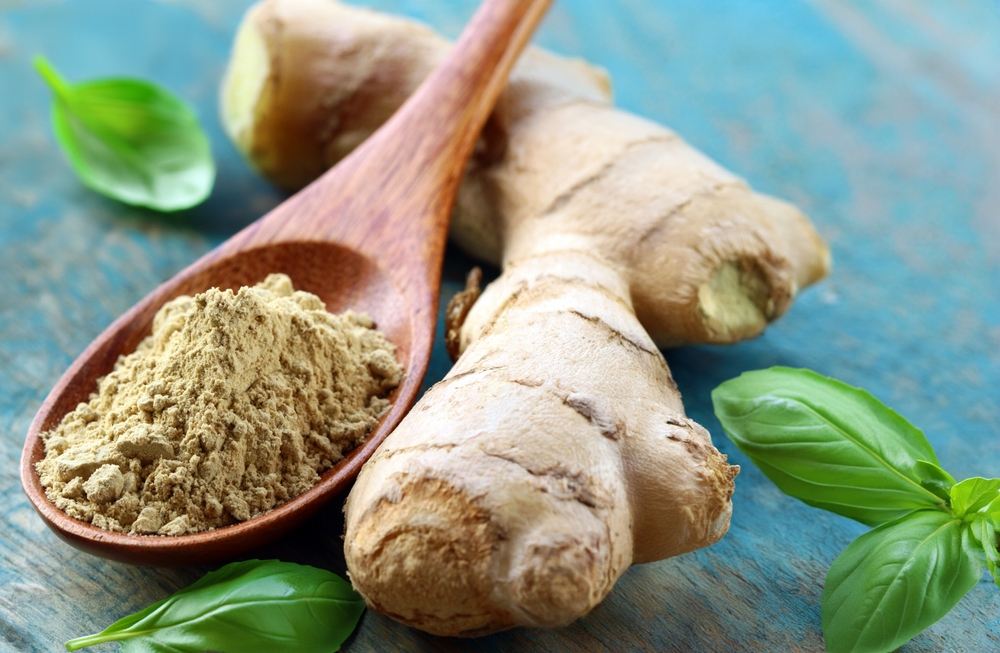
Ginger is another incredible powerful root that has long been used as a flavoring agent in food and drinks. It has also long been known for its long list of health benefits. For blood clotting, ginger contains salicylates similar to those in aspirin. These may reduce platelet aggregation, aka clotting. You can add it fresh or dried into cooking, make it into a tea, or add it to juices and smoothies. It is also available in capsules, however, again, speak with your doctor before taking these.
3. Cayenne Pepper
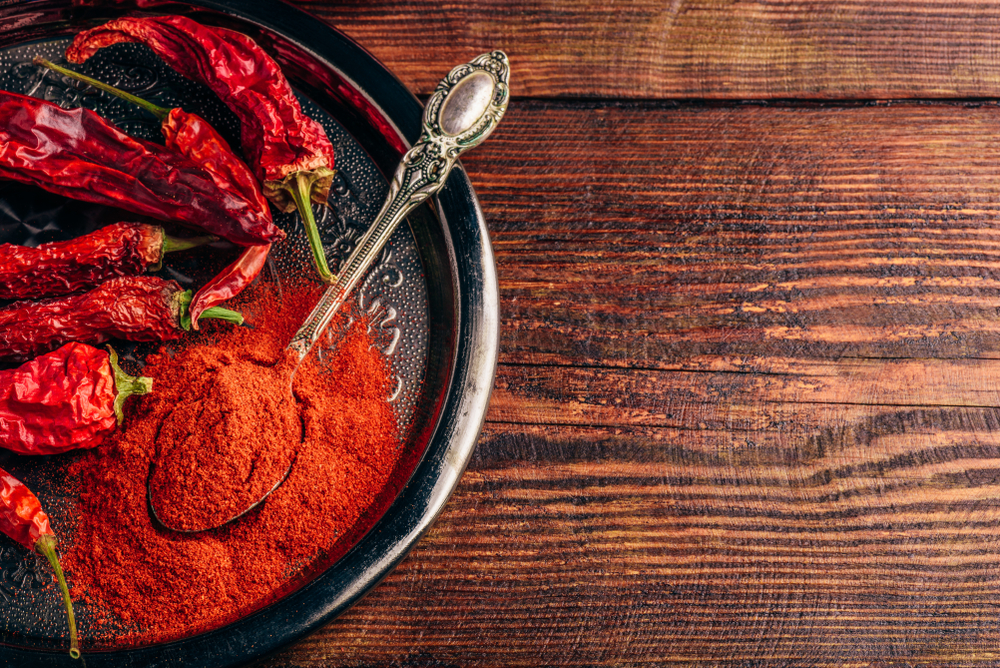
If you like spicey food, you’ll already know cayenne pepper well. If you don’t, you probably also know it well – thanks to all of your attempts to avoid it. Cayenne pepper contains salicylates, as well, and some believe that it can aid blood thinning. It is important to note that the scientific evidence is limited for this one. Cayenne pepper can be added to any food for some extra kick. Considering adding it to hot cocoa, as well, to create an even more warming beverage. There are some supplements available, however, they are only advised under medical advise.
4. Vitamin E
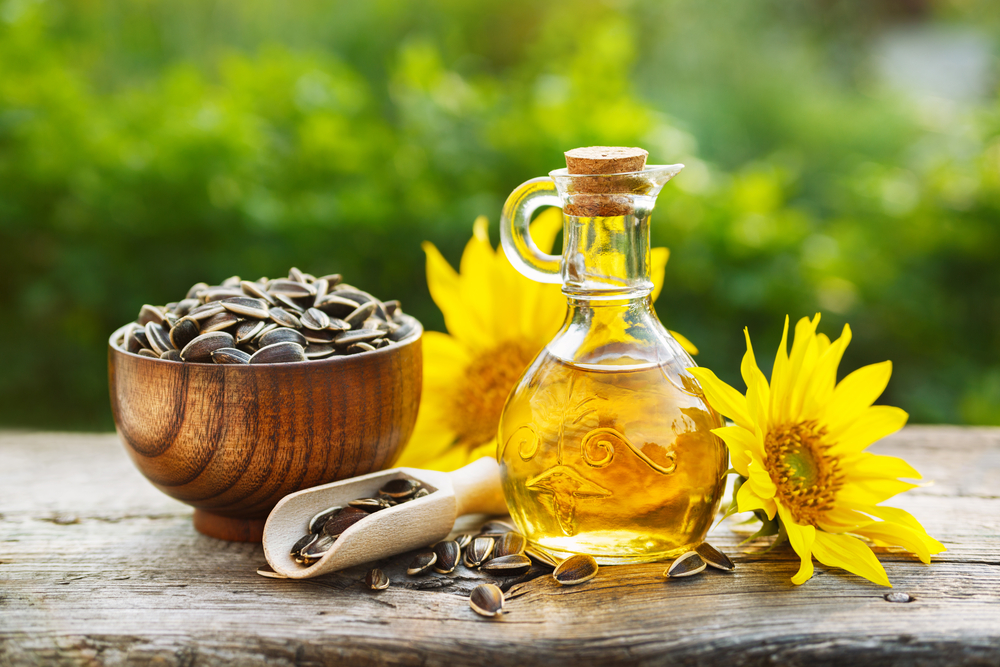
Vitamin E is an essential vitamin found in almonds, safflower and sunflower oils, sunflower seeds, peanut butter, and whole grains. At high doses – above 400 IU/day – it may reduce blood clotting. Anyone already taking blood thinners, however, should not be consuming large doses of vitamin E.
5. Garlic
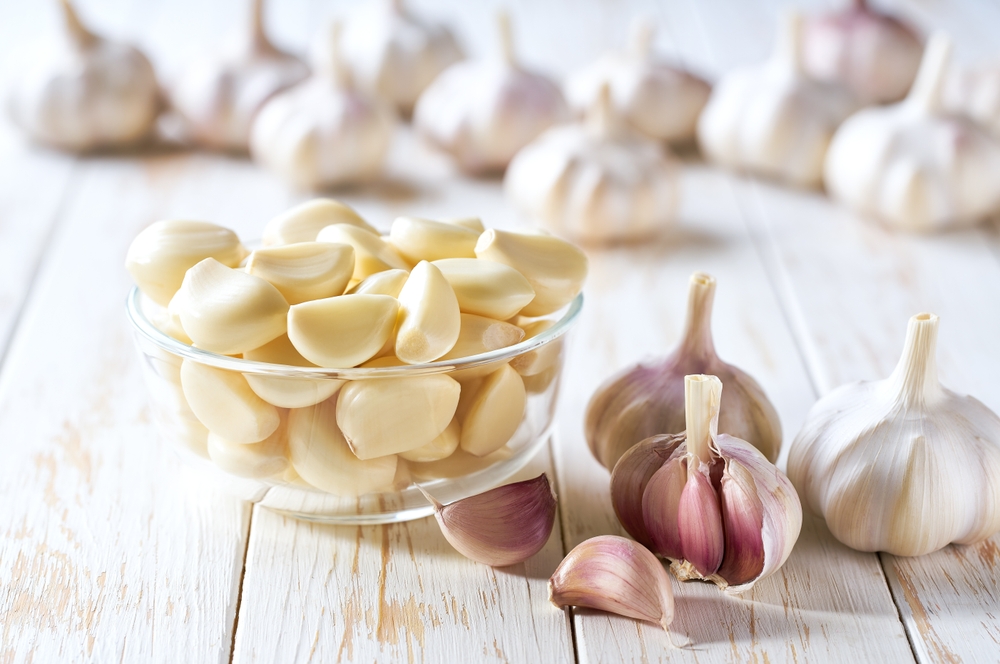
No dish is complete without at least a little bit of garlic, right? Turns out it is also beneficial for blood thinning. Garlic shows antithrombotic action that may help prevent clots and reduce blood pressure. Reap the benefits either fresh or dried in cooking, added to bread dough, or in supplement form under doctor supervision.
6. Cinnamon
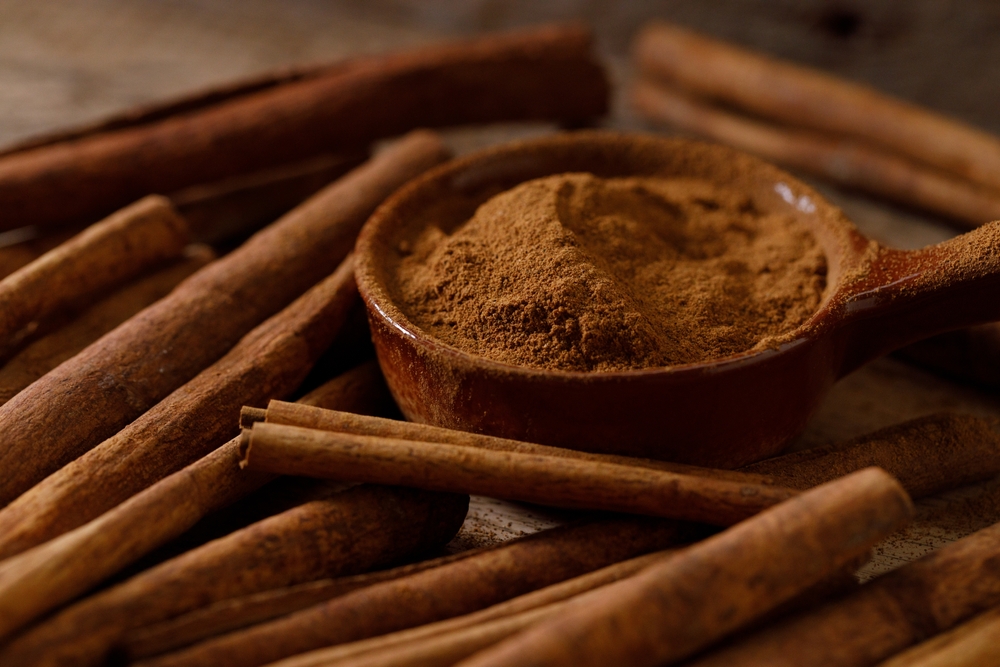
Cinnamon’s active compound, coumarin, is also found in the anticoagulant medication Warfarin. Small amounts of cinnamon may support blood thinning, however, high doses can be harmful to the liver. Use cinnamon powder in baked goods and drinks, spice blends, or capsules if advised by a doctor.
7. Ginkgo Biloba
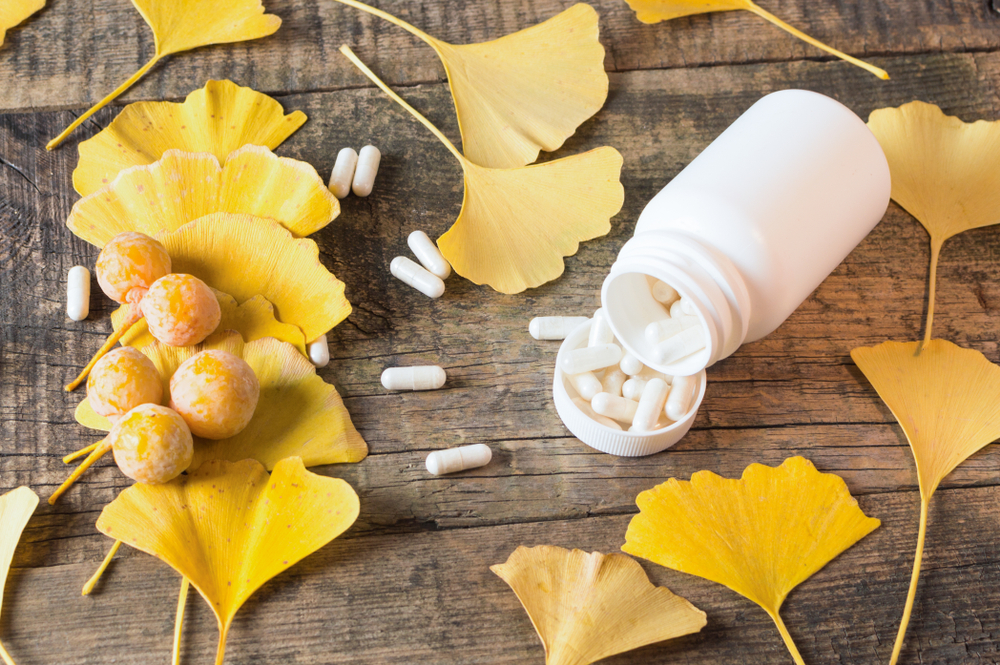
Researchers found in a laboratory study that gingko biloba is a plant that contains compounds that might block thrombin. Thrombin is an enzyme involved in blood clotting. It can be found as a tea, otherwise, it can be found as a leaf extract in tablets or capsules. Consult a doctor before taking this supplement to ensure that it is right for you.
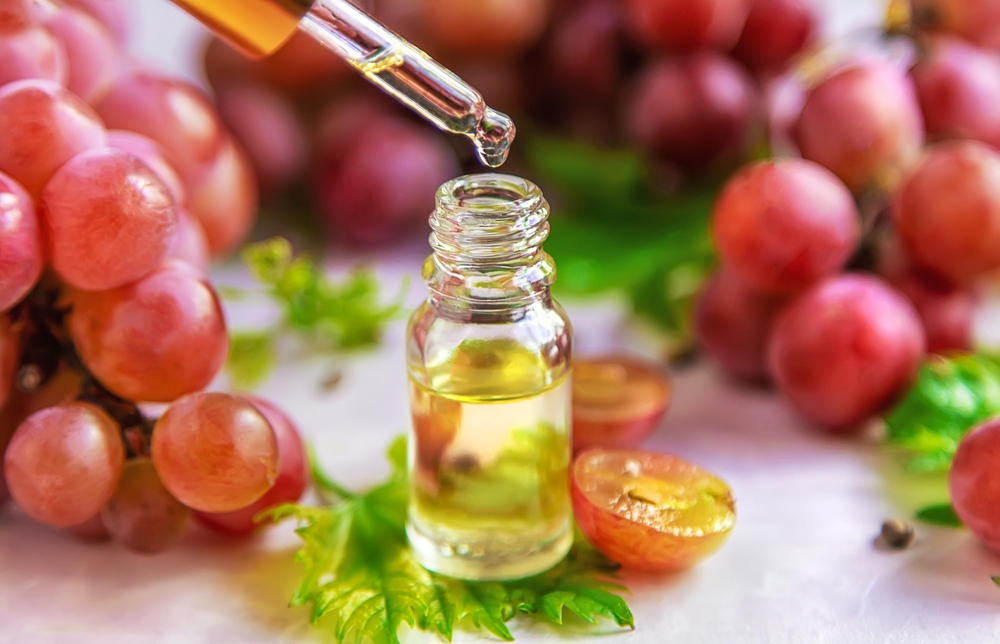
Grape seed extract is just as it sounds: the extract from the seeds of grapes. It may prevent platelet clumping and support heart health based on early studies. More research, however, is needed. It is available in both liquid and capsule form, but it should be avoided if you have bleeding issues or before surgery.
9. Dong Quai
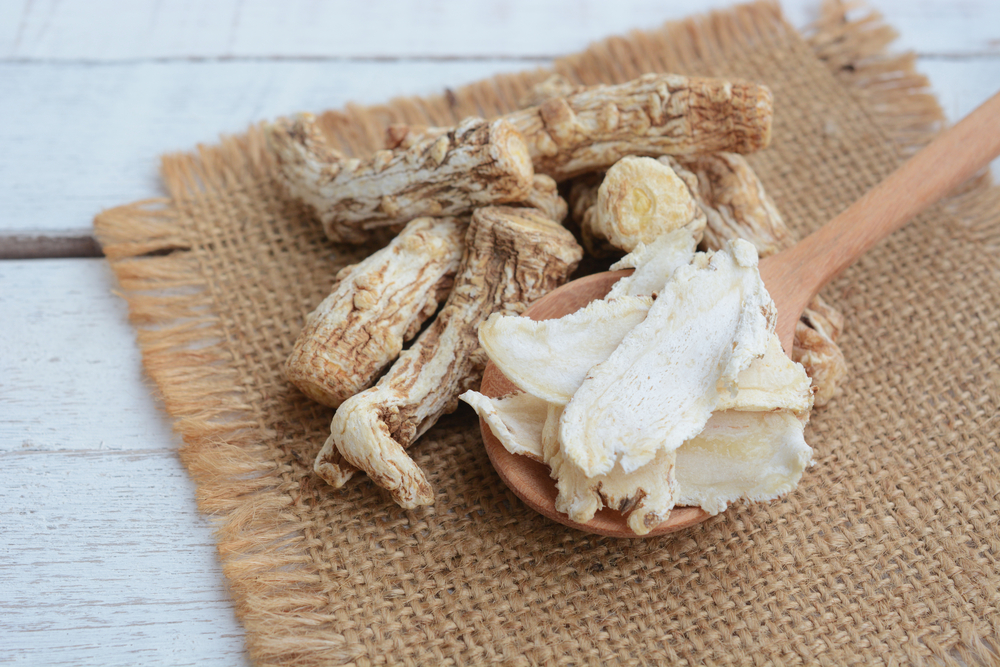
Dong quai is a traditional herb containing coumarin. This active compound, coumarin, may help to reduce clotting, however, human evidence is limited. It is traditionally taken as a tea, as a culinary herb in soups, or as a supplement under medical supervision.
10. Feverfew
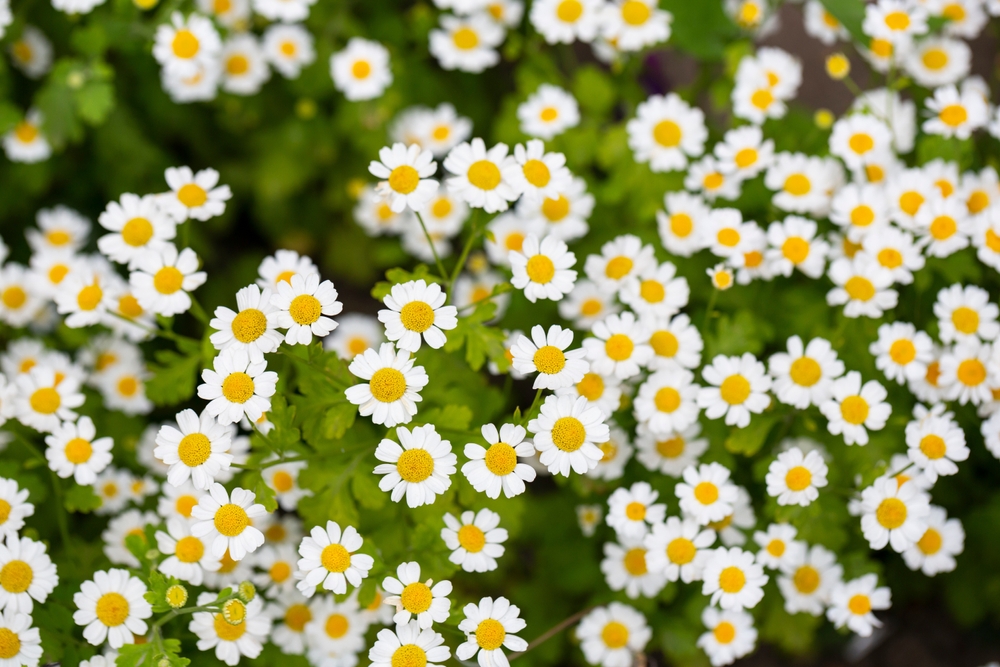
Feverfew is another plant that has been traditionally drunk as a tea made from both the leaves and flowers of the plant. It has also been used culinarily in savory foods. Some effects on blood coagulation have been reported, however, more research is needed. Again, there are supplements available, however, only under medical supervision is this advised.
11. Pineapple
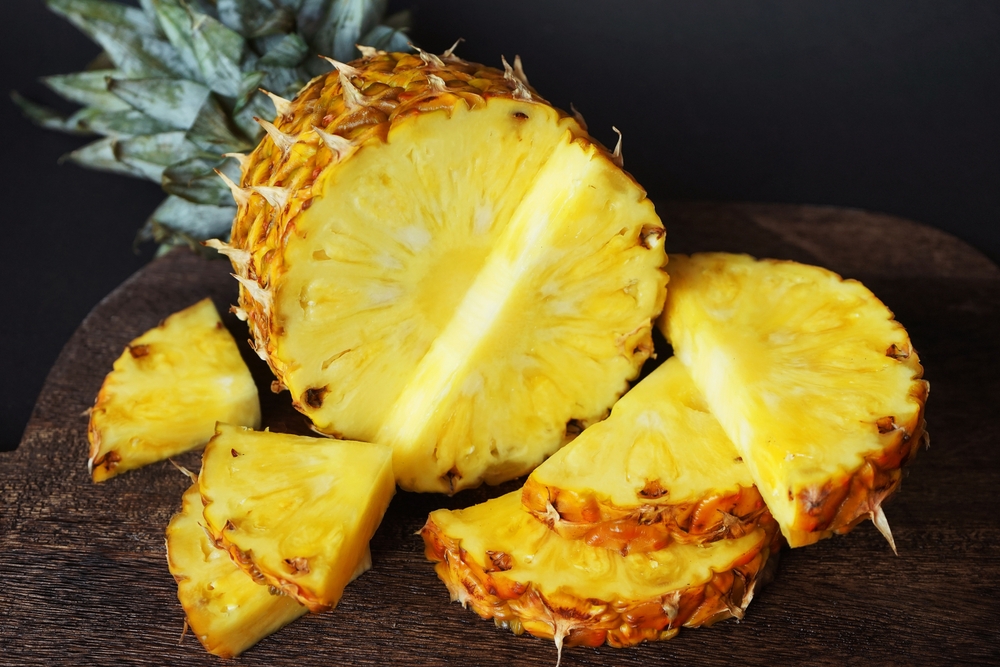
If you are a pineapple fan, then here’s another reason for you to eat more of it: Bromelain, the enzyme found in this sweet golden fruit. Bromelain has possible anti-inflammatory and anticoagulant properties, though the evidence is mixed. You can get your fix through simply eating pineapple, or as in supplement form with the guidance of a doctor.
12. Aloe
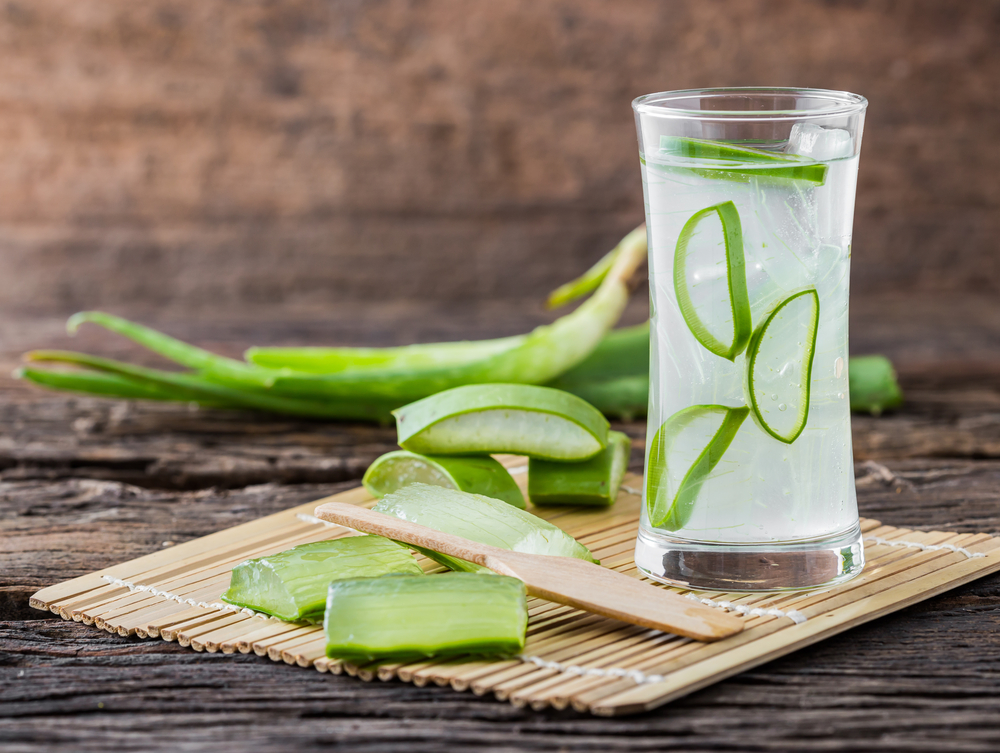
We all know aloe for its effect on sunburns – perhaps many of us have turned to its gel-like substance more often than we’d like to admit. Aloe also contains salicylates that may reduce platelet activity, therefore reducing clotting. Lab evidence suggests that it could even have aspirin-like effects, though more research is needed to determine if this effect is the same in the human body. You can consume aloe mixed into foods, as a juice, in smoothies, or as a supplement. It is important to stop taking it two weeks before any surgeries.
Foods to Avoid If You Are at Risk for Blood Clots
Now that we’ve covered some foods that will help, it’s important to look at foods that will also do the opposite. Certain foods can contribute to inflammation, interfere with blood-thinning medications, or increase clotting risk. The following are some categories of foods to limit or avoid if you are at risk for blood clots:
1. Ultra-Processed Foods

Ultra-processed foods are often high in unhealthy fats, sugars, and additives that promote inflammation, a key factor in blood clot formation. These foods are engineered for longer shelf life and enhanced taste but may increase the risk of venous thromboembolism (VTE), a type of blood clot in the veins. Examples include packaged bread, cereals, cakes, cookies, chips, and frozen meals.
2. High-Sodium Foods
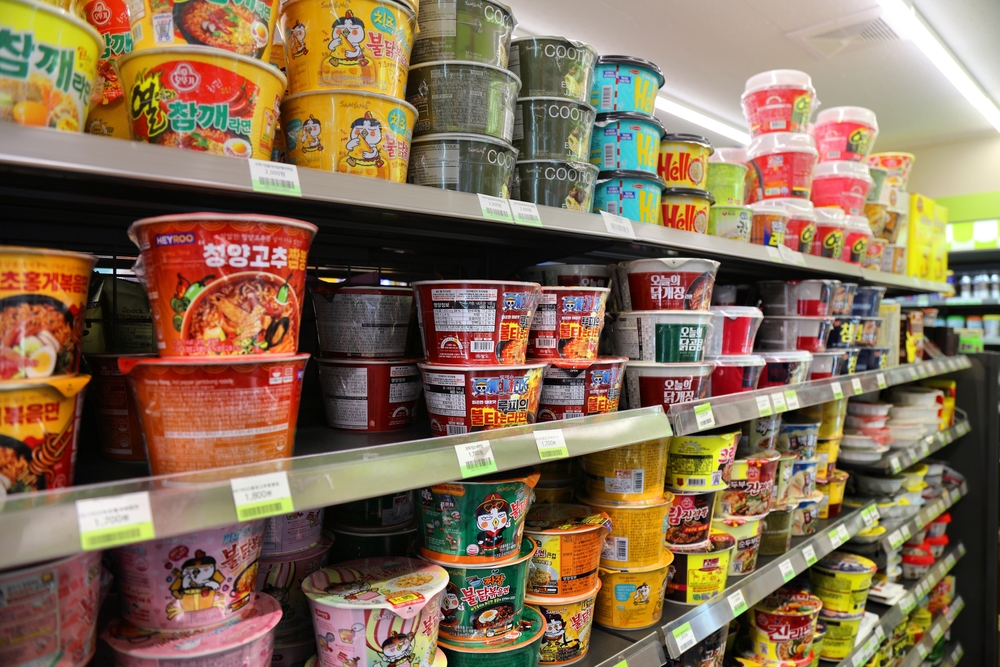
Excessive sodium intake can impair blood vessel function and elevate blood pressure, both of which increase clot risk. High blood pressure is a known contributor to clot formation and related complications like strokes. People at risk often benefit from following a low-sodium diet. Examples of high-sodium foods include ramen noodles, canned soups, soy sauce, ketchup, processed meats, certain cheeses, and fast food.
3. Vitamin K-Rich Foods
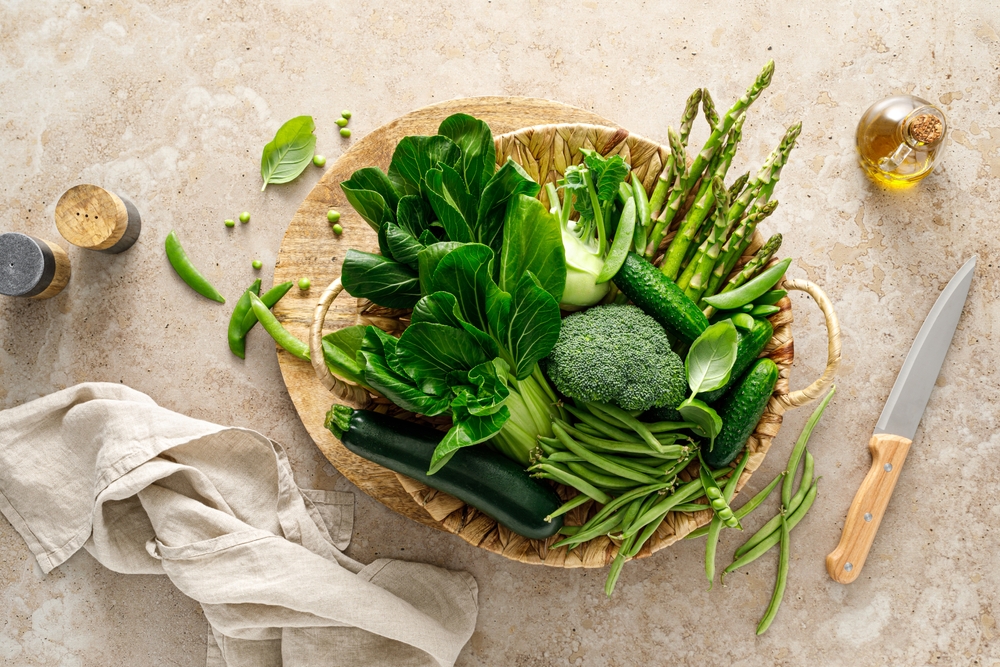
Vitamin K plays a vital role in blood clotting, so those taking certain blood thinners like warfarin must monitor their intake carefully. Sudden increases or decreases in vitamin K-rich foods can reduce the effectiveness of these medications, potentially raising clot risk. The goal is consistent daily intake rather than complete avoidance. Examples of vitamin K-rich foods include leafy greens such as kale, collard greens, brussels sprouts, broccoli, cabbage, asparagus, and green tea.
4. Saturated and Trans Fats
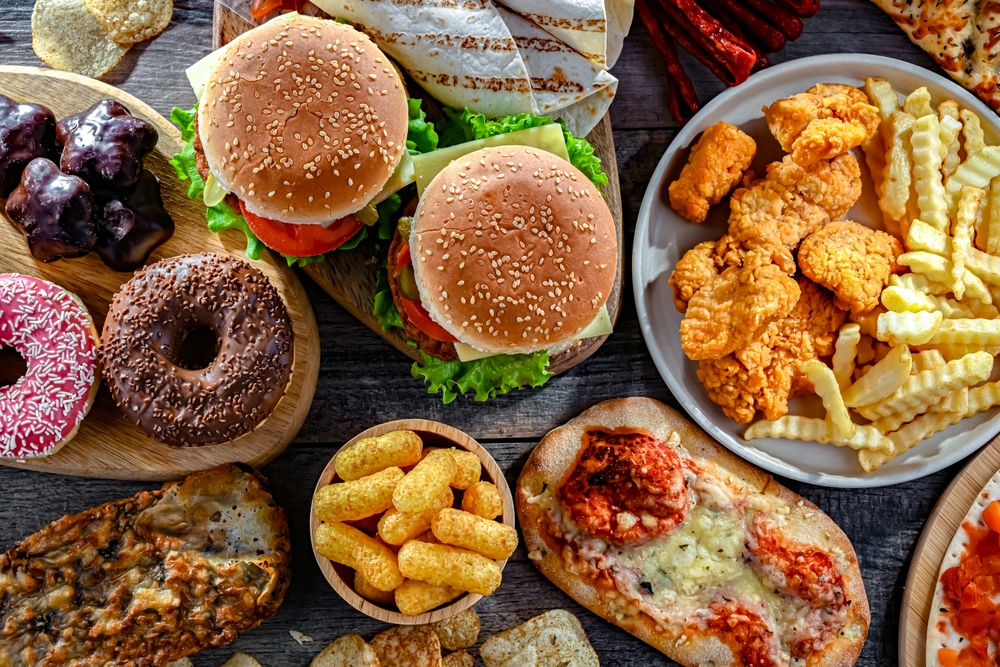
These so-called “bad” fats contribute to artery plaque buildup and narrowing, which can promote clot formation. Saturated and trans fats also have adverse effects on cholesterol and heart health, further increasing clot risks. Reducing or eliminating these fats is recommended to support vascular health. Foods high in saturated fats include beef, pork, lard, coconut oil, baked goods, and fried foods. Those high in trans fats include margarine, shortening, certain baked goods, dough, frozen pizza, and fried foods.
5. Refined Sugars

Added sugars cause systemic inflammation and may increase the risk of blood clots in vessels. Unlike natural sugars in whole fruits and vegetables, refined sugars in processed foods have harmful cardiovascular effects. Some artificial sweeteners, like erythritol, have also been linked to increased thrombosis risk in some studies. Foods high in refined sugars include soda, sweetened juices, sports drinks, candy, cakes, cookies, some yogurts, and ice cream.
6. Alcohol

Alcohol has no nutritional value, and we are learning more and more just how damaging it can be to our health. Alcohol can thin the blood, increasing the risk of excessive bleeding, while also potentially interfering with blood-thinning medications to increase clot risks unpredictably. People on anticoagulant therapy are usually advised to limit or avoid alcohol consumption to maintain safe clot control.
Read: 7 Signs of Mini Stroke in The Elderly
Other Ways to Reduce the Risk of Blood Clots

While all of these foods can be beneficial for health and blood clotting, the truth is that the best way to support healthy blood is by living a healthy lifestyle. This means eating a balanced diet rich in fruits, vegetables, whole grains, lean proteins, and healthy fats. It means avoiding processed, packaged, high-sugar, high-salt, and high-saturated-fat foods. Other lifestyle strategies that will help include:
- regular physical activity to boost circulation
- maintaining a healthy weight
- staying hydrated
- avoiding prolonged sitting or immobility
- quitting smoking
- managing underlying health conditions such as diabetes and hypertension
Important Note: Natural Foods Are Not a Substitute for Medically Prescribed Blood Thinners

While these foods and supplements may have blood-thinning properties, they are generally not as potent or reliable as prescription medications like anticoagulants and antiplatelets. Do not replace prescribed medications with natural remedies without first consulting a healthcare professional. Some natural substances can also interact dangerously with medications, increasing bleeding risks or reducing effectiveness. Always talk to your doctor before adding supplements or significantly changing your diet, especially if you are on blood-thinning medications or preparing for surgery.
The Bottom Line

Incorporating certain natural foods like turmeric, garlic, ginger, and others may support cardiovascular health and in turn help reduce the risk of blood clots. However, their use should complement – not replace – medical treatments and preventive measures prescribed by healthcare professionals. A balanced approach combining diet, lifestyle, and medical care offers the best protection against blood clots and their complications.
Disclaimer: This information is not intended to be a substitute for professional medical advice, diagnosis or treatment and is for information only. Always seek the advice of your physician or another qualified health provider with any questions about your medical condition and/or current medication. Do not disregard professional medical advice or delay seeking advice or treatment because of something you have read here.
Read More: Stroke Myths That Put Lives at Risk, Know the Warning Signs to Stay Safe