
If you’ve recently found an empty spot where your go-to jar of Trader Joe’s seasoning used to be, or noticed your favorite brightly colored snack looks a little duller, you’re not alone. Grocery shelves across the United States are changing. While some headlines might imply a regulatory “ban,” the truth is more complex and often comes down to internal choices. Products and ingredients disappear for three primary reasons: safety reviews driving mandatory phase-outs, manufacturer reformulations seeking “cleaner” labels, and simply changing consumer preferences that deem certain items unprofitable.
The following are the additives that have been removed from the food supply that have been removed over the last few years, the ingredients that are currently being phased out, and a list of specific products that have recently disappeared from the shelves.
Discontinued Grocery Products: The Big Safety Shifts
The most impactful removals are those mandated or strongly influenced by the U.S. Food and Drug Administration (FDA) due to serious health concerns. The following ingredients used to be commonplace in a lot of food products consumed regularly. Now, however, you won’t find them.
Trans Fats / Partially Hydrogenated Oils (PHOs)
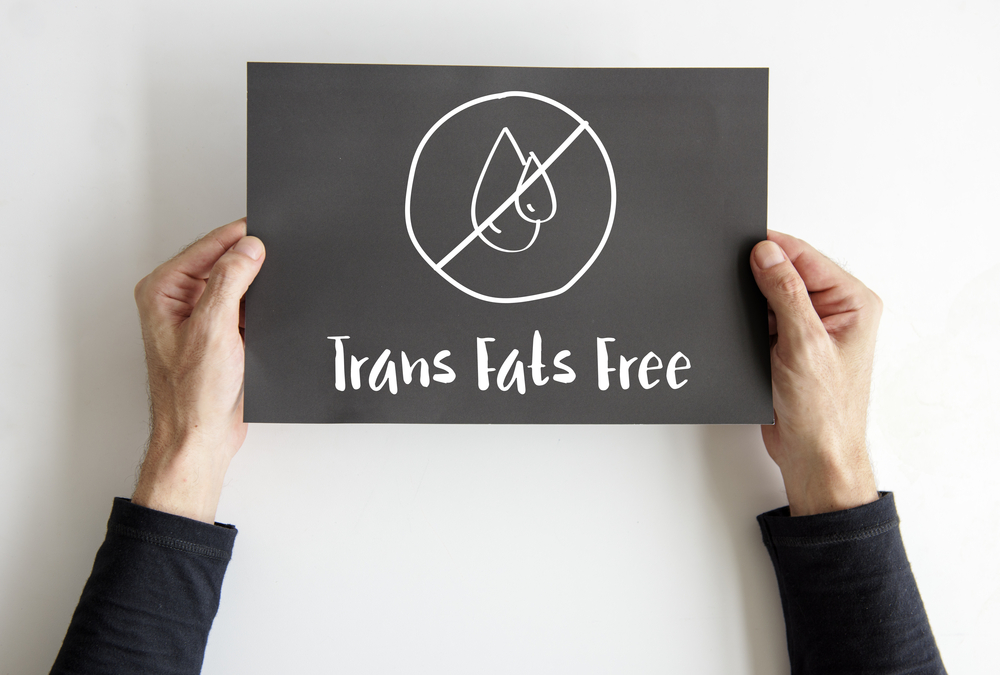
The reason for the removal of trans fats and PHOs is simple: Cardiovascular safety. Trans fats raise “bad” (LDL) cholesterol, increasing the risk of heart disease. After years of research, the FDA made a final determination in 2015 that PHOs, the primary source of artificial trans fats, were no longer considered GRAS – generally recognized as Safe. This ruling effectively phased the ingredient out of the U.S. food supply. The final compliance date for most manufacturers to stop adding PHOs to food was January 1st, 2021. While trans fats still exist naturally in small amounts in meat and dairy, artificial sources are now largely gone.
Olestra

Consumer preference and digestive side effects were the primary reasons for olestra being removed from food products. Olestra, perhaps better known by its brand name Olean, was a zero-calorie fat substitute approved in 1996. It was most notably used in Frito-Lay’s “WOW!” Chipe, among other products. It was designed to pass through the digestive system unsabsorbed, but unfortunately, this mechanism also led to reports of gastrointestinal distress, including cramping and loose stools. Although the FDA eventually removed the mandatory warning label in 2003, the initial adverse publicity and consumer discomfort drove manufacturers to voluntarily discontinue using the product in the majority of U.S. snacks. This was a classic case of the market rejecting an ingredient due to negative public perception.
Ingredients Being Phased Out Now: The Reformulation Trend
Image credit: Shutterstock.com
Today’s most significant shifts are driven by manufacturers attempting to meet the demands of consumers who prioritize simpler, shorter ingredient lists. These are not broad government mandates, but rather corporate pledges.
Synthetic Dyes (Red 40, Yellow 5, Blue 1, etc.)
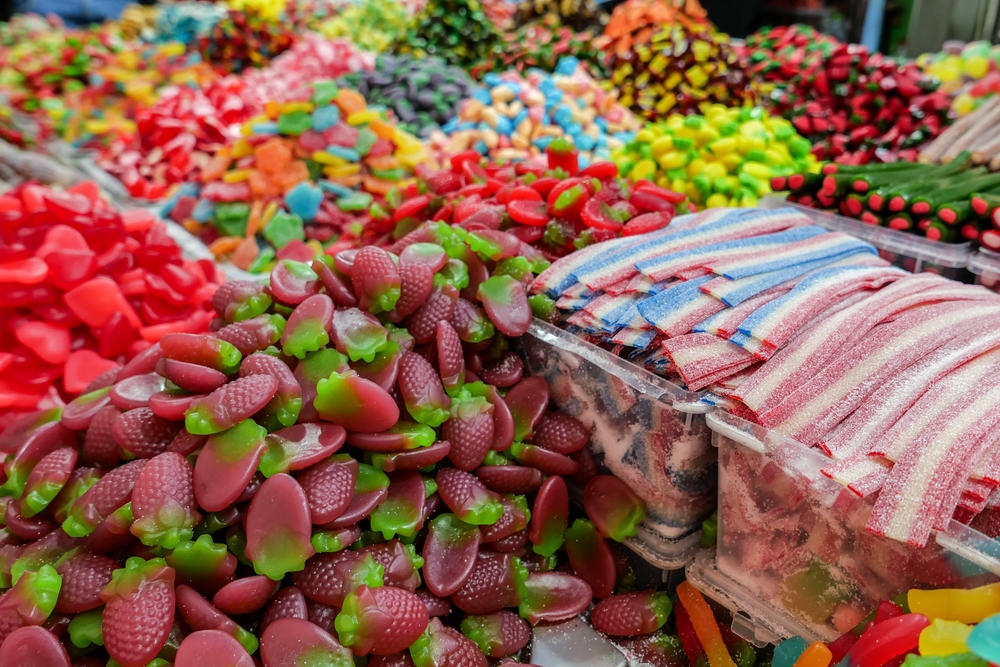
These certified color additives are used extensively to make foods visually appealing. However, concerns about their potential link to hyperactivity in children have pushed large retailers and manufacturers toward natural alternatives. Companies like Walmart, Kraft Heinz, General Mills, Nestle, and Mars have publicly committed to phasing out synthetic dyes from large portions of their U.S. food portfolios by deadlines spanning from 2025 to 2027. This move ensures their products meet evolving internal standards and consumer expectations for “cleaner” ingredients.
Titanium Dioxide
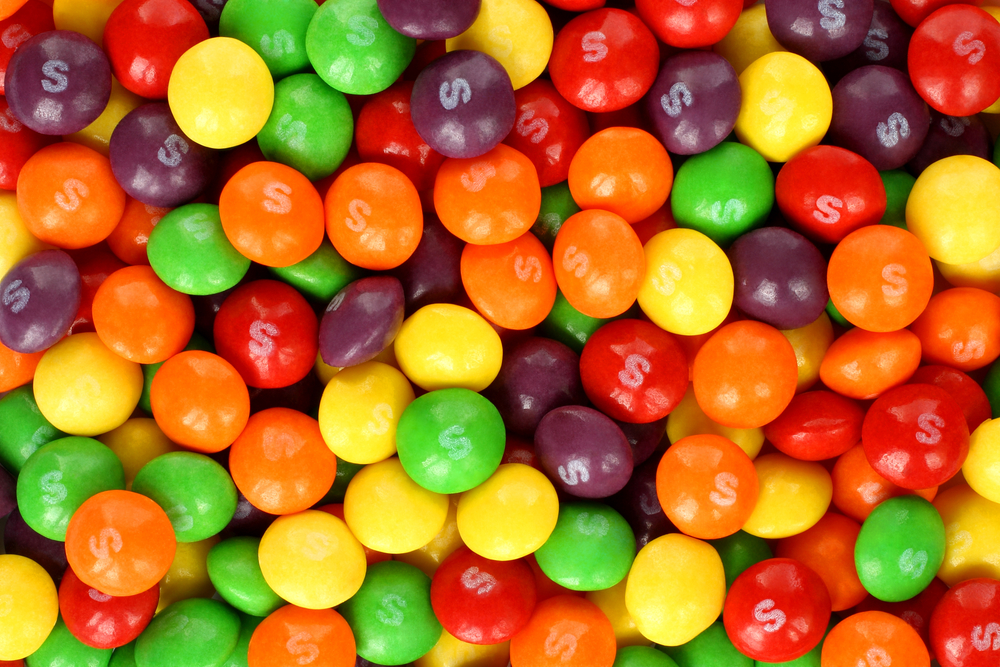
This white pigment is used to brighten foods like chewing gum, candies, and some powdered sweets. Following action in Europe and growing consumer scrutiny, major food producers have begun removing titanium dioxide. Mars, for instance, confirmed the ingredient’s removal from Skittles in 2024. This action is part of the larger industry trend to eliminate ingredients deemed unnecessary or undesirable by activists and consumers.
Certain Preservatives and Parabens
Image credit: Shutterstock.com
The push for cleaner labels often targets preservatives with unfamiliar names. Major retailers like Walmart have announced they are removing synthetic dyes and more than 30 other ingredients, including certain preservatives and artificial sweeteners, from their store-brand product lines by 2027. This continuous internal review process is a key driver for the disappearance of less common or chemically derived preservatives.
Specific Disappearing Grocery Products (The Vanishing 12)
Image credit: Shutterstock.com
While additives are reformulated, many beloved products simply get cut due to low sales, supplier issues, or shelf-space rotation. The following 12 items reflect recent cuts across various grocery categories and regions.
Trader Joe’s Discontinued Items
Trader Joe’s is famous for its rigorous product rotation, often dropping items that don’t meet sales thresholds or whose suppliers cease production. The following Trader Joe’s products are no longer on their shelves:
- Beef-less Ground Beef: This long-time vegan staple was discontinued in 2025. The move was widely speculated to be due to the closure of the external supplier, forcing TJ’s to remove the product from shelves.
- Pizza Sprinkle Blend: This unique spice blend disappeared recently, frustrating customers who used it as a savory topping for everything from popcorn to pasta. Regional differences often apply here; sometimes a product may linger in one market while vanishing in another.
- Hi-Protein Veggie Burger: This soy-free, gluten-free option was discontinued in 2023, possibly as the plant-based category shifted toward newer, meatier alternatives.
- Vegan Caramelized Onion Dip: The dairy-free dip was cut in 2024, highlighting how even popular alternatives must fight for shelf space.
- Pancake Bread: This beloved breakfast-dessert hybrid loaf was recently discontinued in 2025, sending fans scrambling to stockpile the sweet treat.
Read More: 10+ Famous Food Logos Hiding Secret Meanings
National and Private-Label Snacks
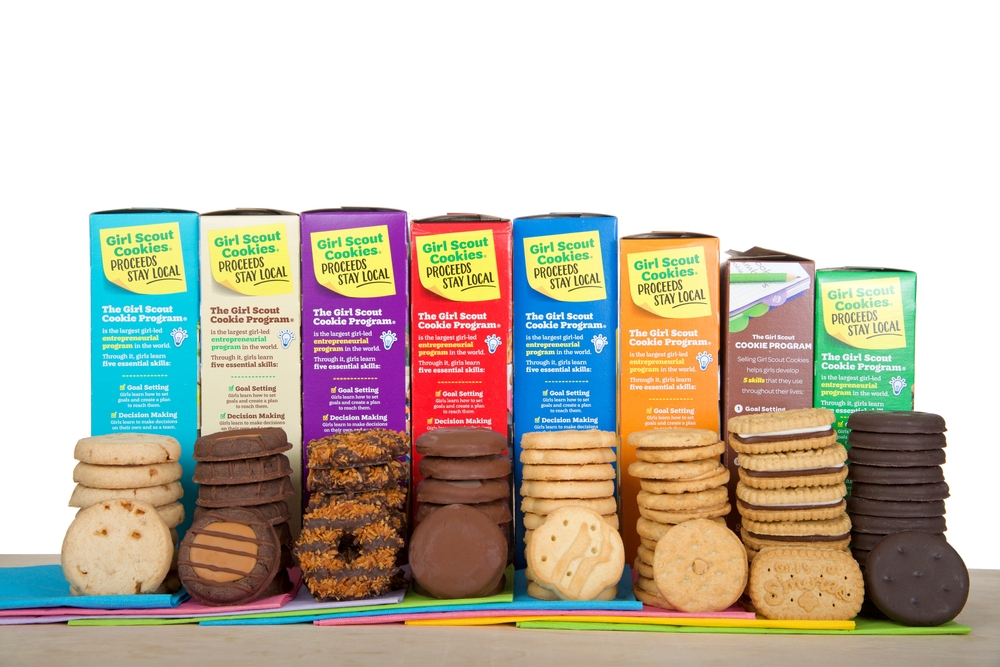
- Raspberry Rally Girl Scout Cookies: This popular flavor was discontinued/paused for the 2024 season. While the cookie was a huge hit, the Girl Scouts stated the decision was made to prioritize the supply of classic, core cookie varieties.
- Kirkland Signature Chocolate Chips: Costco’s private-label chocolate chips were temporarily pulled from shelves in 2024 due to the significant global rise in cocoa prices. This demonstrated that commodity economics can force a product’s temporary disappearance.
- Oreo O’s Cereal: The original version of the chocolaty cereals was discontinued in 2024, only to be replaced almost immediately by the similar-but-reformulated Oreo Puffs cereal. This showcased a brand refresh rather than a complete withdrawal.
- Fruit Stripe Gum: This classic, brightly striped confection was officially discontinued in 2024 after 54 years. This was a nostalgic loss primarily due to declining sales.
- Knott’s Berry Farm Jam (in grocery stores): The retail version of this jam line was discontinued in 2024. While the product still exists, it is now primarily sold online or through the Knott’s Berry Farm theme park. This marked a significant change in distribution model rather than complete cessation.
- Coca-Cola Spiced: This limited-edition soda, introduced in 2024, was quickly discontinued just six months later. This proved that even major brand innovations can be swiftly cut due to low consumer demand.
- Panera Flatbread Pizzas: These menu items were removed from Panera Bread’s offerings in 2024 as part of a massive menu overhaul designed to streamline operations and refocus on their core sandwich and salad categories.
The Takeaway

The great grocery shift is continuous and ongoing. While the disappearance of a favorite product or the removal of a long-standing ingredient can be frustrating at times, these changes are driven by a positive overall trend. Manufacturers are responding to consumer demand for simpler, more transparent labels. They are removing complex, synthetic additives and replacing them with natural alternatives. Mandatory phase-outs, like that of trans fats, prove that the food and safety ecosystem works to remove ingredients associated with health risks. In many cases, a product “vanishing” from the shelf is simply a placeholder for a reformulated, safe, or healthier option waiting in the wings. While nostalgia is powerful, the direction of the food industry is overwhelmingly toward ingredients and products that better align with modern health expectations.
Disclaimer: This information is not intended to be a substitute for professional medical advice, diagnosis or treatment and is for information only. Always seek the advice of your physician or another qualified health provider with any questions about your medical condition and/or current medication. Do not disregard professional medical advice or delay seeking advice or treatment because of something you have read here.
Read More: How France Is Fighting Food Waste Through Supermarket Donations