
Lack of empathy can strain relationships and create significant misunderstandings. Empathy is a key component of emotional intelligence, allowing us to connect with others on a deeper level. Understanding the signs of low empathy can help us navigate our relationships more effectively, whether we’re trying to improve our own empathic skills or dealing with someone who struggles with them.
What Is Empathy?

Empathy is the ability to understand and share the feelings of another person. It’s about putting yourself in someone else’s shoes and seeing the world from their perspective. It’s a fundamental part of human connection, enabling us to respond to others with compassion and care.
Empathy vs. Sympathy
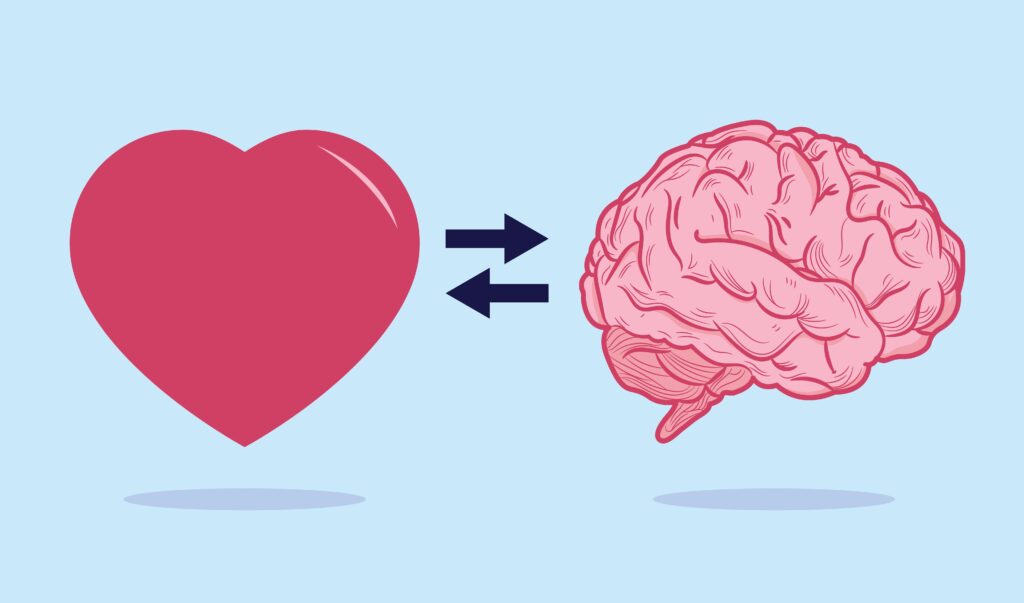
While sometimes used interchangeably, empathy and sympathy are distinct concepts. Sympathy is feeling for someone; a sense of pity or sorrow for their misfortune. For example, if your friend loses a loved one, you might sympathize with them and say “I’m sorry for your loss.” Empathy, on the other hand, is feeling with someone. It means you can imagine what it’s like to experience their pain. It’s the difference between saying “that sounds terrible” and saying “I can only imagine how difficult that must be for you.” Sympathy is a more detached feeling of concern, while empathy involves a deeper, shared emotional experience.
Why Empathy Is Important
Empathy is crucial for humans (and even in the animal world) for building and maintaining healthy relationships. It helps us communicate effectively, resolve conflicts, and offer support to those in need. In a broader sense, it fosters social cohesion and understanding, helping us to appreciate differences and work together toward common goals. Without empathy, we are more likely to be judgmental, isolated, and unable to connect with others in a meaningful way.
11 Signs That Someone Lacks Empathy
Normally, if someone lacks empathy, you will feel it fairly quickly. You might not notice it at first when everything is going well, but rather when you first have a problem. Maybe something sad happens to you, or you’re feeling frustrated about something. You go to that person for help, and you end up feeling worse off. That being said, sometimes you might leave an interaction with someone who lacks empathy feeling confused. These are 11 signs that someone lacks empathy, to help you understand that you are not the problem, and that clearly this isn’t the person you should be going to with your life’s woes.
Being Extremely Critical of Other People

We all know someone who is hypercritical – they can just never seem to find something good to say about anyone. When they do, it is often a back-handed compliment. Someone who lacks empathy often struggles to see the context or reasons behind others’ actions. Instead of trying to understand why someone might have made a mistake, they are quick to judge and find fault. They offer harsh criticisms that can feel cruel or unjustified, with zero compassion for the person involved.
Blaming the Victim

This is a classic sign of low empathy. When something bad happens to someone, a non-empathetic person might suggest the victim is somehow at fault. They might say things like “why were you walking there at night?” Or “you should have known better,” rather than expressing concern or understanding for what the person went through. This can also come in the form of gaslighting, where you confront them about the way they treated you, and they try to make it seem like they are the real victim and you are the villain.
Not Forgiving People for Making Mistakes

Everyone makes mistakes from time to time. For someone with low empathy, however, a single error can be seen as a character flaw. They find it difficult to forgive because they cannot imagine the circumstances or emotions that led to the mistake. They often hold grudges for long periods of time.
Feeling Like Other People Are Too Sensitive

Another type of victim-blaming, this sign shows a clear disconnect from others’ emotional experiences. A non-empathetic person might dismiss others’ feelings as an overreaction. They will say things like “you’re too sensitive” or “why are you making such a big deal about this?” They can’t relate to the depth of feeling others might have, so they label it as excessive.
Not Listening to Other People’s Perspectives or Opinions

When a person lacks empathy, they often struggle to validate others’ viewpoints. They may interrupt, change the subject, or simply wait for their turn to speak without genuinely processing what the other person is saying. Their own perspective is the only one they can truly comprehend.
An Inability to Cope with Emotional Situations

When a friend is going through a tough time, a person with low empathy might feel overwhelmed or awkward. They may not know what to say or do, often avoiding the person or trying to change the subject to something more comfortable for them. They are unable to process the emotional weight of the situation.
Read More: 10 Rude Habits That Could Actually Be Signs of Intelligence
Lack of Patience for Other People’s Emotional Reactions

A person who lacks empathy may become visibly frustrated when someone is upset, sad, or angry. They might sign, roll their eyes, or try to rush the person through their feelings. They see emotional expression as an inconvenience rather than a valid human experience.
Reacting with Impatience or Anger When Frustrated with Other People

When someone disappoints them, a non-empathetic person’s first reaction is often anger or frustration. They struggle to consider the other person’s intentions or challenges, and instead, they focus on their own negative feelings. This can lead to lashing out and an inability to calmly resolve conflict.
Feeling Baffled by Other People’s Feelings

People with low empathy can be genuinely confused by others’ emotional responses. They might ask “why are you so sad” or “I don’t get why you’re so happy about that.” The emotional world of others is a mystery to them because they can’t internalize and relate to those feelings themselves.
Believing That Negative Things Won’t Happen to You

This is a form of emotional self-protection that stems from a lack of empathy. By believing they are immune to misfortune, they don’t have to consider the pain of others. They might view a tragedy that befalls someone else as something that “could never happen to me,” creating a false sense of security and a lack of compassion for the victims.
Not Thinking About or Understanding How Your Behavior Affects Other People

A hallmark of low empathy is a tendency to act without considering the consequences for others. They may make a thoughtless comment, forget an important event, or be rude, and then be genuinely surprised when someone is hurt or upset. They lack the ability to mentally simulate the impact of their actions on another person’s feelings.
How to Learn to Be More Empathetic
Empathy isn’t just an innate trait; it’s a skill you can develop over time. Here are some ways to practice and improve your own empathy towards others:
- Listen Actively: When someone is speaking, truly listen to understand, not just to respond. Put away your phone and give them your full attention. Ask open-ended questions to encourage them to share more.
- Practice Perspective-Taking: When you hear about someone’s situation, try to imagine what it would be like to be in their shoes. Consider their background, motivations, and the circumstances they are facing.
- Read More: Reading fiction, in particular, can be a great way to build empathy. It allows you to step into the lives of characters with different experiences, feelings, and worldviews.
- Pay Attention to Nonverbal Cues: Watch for a person’s body language, facial expressions, and tone of voice. These cues can reveal a lot about how someone is feeling, even if they aren’t explicitly saying it.
How to Deal with Non-Empathetic People

Dealing with someone who lacks empathy can be challenging, but there are strategies that can help you protect yourself and your relationships.
- Set clear boundaries: Since they may not naturally understand how their words or actions affect you, it’s important to be direct. Calmly explain what is and isn’t acceptable behavior.
- Avoid Taking it Personally: Remember that their lack of empathy is a reflection of their own struggles, not your worth. Their insensitivity is not about you.
- Use “I” Statements: Instead of saying “you make me feel bad” which can sound accusatory, try using “I” statements, like “I feel hurt when you say that.” This focuses on your feelings and is less likely to make them defensive.
- Manage Your Expectations: Understand that you may never get the emotional validation you seek from this person. Look to others in your life for emotional support and don’t expect them to change overnight.
- Create Space: No matter who this person is – a parent, a partner, a friend, a boss, or a colleague – you don’t have to keep them in your close circle. Yes, it might be sticky or complicated, but if your mental health will be better than staying close to that person, then perhaps it’s time to move on. No relationship, friendship, job, or anything else is worth emotional damage or abuse.
The Bottom Line
Understanding the signs of a lack of empathy in another person can help you to manage your relationship with them and therefore protect your own health. Once you recognize that someone lacks empathy, you can then decide whether you think they will learn and grow or whether this is someone best kept at arm’s length. That decision is up to you.
Read More: The ‘Telltale Signs’ That Quickly Give Away How Brilliant Someone Really Is