
High cholesterol and high blood pressure are often called silent threats because they can cause serious harm without noticeable symptoms. Many people live with these conditions for years without realizing the toll they are taking on their heart and blood vessels. The good news is that neither condition is a life sentence. With the right plan, it is possible to bring both cholesterol and blood pressure into safer ranges. Evidence shows that combining medication with smart lifestyle choices is the most effective approach, and the strategies below can make a real difference.
Background: Understanding the Conditions

Cholesterol is a waxy substance that the body needs in small amounts to build cells and produce hormones. The problem begins when there is too much LDL cholesterol, often called bad cholesterol, circulating in the bloodstream. Excess LDL collects in artery walls, forming plaque that narrows passages and restricts blood flow. This buildup is known as atherosclerosis, and it increases the risk of heart attack, stroke, and peripheral artery disease. On the other hand, HDL cholesterol, or good cholesterol, helps carry excess cholesterol away from the arteries, which is why balance matters so much.
Blood pressure is the force exerted by circulating blood against the walls of blood vessels. It is measured with two numbers: systolic, the top number that reflects the pressure when the heart contracts, and diastolic, the bottom number that reflects pressure when the heart rests between beats. Normal blood pressure is below 120/80, but when levels remain above that, it is considered hypertension, according to the Cleveland Clinic. Chronic high blood pressure forces the heart to pump harder and damages vessel walls, which can lead to heart disease, kidney problems, and even vision issues. WebMD states that more than 60% of people with high blood pressure also have high cholesterol. Like high cholesterol, it often produces no warning signs until complications develop.
The Relationship Between Blood Pressure and Cholesterol Levels
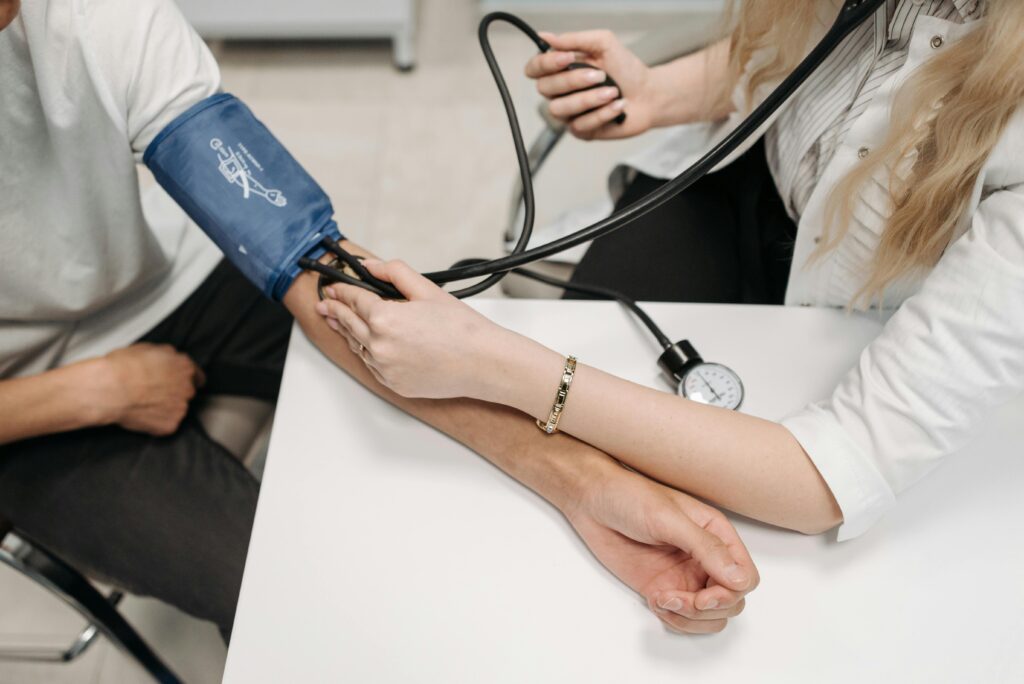
Having high cholesterol and high blood pressure at the same time is particularly dangerous because the two conditions are closely connected. WebMD details the relationship between these two conditions. When cholesterol is not cleared efficiently from the bloodstream, it can build up along the artery walls, causing them to harden and narrow. Once arteries lose their flexibility, the heart must pump harder to move blood through, which raises blood pressure even more. On the other hand, constant high pressure inside the arteries can damage their inner lining, creating small tears where cholesterol easily settles and forms deposits. This back-and-forth cycle raises the risk of blockages that can lead to heart disease and stroke.
Experts continue to study how these two conditions influence each other. One possible connection involves the renin-angiotensin system, a complex network of proteins, enzymes, and hormones that controls blood pressure. Evidence suggests that high cholesterol might interfere with this system, preventing it from regulating pressure as effectively as it should.
1. Take Prescribed Medications
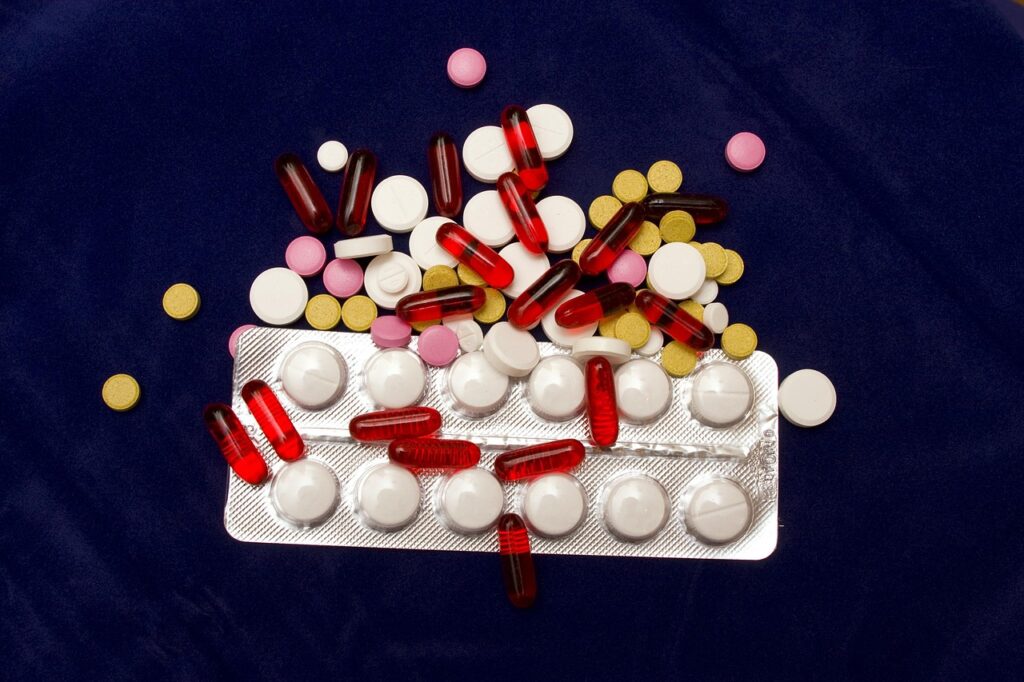
Sometimes lifestyle changes alone are not enough, and that is where medications step in. Statins are the go-to option for lowering LDL cholesterol. Large randomized studies and meta-analyses show statins reduce LDL cholesterol by 30–50% depending on the drug and dose, and lower the risk of heart attack and stroke by about 20% for each mmol/L decrease in LDL. They also help prevent heart attacks and strokes, which is why they are such a cornerstone of treatment.
For blood pressure, medicines like ACE inhibitors, calcium channel blockers, and beta-blockers are commonly used. These drugs help relax or widen blood vessels, making it easier for blood to flow. Evidence even suggests that statins have a modest effect on lowering blood pressure in addition to cholesterol, which makes them a strong tool in the fight against heart disease.
2. Monitor Levels Regularly

Keeping up with routine checkups is one of the simplest ways to stay ahead of health problems. Regular blood tests measure cholesterol levels and show whether treatment is working. Checking blood pressure at home or at the doctor’s office provides immediate feedback on how well it is controlled. Numbers that creep upward can be caught early, before damage builds up silently. Monitoring also motivates people to stick with their treatment plan because progress becomes visible.
3. Exercise Regularly

Exercise does far more than keep your body looking toned; it strengthens the heart, improves circulation, and supports healthier blood vessels. Both aerobic activities, like walking, running, or cycling, and resistance training help lower LDL “bad” cholesterol and blood pressure while raising HDL, the protective form of cholesterol. A detailed 2013 scientific review of 13 studies found that combining aerobic and strength-based exercise reduces triglycerides and improves overall cholesterol balance. Moderate-intensity activity at a 45-minute interval three times a week has been shown to deliver especially strong benefits.
The American Heart Association recommends at least 150 minutes of moderate exercise per week as a baseline for creating measurable improvements in cardiovascular health. Personally, I find that a brisk walk in the evening clears my mind, helps me sleep better, and feel stronger overall. The key is consistency, not perfection. Making exercise part of daily life keeps the benefits adding up over time.
4. Maintain a Healthy Weight

Carrying extra pounds puts added strain on the cardiovascular system. The encouraging part is that you don’t have to lose huge amounts of weight to see results. Research published in the National Institute of Health demonstrates that shedding just 5 to 10 percent of body weight significantly improves both cholesterol and blood pressure. That could be the difference between numbers sitting in a dangerous range and moving closer to normal. Weight management works best when paired with healthy eating and regular activity, creating long-term success rather than short-term change.
5. Follow a Heart-Healthy Diet
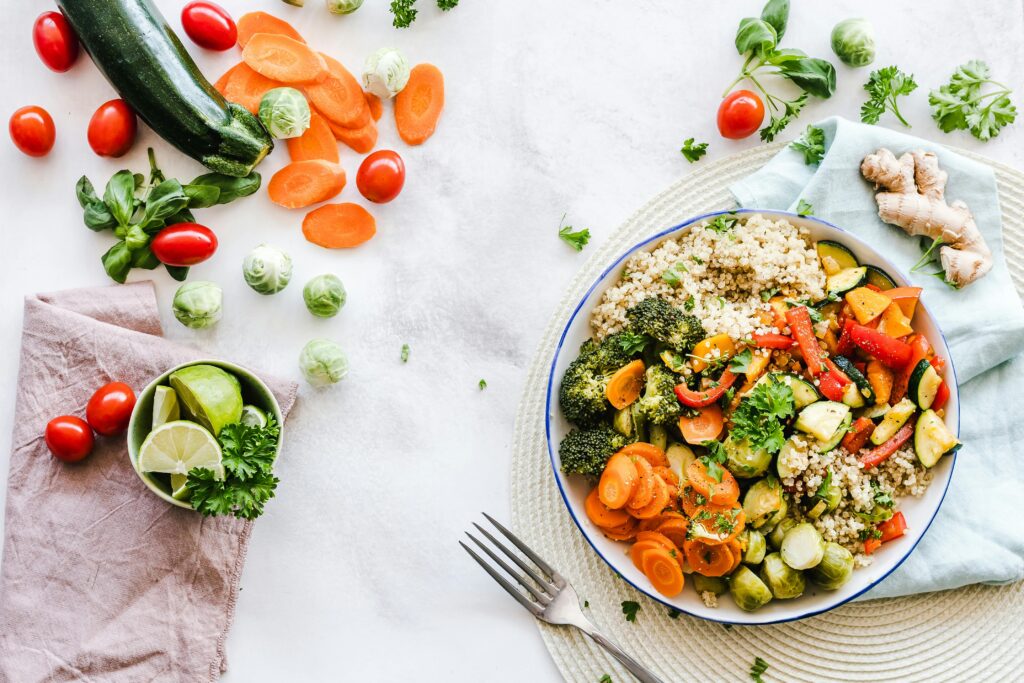
Two eating patterns consistently rise to the top for heart health: the DASH (Dietary Approaches to Stop Hypertension) diet and the Mediterranean diet. Both emphasize fruits, vegetables, whole grains, lean proteins, and healthy fats like olive oil or nuts. They are not fad diets but sustainable approaches backed by strong evidence. The DASH diet has been shown in trials to reduce systolic blood pressure by about 6-12 mmHg within weeks, even without weight loss. According to Mayo Clinic and major cardiovascular research reviews, the Mediterranean diet improves cholesterol balance by emphasizing monounsaturated fats (found in olive oil and nuts), fiber-rich foods, and lean protein, all of which contribute to reduced cardiovascular risk. Eating this way shouldn’t feel like restriction; it should feel like nourishment.
6. Reduce Sodium and Sugar Intake

Salt and sugar are sneaky troublemakers. Too much sodium causes the body to hold on to water, which raises blood pressure. Added sugars, especially in drinks, boost triglycerides and worsen cholesterol profiles. Results from the 2020 Framingham Heart Study found that drinking more than one sugary 12-oz beverage per day was associated with a nearly doubled risk of low HDL “good” cholesterol and over 50% higher risk of high triglycerides compared with those drinking less than one serving per month.
Cutting down on processed snacks, fast food, and sugary beverages can have a quick impact. Reading food labels is an eye-opener because hidden salt and sugar show up where you least expect them. Simple swaps, like seasoning with herbs instead of salt, go a long way.
7. Increase Fiber Intake
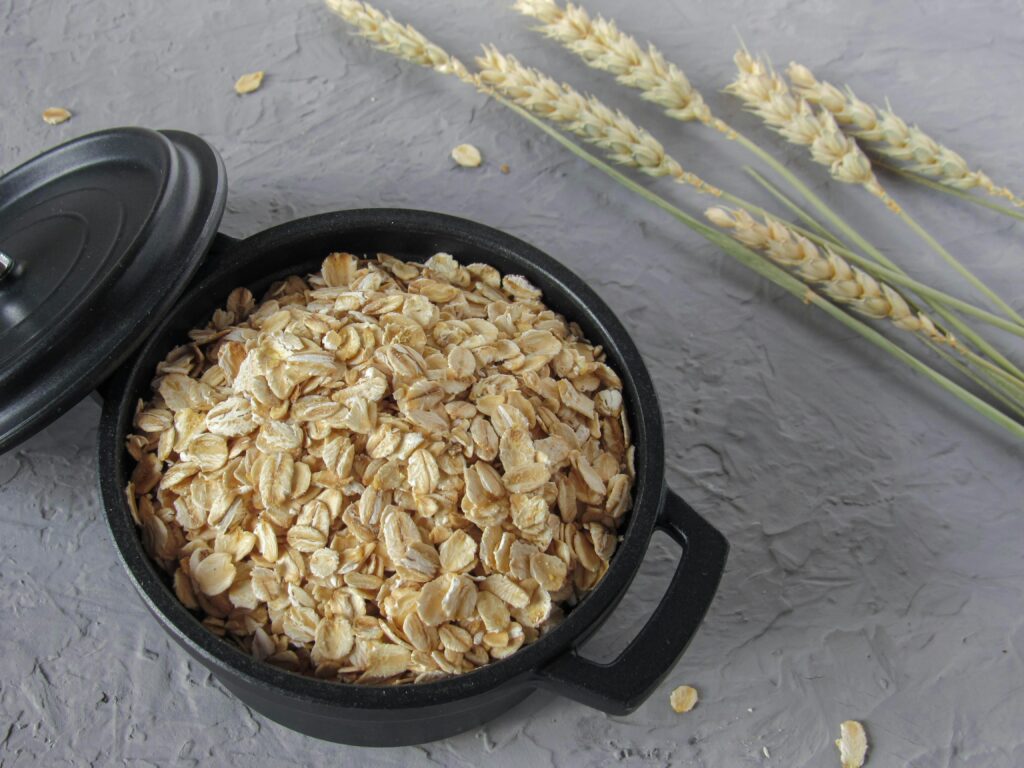
Fiber might not sound exciting, but it plays a significant role in heart health. Soluble fiber has been shown to bind with bile acids and cholesterol in the digestive tract, preventing their reabsorption. This causes the liver to use circulating cholesterol to produce more bile acids, effectively lowering blood cholesterol levels, especially LDL (“bad”) cholesterol. Foods like oats, beans, apples, and berries are excellent sources. Plus, fiber helps with weight control because it keeps you feeling full longer and promotes healthy digestion. It is a great way to help reduce both high cholesterol and high blood pressure.
8. Limit Alcohol Intake

Alcohol in moderation can fit into a healthy lifestyle, but too much quickly raises blood pressure and triglycerides. Guidelines generally suggest no more than one drink per day for women and two for men. A recent scientific review published in the National Institute of Health examined the relationship between Alcohol and the Cardiovascular System. It found that having one or two drinks a day usually does not cause big changes in blood pressure. The problem starts when drinking becomes heavier. Binge drinking, which means five or more drinks in one sitting, can cause a short-term spike in blood pressure. Drinking heavily every day, more than six drinks, is linked to about twice the rate of high blood pressure compared to people who do not drink at all.
Even going above the one-to-two drink range regularly raises the chances of developing hypertension. Women tend to show a J-shaped curve, meaning very light drinking appears low risk, but risk rises quickly with every extra drink. For men, however, the risk increases steadily (linearly) with each additional drink. Cutting back not only benefits cholesterol and blood pressure, but it also improves sleep and mood. For those who enjoy the social side of drinking, mocktails or sparkling water with fruit can be fun alternatives. The point is not to give up enjoyment, but to stay mindful.
9. Quit Smoking

Smoking is one of the most harmful habits for your heart and blood vessels. Studies have shown that it tightens arteries, raises blood pressure, and speeds up the buildup of plaque inside the walls of blood vessels. These changes make heart disease, stroke, peripheral artery disease, and even heart failure much more likely. Chemicals in tobacco smoke, including nicotine and carbon monoxide, damage the lining of blood vessels, trigger inflammation, and upset the balance of fats in the blood, all of which make plaque and blood clots more likely to form.
Clinical data shows that smokers develop cardiovascular disease earlier, have more severe coronary artery disease, and increased risk of fatal heart attacks and strokes, with a much shorter lifespan than nonsmokers. The encouraging news is that quitting smoking brings improvements quickly. Within weeks, it has been observed that blood flow and circulation begin to recover, and over time the risk of heart disease continues to fall, eventually moving much closer to the level of someone who has never smoked. Quitting is not easy, but it is one of the most powerful steps a person can take for their health.
10. Manage Stress and Sleep Well

Stress and sleep often get overlooked in conversations about cholesterol and blood pressure, but they are just as important as diet and exercise. Stress is more than just a feeling, it can have direct effects on the heart and blood vessels. Research shows that high levels of stress hormones, especially cortisol, are strongly linked to higher blood pressure and a greater risk of heart problems.
In one long-term study, over 400 adults with normal blood pressure were tracked for several years. Those with higher levels of stress hormones such as norepinephrine, epinephrine, and cortisol were more likely to develop hypertension. The most striking finding was that people with double the cortisol levels had almost twice the risk of serious heart events like heart attack and stroke. These results suggest that even in people who seem healthy, chronic stress can set the stage for future heart disease.
Managing stress effectively is not just about feeling better, it may be one of the keys to protecting long-term heart health. I personally find that simple stress-relieving practices like deep breathing before bed or writing in a journal help calm my mind. Aiming for 7 to 9 hours of restful sleep each night is another great way to help lower cortisol levels. Think of it as recharging your internal battery so your body can function at its best.
Final Thoughts

High cholesterol and high blood pressure don’t have to control your future. Evidence strongly supports the effectiveness of combining medications with lifestyle changes for lasting results. The strategies in this list are not quick fixes but powerful tools that work together to protect your heart. From taking prescribed medications and tracking your numbers to making small yet meaningful changes in diet, activity, and stress, every choice builds toward better health. By committing to these habits, you give yourself the best chance at a stronger, healthier, and longer life.
Disclaimer: This information is not intended to be a substitute for professional medical advice, diagnosis or treatment and is for information only. Always seek the advice of your physician or another qualified health provider with any questions about your medical condition and/or current medication. Do not disregard professional medical advice or delay seeking advice or treatment because of something you have read here.
Read More: 4 Simple Lifestyle Changes More Effective Than Statins for Cholesterol, Doctor Claims