
Aging is something everyone experiences, but how we age can look very different depending on the choices we make each day. Wrinkles and gray hair may be the most obvious signs, but the process of getting older affects much more than our skin. Our brains, muscles, hearts, and immune systems all change as the years pass. Science shows nutrition has a powerful impact on how well our bodies handle the journey. The right foods can protect memory, preserve strength, support organ health, and keep skin resilient.
1. Blueberries: Brain and Cognitive Vitality
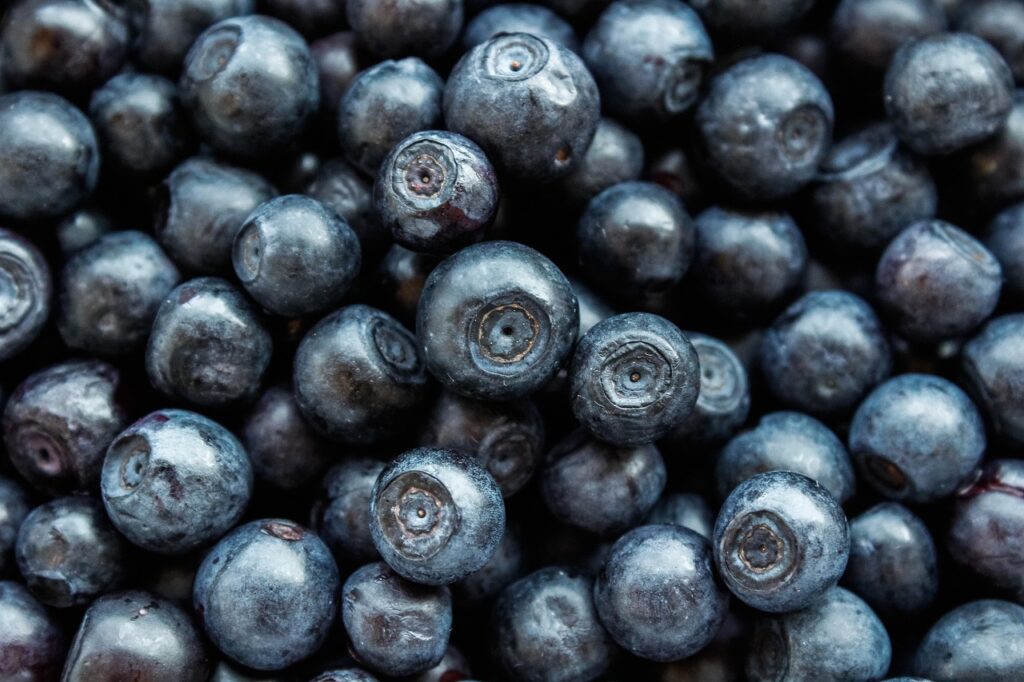
Blueberries are often called nature’s brain food, and for good reason. Their deep blue color comes from anthocyanins, compounds that fight oxidative stress and inflammation in the brain. A review in Life Extension highlighted that these antioxidants improve memory and motor skills in both animals and humans. A 2011 study even showed that blueberry supplementation reversed age-related deficits in spatial memory and restored important signaling pathways in the brain. These effects make blueberries a delicious way to support long-term mental sharpness. Whether tossed into oatmeal, blended into smoothies, or eaten by the handful, they deliver protective benefits that go far beyond flavor.
2. Spinach: Strength and Cellular Repair
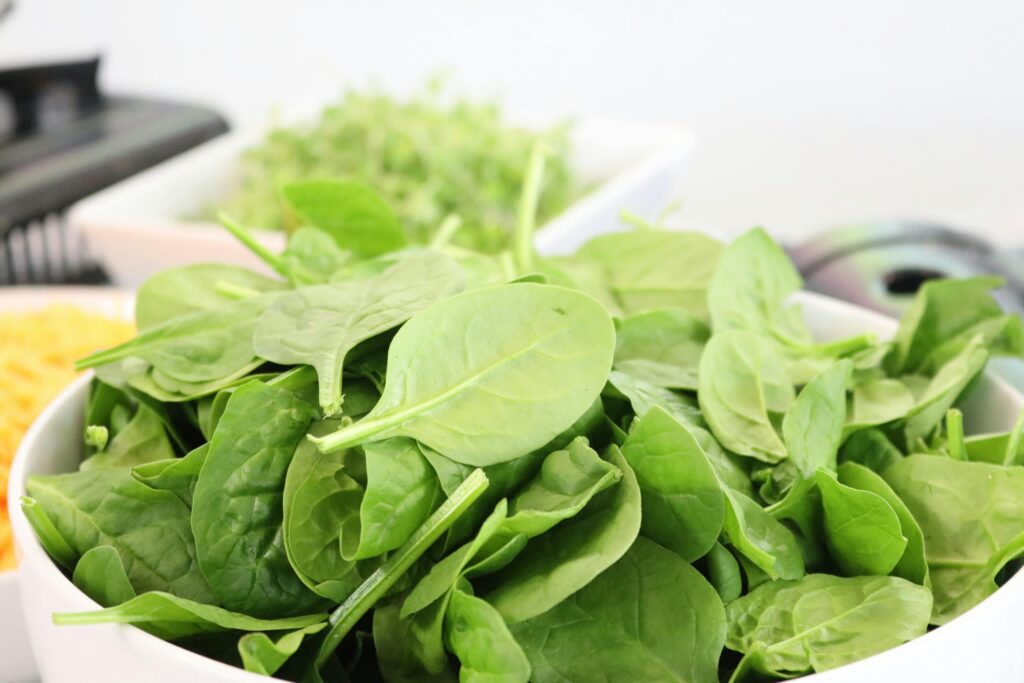
Spinach is much more than a leafy green side dish. It contains high levels of vitamins A, C, and K along with folate and antioxidants that nourish cells and tissues. Research shows spinach can improve physical performance in older adults. A 2021 trial found that spinach extract helped seniors gain muscle strength and endurance over 12 weeks, likely by lowering oxidative stress in skeletal muscle. Another scientific review emphasized its role in maintaining skin integrity and cellular repair, both critical in slowing the signs of aging. Adding spinach to salads, soups, or even pasta sauces is an easy way to keep muscles and skin healthier for longer.
3. Salmon: Omega-3s for Brain and Heart Health
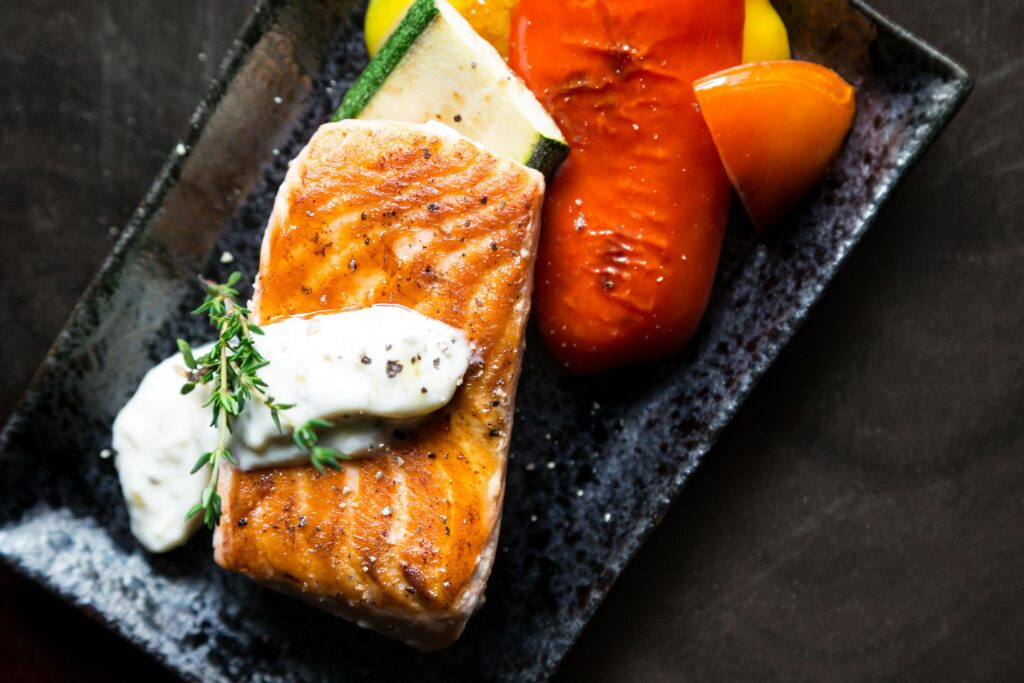
Salmon is one of the richest sources of omega-3 fatty acids, and these healthy fats play a major role in slowing age-related decline. Omega-3s improve the fluidity of neuronal membranes, which helps preserve memory and learning abilities. Studies from the University of California Irvine and later scientific reviews confirmed that salmon’s fats reduce neuroinflammation and protect against cognitive decline. A Healthline article further reported that omega-3s may slow the progression of Alzheimer’s disease by supporting brain plasticity. On top of brain benefits, salmon helps maintain cardiovascular health, which is equally important for aging gracefully. Enjoying salmon a few times a week can help nourish both the brain and the heart.
4. Broccoli: Immune and Detoxification Power

Broccoli is packed with sulforaphane, a compound that supports the body’s defense systems. UCLA researchers discovered that broccoli extract could restore immune function in older mice, suggesting similar benefits for humans. Sulforaphane activates a key pathway called Nrf2, which boosts antioxidant defenses and protects cells from oxidative damage. Reviews in medical journals also highlight its ability to improve cellular detoxification and reduce inflammation. A study published in Cell Metabolism by researchers at Washington University School of Medicine emphasized sulforaphane’s role in strengthening the body’s internal shield against age-related damage. Eating broccoli regularly, whether roasted, steamed, or added to stir fry, supplies your body with this protective plant chemical.
5. Walnuts: Cardiovascular and Cognitive Defense
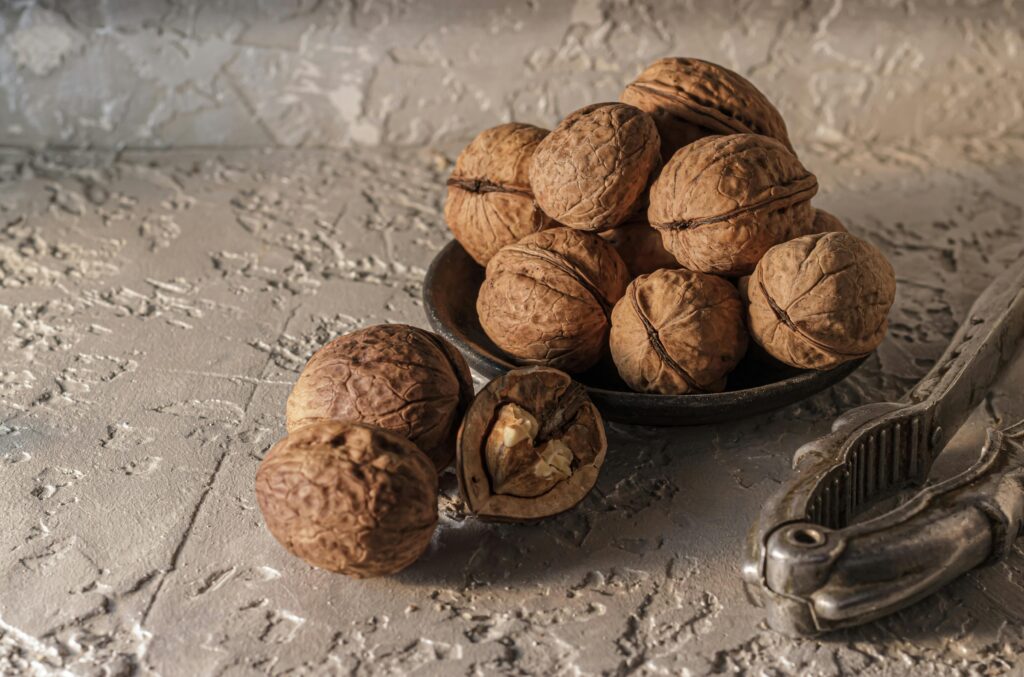
Walnuts are more than just a crunchy snack or a yummy addition to baked goods. They contain polyphenols and healthy fats that reduce oxidative stress and inflammation, both of which drive the aging process. A clinical study showed walnut consumption lowered biomarkers of chronic inflammation and improved overall cardiovascular health in seniors. A 2023 scientific review confirmed that walnuts help lower harmful reactive oxygen species and inflammatory cytokines, which supports brain and heart function. Regularly eating walnuts may reduce the risk of age-related diseases while boosting cognitive resilience. A small handful each day can go a long way in supporting longevity.
6. Avocado: Skin and Cellular Nourishment

Avocados are famous as a toast topping, but they are also powerful anti-aging foods. Research has shown that compounds in avocado can increase collagen and elastin, the proteins that keep skin firm and hydrated. A 2021 experimental study using avocado peel extract found improvements in skin thickness and hydration. Another trial with women showed that eating one avocado daily significantly boosted facial skin elasticity and moisture within eight weeks. These benefits are paired with the healthy fats avocados provide, which help absorb fat-soluble vitamins that also protect cells. Another study from 2021 linked regular avocado consumption with better cognitive performance, thanks to B vitamins, carotenoids, and anti-inflammatory fats that support brain health. Whether sliced on toast, added to salads, or blended into smoothies, avocados are a tasty way to age with resilience.
7. Tomatoes: Lycopene for Organ and Skin Health

Tomatoes are a top source of lycopene, a carotenoid with strong antioxidant properties. Lycopene helps neutralize free radicals that damage cells, protecting tissues from aging. A 2024 clinical trial demonstrated that tomato-based lycopene supplements reduced skin redness, increased hydration, and improved density after UV exposure. A systematic review in the Biomedical and Pharmacology Journal found that lycopene protects against aging by reducing oxidative stress, supporting brain function, and promoting cardiovascular, bone, and cellular health. Research also suggests it may lower risks of neurodegenerative disease, heart disease, certain cancers, and chronic inflammation. Adding fresh tomatoes to meals or using tomato sauces makes it easy to get this powerful nutrient.
8. Sweet Potatoes: Antioxidants for Longevity
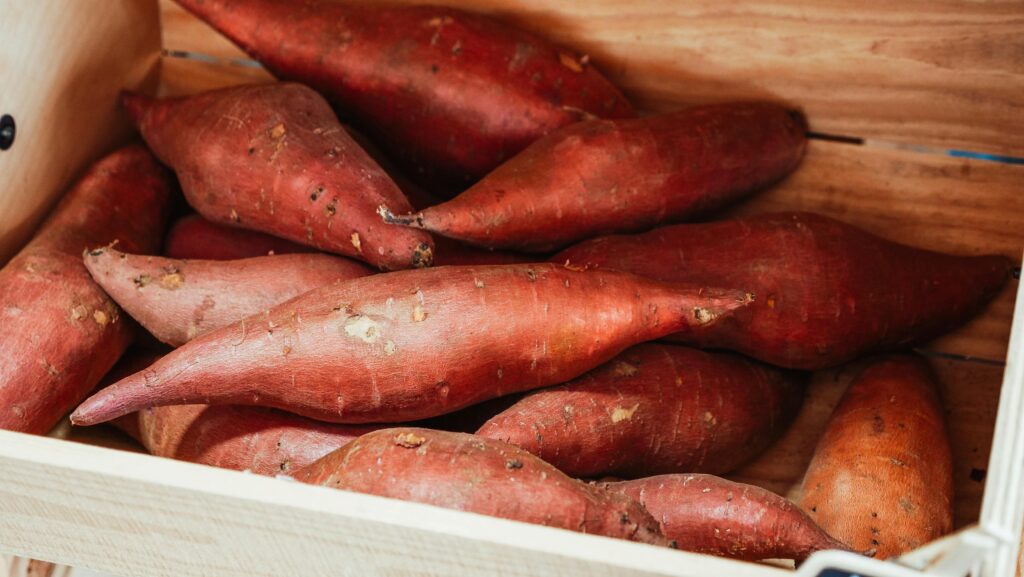
Sweet potatoes provide a rich mix of beta-carotene, vitamin C, and vitamin E, all of which are important for slowing cellular aging. A meta-analysis of 11 trials showed that fruit and vegetable intake, including beta-carotene-rich sources like sweet potatoes, significantly increased blood levels of β-carotene and boosted antioxidant defenses. A recent scientific review highlights the anthocyanins and carotenoids in sweet potatoes, which reduce inflammation and may lower chronic disease risk. Sweet potatoes are also a steady energy source that avoids the crashes linked to refined carbs. Clinical trials with sweet potato-based nutrition formulas in elderly patients improved glycemic control and nutritional status, both essential for reducing metabolic decline. Baked, mashed, or roasted, they are a colorful way to add longevity-promoting nutrients to your plate.
Read More: 20 Best Low-Histamine Foods to Include in Your Diet
9. Green Tea: Anti-Inflammatory Aging Support
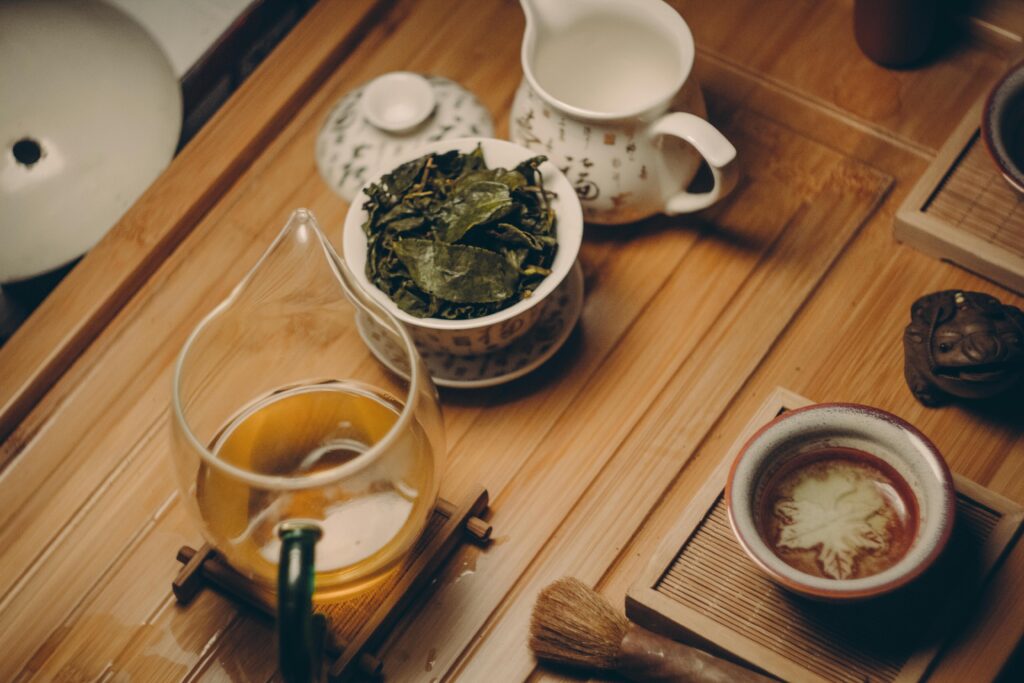
Green tea is packed with polyphenols, especially catechins, which offer broad protective benefits. A double-blind clinical trial in 2009 showed that green tea reduced visible signs of photoaging such as wrinkles and pigmentation. Beyond the skin, green tea polyphenols help reduce systemic inflammation, which is closely tied to chronic diseases of aging. EGCG, the most studied green tea compound, has shown neuroprotective effects by reducing oxidative stress and neuroinflammation. Emerging research also suggests green tea compounds improve DNA repair, support telomere maintenance, and regulate pathways tied to longevity. Drinking green tea daily may support both internal and external aging while boosting vitality. Whether enjoyed hot, iced, or as matcha, it is one of the easiest anti-aging beverages to include in your routine.
10. Yogurt: Protein and Gut-Immune Balance
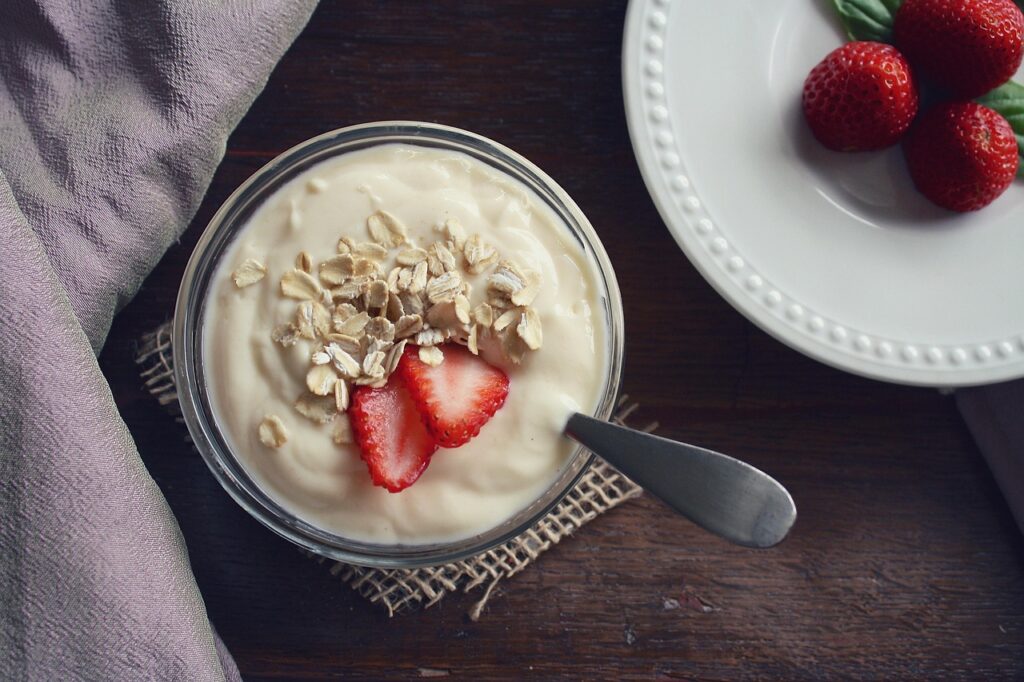
Yogurt is rich in high-quality protein, making it an excellent food for preserving muscle mass. Greek yogurt also provides probiotics, which help balance gut bacteria. A population study using National Health and Nutrition Examination Survey (NHANES) data showed yogurt consumption is linked with a lower risk of accelerated aging, possibly through weight and metabolic benefits. Probiotics in yogurt enhance gut barrier function, regulate immune responses, and reduce systemic inflammation. Observational studies connect regular dairy intake, including yogurt, with lower mortality rates and better cardiometabolic health in older adults. While direct evidence on yogurt and aging is still growing, the combination of protein and probiotics makes it a smart choice for strength, resilience, and gut health.
A Diet That Supports Every Part of Aging
Aging is a journey that can be full of strength, wisdom, and vitality when we give our bodies the right tools. Food is one of the simplest yet most powerful ways to shape how we feel in the years ahead. Each nourishing choice adds up, not only protecting against illness but also fueling the energy, clarity, and confidence we need to enjoy life fully. Building an anti-aging diet is not about restriction, it is about abundance, creating meals filled with colors, textures, and nutrients that help the body thrive. With consistency, these habits can turn growing older into an empowering process that highlights resilience instead of decline. Aging should not just be about adding years to life, but about adding life to every year.
Disclaimer: This information is not intended to be a substitute for professional medical advice, diagnosis or treatment and is for information only. Always seek the advice of your physician or another qualified health provider with any questions about your medical condition and/or current medication. Do not disregard professional medical advice or delay seeking advice or treatment because of something you have read here.
Read More: 20 Nutritious Foods That Taste Better Than Junk Food