
Choosing butter in the dairy aisle can feel trickier than debugging code at 3 AM. Toast, pastries, sauces, and cookies rely on butter for taste and structure. Yet the case holds true for butter, butter blends, and vegetable oil spreads. Those products can look similar. They can cook very differently. US law draws a clean line on what counts as butter. It describes butter as a product made from milk or cream. It must contain “not less than 80 percent by weight of milkfat”. That 80% rule helps you decode labels fast. A stick that stays soft in the fridge often includes added oils. A tub that says “buttery” may contain little dairy.
This list covers five low-quality butter picks that often disappoint home cooks. Some score low in taste tests for blandness or heavy salt. Others confuse shoppers by sitting beside butter while acting like margarine. A few raise freshness concerns when the packs smell stale early. The goal is fewer ruined bakes and fewer weird fridge flavors. You can fix most problems fast. Start by matching the product to the job. Also, watch salt levels when you bake. Then store butter away from heat. Taste a small piece before you use a full stick, every single time. Buy the right product type, store it well, and taste it before you commit.
Challenge Butter
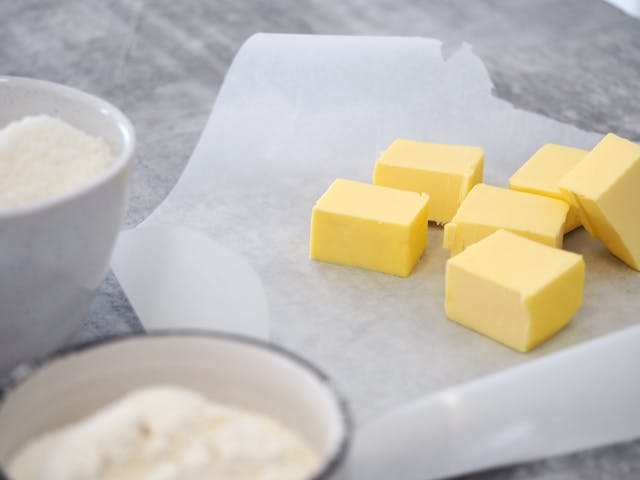
Challenge Butter can be inconsistent in freshness, and even a slight “off” aroma can wreck toast, cookies, and sauces. Image Credit: Pexels
Challenge sells real butter, so it can perform well when it is fresh. The problem is confidence. Viral posts and shopper complaints have described sticks that smell “off” soon after opening. Those posts do not prove a widespread defect. Still, inconsistency becomes obvious with butter. Toast exposes every sour note. A batch of cookies multiplies it. If a stick arrives slightly oxidized, the baked result can taste flat. It can also leave a stale finish. Research helps explain why this happens. A storage study on butter found that freezing can delay problems. Yet it may not “completely stop lipid oxidation and off-flavor development.” That is why handling matters at home. Butter can drift in flavor even when it looks fine. Heat cycles speed that drift. So does exposure to air.
A “mystery sour” batch can come from storage, not only the brand. That makes the issue hard to pin down. It still makes the purchase feel risky. The fridge trip can also create problems. Butter warms at checkout, then chills again at home. That cycle can speed oxidation. It can also encourage condensation on the wrapper. Condensation can pick up odors. You may then taste those odors on toast. If you shop far from home, use an insulated bag. Keep butter away from warm car seats. Butter quality is also a sensory target, not only a label claim. USDA grading language defines butter as made from milk or cream. It must contain “not less than 80 percent by weight of milkfat.”
After you meet that baseline, you want a clean aroma. A sharp smell signals trouble. The best defense is a quick test before you bake. Unwrap the stick and smell it at room temperature. Melt a pea-sized piece on a warm spoon. Fresh butter smells milky and clean. Rancid butter can smell like old nuts. It can also smell like paint. If you catch that aroma, throw it out. Do not try to bury it with vanilla. You can also reduce risk with better storage habits. Keep butter tightly wrapped, because fat absorbs odors fast. Avoid the fridge door, since it warms and cools often. Freeze sticks you will not use soon. Portion them into smaller packets first. That cuts repeated opening and closing.
It also limits oxygen exposure. If you buy butter for a big bake, buy it close to the bake date. That keeps the flavor brighter. Challenge also sits in a tricky spot for bakers because it is sold in both salted and unsalted options, and shoppers sometimes grab the wrong one in a hurry. That mistake can change cookie spread, frosting taste, and even the way laminated dough layers form. If a recipe was tested with unsalted butter, switching to salted can make the finished flavor feel harsher and less “buttery.” For extra peace of mind, check the “best by” date, choose the coldest pack at the back of the shelf, and avoid boxes with greasy marks that suggest partial melting. When you get home, cut one stick and do a quick smell test before committing to a full bake.
Great Value Butter
Great Value butter wins on price, so it shows up in many carts. Flavor is where it often stumbles. Roundups and reviews commonly describe blunt salt and weak dairy notes. Chowhound captures the complaint in one sentence. “If you’re not in the market for a flavorless, salty stick, we recommend staying away.” Salt can taste great on toast. It can also wreck balance in baking. If the butter carries heavy salt, cookies can pick up a sharp edge. Buttercream can taste oddly savory. In a pie crust, extra salt can amplify browned notes. Texture can disappoint, too. Some tasters describe budget butter as waxy. Others notice it melts in a dull way. That can matter in sauces.
Butter should melt smoothly and smell sweet. If it splits fast or smells flat, it will not help the dish. It also changes how butter tastes when it is the main flavor. A bland butter leaves toast tasting like warm bread. A good butter adds a sweet cream aroma. That aroma is why bakers pay more for certain sticks. In her butter tasting, Benjamina Ebuehi describes what stands out when butter is good. “It has the strongest, butter-forward, creamy flavour.” A budget stick that tastes muted will not deliver that payoff. You can still use it in high-flavor foods. Garlic butter can hide flaws. Cinnamon sugar toast can hide flaws, too. Yet it is a risky choice for shortbread, croissants, and buttercream. If you want more predictability, keep salted and unsalted butter separate.
Use unsalted butter for most baking. Then add salt by measure. That gives you control. It also protects recipes written with unsalted butter in mind and can prevent accidental over-salting. It also helps when you bake for others. Many people are sensitive to the salty aftertaste. There is also a nutrition label detail worth knowing. Butter labels can show 0 grams trans fat even when traces exist. That happens because serving sizes allow rounding. CSPI explains the rule behind the label. “Nutrition Facts on butter labels show ‘0 grams’ of trans fat.” That applies to butter in general. It does not single out Great Value. It supports a practical approach. Choose butter for flavor and function. Keep portions sensible. If a cheap stick fails at flavor, you lose the main reason to use it.
If Great Value is already in the fridge, it can still be used more strategically so it does not sabotage flavor-forward recipes. It tends to work best when butter is not the star, such as in sautéed onions, grilled cheese, or recipes loaded with cocoa, spices, peanut butter, or strong extracts. For baking, one workaround is to switch to unsalted Great Value if available, then add measured salt separately so the final balance stays consistent. Another practical tip is to brown a small test amount first. If it smells sweet and nutty, it will likely behave fine in batters. If it smells flat or slightly stale, reserve it for cooking, not cookies or buttercream.
Imperial Spread
Imperial Spread comes in sticks, so it can look like butter at first glance. It is a vegetable oil spread, not cream-based butter. That difference changes how it melts and browns. Butter is an emulsion of fat and water. When it hits heat, it melts in a predictable way. In pastry, butter’s water turns into steam. Steam helps lift biscuits and laminated dough. A vegetable oil spread can contain different water levels. It also includes emulsifiers that keep it stable. Those changes can flatten pastries. They can also leave pie crusts greasy. The label placement is part of the trap. Many stores shelve spreads near butter. That suggests they are interchangeable. They are not. If a recipe needs cold butter cubes, a spread will smear. That ruins flaky layers.
If you need browned butter, you need milk solids. A spread may never get there. Imperial also tends to disappoint when you try to brown it. Brown butter needs milk solids. Those solids toast and create a nutty aroma. A spread built from oils may foam and then scorch. It may never develop that flavor. This is why “butter substitute” can backfire in simple sauces. If you use it for hollandaise, the emulsion can break faster. If you use it for sautéing, it can leave a slick finish. The product may still be useful. It is just useful in a different lane. Food standards exist partly to reduce this kind of confusion. The FDA explains the goal in plain terms. Standards were developed “to help protect consumers.”
That system helps you shop with fewer surprises. If a product says “spread” or lists oils early, treat it as a different ingredient. Do not expect butter performance. If you want real butter, anchor your choice to the legal definition. Butter ties to milk or cream. It also ties to the 80% milkfat minimum. Imperial does not aim for that standard. If you like spreads, use them on purpose. Spread them on warm bread. Stir them into hot vegetables. Use them where butter flavor is not the focus. If a recipe calls for butter, test the swap first. Bake a half batch and compare it. Watch the spread and browning. Taste the cooled result. Warm cookies can hide flaws.
Cool cookies reveal them. One small test can save a big holiday bake. If Imperial Spread is already in the kitchen, it can still do a few jobs well, as long as it is treated like a spread and not true butter. It can work for quick, low-stakes uses like buttering toast, melting over hot corn, or greasing a pan when flavor is coming from garlic, spices, or cheese. It can also help with simple sautéing if the heat stays moderate, since high heat can make the water content sputter and the oils taste harsher. For baking, save it for recipes designed for oil or margarine, not ones that depend on the cold butter structure. If a recipe calls for “rub in the butter,” Imperial will smear and collapse the texture.
Country Crock Original
Country Crock Original is another butter-adjacent staple built mainly from plant oils. It spreads easily straight from the fridge. That convenience can help on weekday toast. It also changes performance in baking. Oils stay liquid at room temperature. Butter firms up and holds air during creaming. That air helps cakes rise and stay tender. When you swap a spread into a butter recipe, you often lose lift. You can also lose a clean crumb. Cookies can spread wider and thinner. Frosting can slump because the fat never firms up. It can also affect browning. Butter contains milk solids that toast. Those solids add caramel notes. Oil spreads do not brown the same way. Cakes can bake paler. Cookies can taste less complex. If you use the spread for pan-frying, you may miss the nutty aroma.
Flavor is the second issue. Many people buy it expecting a butter taste. It does not deliver a sweet cream aroma, because it is not dairy butter. Some people notice a slick mouthfeel. Others notice a processed note in the finish. That reaction is common when added flavors replace dairy complexity. It can be fine for toast and for vegetables. It will disappoint with baked potatoes and will also be disappointing in brown butter sauce. Online debates about seed oils add noise here. Nutrition writers often focus on fat type, not brand loyalty. CSPI addresses the fear directly. “Don’t fear the soybean oil in Country Crock Original.” That statement speaks to health concerns. It does not claim the spread tastes like butter. So the right question stays practical.
What job does the fat need to do today? If you need butter structure, use butter. If you need a softer spread, use the spread. Confusion is what causes “worst butter brands” frustration. If you bake with it, treat it as a different ingredient. Look for recipes written for spreads or for oil-based baking. For cookies, chill the dough longer. That slows the spread. For cakes, accept a different crumb. For frosting, serve it cooler and sooner. Those tweaks can prevent the greasy look. They can also protect flavor. The best fix remains simple, though. Use butter when a recipe demands butter.
If Country Crock Original is already in the fridge, it can still be useful in a few specific situations, especially when the goal is softness and easy spreading, not butter’s structure. It works well on warm toast, stirred into hot rice, or melted over steamed vegetables, where dairy flavor is not the main event. It can also serve as a quick pan-greaser for eggs, but keep the heat lower to avoid odd scorching notes. For baking, treat it like an oil-forward fat and choose recipes written for spreads or margarine. If a butter-based recipe must be used, chill the dough longer, reduce added liquid slightly, and expect a wider cookie spread and a less “buttery” finish.
Land O’Lakes Spreadable Butter
Land O’Lakes regular butter sticks hold a steady place in many kitchens. The spreadable versions change the formula to stay soft when cold. The brand sells that convenience clearly. It says the product is “spreadable right out of the refrigerator.” To get that effect, spreadables often include added oils. That can be great for toast. It can also frustrate bakers. A butter-and-oil product melts faster than straight butter. It can brown differently, too. It can also change how dough sets in the oven. Spreadable butter can also confuse measurement. A tablespoon from a tub can pack differently than a tablespoon sliced from a stick. That can matter in frosting. It can also matter in sautéing, since water content can vary. If you notice extra sputtering in the pan, water is a common reason.
If you notice slower browning, the blend may be the cause. The confusing part is the name. Shoppers see “butter” and expect classic butter behavior. Yet blends are still legitimate foods. They just need to be used on purpose. Standards exist because shoppers buy based on expectations. The FDA says standards were created “to help protect consumers and promote honesty.” That is why the ingredient list matters. If it lists oils, treat it as a blend. Keep a true butter stick for baking and browning. Keep the spreadable for toast and quick sautéing. This split approach is cheap insurance. There is also a nutrition angle that some people prefer. Some blends reduce saturated fat per serving.
Read More: Seed Oils vs. Animal Fats & Butter: Which Is the Healthier Choice?
CSPI frames spreadables in a practical way. “A buttery spread like Country Crock … is a blend of oils and water.” That sentence explains the category. It also explains why the product behaves differently. If a recipe depends on butter’s firmness and water, use straight butter. If you want convenience for sandwiches, use the blend. Knowing which is which stops most frustration. You can also keep results consistent by picking one butter for baking. Use it every time. That reduces recipe surprises. If you switch between butter and spreadable butter, note it in your recipe book. You may need small timing changes. Cookies may need extra chilling.
Cakes may need a different mixing time. Small notes prevent repeat failures. One more detail that catches people out is water content and “pan behavior.” Many spreadable butters sputter more because the blend can contain more water than a standard stick, which affects sautéing and especially browned butter sauces. If a recipe starts with “melt butter until it foams, then watch for brown flecks,” the spreadable version may foam differently, brown unevenly, or take longer to develop that nutty aroma. That is why it helps to keep a basic stick butter on hand for baking, browning, and emulsified sauces, and use the spreadable tub for toast and sandwiches. If the only option is spreadable, weigh the amount instead of using tablespoon scoops, and chill it before baking.
A.I. Disclaimer: This article was created with AI assistance and edited by a human for accuracy and clarity.
Read More: The Ancient Dates and Butter Ritual People Use for Strength and Deep Body Repair