
2026 looks set to be a vibrant year in the night sky, with numerous lunar events scheduled throughout the year. Just weeks into the year, the lunar calendar is already packed with exceptional events. A total Blood Moon eclipse arrives in March, and multiple supermoons will brighten the night sky. However, August will bring this year’s main event: a total solar eclipse that is set to plunge parts of Europe into darkness. Technically, the first supermoon of the year has already passed by in January, but the lunar spectacle has just begun for the year.
January: The Wolf Moon Supermoon
Saturday, January 3 marked the year’s opening lunar event with the Wolf Moon reaching its full phase at 5:03 a.m. Eastern Time. This is the first supermoon that has appeared in 2026. Supermoons occur when the full moon coincides with the lunar perigee, the moon’s closest point to Earth. This proximity makes the moon appear about 14% larger and 30% brighter than a typical full moon.
The Wolf Moon holds special importance during the Northern Hemisphere winter. Its name comes from Native American customs, which designated this January moon for the wolf packs whose howling could be heard outside settlements in the coldest part of the year. This lunar sign was crucial for farmers and hunting communities in monitoring the passage of the year.
February: The Snow Moon
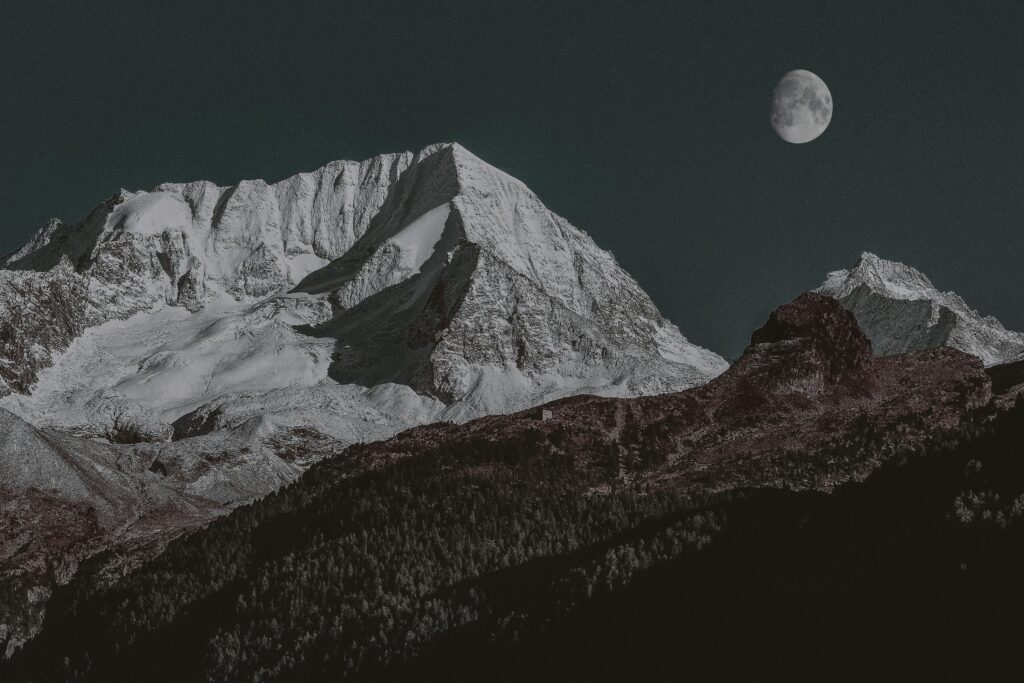
The full Snow Moon will occur on Sunday, February 1st, reaching its peak phase at 5:09 p.m. Eastern Time. The moon gets its name because February is typically the most severe month of winter in the Northern Hemisphere. Historically, this time of year was considered optimal for preserving food and planning spring planting.
The Snow Moon represents the final major lunar event before March’s dramatic eclipse. Observers in clear conditions will witness a moon at standard brightness and size, with no special eclipse or supermoon characteristics to distinguish it.
March: The Total Blood Moon Eclipse (Worm Moon)
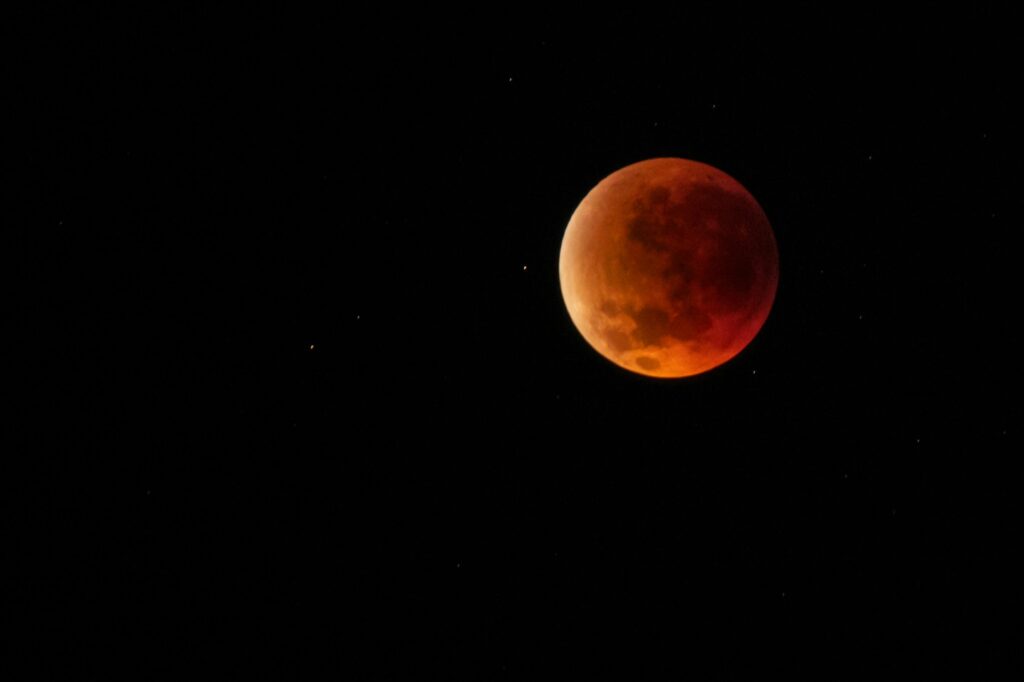
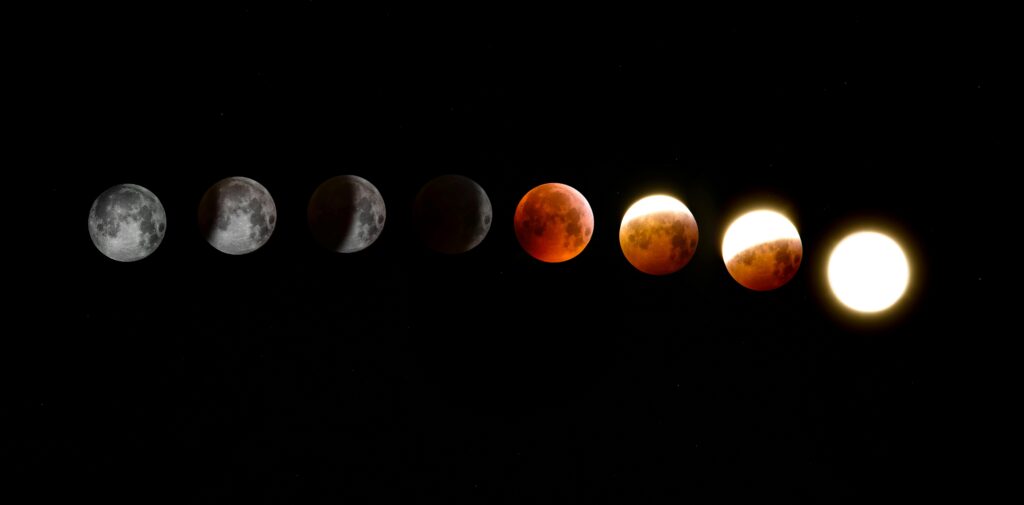
The year’s most anticipated lunar event, a total lunar eclipse, will occur on Tuesday, March 3, 2026. This phenomenon will cause the full moon to pass into Earth’s shadow, dramatically changing its appearance to a deep red or copper hue, commonly known by astronomers as a “Blood Moon.”
The total lunar eclipse commences with the penumbral phase at 3:44 a.m. EST. The moon then enters Earth’s darker umbral shadow at 4:50 a.m. EST, marking the start of full eclipse totality, which begins at 6:04 a.m. EST and is expected to last about 58 minutes. The moment of maximum eclipse is at 6:33 a.m. EST; however, observers in New York will not be able to see it, as the moon will have set by then.
Rayleigh scattering is the phenomenon responsible for the moon’s distinctive blood-red hue during totality, which gives the eclipse its name. This occurs because Earth’s atmosphere filters out blue wavelengths as sunlight bends through it, leaving only red light projected onto the lunar surface. This eclipse is visible from Asia, Australia, North America, and parts of South America. The March full moon is traditionally called the Worm Moon, marking the season when earthworms emerge from frozen ground as temperatures rise.
April: The Pink Moon
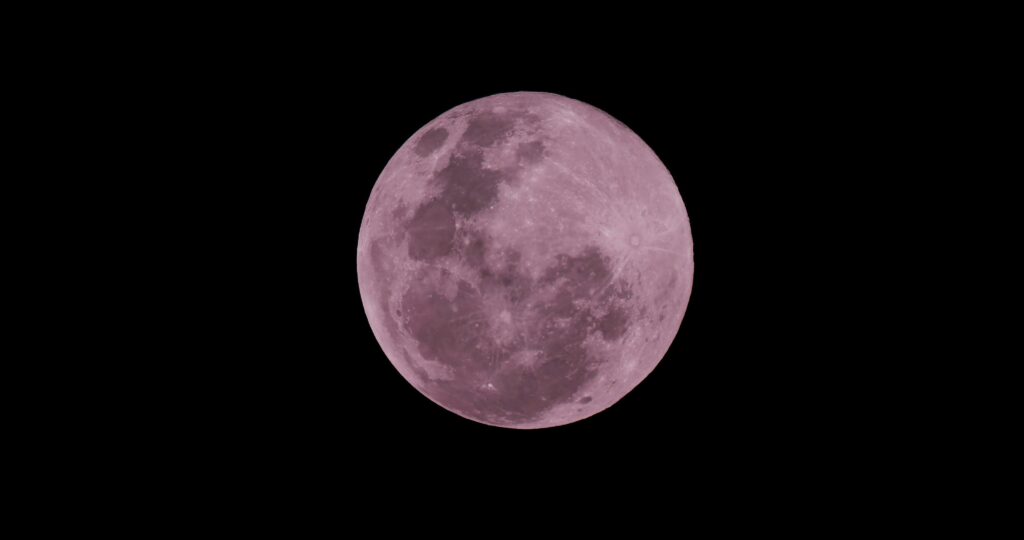
The full moon for April, known as the Pink Moon, will occur on Wednesday, April 1, reaching its peak at 10:13 p.m. EDT. Its name does not relate to its color but is derived from the pink wildflowers that emerge across North America during spring.
Other traditional names for this full moon include the Sprouting Grass Moon or Egg Moon, highlighting its importance in the spring agricultural cycle. April’s full moon is not an eclipse or a supermoon. Its primary significance lies in marking the start of spring and the renewal of growing seasons across farming communities.
May: The Flower Moon and Supermoon
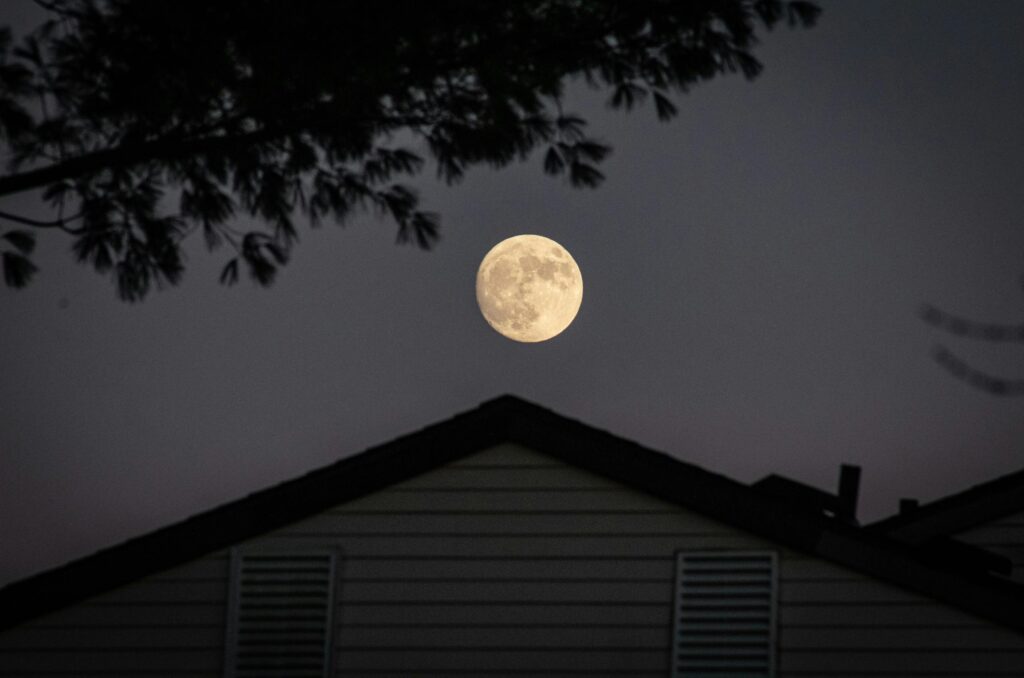
May offers two significant lunar events occurring within days of each other. The Flower Moon reaches its full phase on Sunday, May 31, at 4:45 a.m. EDT. Between these events, May 16 brings a new moon supermoon at 4:01 p.m. EDT, marking the closest new supermoon of 2026.
The Flower Moon signals the peak of spring and the start of summer preparations. The Flower Moon, May’s full moon, marks the profusion of blooming flowers in temperate regions. It signals the height of spring and the beginning of preparations for summer. Another traditional name for this moon is the Corn Planting Moon, reflecting the historical practice of farmers timing their major planting efforts with this lunar cycle.
June: The Strawberry Moon and Supermoon
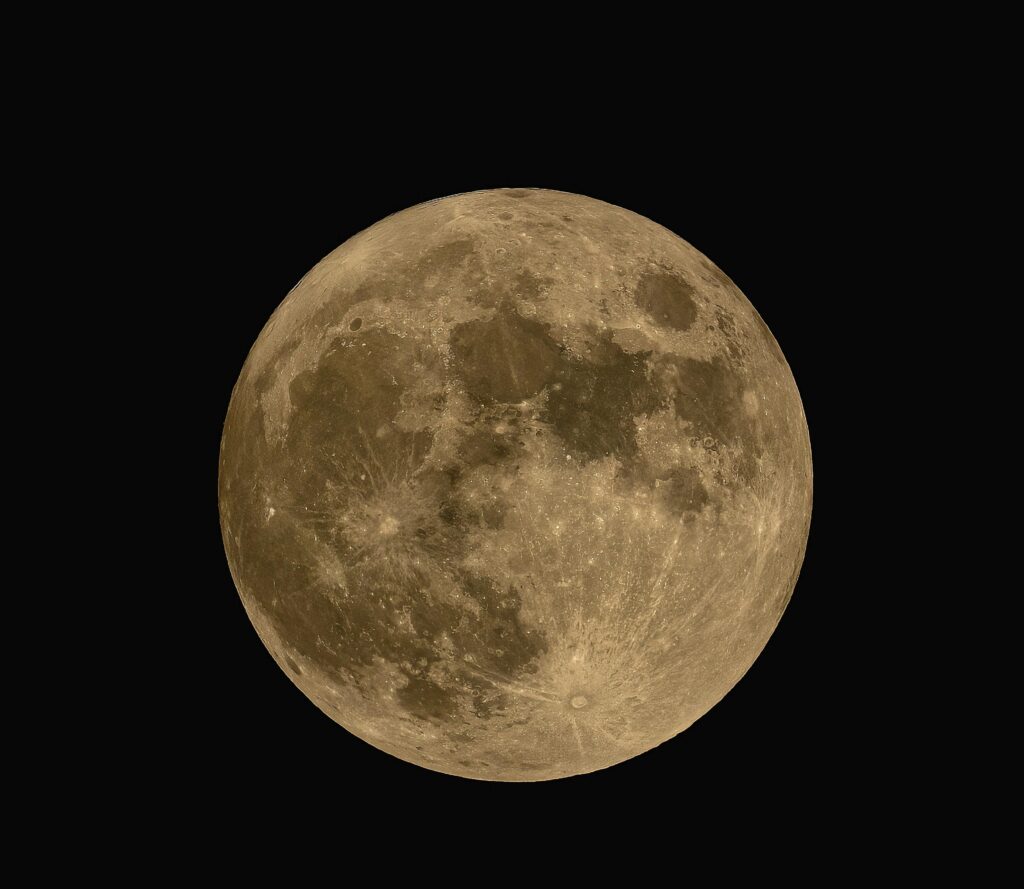
The Strawberry Moon will reach its full phase on Monday, June 29, at 7:57 p.m. EDT. This full moon is the last one before the summer solstice and traditionally signifies the start of berry-picking season. Additionally, 2026 will feature a new supermoon on June 15, which will be the year’s closest new moon.
The Strawberry Moon’s named for the wild strawberries that ripen during this period in North America. Some Eastern traditions call this the Rose Moon, celebrating the flower’s peak blooming season. June’s lunar position makes it a turning point between spring’s growth and summer’s peak.
July: The Buck Moon
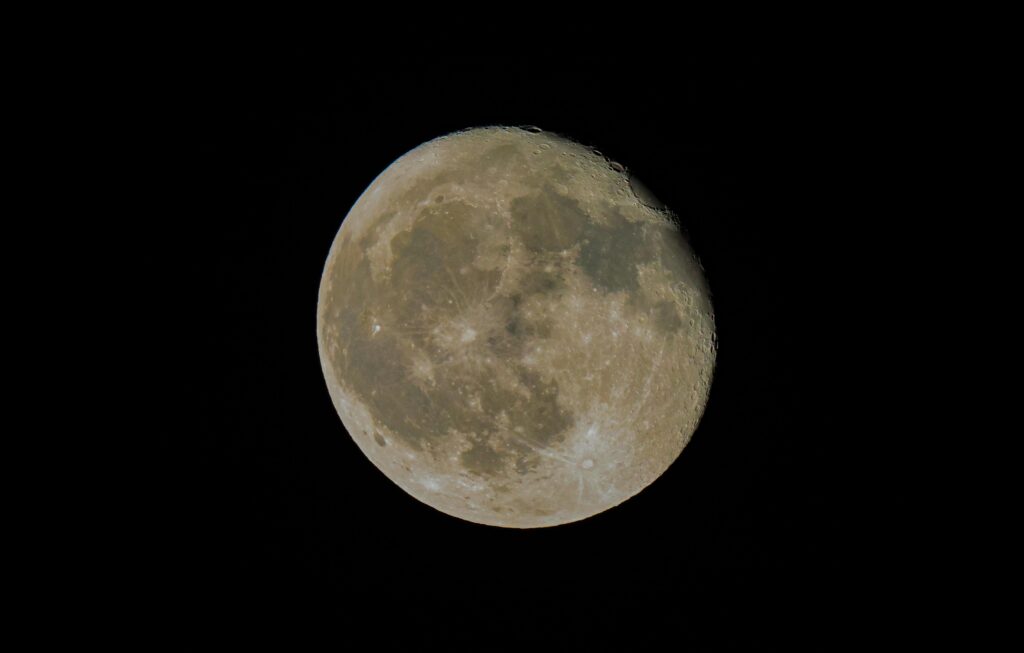
The full Buck Moon occurs on Wednesday, July 29, at 10:36 a.m. EDT. Its name, the “Buck Moon,” comes from the time of year when male deer (bucks) shed their old antlers and begin to grow new ones. Historically, July’s full moon was an important signal, marking the peak of the hunting season in preparation for the upcoming winter.
The year 2026 continues its sequence of close lunar approaches with another new supermoon on July 14th. This concentration of lunar events in the middle to late summer offers excellent opportunities for nighttime observation.
August: The Sturgeon Moon and Partial Lunar Eclipse
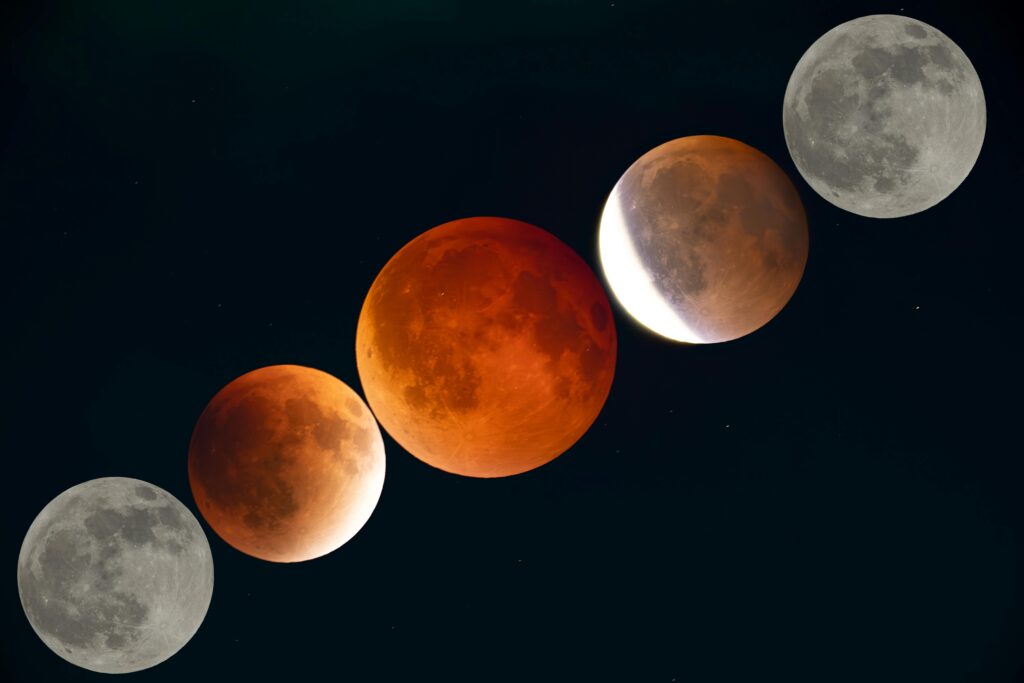
The Sturgeon Moon will reach its full phase on Friday, August 28, at 12:19 a.m. EDT, coinciding with a partial lunar eclipse. Unlike the dramatic total eclipse in March, this event involves only a portion of the moon entering Earth’s shadow, resulting in a distinct curved shadow cast across the lunar surface.
Named for the large sturgeon fish that are more easily caught in North American waters during August, this full moon signifies the close of summer and the start of preparations for the harvest season. Although it is a partial eclipse and thus less spectacular than the total eclipse in March, it remains an important sight for skywatchers.
The year’s most significant astronomical event will occur on August 12: a total solar eclipse, coinciding with a new supermoon. This critical event will see the supermoon completely block the sun, casting parts of Europe into darkness, with the total eclipse visible across sections of southern Spain, Portugal, and other European regions.
September: The Corn Moon
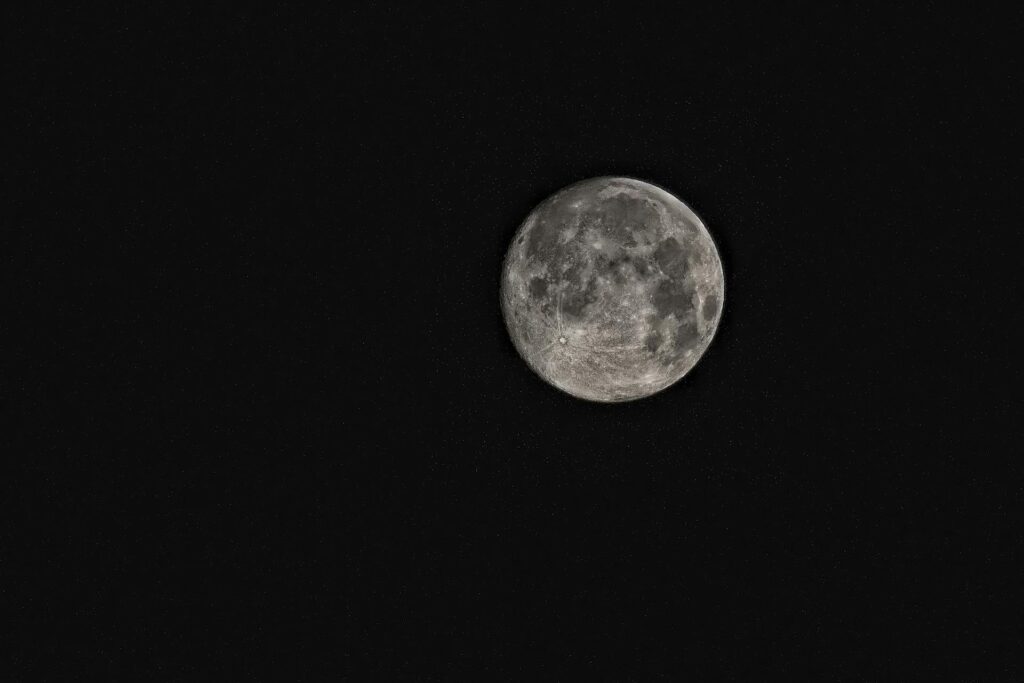
The full Corn Moon arrives on Saturday, September 26, at 12:49 p.m. EDT. This full moon often signifies the peak ripening of essential crops in farming areas. While sometimes called the Harvest Moon, that name is more commonly reserved for the full moon closest to the autumn equinox.
Historically, this lunar event has served as the traditional demarcation between summer and autumn across the Northern Hemisphere. Various cultures traditionally synchronized their grain harvesting efforts with the arrival of this moon. The Corn Moon symbolizes the successful conclusion of the growing season’s labor and the essential preparation for winter storage.
October: The Hunter’s Moon
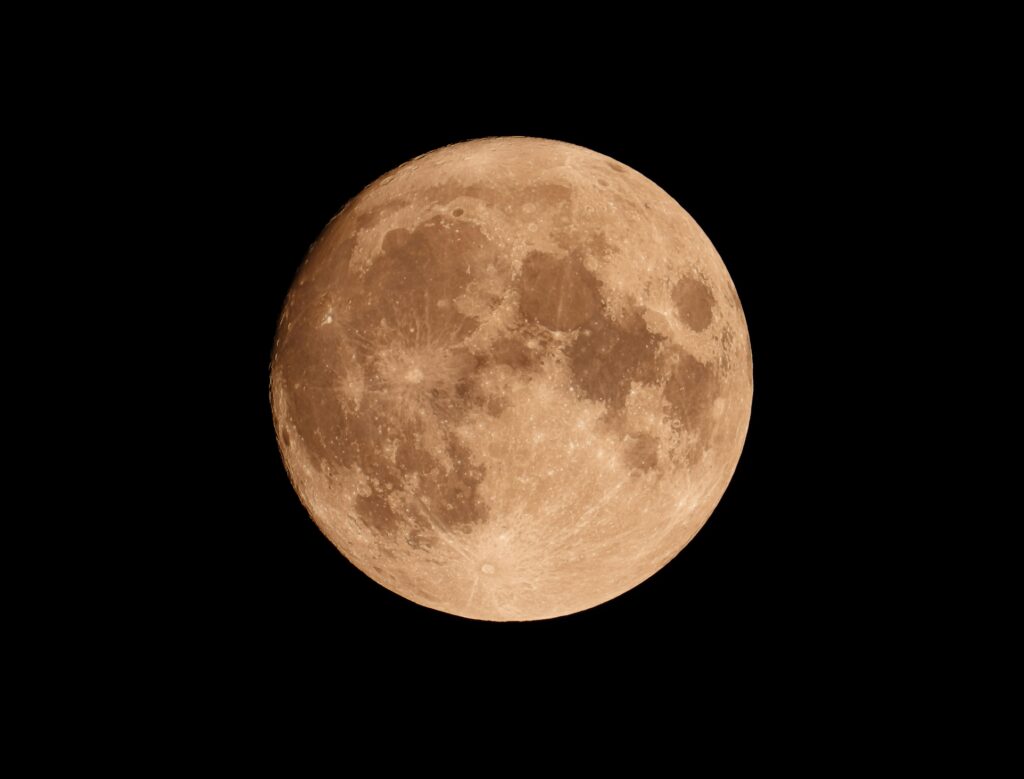
The Hunter’s Moon, reaching its full phase on Monday, October 26, at 12:12 a.m. EDT, traditionally signaled the time when hunters actively pursued game animals preparing for the coming winter. Its brilliance offered superb visibility for nighttime hunting.
Also known as the Harvest Moon, depending on which full moon is closest to the autumn equinox, the October lunar cycle arrives alongside the peak of autumn leaf colors and final agricultural harvests in farming areas.
November: The Beaver Moon (Supermoon)
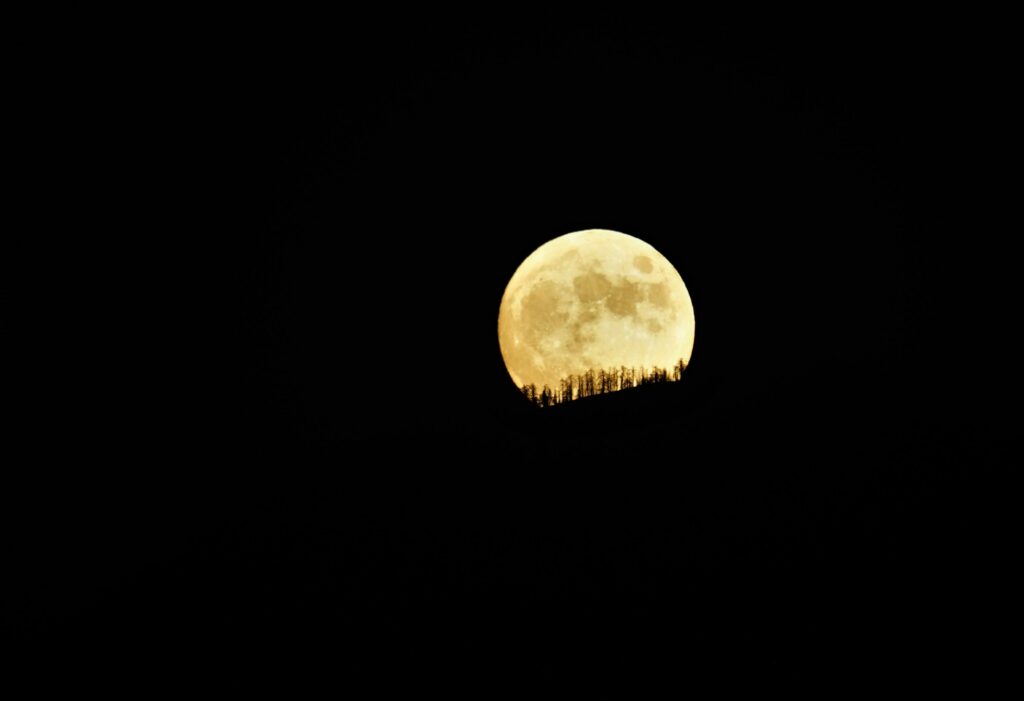
On Tuesday, November 24th, a supermoon known as the Beaver Moon will occur at 9:55 a.m. EDT. This full moon traditionally marks the time when beavers are busy building their winter shelters and dams. Historically, November was also the designated month for trappers to set beaver traps before the water iced over.
Appearing significantly brighter and larger than a typical full moon, this Beaver Moon supermoon will offer one of the most brilliant lunar spectacles of the year. Falling in late autumn for the Northern Hemisphere, its arrival signals that only the winter solstice remains in the current calendar year.
December: The Cold Moon (Supermoon)
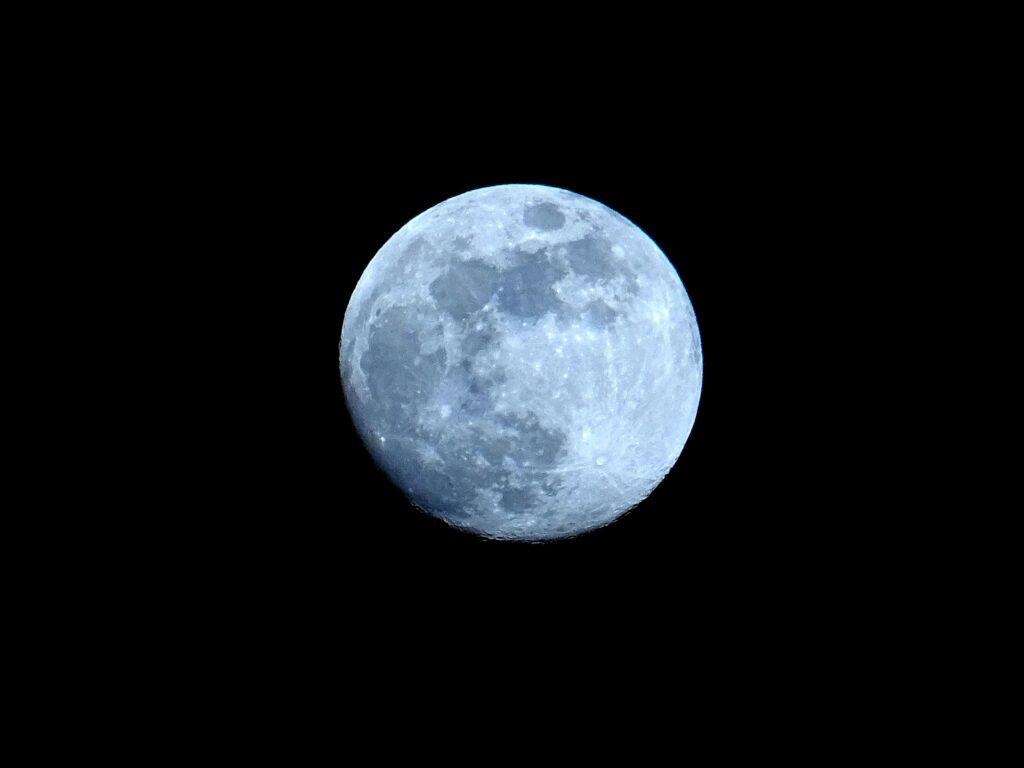
The year’s final full moon, the Cold Moon, will occur on Wednesday, December 23, 2026, at 8:29 p.m. EST. This Cold Moon is also a supermoon, making it the year’s brightest full moon. Historically, the Cold Moon signaled the onset of winter’s harshest period, when temperatures plummeted, and careful resource management was essential for survival. This December supermoon not only marks the year’s end and the deepest part of winter but also represents the culmination of the lunar cycle that began with the Wolf Moon supermoon in January, offering an excellent chance to reflect on the year’s lunar events.
Why Moon Phases Matter: The Cultural and Agricultural Significance
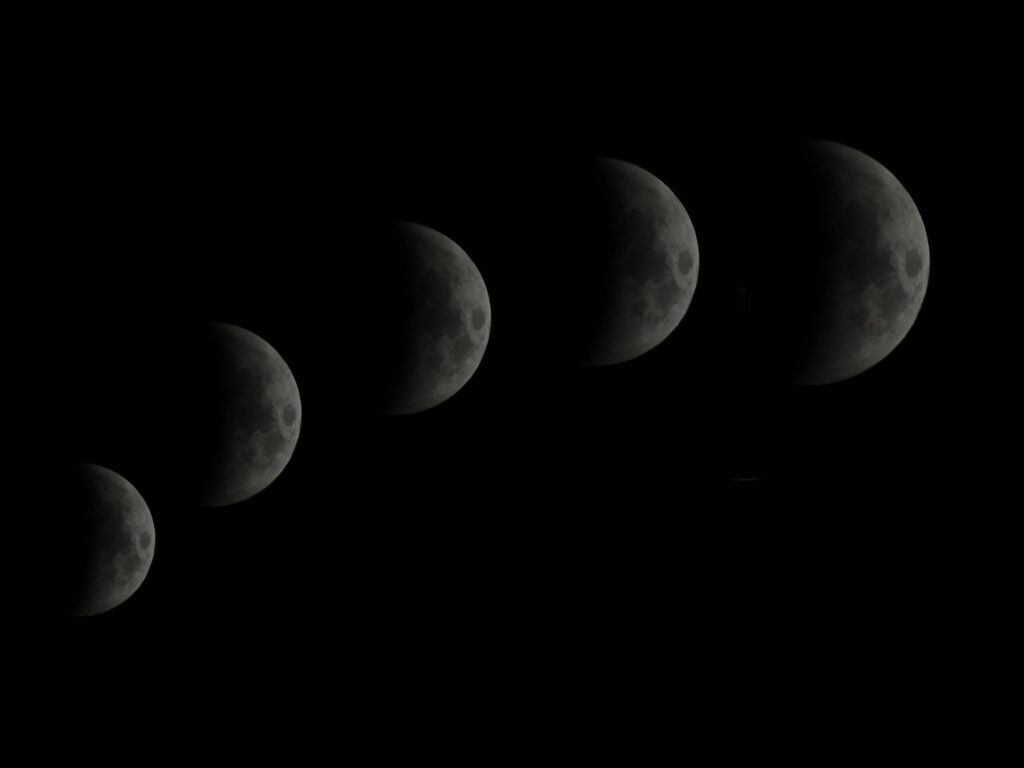
The 2026 moon calendar represents far more than a series of astronomical events. Moon phases have shaped human civilization for thousands of years, influencing agriculture, spiritual practices, and cultural calendars across every continent. From ancient mythologies depicting lunar gods battling cosmic forces to farmers timing crops by the waxing moon, the celestial rhythms continue shaping human experience.
Moon Phases and Farming
For millennia, agricultural societies have synchronized planting and harvesting with lunar cycles. The moon’s gravity measurably influences soil moisture, a connection crucial to crop success. The waxing moon (new to full) increases gravitational pull, drawing moisture upward and creating ideal conditions for seed germination. Farmers plant leafy, bean, and fruiting crops during this phase, capitalizing on heightened water availability.
The waning moon (from full to new) reduces gravitational pull, allowing the soil to dry. This benefits root crops like carrots and potatoes, which thrive in drier conditions. Traditionally, root vegetables were planted a few days before the new moon. Modern research supports lunar farming, with reports of increased yields: a California organic farm saw 15% growth, and Australian grain farmers reported 8% higher yields.
Biodynamic farming, based on the systematic lunar knowledge developed by Austrian scientist Maria Thun, suggests planting root crops during earth-sign moon phases, leafy crops during water-sign phases, and flowering plants during air-sign phases. This structured approach is now fundamental to biodynamic agriculture worldwide.
Moon Mythology Across Cultures
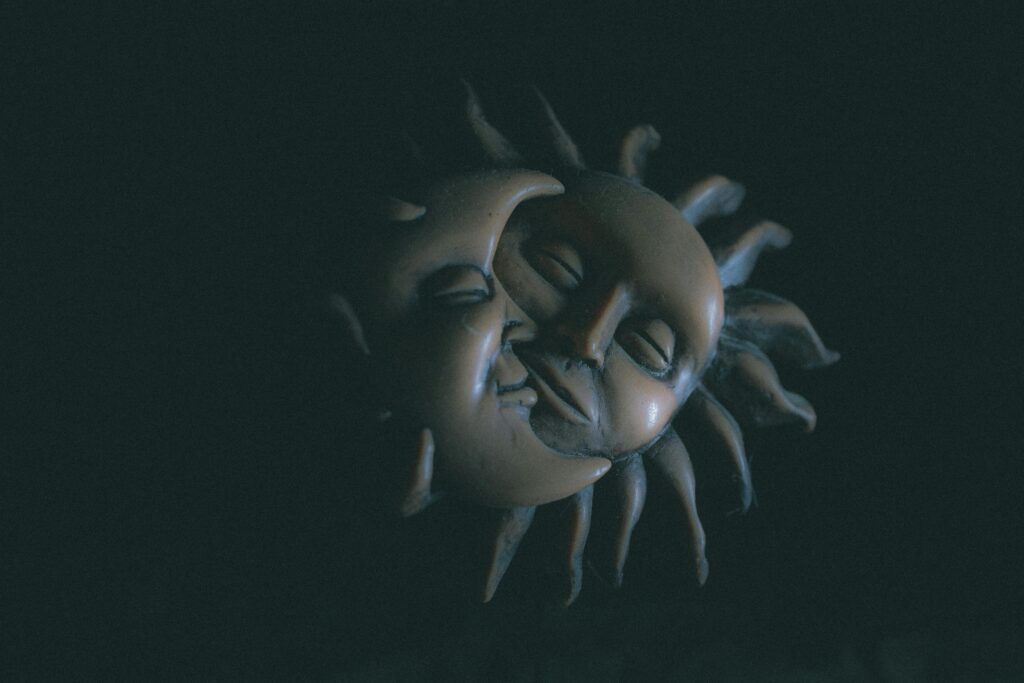
Ancient civilizations across the globe personified the moon in complex mythologies. The Aztec moon goddess Coyolxauhqui was decapitated by her brother, the war god Huitzilopochtli, after leading an attack against their mother, Coatlicue. Her severed head became the moon, symbolizing the cyclical nature of life and death, and she was revered as the goddess of night and patroness of childbirth.
In Norse mythology, the moon god Máni drove his chariot across the sky, pursued by the wolf Sköll. The Norse tracked time by observing its predictable phases. Prophecy foretold that Sköll would eventually devour Máni during Ragnarök, plunging the cosmos into darkness. Ancient Mesopotamia worshipped Nanna (Sin), the moon god who controlled time and guided agriculture. His lunar observations were central to coordinating seasonal planting and harvesting. Ancient Egypt revered Khonsu, the “traveler” moon god associated with fertility, healing, and the protection of travelers. Known for his healing powers, Khonsu was frequently invoked to cure illnesses.
African Moon Traditions: Healing, Hunting, and the Souls of the Dead
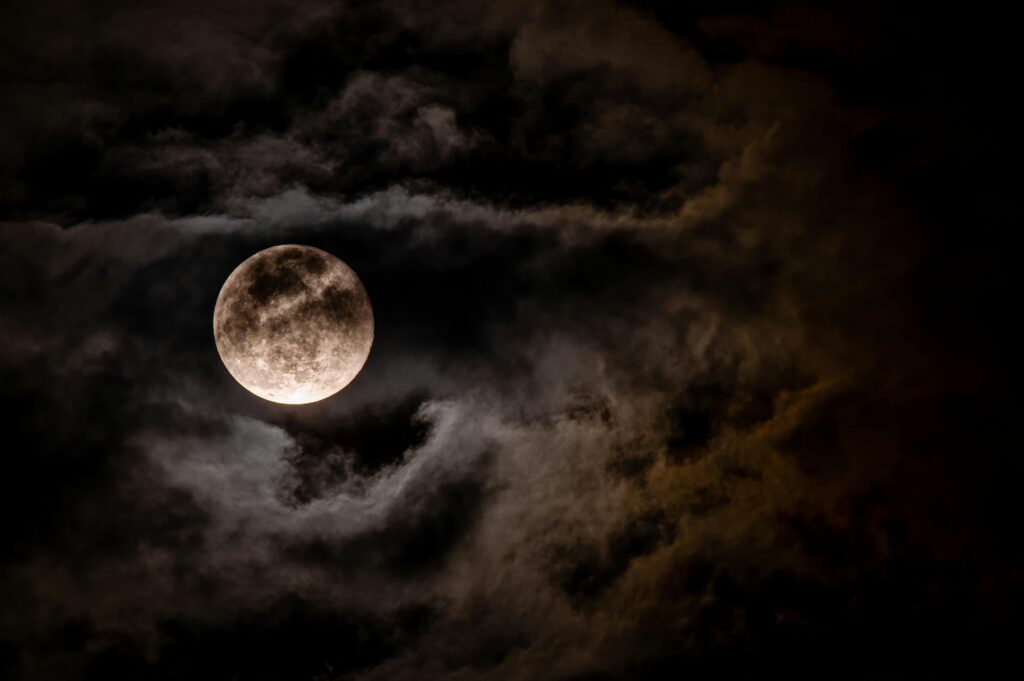
African cultures developed diverse lunar traditions reflecting the continent’s vast geographic and cultural diversity. Across many ethnic groups, observing and interpreting the Moon played a critical role, extending far beyond simple timekeeping. These traditions often encompassed complex mythologies, sophisticated astronomical knowledge, and practical applications in social, agricultural, and religious life.
The Southern African San people deeply incorporated the moon into their spiritual rituals. They believed the crescent moon, called “the carrying net of the dead,” held the souls of the dead until it waned, when it released them. San cosmology held that the sun wounded the moon, which now bears the burden of the dead.
The Xhosa people of South Africa viewed the new moon as a time for inaction, celebrating the crescent’s return. Important events were scheduled around the full moon, when Xhosa mothers treated their children for worms, believing that parasites were collected then. The Nyae Nyae!Kung Bushmen explained lunar eclipses as a lion covering the moon with its paw to create complete darkness for hunting. Other groups linked the moon to farming and seasonal rains.
The Khoisan, who called the moon “the Lord of Light and Life,” sang and danced during new and full moons. West African cultures associated the moon with water spirits, viewing it as both beneficial and destructive (e.g., causing floods). The Hausa people of West Africa interpreted blood moons as the moon being wounded during an eclipse. They performed healing rituals, symbolically treating the moon like an injured celestial being.
Modern Spiritual Practices and Lunar Rituals
The full moon’s illumination symbolizes clarity regarding emotional truths and life direction. Many cultures, including Hindu, Egyptian, and Indigenous North American traditions, incorporated full-moon gatherings into their spiritual calendars. Modern spiritual practices maintain the ancient association between lunar phases and human goals.
Read More: 17 Myths and Facts About the Moon Landing
New Moon: New Beginnings and Goal-Setting
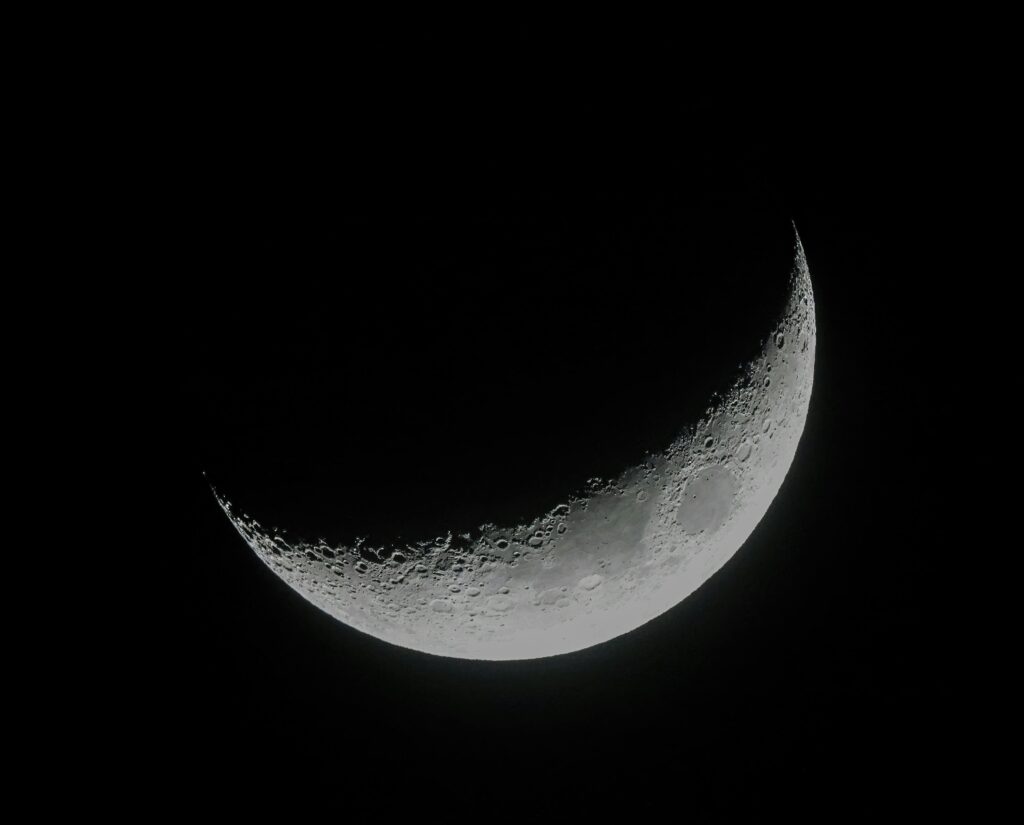
The new moon is widely recognized as a time for fresh starts and setting intentions. Symbolizing a spiritually clean slate, the dark phase is considered ideal for initiating projects and launching new ventures. Ceremonies dedicated to the new moon often involve practitioners setting intentions for the coming lunar cycle. Typical rituals include lighting candles, meditating, and visualizing desired outcomes. Some traditions also involve writing intentions on paper and burning them as a symbolic act of sending desires into the universe.
Full Moon: Culmination, Release, and Intensity
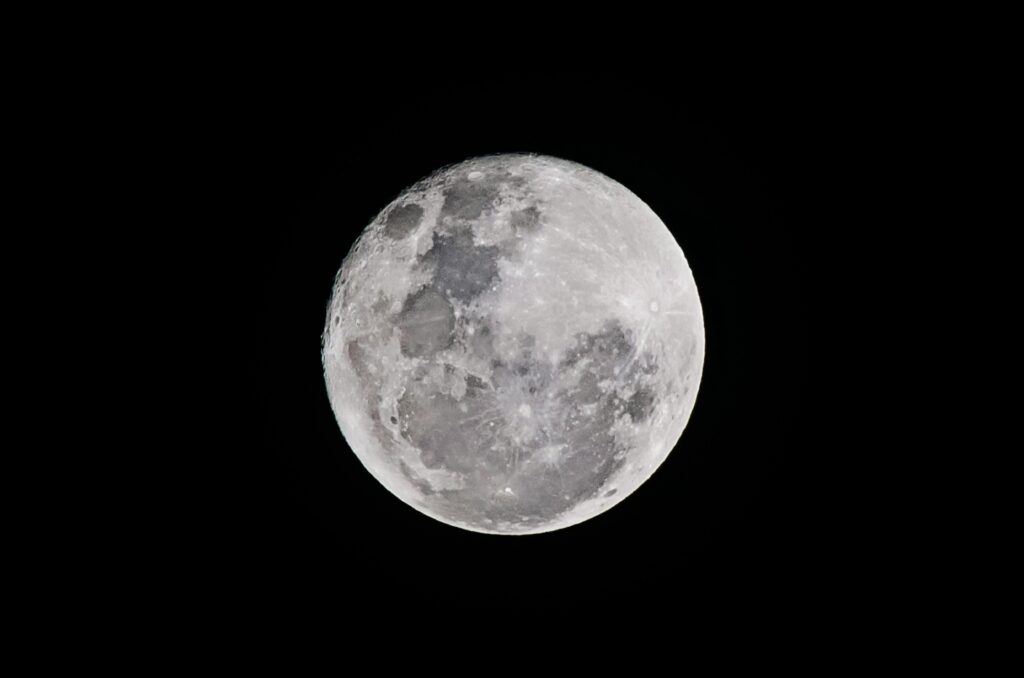
In contrast, the full moon’s energy signifies culmination, release, and heightened emotional intensity. Full moon ceremonies traditionally center on expressing gratitude for achievements and releasing what no longer serves the individual. The bright moonlight provides an optimal setting for community gatherings and meditation.
Common full moon rituals include gratitude practices and ‘cord-cutting’ ceremonies to sever unhelpful relationships or patterns. The full moon’s illumination is thought to symbolize clarity regarding emotional truths and life direction. Numerous cultures, including Indigenous North American, Egyptian, and Hindu traditions, have historically integrated full-moon gatherings into their spiritual calendars.
Read More: NASA Says Earth Has a Temporary Second Moon — and It’s Sticking Around Until 2083