
A sitting U.S. president’s death instantly triggers a transfer of power designed to run without any delay. The Constitution supplies the central rule, and federal statutes supply backups if multiple offices are vacant. The public may see a brief announcement, an oath, and a national mourning posture. Inside government, the first hours are practical work. A qualified medical professional must confirm the death. Security teams must control access to sensitive rooms and devices. Senior leaders must notify key officials through secure channels. Agencies must know who can sign orders right now.
This article explains what happens immediately if Donald Trump dies in office. The same rules apply to any president. They do not change with party, popularity, or circumstance. They also do not wait for a public ceremony. The system aims to keep lawful authority visible and usable from the first moment, so agencies can act and the military can follow a single command channel.
The first minutes
The first minutes begin with medical confirmation and protective control. A clinician confirms the death using standard medical judgment and documentation. White House leaders then restrict access to key rooms, communications equipment, and classified spaces. Protective details tighten posture around the Vice President and other protected principals. They control movement in secure areas and limit unscheduled contacts. Staff treat protection as a mission that cannot tolerate error in a crisis. A Department of Homeland Security review put it bluntly, noting that “The paramount mission of the United States Secret Service-protecting the President and other high-ranking national officials-allows no tolerance for error.”
Senior aides also impose information discipline. They activate an internal notification plan for the Vice President, cabinet leadership, and congressional leaders. They limit informal chatter and assign a small group to manage outward communication. A premature statement can create chaos, so officials wait for verified facts. When they speak publicly, they keep the message short and specific. It confirms the death and identifies who now holds authority. Lawyers also check succession conditions, because vacancies can overlap in rare cases. The Congressional Research Service summarizes the legal map that guides these checks. It explains that succession is provided by the Twenty-Fifth Amendment and by Title 3, Section 19.
The constitutional switch
Once the president dies, succession occurs by constitutional command. It does not require a vote, a court filing, or a cabinet decision. The Twenty-Fifth Amendment outlines the rule without ambiguity, stating, “In case of the removal of the President from office or of his death or resignation, the Vice President shall become President.” That sentence does the heavy lifting. In legal terms, the office changes hands at the moment of death. In operational terms, agencies now treat the new President as the only authority for executive decision-making. No agency waits for a formal program on television. Officials act based on the text and on established practice.
The instant transfer changes every decision channel, but officials still must make it workable. White House staff realign rapidly while keeping routines stable. They update call lists for cabinet leaders and national security officials. They notify agency heads who need signature authority for urgent actions. Those actions can include emergency declarations and time-sensitive approvals. Diplomacy cannot pause, so officials prepare calls to key allies and security partners. Congress also needs clarity fast, so leaders receive confirmed notice. The point is a clean, public line of authority. The system aims to leave no space for competing claims.
The oath and the first public words
Succession occurs instantly, but the oath plays a practical role in the first hours. The oath does not create the presidency in this moment, since the Constitution already made the successor President. It does make authority easier to exercise in public view. It also reduces hesitation inside agencies that fear legal disputes. The Constitution gives a direct instruction, stating, “Before he enter on the Execution of his Office, he shall take the following Oath or Affirmation.” Officials, therefore, arrange an oath ceremony as soon as feasible. A judge can administer it in a small setting. It can happen in the White House, at a secure facility, or wherever the successor is located.
After the oath, the first public statement must be written with discipline. It confirms the death in direct language. It identifies the new President by name and title. It avoids speculation about causes until medical professionals complete their work. Communications teams coordinate with cabinet departments, so agencies speak with one voice. They also brief congressional leaders, so public comments align across branches. In parallel, diplomats notify allies through established channels, including embassy and defense contacts. Markets react to uncertainty, so clarity becomes a security tool. The aim is steadiness, not drama.
National security right away
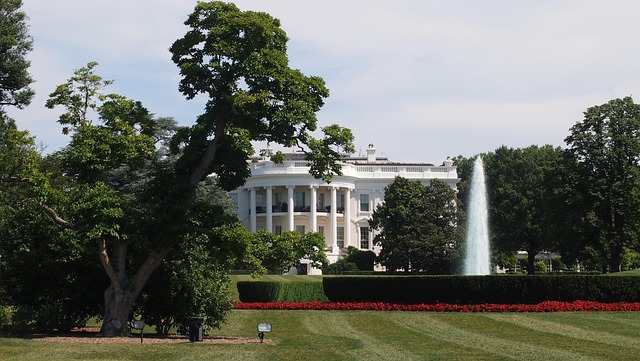
After the transfer, the new President becomes commander-in-chief immediately. National security staff, therefore, focuses on secure access, authentication, and continuity of command. This includes intelligence updates and active operational decisions. Nuclear command draws special attention because the process depends on rapid authorization and secure communication. A Congressional Research Service explainer describes the key step, noting that the President “would communicate his choices and provide this authorization through the Emergency Satchel (or nuclear ‘football’).” That quote describes a channel, not a spectacle. The core issue is lawful control and verified identity.
In a death in office scenario, staff must ensure secure systems recognize the new President. Military aides adjust their support and authentication routines. Communications specialists verify access to protected networks and crisis conferencing systems. Intelligence leaders assess whether adversaries might exploit uncertainty. They brief the new President on immediate risks and active operations. They highlight time-sensitive decisions that cannot wait. Allies also receive reassurance through established military and diplomatic lines. Officials aim for a calm signal: the chain of command holds, and the United States can act decisively.
How the next seat gets filled if Trump dies in office
When the Vice President becomes President, the Vice Presidency becomes vacant. That vacancy affects the next link in the succession chain, so the new President usually treats it as urgent business. The Twenty-Fifth Amendment provides a direct process, stating,: “Whenever there is a vacancy in the office of the Vice President, the President shall nominate a Vice President.” That nomination can happen quickly, yet it demands careful vetting. The new President needs a partner who can govern and speak credibly in a crisis. The choice also signals stability to Congress and to the public.
Congress must confirm the nominee, and the Constitution sets the threshold. The nominee takes office only “upon confirmation by a majority vote of both Houses of Congress.” That requirement forces consultation across both chambers. Congress may accelerate the process to restore the top tier of succession. Still, lawmakers demand review and basic due diligence. They check qualifications and possible conflicts. They assess readiness for the role. The new President must balance speed with credibility, because a weak choice can deepen uncertainty.
Statutory succession and eligibility rules
If there is no Vice President able to serve, federal statute sets the next step. The central law is 3 U.S.C. §19, and it begins with the Speaker of the House. The statute imposes conditions that prevent mixed branch authority. It states that “The Speaker of the House of Representatives shall, upon his resignation as Speaker and as Representative in Congress, act as President.” The resignation requirement is not cosmetic. It forces a clean break from legislative power before executive authority begins. It also reduces arguments about divided loyalties in a constitutional emergency.
If the Speaker cannot qualify, the statute moves to the President pro tempore under similar conditions. The line then continues through cabinet officers in a defined order. Eligibility depends on constitutional qualifications and valid appointment status. Officials must therefore confirm facts quickly, including whether a person holds office in the required way. Government lawyers treat this as a high-stakes operational task. Competing claims would create paralysis at the worst time. That is why continuity planning focuses on clean legal status and clear documentation.
Government continuity beyond the headlines
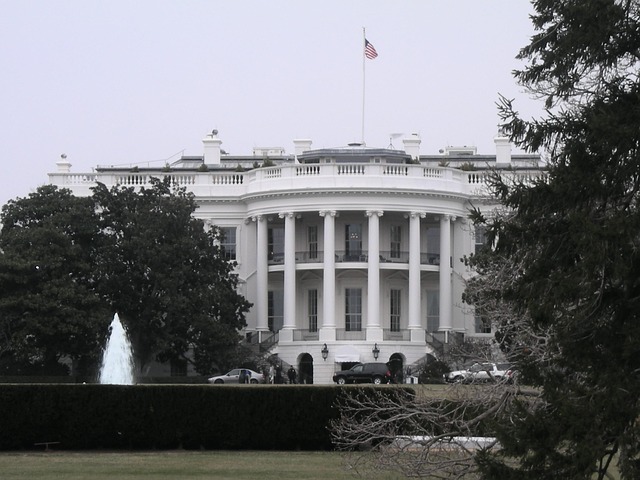
Succession answers who holds authority, but government operations still need structure. White House staff reorganizes around the new President, and decision channels must be rebuilt quickly. Staff roles shift because the new President needs trusted support. Cabinet departments continue their work, yet the new President may set new priorities. Agencies need clear signature authority for orders and emergency actions. They also need a stable schedule for briefings and approvals. Staff secure classified material and control access to sensitive systems. Confusion can create mistakes, so officials prioritize order and accountability from the first hour.
Records custody becomes urgent as well. Federal law defines ownership of presidential records, noting that “The United States shall reserve and retain complete ownership, possession, and control of Presidential records.” That rule means official materials belong to the government, not to a person. In a death in office scenario, staff secure official emails, paper files, and notes used for government work. They control access to devices tied to official systems. Records officers coordinate custody so materials remain under lawful control. These steps also protect history, because records support oversight and future understanding of events.
Mourning and ceremony
Mourning begins quickly, but it follows written rules. Federal law directs when U.S. flags fly at half-staff after the death of certain officials, including the president. The rule sets a 30-day period for a president or former president. It also applies to U.S. facilities abroad, including military facilities and naval vessels. These visible signals shape the public’s first experience of national mourning. They also create a uniform response across federal sites. Officials may also issue additional instructions for federal agencies, depending on timing and circumstances. The public sees a shared national posture, even while the government continues its work.
A formal ceremony can require proclamations that authorize planning and security coordination. A Congressional Research Service briefing explains that “State funerals are traditionally initiated by a presidential proclamation.” In a death in office scenario, officials may organize comparable honors, depending on tradition and family wishes. Large public events demand strict security planning, because crowds draw risk. Organizers coordinate protective teams, ceremonial units, and access control for public viewing. They also coordinate timing with government operations, since the new President must govern during mourning. The goal is respect with order, not disruption.
Read More: The Full Story Behind Donald Trump’s Recent MRI Procedure
Conclusion
A president’s death in office shocks the country, but the transfer of authority is immediate and clear. The Twenty-Fifth Amendment makes the Vice President President at the moment of death. Federal statute provides the next line if the Vice Presidency is vacant. The oath then supports clear execution of authority in public view. Those rules give the military and executive branch one recognized decision maker. They also give allies and competitors a clear answer about who speaks for the United States. The legal structure is designed to keep the country governed, even in times of shock. Execution still requires disciplined work across institutions. Officials confirm facts before speaking publicly. Protective teams secure principals and sensitive spaces. If Trump dies in office, the new President must gain secure access and urgent briefings quickly. Congress may confirm a new Vice President to restore the top tier of succession.
Records custody must stay controlled, because federal law requires it. Mourning begins in parallel, guided by half-staff rules and presidential proclamations. The law provides the route, but people must execute the route with care and speed. Behind the scenes, continuity plans guide who calls whom and in what order. The Situation Room staff keeps secure channels open for the new President. Cabinet secretaries continue routine operations, yet they pause on decisions needing direct approval. Courts and states look for steady federal direction during emergencies and disasters. The White House counsel documents key actions to reduce later legal disputes. National security teams watch for disinformation that could provoke unrest or foreign testing. The successor also balances governance with grief, setting a respectful tone for the nation. When procedures run smoothly, the country sees stability, even during an abrupt loss.
A.I. Disclaimer: This article was created with AI assistance and edited by a human for accuracy and clarity.
Read More: 25th Amendment Explained and How It Could Remove Donald Trump From Office