
Shingles does not just suddenly arrive from nowhere. It actually begins with the Varicella-zoster virus, the germ behind chickenpox. After chickenpox clears, VZV retreats into the nerve tissue and stays there for years. Your immune system usually keeps it contained, yet that control can weaken over time. Age can reduce the T cell response that holds the virus back. Additionally, chronic illness can add pressure to the same defenses. Furthermore, immunosuppressing medicines can also lower surveillance inside the nerves. When your defenses dip, the varicella-zoster virus can potentially reactivate. It then travels along a sensory nerve toward the skin. Pain often first occurs with burning or stabbing in one narrow strip. The rash may follow days later, usually on one side of the body. Doctors call this flare herpes zoster. The blisters often trace a clear nerve route and crust over.
Many outbreaks heal within 2 to 4 weeks, although nerve recovery can take longer. Some people develop postherpetic neuralgia, with pain that persists after the rash clears. Sleep can fracture, and normal clothing contact can become painful. Shingles on the face needs urgent care when the eye area is involved. Untreated eye involvement can lead to lasting vision problems. During the blister stage, fluid can spread VZV to someone without immunity. In that case, the contact can develop chickenpox, not shingles. Speed changes outcomes, so early medical advice is important. Antiviral treatment works best when taken as soon as symptoms begin. Vaccination can prevent many cases and reduce severe complications. Knowing the warning signs helps people act quickly and protect vulnerable contacts.
Where VZV hides for years
Many people assume chickenpox is a one-time illness that ends for good. CDC states, “After a person has varicella, the virus remains dormant in the dorsal root ganglia.” Those ganglia sit beside the spinal cord and connect to the skin through sensory nerves. Dormant does not mean gone. It means the virus persists inside neurons with limited activity. Immune cells patrol and suppress replication in the background. That hidden balance is why shingles can appear without a new exposure. The virus is already inside the body, waiting for weaker control. Reactivation begins in the ganglion and moves outward along a sensory nerve. CDC describes herpes zoster as “a painful maculopapular and then a vesicular rash.” That sequence reflects viral spread in the skin and local inflammation. The nerve itself can become inflamed and produce deep pain early. Some people notice pain while the skin still looks normal. That delay can confuse people and slow care. Knowing that timing helps, because antivirals work best when started early.
Why the immune system loses ground
Age is the biggest risk factor for shingles. CDC reports, “A person’s risk for herpes zoster and related complications, including hospitalizations, sharply increases after 50 years of age.” Immune signaling changes with age, and some T-cell responses weaken. The change can be slow and invisible day to day. Yet it can cross a threshold where VZV control becomes unreliable. Then a routine infection or a stressful stretch can coincide with reactivation. People describe it as sudden, yet the groundwork was built for years. Immune suppression can create the same opening at younger ages. CDC explains risk increases as “VZV-specific cell-mediated immunity declines.” Cell-mediated immunity relies on T cells that recognize infected cells. Cancer treatments can blunt that response. Transplant medicines can also suppress it, by design. HIV infection can weaken control as well. In these settings, shingles can be more extensive, and complications become more likely. Disseminated shingles can occur, with lesions beyond one dermatome.
The earliest signs before the rash
Shingles often begins before any blisters start appear. Many people notice burning or stabbing pain in one small skin area. The same area can become sensitive to light touch. Clothing can irritate it, even when the skin looks normal. Because the onset is hidden, people may suspect a strain or nerve pinch. The key clue is the border. The discomfort often follows a dermatome, the skin area served by one sensory nerve root. That pattern points clinicians toward herpes zoster early. The rash usually follows within days and respects the midline. CDC writes, “People with shingles most commonly have a rash around the left or right side of the body.” Red spots can become fluid-filled blisters, then crust over. The torso is common, yet the face can also be involved. A rash near the eye needs urgent attention. Shingles can recur, so a previous episode is not lifelong protection. Early recognition still matters, even for repeat episodes.
What reactivation does to nerves and skin
Reactivation is not only a skin event. VZV travels along sensory nerves toward the surface. That movement inflames nerve tissue and triggers pain signals. Pain can feel deep and sharp, not simply itchy. The virus can damage sensory fibers and distort signaling. Normal touch can become painful, which clinicians call allodynia. Night pain can disrupt sleep and wear down coping. Sleep loss can also increase pain sensitivity over time. Effective care targets the virus and also addresses pain and sleep. CDC describes shingles in practical terms. CDC states, “Herpes zoster is a localized, usually painful, cutaneous eruption resulting from reactivation of latent varicella zoster virus (VZV).” Localized distribution helps separate shingles from many other rashes. Pain is also a strong diagnostic clue, especially when it comes first. The definition explains why new contact is not required. Yet blisters can still contain infectious virus. That is why covering lesions matters during the active blister stage.
Postherpetic neuralgia and long pain
Postherpetic neuralgia, or PHN, is the most common long-term complication. PHN is not just lingering soreness after a rash. It is nerve pain that persists and disrupts daily life. Light touch can trigger pain and complicate dressing or bathing. Sleep can fragment into short blocks and worsen pain tolerance. Some people develop nerve-driven itching that does not respond to scratching. Mood can drop when pain becomes unpredictable and constant. Recovery is possible, yet it often needs follow-up and tailored treatment. CDC provides a practical definition for PHN. CDC says, “PHN is pain that persists in the area where the rash once was located, and continues more than 90 days after rash onset.” CDC also estimates, “Approximately 10% to 18% of people with herpes zoster will have PHN.” Risk rises with age and with severe early pain. Preventing shingles, therefore, prevents many PHN cases. Vaccination lowers shingles risk and lowers PHN risk with it. Early antiviral therapy may also reduce the severity and complication risk for some people.
When shingles threatens vision or spreads
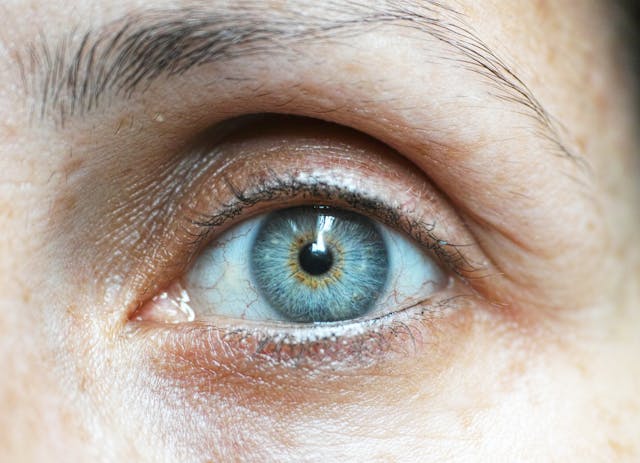
Shingles that affects the area around the eye needs urgent medical care. The CDC notes, “Herpes zoster that affects the ophthalmic division of the trigeminal nerve is called herpes zoster ophthalmicus.” CDC adds it “can result in acute or chronic ocular sequelae, including vision loss.” People can have eye pain before obvious blisters appear. Redness, light sensitivity, or blurred vision needs rapid assessment. Early antivirals can limit viral replication and reduce damage. Eye specialists may add targeted therapies and close monitoring. Delays raise the risk of lasting injury. Shingles can also spread beyond one dermatome. CDC explains disseminated zoster can include lesions outside the primary or adjacent dermatomes. Disseminated disease is more likely with immune suppression. CDC also notes visceral involvement can affect the central nervous system, lungs, or liver. Neurologic complications can include encephalitis or meningoencephalitis. These events are uncommon, yet they can escalate quickly without treatment. Confusion or a severe headache during shingles warrants urgent care. Hospital treatment may include intravenous antivirals and close monitoring.
Shingles and stroke risk
VZV can involve blood vessels, not only nerves. Several studies link shingles with short-term stroke risk. A nationwide Danish cohort study, led by Nandini Sreenivasan and colleagues, used national registers from 1995 to 2008. The authors reported “a 127% (95% CI 83–182%) increased risk in the first two weeks.” The paper reports funding from the Danish Heart Foundation. The authors also state that the funders had no role in the study work. The study used antiviral treatment as a marker for shingles episodes. This association does not mean every shingles case leads to stroke. Absolute risk depends on age and baseline vascular risk. Yet the short-term rise matters because outcomes can be severe. The Danish analysis also reported “5% (2–9%)” increased risk after 1 year. Researchers propose VZV-related vasculopathy as one pathway. Inflammation may affect arterial walls and promote clot formation. People should seek emergency care for sudden weakness or sudden speech trouble. Clinicians may also review vascular risk control after shingles, especially in higher-risk patients.
Diagnosis and the narrow antiviral window
Diagnosis is often clinical, based on rash location and pain. Early disease can be confusing, especially before blisters appear. Some rashes resemble eczema or contact dermatitis. Clinicians may use laboratory testing in atypical cases. Yet timing often drives treatment decisions. MedlinePlus gives clear guidance: “The medicines are most effective when started within 72 hours of when you first feel pain or burning.” That window can start before the rash appears. It is a key reason to contact a provider quickly when shingles is suspected. MedlinePlus also explains what antivirals can do. It says the medicine “helps reduce pain, prevent complications, and shorten the course of the disease.” Clinicians commonly use valacyclovir or acyclovir, depending on patient factors. Kidney function and age can affect dosing. Pain control may include nerve-targeted medicines and sleep support. Skin care reduces secondary infection risk and limits spread. Lesions should be kept clean and covered when possible. Antibiotics do not treat VZV and are reserved for bacterial infections.
Vaccination and practical prevention at home
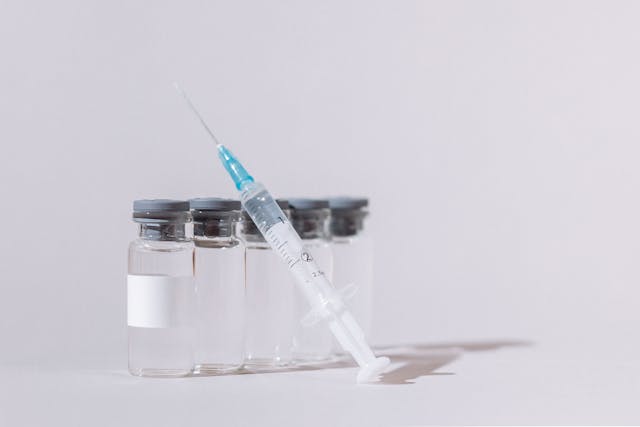
Vaccination is the strongest prevention tool against shingles and PHN. CDC states, “CDC recommends 2 doses of Shingrix separated by 2–6 months for immunocompetent adults aged 50 years and older.” CDC also recommends 2 doses for adults aged 19 years and older who are immunodeficient or immunosuppressed. Evidence comes from large randomized trials. In ZOE-50, H. Lal and colleagues reported, “Overall vaccine efficacy against herpes zoster was 97.2%.” The abstract also states the trial was funded by GlaxoSmithKline Biologicals. A related trial in older adults, reported by A. L. Cunningham and colleagues, also reports GSK funding. During an outbreak, infection control still matters. The Australian Centre for Disease Control states, “Shingles itself doesn’t spread between people.” However, blister fluid can transmit VZV to a non-immune contact and cause chickenpox. Covering lesions reduces exposure risk in shared households. Avoid close contact with newborns and immunocompromised people until lesions crust. Hand hygiene matters after touching dressings or rash areas. Bedding and towels should be handled carefully and not shared. After recovery, persistent pain should not be dismissed as normal aging. PHN treatment can be adjusted over time, and earlier care can improve function.
Conclusion
Shingles begins with a virus your body already carries, yet reactivation is not random. When immune control declines with age, illness, or immunosuppressing medicines, varicella zoster virus can reactivate. Nerves inflame first, so burning or stabbing pain can lead to the rash in days. Blisters then appear in a tight, one-sided band that follows a nerve map. The skin usually heals; however, nerve injury can persist and disrupt sleep, focus, and daily routines.
Complications are common enough to plan for. The CDC defines postherpetic neuralgia as pain that continues for more than 90 days after rash onset. The CDC estimates that about 10% to 18% of shingles cases develop this long-lasting pain. Treatment works best when it starts early and stays consistent. MedlinePlus states antivirals are most effective within 72 hours of the first pain or burning. Call a clinician when one-sided nerve pain starts, especially after 50 or with immune suppression. Do not wait. Prevention is also direct. The CDC recommends 2 doses of Shingrix, 2 to 6 months apart, for adults aged 50 and older. CDC says you should get Shingrix even if you have had shingles. If shingles appear, cover lesions and avoid close contact until blisters crust.
Read More: Understanding How COVID-19 and Its Vaccines Can Affect Shingles Risk