
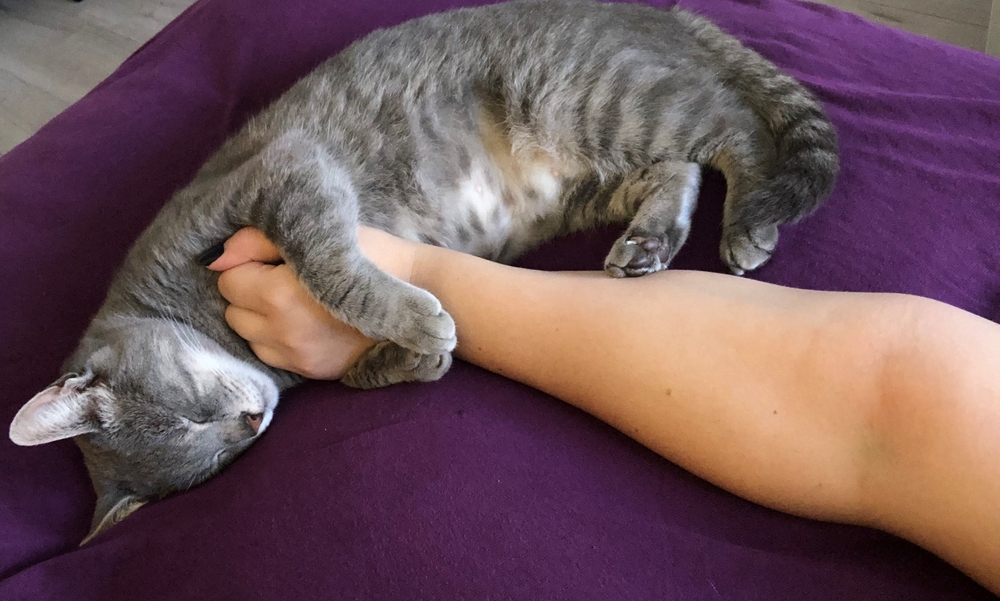
If you have ever woken up with a cat pressed against your side or found one stretched across your chest, you are not alone. Many people assume this habit is just affection. That is part of it, but it is not the full reason. When people ask, “Why does my cat sleep with me?”, the answer usually lies in instinct, routine, biology, and trust. Cats do not choose sleeping spots casually, even if it looks that way at first glance. Research on animal behavior and everyday observation point to the same conclusion. When a cat sleeps with you, it is making a deliberate choice. That choice is shaped by warmth, safety, scent, routine, and emotional comfort. Understanding those reasons helps explain why this behavior feels so consistent, and why it can change over time.
Cats Are Extremely Intentional About Sleep
Cats spend a large part of their lives asleep. Most adult cats sleep between twelve and sixteen hours a day, sometimes more. Because of that, sleep is not just rest; it is survival. In the wild, sleep is dangerous. A sleeping cat is vulnerable. Even though domestic cats live indoors, that instinct never disappears. Their brains still scan for safety cues before they relax fully. This is why cats often nap lightly during the day and save deeper sleep for places they trust.
Warmth Comes First, Even Before Affection
Cats love heat. Their bodies are designed to conserve warmth, and they naturally seek out warm surfaces. Your body provides steady heat through the night, unlike blankets or cushions that cool down over time. Many sources explain that cats often choose people because body heat stays consistent. This is why cats tend to curl up against your torso, behind your knees, or near your chest. These areas trap warmth and make it easier for them to relax.
Sleeping With You Feels Safe
Warmth alone does not explain why a cat chooses a human over other warm spots. Safety plays a bigger role than many owners expect. Cats are both predators and prey. Even indoors, they remain alert to sounds, movement, and unfamiliar changes. Sleep reduces that alertness, so cats compensate by choosing sleeping locations that feel protected. When your cat sleeps beside you, it is relying on your size, your presence, and your predictability. You act as a buffer between them and the environment. This sense of security allows them to sleep more deeply. This is one of the strongest answers to why cats sleep with humans. It is not about control or ownership. It is about reducing risk.
Trust Is Not Automatic for Cats
Cats do not trust easily. Trust builds slowly, through repeated calm interactions and respect for boundaries. If your cat sleeps with you, it usually means you have never startled them while resting, you do not force contact, and you respond in familiar ways. Over time, your behavior becomes predictable. Predictability is comforting to cats. Many experts compare this to early kittenhood. Kittens sleep close to their mother and littermates for warmth and safety. Sleeping beside a human can recreate that feeling of shared security. It is not dependency, it is selective closeness.
Your Scent Plays a Quiet but Powerful Role
Cats experience the world through scent more than sight. Smell helps them identify people, places, and emotional safety. Your scent signals familiarity. It also signals routine. When a cat sleeps near you, it surrounds itself with a smell linked to food, calm moments, and positive experiences. That scent can reduce stress and help anxious cats settle more easily. This is why cats often sleep on pillows, worn clothing, or the side of the bed you use most. Your smell anchors them.
Routine Turns Preference Into Habit
Cats thrive on routine. Predictable patterns make their environment feel stable and manageable. Once your cat associates bedtime with you, the behavior can become part of their daily rhythm. Some cats wait for their owners to go to bed. Others follow them down the hallway every night. If the routine changes, the cat may seem confused or slightly irritated. This does not mean your cat cannot sleep alone. It means you have become part of their normal pattern.
Not All Cats Want Full Contact
Some cats sleep near their owners but avoid direct contact. This does not mean they care less. Cats that sleep at the foot of the bed or beside you may overheat easily, dislike movement, or simply prefer a bit of space. They still benefit from your presence and scent. They just regulate closeness differently. This variation highlights how personal feline preferences can be. Cats choose closeness on their own terms.
Does This Mean Your Cat Loves You?
Love is a human concept, but cats do form strong emotional bonds. When a cat sleeps with you, it signals trust, attachment, and positive association. It does not mean love in a human sense, but it does mean you matter in their world. Cats choose what feels good and safe. Sleeping with you fits both categories.
When Cats Suddenly Stop Sleeping With You
Sometimes a cat that always slept with you suddenly stops. This can feel personal, but it rarely is. Temperature changes often play a role. Cats may move away during warmer months. Changes in household routine, new pets, or stress can also influence sleep habits. Aging cats may avoid beds if jumping becomes uncomfortable. If the change happens alongside other behavior shifts, such as reduced appetite or hiding, a health issue could be involved. In that case, a vet visit is a good idea.
Sleeping Positions Can Tell You a Lot
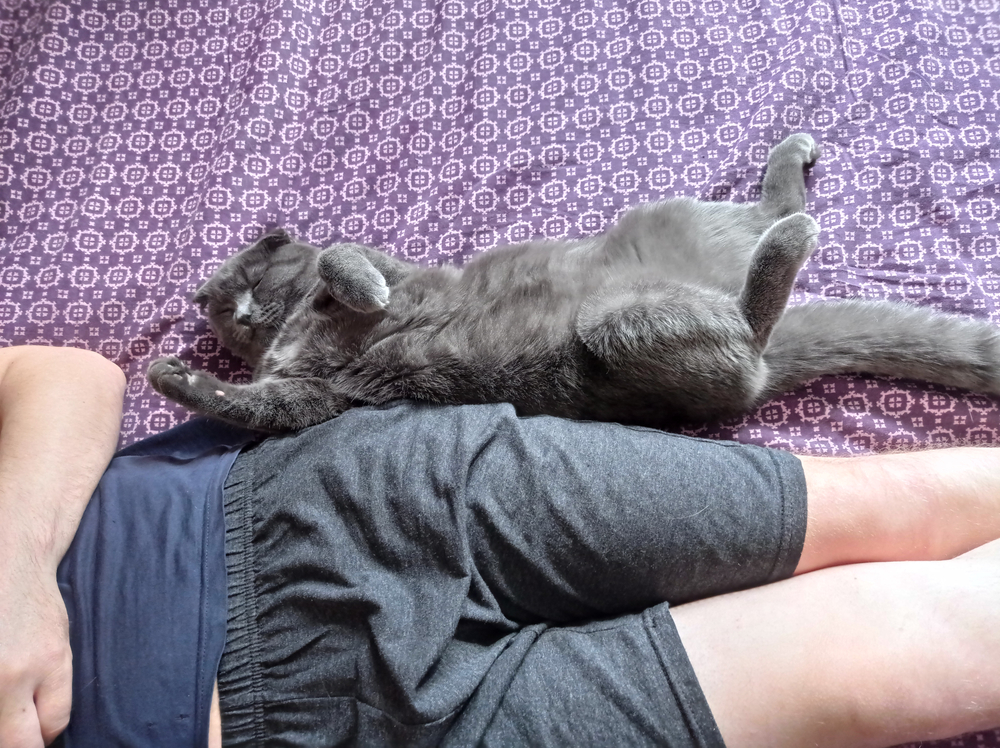
Where a cat sleeps on you can offer subtle clues. Cats that sleep near your chest often seek warmth and comfort from your heartbeat. Those who sleep near your feet may want closeness with an easy escape route. Cats that wedge themselves between your legs often enjoy both heat and gentle containment. Each position balances comfort with control. Cats like closeness, but they also like options.
Is It Healthy to Let Your Cat Sleep With You?
For most people, co-sleeping with a cat is safe. Healthy cats that receive regular veterinary care pose little risk. Light sleepers may notice disrupted rest, and people with allergies may experience symptoms. The choice should depend on mutual comfort. If both you and your cat sleep well, there is no strong reason to change the habit.
How Sleeping Together Affects a Cat’s Emotional Health
Sleeping with a trusted human can have real emotional benefits for a cat. Cats that feel secure often show fewer stress-related behaviors. They may groom more calmly, vocalize less at night, and settle into deeper sleep cycles. This does not mean every cat needs to sleep with a person to feel stable, but for some, it becomes part of how they regulate stress. Veterinary behaviorists often point out that cats manage anxiety through predictability. Sharing a sleep space can become one of those anchors. The quiet, steady rhythm of breathing and movement reassures them that the environment is under control. Over time, this can support emotional balance, especially for cats that are sensitive or easily startled. This is one reason why newly adopted cats may slowly start sleeping closer to their owners. As trust builds, so does their willingness to rest deeply nearby.
Why Kittens Learn This Habit Early
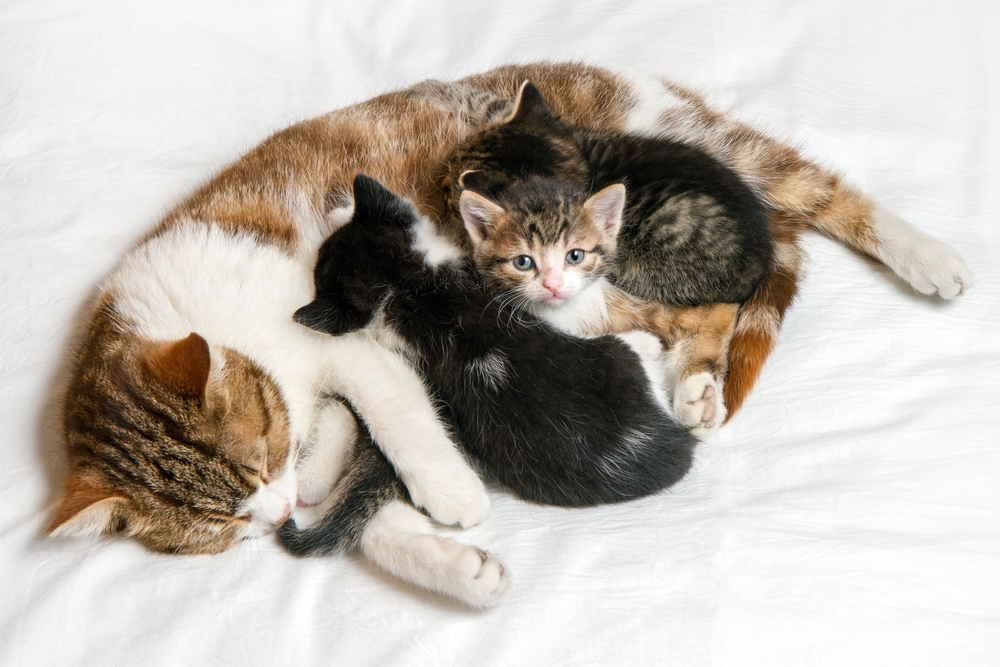
Many adult cats who sleep with people started doing so as kittens. Early experiences matter. Kittens who are gently handled, allowed to nap near humans, and exposed to calm routines often carry those patterns into adulthood. During kittenhood, warmth and safety are inseparable. Kittens sleep in piles, pressed against each other and their mother. When a human becomes part of that early environment, the association sticks. Sleeping near a person feels familiar rather than strange. Cats who were not exposed to humans early may still learn this habit later, but it often takes longer. Trust builds more slowly when early experiences lacked consistency.
Why Some Cats Become More Clingy at Night
Some owners notice that their cat seems especially attached at bedtime. This does not always reflect their daytime behavior. Nighttime is quieter. There are fewer distractions, fewer noises, and fewer demands. For cats, this can heighten awareness of their surroundings. Sleeping close to a trusted human reduces that vigilance. Older cats, in particular, may seek more nighttime closeness. As hearing or vision declines, proximity offers reassurance. This does not mean the cat is becoming needy. It often means they are adapting.
Cats Versus Dogs
Cats and dogs both sleep with humans, but the reasons differ in important ways. Dogs evolved as pack animals. Sleeping together reinforces social bonds and hierarchy. Dogs often sleep with people because it strengthens group cohesion. Cats evolved as solitary hunters. Their choice to sleep with humans is more selective. It reflects individual preference rather than group instinct. This makes the behavior feel more meaningful to many owners. Understanding this difference helps explain why cats may change sleeping habits more easily than dogs. A cat’s loyalty is flexible, not fixed.

What If You Want to Change the Habit
Sometimes sleeping together stops working. Light sleepers may struggle, or allergies may worsen for someone who is allergic. Cats can adjust, but change works best when it is gradual. Offering an alternative sleeping spot with warmth and a familiar scent helps ease the transition. Placing a favorite blanket or worn clothing in that space can make it more appealing. Consistency matters. If you block bedroom access sometimes but not others, confusion increases. Clear boundaries reduce stress. Cats may protest at first. This does not mean harm is being done. It means a routine is shifting.
Common Myths About Cats Sleeping With Humans
Many myths surround this behavior. One common belief is that cats sleep with people to claim ownership. That is not accurate. Cats do not view humans as property. They view them as resources and companions. Another myth suggests that sleeping together creates separation anxiety. In reality, most cats who sleep with humans still enjoy independence. They choose closeness, but they do not require it. Some people believe cats sense illness and sleep with sick owners to heal them. While cats may notice changes in routine or scent, there is not enough evidence that they understand illness in that way.
Image credit: Shutterstock.
When Sleeping Together Might Be a Problem
While co-sleeping is usually harmless, there are situations where it may not be ideal. Cats that show signs of aggression during sleep, such as sudden biting, may need separate spaces. Kittens who play at night may disrupt rest. Health also matters. Cats with untreated parasites or infections should not share beds until treated. Regular veterinary care reduces these risks. The goal is balance. Both humans and cats should feel comfortable.
Cultural Views on Cats and Sleep
Across cultures, cats sleeping with humans have carried different meanings. In some traditions, it symbolized protection. In others, it was discouraged due to superstition. Modern understanding relies more on science than myth. Behavior research focuses on instinct and environment rather than symbolism. This shift helps owners interpret behavior without fear or confusion.
The Bigger Picture of Feline Attachment
Many people wonder why their cats sleep with them because the behavior feels intimate. It blurs the line between pet and companion. Cats express affection in different ways. They do not wag tails or seek constant attention. Sleep becomes one of the few moments where closeness is obvious. Sleeping together does not mean your cat sees you as another cat. It does not mean dominance, submission, hierarchy, or obligation. It means comfort, trust, and that your presence adds value to their rest. Cats choose what works, and they stay because they want to. Attachment in cats looks different from what many expect. It shows up in small, consistent choices. Sleeping location is one of them. A cat that sleeps with you likely feels secure in the relationship. They may still ignore you during the day. They may still walk away when petted for too long. That does not contradict the bond.
Closing Thoughts
When you look closely, sleeping with a cat is less about cuteness and more about trust layered with instinct. Your cat sleeps with you because your presence meets basic needs for warmth, safety, and familiarity. Over time, those needs blend with routine and emotional comfort. This behavior does not demand interpretation through human emotions. It stands on its own logic. Your cat chooses you because being near you feels right. That quiet choice, repeated night after night, says more than words ever could.
Read More: 11 Telltale Signs That Your Dog Might Be Approaching the End of Their Life