
“Christmas food comas” are almost a festive tradition. Someone leans back, rubs their stomach, and declares defeat. The phrase sounds dramatic, but for most people, it describes a short-lived crash after overeating. Dr Fuad Jafarov, a gastroenterologist with the ACIBADEM group, says most post-meal bloating and sluggishness come from overindulgence. People eat more, drink more, snack longer, and move less. The gut then works overtime. That process can create pressure, gas, reflux, and sleepiness.
The problem starts when people keep blaming the calendar. Some bowel cancer symptoms overlap with holiday discomfort, including bloating and bowel changes. That overlap does not mean a food coma equals cancer. It means you should track what happens after the normal routine returns. The NHS puts it plainly: “See a GP if: you have any symptoms of bowel cancer for 3 weeks or more.” Dr Jafarov also urges attention after the indulgence ends, because earlier detection improves treatment options.
What a “Food Coma” is, and why Christmas dinners trigger it so easily
“Food coma” is not a formal diagnosis, but the biology is real. It describes post-meal sleepiness and sluggishness that follow a heavy meal. Cleveland Clinic defines it clearly: “A food coma means a short-term increase in sleepiness and sluggishness after eating a meal.” The same explanation notes that sleepiness often rises after meals, then fades later. That rise tends to hit harder after larger meals with more energy. Christmas dinner checks every box for that response. Portions often jump beyond normal, and the meal can last for hours. People start with snacks, then add starters, mains, sides, dessert, and drinks.
That extended intake keeps digestion busy, and blood flow shifts toward the gut. Alcohol can add sedation on top, and sugary desserts can cause a sharp energy dip afterward. None of those signals indicates disease by itself. It matches how the body reacts to a sudden increase in food volume and richness. Dr Jafarov stresses that most people should not panic about the classic after-dinner bloat. He said, “Most people shouldn’t be too worried about post-Christmas dinner bloating, as we tend to overindulge and eat a lot of foods that produce gas.” That line captures the normal story. A short slump after excess is common. The key issue is what happens the next day and the week after.
Why does bloating spike in December, and what “does normal” usually look like
Bloating during the festive season has ordinary causes. Saltier foods increase water retention. Richer foods slow digestion and keep the stomach fuller longer. Fizzy drinks add swallowed air and extra gas. A long day of grazing can also mean the gut never gets a break. People also sit more, which can slow bowel movement. The result is a stretched, uncomfortable abdomen that can linger into the evening. This is where Dr Jafarov’s framing matters. He separates “one heavy meal” from ongoing swelling that does not settle.
He said, “In the context of bowel cancer specifically, bloating is less about one heavy meal and more about ongoing abdominal fullness and bloating, and swelling that doesn’t settle.” That distinction is practical. A single day of bloat after overindulgence is common. Bloating that keeps showing up on normal eating days deserves attention. The NHS includes bowel cancer symptoms that overlap with common festive complaints. It lists changes in poo, bleeding, pain, fatigue, and unexplained weight loss. That symptom list is broad, which is why duration matters. Dr Jafarov’s advice aligns with that focus. He urges people to listen after the “indulging part” ends. He links that timing to better outcomes when doctors catch cancer earlier.
When “Christmas bloat” becomes a red flag, and the 3-week rule that guides action

Most holiday discomfort should ease once routine returns. That means smaller portions, fewer snacks, less alcohol, and more regular sleep. If the abdomen remains swollen for weeks, the explanation shifts. Concern also rises when bloating comes with a meaningful change in bowel habits. People often dismiss that combination as “still recovering from the holidays.” That delay can cost time. The NHS gives a clear threshold that avoids guesswork. It states: “See a GP if: you have any symptoms of bowel cancer for 3 weeks or more.”
That sentence matters because it turns vague worry into a concrete decision point. It also reduces embarrassment, which often delays care. The same guidance reassures readers: “Try not to be embarrassed. The doctor or nurse will be used to talking about these symptoms.” Dr Jafarov makes the same point in his own words, with the same emphasis on timing. He said, “Bowel cancer is far more treatable when caught early, so listen to your body, especially after the indulging part of the festivities is over.” This is not about ruining Christmas. It is about noticing what refuses to return to baseline. If bloating persists without clear triggers or if it stacks with bowel changes, it deserves medical attention.
Bowel habit changes after indulgence, and the changes that should not be ignored
Holiday eating can change bowel habits quickly. More food can mean more frequent stools. Less fibre can lead to constipation. Extra fat can loosen stools for some people. Alcohol can also disrupt hydration and gut motility. These shifts often come and go during festive weeks, especially when meals become irregular. That can still be normal. Persistent change is different. The NHS lists blood in stool, a change in bowel habits, pain, swelling, and unexplained tiredness.
These symptoms can come from many causes, but bowel cancer remains one possibility. Time and consistency should guide the response. Dr Jafarov focuses on the individual baseline, which makes the guidance usable. He said: “There is no fixed number that defines ‘too many’ or ‘too little’. The key sign is a change from your normal routine for a number of weeks and doesn’t return to normal.” That advice avoids comparing yourself to someone else’s schedule. It also avoids false reassurance from frequency alone. A new normal that lasts beyond weeks deserves investigation.
Urgency and incomplete emptying, and why these symptoms deserve respect when persistent
Some bowel changes are hard to describe. People say they must rush to the toilet. They say they cannot wait long. They say they go, yet still feel unfinished afterward. During Christmas, caffeine, alcohol, richer meals, and irregular eating can all contribute. Stress can also push urgency. That is why the symptom alone does not prove anything. What matters is a sustained shift, especially if it appears without obvious dietary causes. Dr Jafarov highlights the overlap directly. He said: “Bowel cancer can cause looser stools, increased urgency, or the feeling that you have not fully emptied your bowels.”
Those symptoms also occur with infections or inflammatory bowel disease. A clinician can tell the difference. Guessing cannot. Health guidance supports acting on persistence. The same 3-week window applies when symptoms do not resolve. That approach fits real life. People do not eat perfectly. They do not sleep perfectly. Yet symptoms that keep repeating after routine returns should not be ignored. A GP can order blood tests, stool tests, or refer for further assessment. Those steps can rule out serious causes or catch them earlier.
Fatigue after Christmas dinner versus fatigue linked to anaemia and chronic blood loss
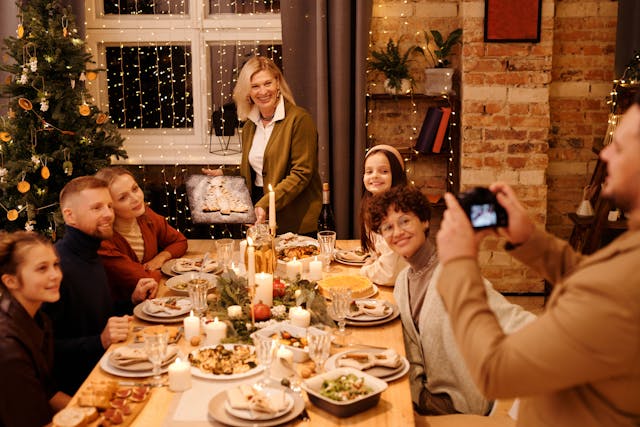
A nap after Christmas dinner is common. It can happen after a large meal, a warm room, and an early start. Post-meal sleepiness often peaks after eating, especially after larger meals, then fades later. That short-lived slump matches the typical food coma story. It does not automatically signal illness. Ongoing fatigue is different. It lasts beyond a day, and rest does not fix it. Health guidance lists feeling very tired or short of breath as possible signs of anaemia, which bowel cancer can cause. Anaemia can develop when slow bleeding continues over time.
People may also notice reduced stamina, paleness, or dizziness. Those signs deserve attention, especially when combined with bowel changes. Dr Jafarov explains the link clearly. He said, “Bowel cancer can cause slow, chronic blood loss, which leads to iron deficiency anemia.” This fatigue does not behave like ordinary sleep debt. It can keep worsening even when you sleep more. If tiredness persists for weeks or appears with bleeding, bowel changes, or weight loss, medical review is sensible.
Stool colour can change for innocent reasons. Beetroot, cranberry sauce, and red food colouring can tint stool red or pink. That can alarm people, then disappear quickly. Dr Jafarov addresses this confusion directly. He said: “Foods like beetroot, cranberry sauce, and even red food colouring can temporarily turn stool red or pink. This usually passes quickly and is not a cause for concern.” The key phrase is “passes quickly.” Persistent blood needs checking, regardless of the season.
Health guidance lists blood in stool and bleeding from the bottom as warning signs. It also urges urgent care for black or dark red stools. Dark red or black stools can signal bleeding higher in the digestive tract. Bloody diarrhoea also needs urgent help. Many cases of rectal bleeding come from non-cancer causes, including haemorrhoids. Yet bowel cancer remains one possibility, so it should never be dismissed without assessment. A clinician can evaluate likely causes and decide on testing. If bleeding repeats, appears mixed through stool, or continues beyond a short period, it deserves medical attention.
Early satiety and unplanned weight loss, and why “getting full fast” can matter

Christmas can change appetite in both directions. Some people graze all day and skip formal meals. Others lose their appetite after repeated heavy dinners. Stress can blunt hunger. Poor sleep can alter appetite signals. A short-lived appetite shift during holidays can be ordinary. Dr Jafarov focuses on early satiety that becomes consistent. He said: “Feeling full unusually quickly, such as after your starters, known as early satiety, can occasionally be linked to conditions that affect the digestive system, including bowel cancer.” He also warns against ignoring a sustained change.
He said, “While it’s common to feel overstuffed at Christmas, especially if you’ve been grazing on chocolate and snacks all day, a consistent pattern of getting full very quickly, losing your appetite, or unintentionally losing weight should be checked by a doctor.” This is about repeated changes, not one busy day. Health guidance also lists losing weight without trying as a possible bowel cancer symptom. That symptom can come from other conditions, too. Yet unexplained weight loss always deserves assessment. If early satiety and weight loss appear together, clinicians take that seriously. If they appear with bowel changes, bleeding, or persistent bloating, the case for review becomes stronger.
Read More: Why Eating More Processed Meat Increases Your Risk for Serious Health Problems
Many people delay because they want certainty before calling a GP. That approach backfires, because symptoms rarely come with labels. The safer method is acting on persistence and combinations. Health guidance uses the 3-week rule for symptoms that do not resolve. That guidance exists to catch problems earlier without causing panic. It also helps people who downplay their own discomfort. Screening supports early detection, but it does not replace symptom checks.
National guidance explains that people aged 50 to 74 who are registered with a GP receive a bowel cancer screening home test kit every 2 years. Screening helps find cancer before symptoms appear. If symptoms exist, you should not wait for a kit. You should contact a GP. The stakes are real. Bowel cancer remains one of the leading causes of cancer death in the UK, with around 17,400 deaths each year. Those numbers do not mean most bloating is cancer. They mean persistent symptoms deserve action. A GP visit can provide reassurance, or it can start a path to earlier diagnosis.
Conclusion
Most Christmas food comas are harmless. They usually follow larger portions, longer meals, extra sugar, and more alcohol. Sleepiness and bloating can appear fast, then settle as the gut catches up. Short-term drowsiness after eating fits the typical holiday experience. Dr Fuad Jafarov also stresses that most people should not worry about ordinary post-dinner bloating. He said, “Most people shouldn’t be too worried about post-Christmas dinner bloating, as we tend to overindulge and eat a lot of foods that produce gas.” That is the normal story. The risk comes from persistence and overlap. Bloating that lasts for weeks, bowel changes that stay, fatigue that does not improve, or blood in stool should never be shrugged off.
Dr Jafarov draws that line clearly when he says bowel cancer bloating involves “swelling that doesn’t settle.” He also urges people to listen after the indulgence ends, because earlier detection improves outcomes. Health guidance gives the simplest rule for action: see a GP when symptoms last 3 weeks or more. That sentence exists to stop delay and denial. Christmas should stay joyful. It should not become a month-long excuse for ignoring symptoms. Enjoy the meal, expect some discomfort, and watch the timeline afterward. If your body does not return to baseline, contact a GP. That step can bring reassurance, and it can save lives.
Disclaimer: This information is not intended to be a substitute for professional medical advice, diagnosis or treatment and is for information only. Always seek the advice of your physician or another qualified health provider with any questions about your medical condition and/or current medication. Do not disregard professional medical advice or delay seeking advice or treatment because of something you have read here.
A.I. Disclaimer: This article was created with AI assistance and edited by a human for accuracy and clarity.