
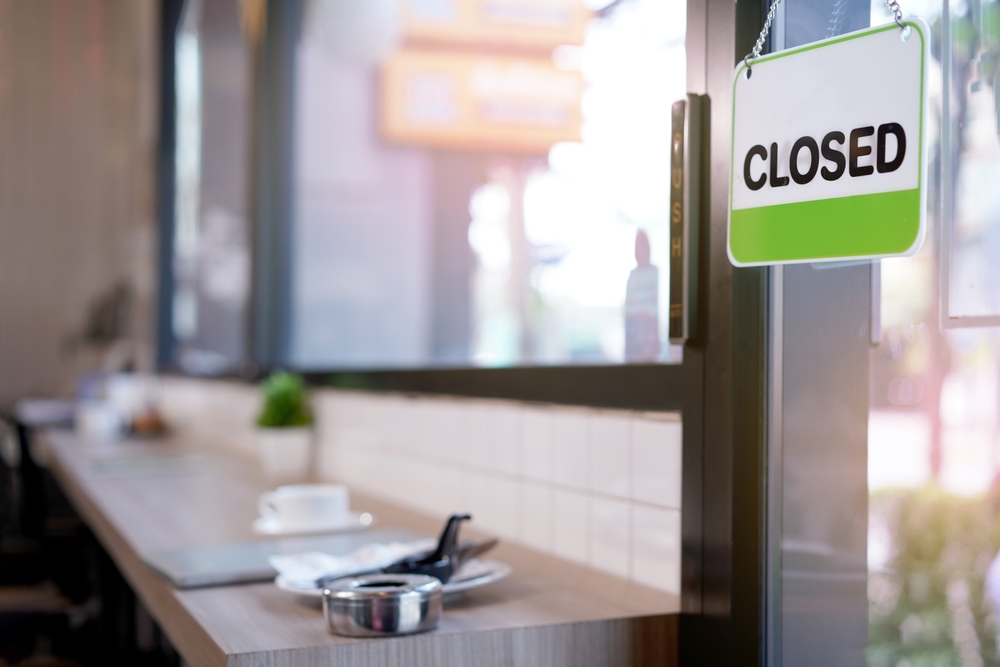
The news landed quietly at first, then spread fast. After almost ninety years in business, K&W Cafeterias shut down every remaining location with almost no warning. For many people, it felt unreal. One day, the doors were open, the next day they were locked. Customers showed up expecting the same meals they had ordered for decades, only to find signs taped to dark windows. Employees learned the truth at the same time as diners, which made the moment even harder.
This was not just another restaurant closing. The chain had served families since the late 1930s. It survived wars, recessions, and major cultural shifts. Because of that history, many assumed it would always be there. The sudden closure came just weeks before the holidays, a time when people depend on steady pay and familiar routines. Instead, workers were left without jobs, and communities lost a place that felt steady in an unsteady world.
A Sudden Ending to an 88-Year Story
At first, confusion took over. Some people thought the closure was temporary. Restaurants close briefly all the time. Others assumed it was another restructuring, like what happened years earlier. But this time was different. The long-running cafeteria chain closed every location at once. There were no reopening plans, no timelines, and no public road map forward.
Many employees say they were shocked by how fast it happened. Some arrived for their shifts only to find the doors locked. Others heard from friends or saw posts online before management contacted them. That lack of notice hurt almost as much as the job loss itself. People expect honesty, especially after giving years of work to one company.
Industry experts say the shutdown was not random, though it felt sudden. The company had been shrinking for years. Locations slowly disappeared, one by one. Fewer customers came through the doors, especially younger diners. The business leaned heavily on loyal regulars, many of them older. That strategy worked for a while, but not forever.
The legacy dining franchise once filled dining rooms every afternoon. Toward the end, some locations felt quieter, even on weekends. Rising food prices and higher rent made survival harder. Still, few expected a full shutdown without warning. That final move made the closure feel harsh, even cold, compared to the warm image the brand spent decades building.
How the Franchise Became a Southern Staple
K&W Cafeterias’ story began in 1937, during a time when Americans needed affordable, filling meals. The cafeteria model made sense then. Customers moved through a line, picked what they wanted, and paid at the end. It was simple, efficient, and welcoming. Over time, the chain expanded across North Carolina and nearby states, building a strong regional identity.
For many families, the restaurant became part of their routine. Sunday lunches after church were common. Seniors met friends there during the week. Parents brought their kids after school events. The food stayed familiar, which mattered more than novelty. Meatloaf, fried chicken, vegetables, and desserts created a sense of comfort that fast food never offered.
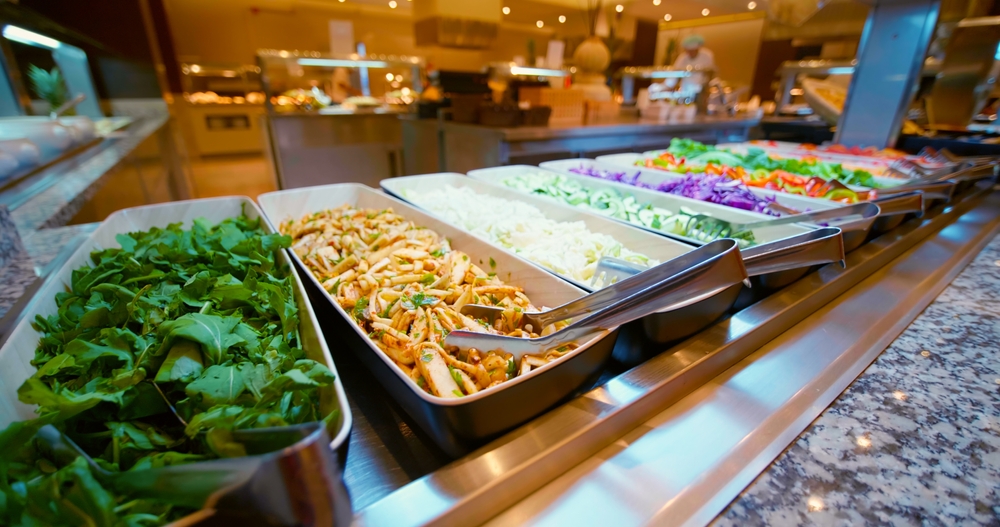
Employees also formed strong bonds with customers. Some workers spent decades behind the counter or in the kitchen. They learned names, remembered favorite dishes, and noticed when someone missed a week. That human connection helped the brand last longer than many competitors. It also explains why the closure feels personal to so many people now.
The Slow Decline of Cafeteria Dining
Cafeteria-style dining did not collapse overnight. It faded slowly, almost quietly, over time. Long before the final shutdown, buffet and cafeteria restaurants faced growing pressure. Dining habits changed, and people started eating on the go more often. Meals needed to travel well in cars, something cafeterias never focused on.
The pandemic made those problems worse. Even after restrictions eased, many customers stayed cautious. Shared serving spaces made people uneasy, even when health risks were low. Perception mattered more than reality. That shift alone drove many diners away for good.
Costs also climbed fast. Ingredients became more expensive, and labor costs rose. Cafeterias require more staff than fast casual places. When customer volume drops, those payroll costs become heavy very quickly. The Southern buffet brand tried to hold prices steady, but margins kept shrinking.
Younger diners also wanted variety and customization. Cafeteria menus change slowly by design. That once felt comforting, but later it felt limiting. As a result, the format struggled to stay relevant, even with loyal customers still showing up.
How Rising Costs Quietly Crushed Traditional Cafeterias
Behind the scenes, rising costs played a major role in the collapse of traditional cafeterias. Large dining rooms require more heating, cooling, and lighting than smaller fast-casual spaces. Utility bills increased steadily, even as customer traffic declined.
At the same time, food inflation hit core cafeteria ingredients especially hard. Items like chicken, beef, potatoes, and fresh vegetables saw sharp price increases. Cafeterias like K&W rely on volume and stable pricing, so even small cost jumps disrupt the balance.
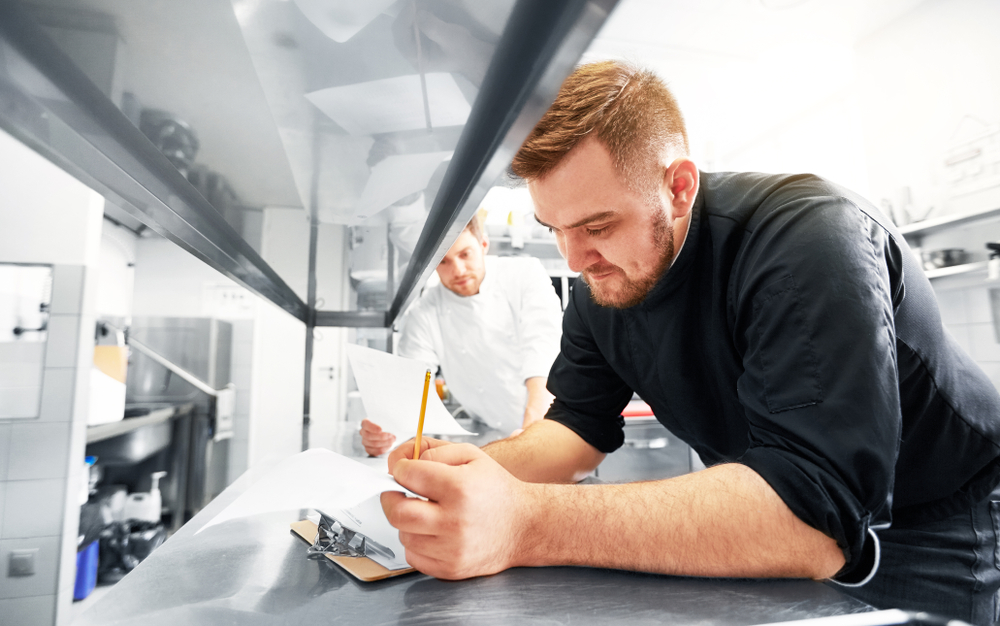
Image credit: Shutterstock.
Rent also rose in many suburban shopping centers, leaving little room to adjust. Unlike newer chains, cafeterias cannot easily shrink menus or reduce staffing without changing their identity. Over time, these pressures quietly made survival harder, even for long-standing brands.
Workers Absorb the Biggest Shock
The closure hit workers hardest. Many depended on steady hours and reliable schedules. Some had worked for the company for decades. They expected to retire there. Instead, they faced unemployment with no notice and no transition period.
The timing made it worse. Losing a job near the holidays creates stress that goes beyond money. Bills do not pause, and rent still comes due. Gifts, travel, and food costs rise. Without warning, families had to rethink everything.
Because the company did not enter bankruptcy, workers worried about unpaid wages and benefits. There was no clear process laid out. Some employees turned to local charities and food banks right away. Others began searching for work in an already competitive market.
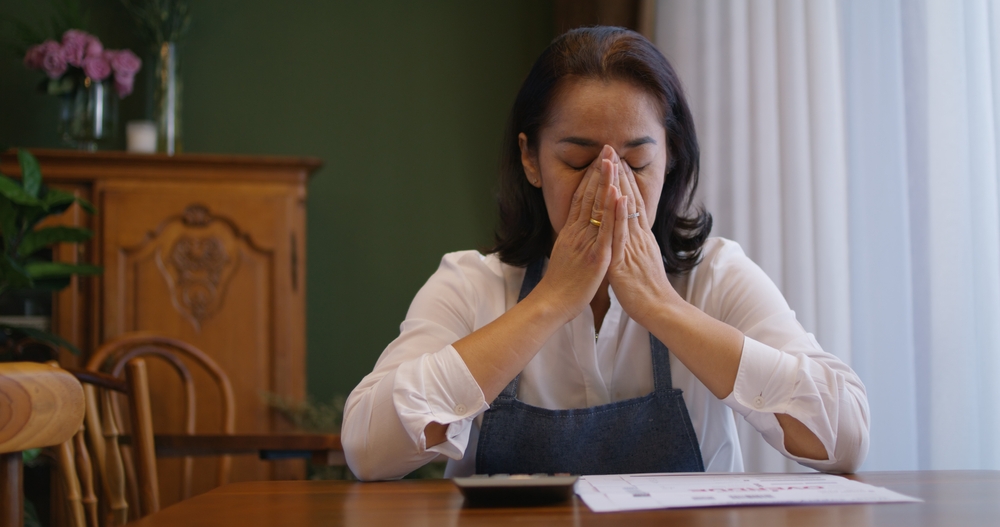
Image credit: Shutterstock.
Despite all this, many former workers spoke with pride about their time there. They shared stories online about coworkers who felt like family. That loyalty says a lot about the workplace culture, even as the ending left many feeling hurt.
Communities Lose More Than a Restaurant
When a long-standing restaurant closes, the loss goes beyond food. In many towns, the cafeteria acted as a social hub. Seniors met friends there weekly. Church groups gathered there after services. Local clubs held casual meetings around shared tables.
Now those routines are gone, leaving small towns to feel the loss more sharply than cities. In some areas, the cafeteria was one of the few sit-down dining options left. Its absence leaves a gap that may not be filled anytime soon.
Local economies also feel the impact. Nearby shops lose foot traffic. Former employees may move away in search of work. These ripple effects do not show up in headlines, but they matter deeply at the community level.
Why K&W Cafeterias Could Not Pivot Fast Enough
Many people ask why the company did not adapt more aggressively. The answer is complex. Large changes require money, time, and risk. The chain already faced shrinking revenue. Investing heavily in new formats or technology may not have been realistic.
Cafeterias also rely on consistency. Radical menu changes or service shifts risk alienating loyal customers. That creates a difficult balance. Change too slowly and fall behind, change too fast and lose the core audience.
In the end, K&W Cafeterias found itself stuck between generations. Older customers loved what it was. Younger customers never fully embraced it. That gap widened every year until the business could no longer sustain itself.
A Broader Pattern Across the Industry
This closure fits into a larger trend. Across the country, legacy restaurant brands struggle to survive. Rising costs, labor shortages, and changing habits affect nearly everyone. Only the most flexible businesses adapt quickly enough.
Fast casual chains scale down staff. Delivery-focused brands reduce dining rooms. Cafeterias, by contrast, depend on in-person volume. When that volume fades, recovery becomes difficult.
Industry analysts note that buffet-style dining may never fully return to its past popularity. Some niche versions will survive, but most will not as the market has shifted too far.
What Comes Next for Former Workers
For employees of K&W Cafeterias, the path forward remains uncertain. Some may find work quickly, especially those with kitchen experience. Others, especially older workers, may struggle longer. Retraining takes time, and service jobs are not always stable.
Community groups have begun offering support in some areas. Churches, nonprofits, and local agencies stepped in to help where possible. Still, those efforts can only go so far.
Remembering What the Brand Represented
Despite the difficult ending, many people choose to remember the good. They remember affordable meals served without pressure or rush. They remember staff who asked about family members and noticed when someone had been away.
For seniors, the cafeteria offered routine and connection. For families, it provided a place where everyone could find something familiar. It was never about trends or presentation. It was about reliability. That mattered more than people realized at the time.
When a place like this disappears, it leaves behind more than an empty building. It leaves a gap in daily life that cannot be easily replaced.
Why the Closure Still Matters
Stability can disappear quickly, even for businesses that feel permanent. An 88-year run creates a sense of safety, both for workers and customers. When that ends suddenly, it shakes trust. It also highlights how economic pressure often lands hardest on hourly workers, not executives or investors.

Communities lose shared spaces that cannot be replaced by apps or drive-throughs. The story is not just about one restaurant. It reflects how tradition struggles when speed and efficiency become the only priorities in a fast-paced world.
Looking Ahead
Former employees will need time, support, and opportunity to rebuild. Some will find new roles quickly, while others may struggle longer. Communities will also adapt, though slowly. New restaurants may move into empty spaces, but they will not replace the same feeling.
The industry will keep shifting toward convenience and automation. That trend seems unlikely to reverse. Still, there is room for businesses that value connection, if they find ways to survive within modern demands.
Closing Thoughts
The end of K&W Cafeterias feels personal because it was personal for so many people. It fed families, supported workers, and gave communities a familiar place to gather. While the doors are closed, the memories remain vivid. People will still talk about favorite meals and familiar faces. Those stories matter. They remind us that businesses are more than profit models; they are part of daily life. Losing one leaves a quiet space that numbers alone can never explain.
Read More: Rite Aid Announces Complete Closure of All Its Stores After Decades in Operation