
Speculation about Donald Trump’s MRI grew because early details were few and far between. The public heard about “advanced imaging” after his October visit to Walter Reed. Yet the purpose was not described clearly at first. That changed on November 30, 2025, aboard Air Force One. Asked what body part was scanned, Trump replied, “I have no idea.” He then added, “It wasn’t the brain, because I took a cognitive test and I aced it.” The next day, the White House said the MRI was a preventive cardiovascular and abdominal imaging. From there, the story split. One part focused on the stated medical reason and reported results. The other part focused on consent norms and clear communication.
The attention did not come only from curiosity. It came from the way the information arrived in fragments. A president’s health updates are always read as signals about capacity, schedule, and stability. When the White House offers partial details, commentators fill gaps with guesses, then those guesses spread fast. This cycle is familiar, but it becomes sharper when a leader’s words add confusion. Trump’s “I have no idea” comment sounded casual, yet it landed in a tense political moment. It also collided with how most patients experience MRI preparation in real settings. The episode, therefore, became a practical case study in two questions. What did the scan target, and why did the explanation change so quickly?
The MRI became a public story in late November 2025
The MRI became news because it entered the public record without a firm explanation. That gap matters for any president. It matters more when the public is already primed to read health updates closely. Modern media incentives reward uncertainty because uncertainty drives attention. Social media then accelerates that attention and hardens opinions quickly. In that context, an MRI can sound alarming, even if it is preventive.
By November 30, 2025, questions surged again, and the setting was hostile to ambiguity. Donald Trump was asked directly what was scanned. He said, “I have no idea,” which made the moment instantly quotable. He also described the results as “perfect” and signaled he would allow release. Politico reported the memo release followed rising criticism and demands for clarity. The Associated Press reported the physician’s summary described the imaging as “perfectly normal.” The rapid shift from uncertainty to detail became part of the controversy.
Trump speaks aboard Air Force One

Trump’s remarks mattered because they mixed confidence with a surprising lack of specifics. When asked what the MRI covered, he said, “I have no idea.” He then pushed back on the most sensitive interpretation. He said, “It wasn’t the brain, because I took a cognitive test and I aced it.” The combination sounded contradictory to many listeners. It also invited headlines about cognition, even though the White House later framed the scan differently.
The line also mattered because MRI preparation is usually specific. Staff need the patient to cooperate with positioning and timing. Patients usually remember the broad region, like the abdomen or chest. They also often remember if contrast dye was discussed. Supporters treated Trump’s confidence as reassuring. Critics treated the “no idea” comment as a red flag about communication. Either way, the story moved from medicine to messaging within minutes. That shift shaped everything that followed.
The White House’s Stance

On December 1, 2025, press secretary Karoline Leavitt delivered a more specific explanation. She said, “As part of President Trump’s comprehensive executive physical, advanced imaging was performed because men in his age group benefit from a thorough evaluation of cardiovascular and abdominal health.” That statement repositioned the MRI as preventive screening. It also aligned with how executive-style exams are often described. Leavitt also said, “The purpose of this imaging is preventative to identify any issues early, confirm overall health, and ensure the president maintains long-term vitality and function.”
Leavitt then presented detailed claims about cardiovascular findings. She said there was “No evidence of arterial narrowing impairing blood flow” and no “abnormalities in the heart or major vessels.” She added that heart chambers were normal and there were no signs of inflammation or clotting. The Associated Press reported the physician concluded the imaging was “perfectly normal.” After that, the debate shifted again. It became less about the findings and more about why the explanation arrived only after public pressure.
What does an “executive physical” often include
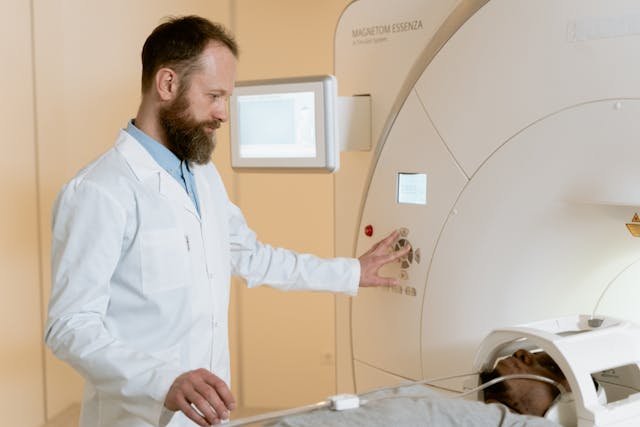
An “executive physical” is a service model, not a diagnosis. These programs often bundle specialty consults and advanced testing into a short visit. They can include scans that most people do not receive in routine primary care. The Associated Press noted preventive MRIs are not standard for everyday care. Yet it also noted these scans can appear in comprehensive executive physical programs. That difference matters because many readers hear “routine” and assume the same thing.
The White House physician framed the imaging as typical for that model. The AP reported Dr. Sean Barbabella said the imaging was “standard for an executive physical” in Trump’s age group. That line helps explain the administration’s emphasis on prevention. Prevention signals a proactive check, not a symptom-driven crisis. Still, executive screening has a long-running medical debate attached to it. Critics argue that broad scanning can find incidental issues that prompt follow-up testing. In this case, the White House reported no follow-up concerns. Yet the broader debate still shaped how people interpreted the scan.
Why did experts question the idea
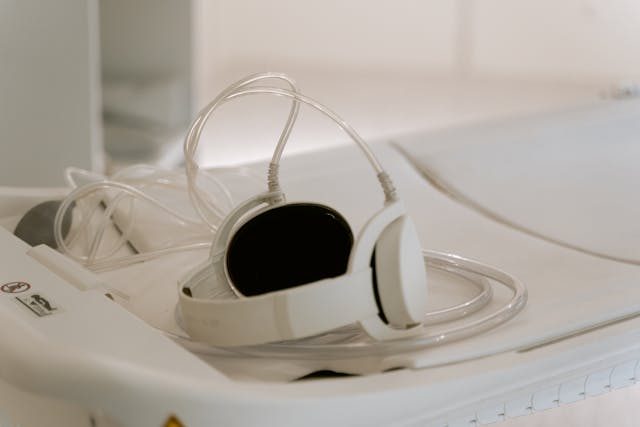
The most disputed detail was not the reported results. It was the claim that the patient did not know what was scanned. Clinicians cannot speak to Trump’s exact encounter. Yet they can speak to standard radiology practice. A 2017 review in the Indian Journal of Radiology and Imaging states, “In broad terms, consent is a method of effective mutual communication between the patient and the doctor.” That framing treats consent as an active communication process, not a passive form.
The same review explains that consent may be implied or explicit, depending on risk. In MRI, safety screening forces communication even in low-risk cases. Patients are asked about pacemakers, metal fragments, aneurysm clips, and implanted devices. They are also told to remove metal items and remain still. If contrast is involved, communication usually increases again. That is why many clinicians said it would be unusual to complete a cardiovascular or abdominal MRI without knowing the general target. The skepticism comes from workflow reality, not from guessing motives.
MRI safety screening
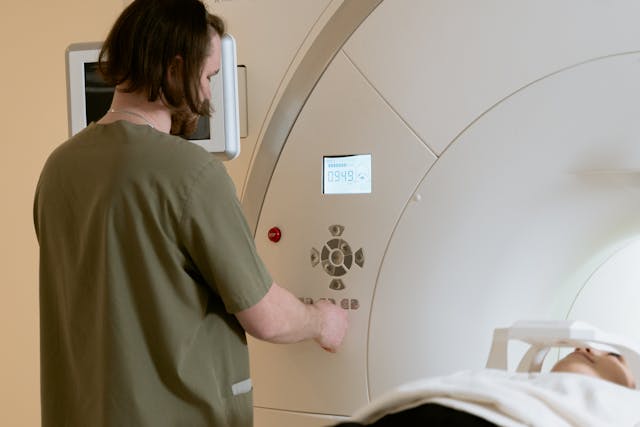
MRI avoids ionizing radiation, which is a major advantage. Yet it still requires strict safety routines. The American College of Radiology provides MR safety resources and publishes guidance used by many imaging sites. The key point is practical. MRI suites rely on checklists because strong magnets create specific hazards. That safety culture makes clear instructions normal, not optional. Patients also receive instructions about noise, movement, and the confined space.
Contrast dye can change the process because it adds another risk assessment step. MedlinePlus says, “The most common type of contrast (dye) used is gadolinium. It is very safe.” It also says, “Allergic reactions are rare but can occur.” MedlinePlus notes, “Gadolinium can be harmful to people with kidney problems who need dialysis.” The FDA has issued safety communications about rare harms linked to gadolinium agents in patients with severe kidney problems. In plain terms, contrast tends to increase explanation and documentation.
The released results
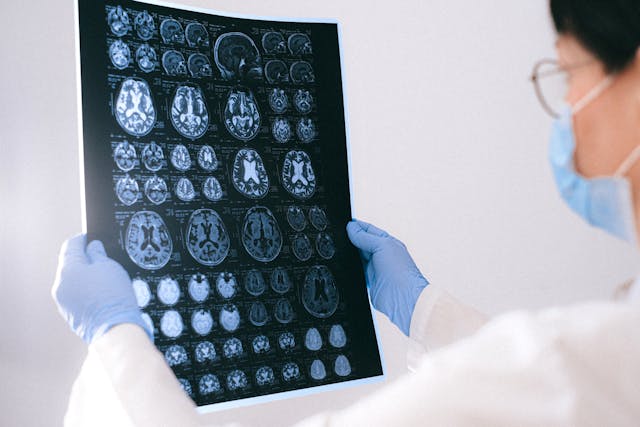
The White House described the imaging as cardiovascular and abdominal screening. It presented the results as normal and reassuring. Leavitt said there was “No evidence of arterial narrowing impairing blood flow” and no “abnormalities in the heart or major vessels.” She also said, “The heart chambers are normal in size,” and there were “no signs of inflammation or clotting.” Those statements read like a simplified summary of imaging findings.
The physician’s memo summary was also described in strong reassurance terms. The Associated Press reported the White House physician concluded the imaging was “perfectly normal.” Politico reported the White House said there were no acute or chronic concerns based on the imaging described. Responsible reading stays narrow. These claims reflect what the White House chose to disclose publicly. They do not include raw images or a full radiology report. That is common with public medical disclosures. It also explains why skeptics asked for more documentation. Still, based on released summaries, the administration framed the MRI as preventive and unremarkable.
Why does presidential medical disclosure become political so quickly

Presidential health sits between private medical rights and public expectations. There is no single disclosure standard across administrations. Each White House chooses its own approach and timing. This MRI episode became political because the timeline looked reactive. Trump made a confusing statement, then the White House released detailed reassurances the next day. That sequence can look like damage control, even when the results are normal.
Politico reported Democrats raised concerns and pressed for more transparency. The Associated Press stressed that preventive MRIs are not typical in standard primary care. That nuance gave both sides room to argue. One side framed the scan as careful prevention. Another side asked what triggered the scan in October. Even with normal findings, the political fight can continue. That is because the office carries risk and authority. In that environment, small messaging errors grow quickly into credibility disputes.
Read More: National Park Service Removes Free Entry on MLK Day and Juneteenth, Adds Trump’s Birthday
MRI consent and patient preparation
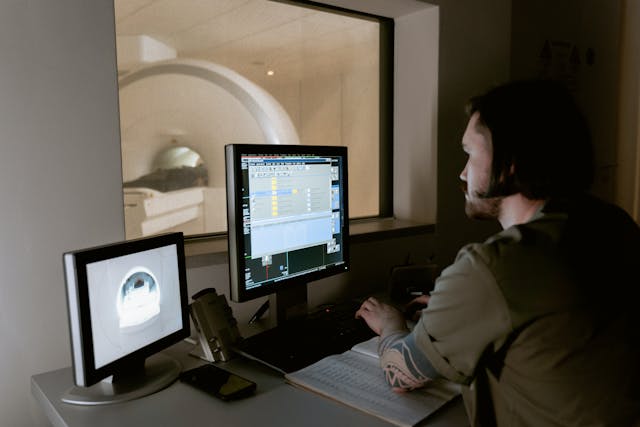
Even a routine MRI involves structured communication before the scan begins. Staff confirm identity, screen for safety risks, and explain what will happen next. MRI magnets create hazards with certain implants and metal objects. The American College of Radiology provides MR safety resources that reflect standard screening priorities. People are typically briefed on the scan’s target area and the expected duration. They are also told what items must be removed and what sensations might occur. This matters because the setup depends on the body region. Abdominal imaging involves different positioning than vascular imaging. Clear instructions also reduce anxiety and improve image quality, because motion can ruin a scan.
Consent becomes more explicit when preparation requirements change. Queensland Health’s MRI consent information says, “You will receive personalised instructions depending on: body part being scanned.” That sentence captures common practice in plain language. The same document explains that instructions can vary based on contrast use and other factors. Radiology literature also frames consent as communication. The 2017 review says consent is “effective mutual communication.” In practical terms, that communication usually makes it hard to reach the scanner without knowing the general target. That is why Trump’s comment drew skepticism from many clinicians.
What this episode suggests about medicine and messaging
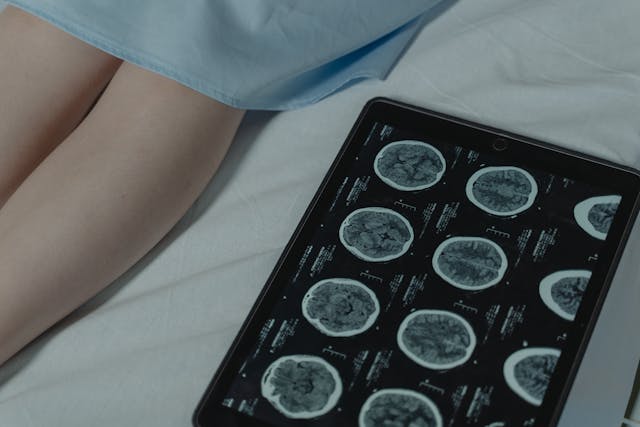
On the medical track, the account is straightforward. Trump received cardiovascular and abdominal MRI imaging during an October Walter Reed visit. The White House framed it as preventive screening for men in his age group. The Associated Press reported the physician’s conclusion that the imaging was “perfectly normal.” Leavitt’s briefing described normal heart chambers and no evidence of narrowing or clotting. If those summaries are taken at face value, the scan did not reveal the kind of problem that demands immediate action. It also suggests the White House believed reassurance was the priority message. The administration emphasized prevention, which implies planning and risk management. That framing usually aims to calm anxiety and limit speculation. Yet it can also raise new questions about what triggered the imaging in the first place.
On the messaging track, the episode was messy and avoidable. Trump said, “I have no idea” what part of his body was scanned. That line clashes with the typical MRI workflow, which relies on screening and clear instructions. Contrast guidance from MedlinePlus and safety warnings from the FDA also show why explanation is routine, especially when kidney risk matters. In the end, Donald Trump’s MRI became bigger than the scan itself. It became a test of clarity, consistency, and trust in official explanations. Once trust erodes, even normal results can sound like spin. That is why timing and plain wording matter as much as the scan.
Disclaimer: This information is not intended to be a substitute for professional medical advice, diagnosis or treatment and is for information only. Always seek the advice of your physician or another qualified health provider with any questions about your medical condition and/or current medication. Do not disregard professional medical advice or delay seeking advice or treatment because of something you have read here.
AI Disclaimer: This article was created with AI assistance and edited by a human for accuracy and clarity.
Read More: How Lego MRI Toys Are Making Medical Scans Less Scary for Children