
For decades, the narrative around breast cancer has been clearly defined: it is primarily a disease of older age, something to be vigilant about after age 50. While crucial, this narrative is rapidly being rewritten by unsettling scientific data. A dangerous trend is emerging from clinics and research labs across the world, forcing oncologists and public health advocates to issue a serious warning: Breast cancer is rising alarmingly in women under 50, and it often presents in its most aggressive forms.
Breast Cancer Rising in Young Women
Image credit: Shutterstock
This is not an isolated phenomenon; it is a shift that challenges the very foundation of current screening guidelines. A recent study, presented at the Radiological Society of North America annual meeting and drawing from over a decade of patient data, laid bare this unsettling truth: nearly one in four breast cancer diagnoses detected at the study’s community imaging centers were in women under the age of 50. This consistent and significant prevalence, where young women, who represent a smaller portion of the screened population, still account for a quarter of the cancers. It confirms a long-term problem that is not going away.
The average age of diagnosis for these patients was disturbingly low, around 42.6 years old. To ignore this trend is to dismiss a crucial window for intervention and survival. Let’s take a look at the surprising incidence rates and dive into the aggressive nature of early-onset breast cancer. Moreover, let’s look at the lifestyle and environmental factors driving this rise, and, most importantly, the urgent need for advocacy and action that every young woman must take today to protect her future.
The Alarming Data: Challenging Age-Based Screening Cutoffs

The study, which reviewed thousands of breast cancer diagnoses over an 11-year period, provides undeniable evidence that age-based screening cutoffs are failing a significant population. Researchers found that women aged 18 to 49 consistently made up to 20 to 24 percent of all breast cancers diagnosed. This finding directly contradicts the implicit assumption that women under 50 are inherently “low-risk.”
Currently, standard screening recommendations often leave a dangerous gap for women in their 20s and 30s. The U.S. Preventive Services Task Force recommends routine mammography starting at age 40, while the American Cancer Society suggests starting yearly mammograms at age 45 (with an option to start earlier). For millions of young women, breast cancer is already developing, progressing, and being detected long before they are scheduled for their first routine screening.
This data underscores two critical points:
- The High Prevalence: The sheer volume of cases (nearly 1,800 cancers in approximately 1,300 women in the study) proves that early-onset breast cancer is far from rare.
- The Detection Dilemma: A significant portion of these cancers, 59%, were only found because the women presented with symptoms, such as a lump, requiring a diagnostic exam. While 41 percent were found through routine screening (often for women nearing the age of 50), the majority of young women have to find their cancer themselves, often after it has already progressed. This highlights a failure in the current standard of care to proactively find cancer in this age group.
The consensus among leading breast imaging specialists is clear: we cannot rely on age alone to decide who should be screened. This data strengthens the case for earlier, risk-tailored screening approaches that take into account a woman’s personal and family history, even in her 20s and 30s.
A More Aggressive Enemy: Why Early-Onset Cancer is Different
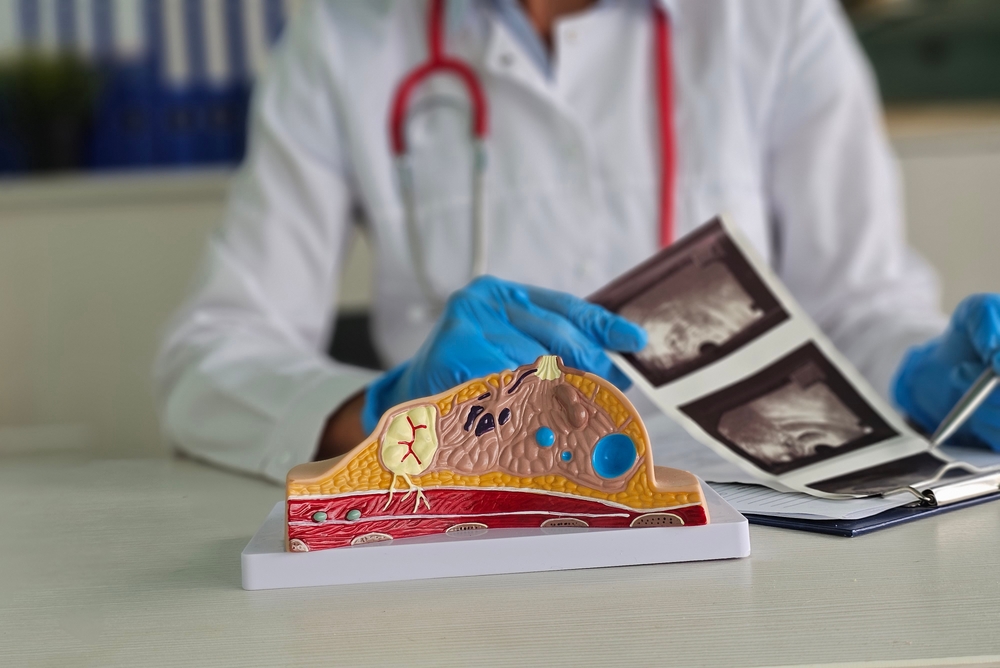
If the rising incidence rate wasn’t concerning enough, the biological profile of these early-onset tumors adds a layer of urgency. Cancer diagnosed in younger women tends to be disproportionately aggressive, making it harder to treat and often resulting in worse outcomes compared to post-menopausal women.
The study revealed concerning tumor characteristics among the younger patients:
High Rate of Invasiveness
Over 80 percent of the diagnosed cancers were classified as invasive, meaning the malignant cells had broken out of the milk ducts or lobules and invaded surrounding breast tissue. Once invasive, the risk of the cancer spreading to lymph nodes and other organs (metastasis) increases significantly.
High-Grade Tumors
Approximately one-third of the tumors were designated as high-grade. Tumor grading refers to how abnormal the cancer cells look under a microscope and how quickly they are multiplying. High-grade tumors are fast-growing and more likely to spread quickly, demanding immediate and aggressive treatment.
Triple-Negative Threat
Nearly 9 percent of the cancers were identified as Triple-Negative Breast Cancer (TNBC). TNBC is arguably the most challenging type of breast cancer to treat because it lacks the three receptors (estrogen, progesterone, and HER2) that are targeted by the most common hormone-based and biological therapies. Treatment for TNBC is often limited to chemotherapy, surgery, and radiation, and it carries a higher risk of recurrence and a worse prognosis. The fact that this aggressive subtype makes up a substantial percentage of young women’s diagnoses is a serious public health issue.
This combination of steady, substantial incidence and aggressive tumor biology means that when breast cancer strikes a younger woman, it is often a rapidly progressing and high-stakes battle. This demographic needs more than just better screening; they need better risk assessment to catch these fast-moving tumors at the earliest possible stage.
Unraveling the ‘Why’: Modern Life and Rising Risks

The increase in early-onset cancer is too dramatic and consistent to be explained solely by better detection methods. Experts widely believe that modern lifestyle factors and widespread environmental exposures overlap to create a perfect storm of risk. Understanding these factors is key to prevention and advocacy.
1. The Shifting Hormonal Landscape

Changes in reproductive patterns and biological milestones over the last few decades have significantly altered women’s lifetime exposure to hormones, which are key drivers of breast cancer development. The first of these is earlier puberty. Girls are entering puberty earlier than ever before. Starting menstruation earlier exposes breast tissue to estrogen for a longer duration of a woman’s life. The second of these is later pregnancies and fewer children. Having a first full-term pregnancy later in life (after age 30) or choosing not to have children increases lifetime breast cancer risk. Pregnancy and breastfeeding are protective factors, as they cause breast tissue to fully mature, making it less susceptible to malignant changes.
Finally, there is the factor of oral contraceptives and hormone therapy. While the risks are small and often debated, some studies have linked certain hormonal birth controls and post-menopausal hormone replacement therapy (HRT) to an elevated risk of breast cancer. Any woman, of any age, considering using these should first have a breast cancer risk assessment done by their doctor to better understand their risk.
2. Lifestyle Factors: Diet, Weight, and Alcohol

Image credit: Shutterstock
Several modifiable lifestyle factors are contributing to the rising numbers. The first of these is obesity and body weight. Increases in body weight and obesity, particularly post-adolescence, are strongly associated with higher breast cancer risk. This is especially for post-menopausal women, but the impact on younger women is also significant. Fat tissue produces estrogen, and having excess fat cells increases chronic inflammation, both of which can fuel cancer growth.
Alcohol use is the second factor. Research has consistently shown that consuming even small amounts of alcohol can increase a woman’s risk of hormone-receptor-positive breast cancer. The cumulative effect of increased alcohol consumption among younger generations is a plausible contributor to the rising incidence. Finally, physical inactivity and diet are fairly prominent contributors. A sedentary lifestyle and a diet high in processed foods and saturated fats, particularly during childhood and adolescence, are linked to higher cancer risk later in life.
3. The Invisible Threat: Environmental Exposures

Perhaps the most insidious risk factor is the ubiquitous presence of environmental toxins, particularly Endocrine-Disrupting Chemicals (EDCs). These chemicals mimic or interfere with the body’s natural hormones, primarily estrogen. They are found everywhere: in plastics (BPA and phthalates), cosmetics, flame retardants, cleaning products, pesticides, and certain food packaging.
Early-life exposure to them is one of the biggest threats to cancer development later on. Scientists, including those at the Silent Spring Institute, emphasize that early-life exposure (including in utero) to EDCs may set the stage for cancer development decades later. The breast tissue is rapidly developing during these critical windows, making it highly vulnerable to chemical interference. The Silent Spring Institute has identified over 900 chemicals in common products relevant to breast cancer causation, underscoring the scale of this environmental problem.
Finally, antibiotics and infections are also contributing factors. Early-life antibiotic use and certain infections have also been pointed to as potential early-life factors. They could disrupt the microbiome and immune system in ways that influence long-term cancer risk.
Section on Advocation: Turning Alarm into Action

The scientific findings are a mandate for systemic change. Addressing the rising incidence of aggressive breast cancer in young women requires advocacy on three crucial fronts: medical policy, physician education, and self-advocacy.
1. Advocating for Policy Change: Risk-Based Screening
The most pressing advocacy goal is to dismantly the strict, age-based screening cutoffs that leave women under 40 in a diagnostic void. Advocates must pressure medical organizations and insurance companies to mandate comprehensive risk assessment for all women starting in their mid-twenties. This assessment should go beyond just family history, incorporating calculated lifetime risk, genetic testing recommendations, and lifestyle factors. Women identified as high-risk, marked as a 20% to 255 or greater lifetime risk, have the BRCA mutations, or a history of chest radiation, should automatically be covered for annual supplemental screening. This should include a breast MRI, typically starting at age 25 or 30. Advocacy ensures these expensive, life-saving tools are accessible, not optional. Finally, there needs to be a significant increase in funding specifically for research into the biology, risk factors, and treatment of early-onset and aggressive breast cancers. This includes the triple-negative subtypes.
2. Advocating for Physician Education
Primary care physicians and gynecologists are often the first, and sometimes the only, line of defense for young women. We need to eliminate the “too young” bias. Advocacy should involve training healthcare providers to overcome the clinical bias of thinking “she is too young for breast cancer.” When a young woman reports a symptom, such as a lump, pain, or skin change, it must be taken seriously and investigated immediately with diagnostic imaging, regardless of her age. Physicians must also be proactive in educating their young patients about breast self-awareness and the symptoms that warrant a visit. They must emphasize that persistent symptoms must be worked up and not dismissed as hormonal changes.
3. Self-Advocacy: Speaking Up for Your Health

For the individual woman, advocacy begins with her own voice in the doctor’s office. Know your family history. This includes cancers on both sides of the family, the type of cancer, and the age of diagnosis. Understand your own personal risk factors, such as a first period at a young age, pregnancy history, past radiation, and your own lifestyle factors. If your doctor suggests that you are too young for concern, demand a risk assessment. If you feel a lump or notice a persistent change, be firm about needing diagnostic imaging. If you are denied, seek a second opinion at a dedicated breast center. Finally, join the conversation. Support organizations focused on breast cancer in young women and environmental health, helping to amplify the message that current guidelines are outdated and dangerous.
Read More: New Study Reveals Unexpected Connection Between Hair Graying and Cancer Risk
Protecting Yourself: Practical Steps and Vigilance
While systemic change takes time, every woman can take immediate, proactive steps to monitor her body, reduce her controllable risk factors, and ensure she is screened appropriately.
1. Master Breast Self-Awareness

Since the majority of early-onset cancers are found by the women themselves during a symptomatic visit, being vigilant about changes is the most critical protective measure. Breast self-exams are less about rigid monthly procedures and more about knowing what is “normal” for your body.
Symptoms Young Women Should Watch For and Report Immediately:
- A New Lump or Thickening: This is the most common symptom. It can be in the breast or the armpit area.
- Changes in Size or Shape: A sudden or noticeable change in the size or contour of the breast.
- Nipple Changes: A nipple that suddenly turns inward (inversion), or discharge that is not milk and occurs without squeezing.
- Skin Changes: Persistent redness, swelling, dimpling (like an orange peel texture), or darkening of the skin. Note: In women with brown or Black skin, redness may appear purple or darker than the surrounding skin.
- Surface Irritation: Peeling, scaling, crusting, or flaking of the skin on the nipple or breast.
- Persistent Pain: While breast pain is common, persistent pain in one spot that doesn’t fluctuate with the menstrual cycle should be evaluated.
2. Take Control of Modifiable Risks

Image credit: Shutterstock
Adopting a preventative lifestyle can mitigate many of the risk factors contributing to the rise in incidence.
- Maintain a healthy weight: Focus on a balanced diet rich in fruits, vegetables, and whole grains. Aim for a healthy weight, especially in early adulthood.
- Limit alcohol: The recommendation was no more than one alcoholic drink per day, however, recent findings show even that is far too much.
- Stay active: Engage in at least 150 minutes of moderate-intensity or 75 minutes of vigorous-intensity aerobic physical activity each week. Exercise is a potent regulator of hormones and inflammation.
- Minimize environmental exposures:
- Filter your water.
- Choose cleaning products, cosmetics, and personal care items free of EDCs.
- Avoid heating food in plastic containers or using plastic wraps, especially in the microwave, to limit EDCs from leaching into food.
3. Seek a Professional Risk Assessment
If you are in your 20s and 30s, talk to your doctor about your lifetime breast cancer risk. Don’t wait until you are 40. Discuss your family tree, any known genetic mutations, and your reproductive history. This conversation is the most powerful tool you have to move beyond outdated, age-based screening and toward a personalized, proactive screening plan that could save your life.
The Bottom Line

The data is an undeniable wake-up call: the burden of breast cancer on young women is significant, steady, and severe. Where current guidelines see low risk, scientists are finding fast-growing, aggressive tumors that strike women in the prime of their lives. To address this crisis, a cultural and medical shift is required. We must transition from a reactive, age-based screening model to a proactive, risk-tailored approach. Advocacy is essential to ensure that every young woman is educated about her risk and given access to the screening she needs. For the individual, the path forward is vigilance: knowing the symptoms, minimizing controllable risks, and demanding a thorough risk assessment from her healthcare provider. Breast cancer may be a formidable foe, but with awareness, advocacy, and action, we can empower the next generation of women to detect it sooner, treat it more effectively, and ultimately, survive.
Disclaimer: This information is not intended to be a substitute for professional medical advice, diagnosis or treatment and is for information only. Always seek the advice of your physician or another qualified health provider with any questions about your medical condition and/or current medication. Do not disregard professional medical advice or delay seeking advice or treatment because of something you have read here.
Read More: These Foods Could Be Fueling the Surge in Early-Onset Colorectal Cancer Among Women