
Imagine choosing earth over concrete, quiet over chaos, and self-reliance over city living. That is exactly what one woman did when she decided to build her own underground villa. Instead of following the traditional path of mortgages, neighbors, and noisy streets, she dug into the soil and created something extraordinary. Her decision was about more than just finding shelter. It was about proving that freedom, creativity, and sustainability could meet in one remarkable home. With nothing more than simple tools and determination, she began shaping a house from the ground down. The project became a symbol of both resilience and possibility.
Digging Deep: From Plot to Shelter
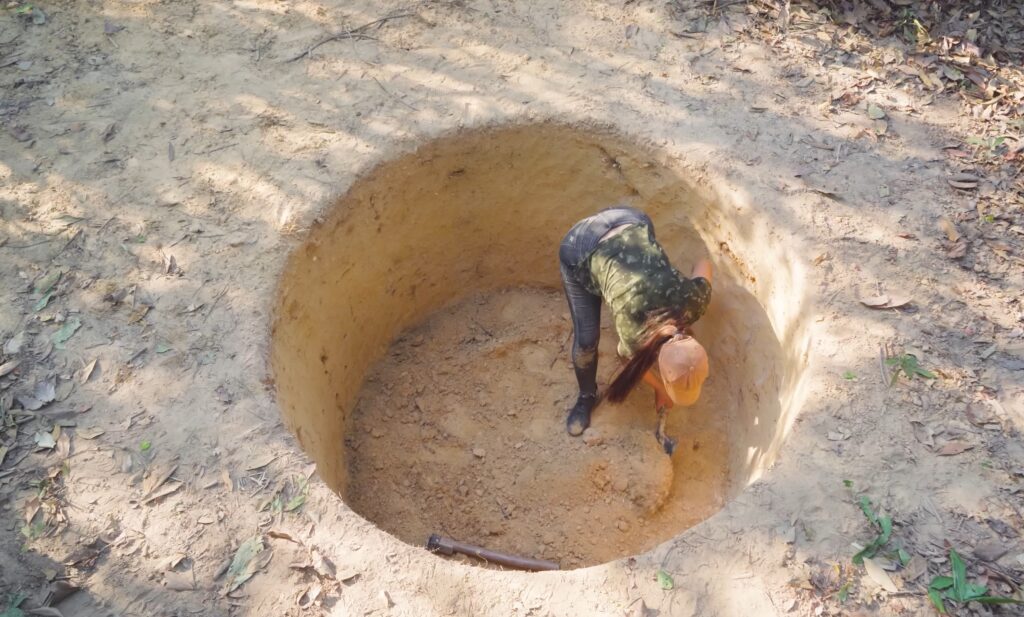
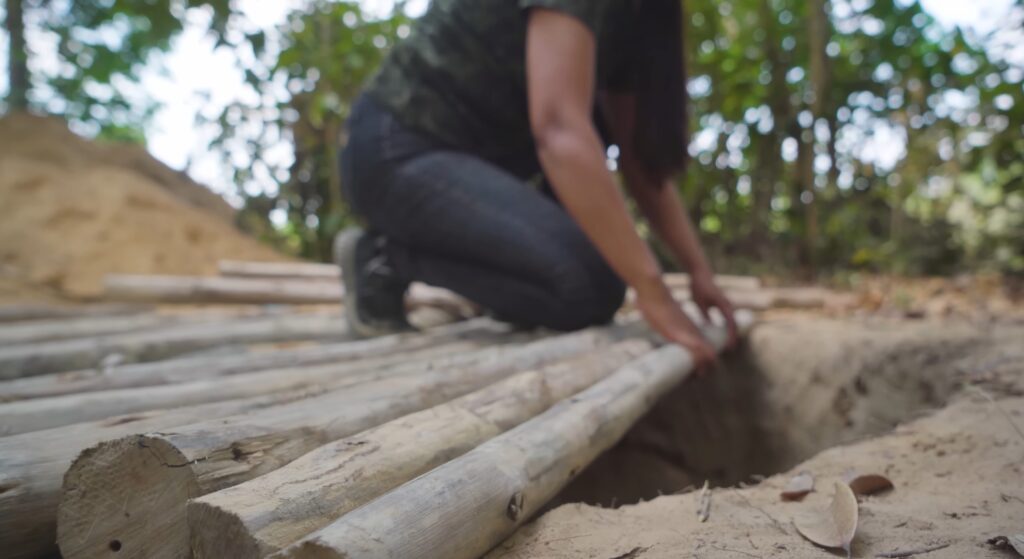
The work began with a shovel, sweat, and a strong vision. Day by day, she chipped away at the soil, forming a foundation that would one day become her home. This was no easy task, but her perseverance carried her forward. Rocks, dirt, and heavy earth gave way to her persistence. She salvaged stones, logs, and natural materials from her surroundings to support her design. Each piece fit into the bigger picture, transforming raw land into shelter. Through the hard labor, she learned that progress was slow but deeply rewarding.
Let There Be Light: Openings and Ventilation
An underground home could easily feel dark and damp, but she was intentional about design. She carved openings in the walls and roof to allow natural sunlight to filter through. These clever placements brightened the interior and created a calming atmosphere.
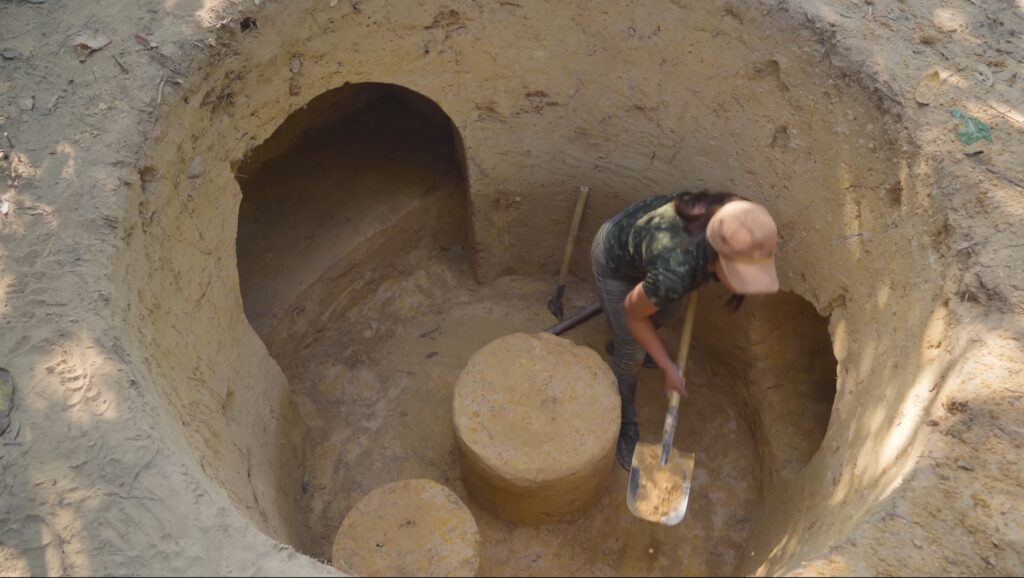
Ventilation shafts helped circulate fresh air, preventing the stuffiness often associated with underground spaces. By combining natural light with smart airflow, she made her home feel welcoming rather than closed off. It was a simple yet effective solution, turning a potential challenge into a strength. Her villa balanced comfort with practicality in a way that felt almost seamless.
Creating a Home: Layout and Comfort
Inside, the villa slowly transformed from a hollow space into a true home. She set aside areas for cooking, sleeping, and relaxing. A small wood-burning stove became the heart of her kitchen, providing both heat and a reliable way to prepare food.
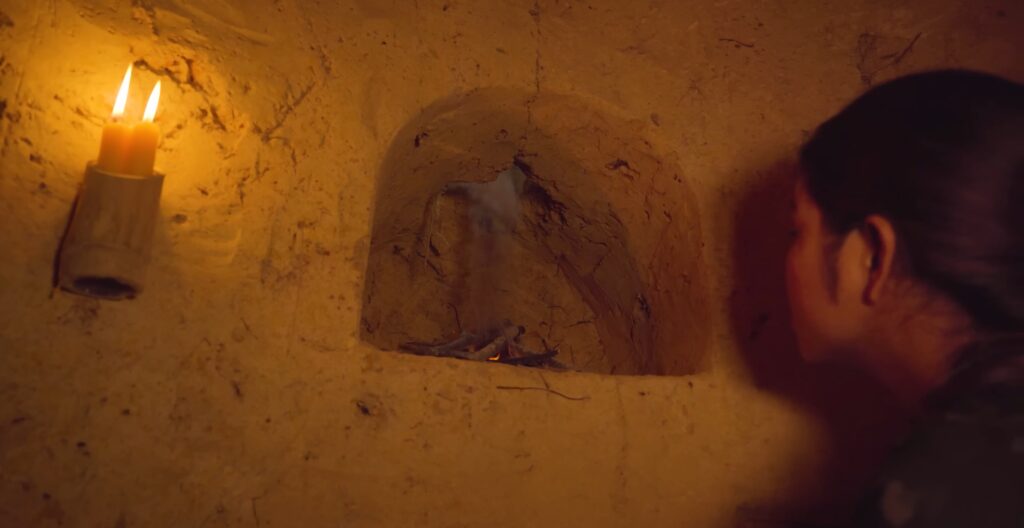
A cozy sleeping nook tucked further inside kept her warm and sheltered from outside noise. She used natural textures, earthy tones, and wooden accents to decorate, giving the space a rustic yet inviting feel. Despite its simplicity, the home carried an undeniable charm. Every room reflected her personality and independence.
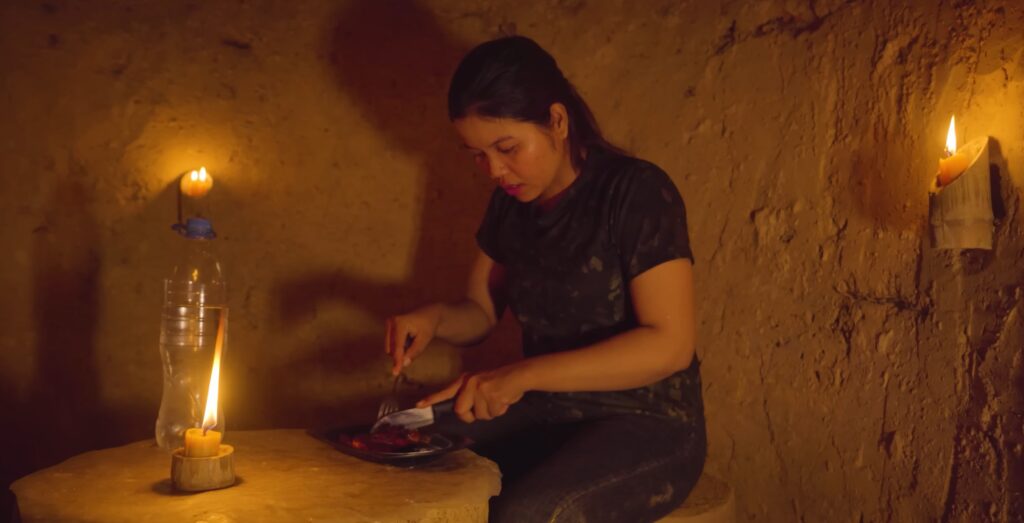
Reflections from Below
As her underground villa neared completion, she took time to reflect on the journey. Living off the grid brought challenges that most people never face. Every choice required problem-solving and every mistake demanded a fix.
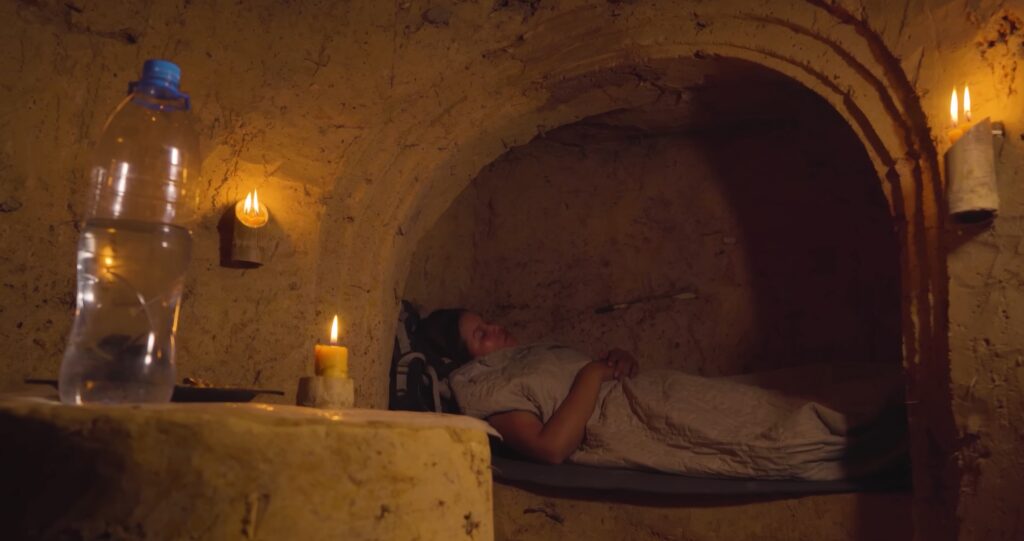
Yet those difficulties made the successes even sweeter. She found joy in knowing her home was built by her own hands. The villa was not only a shelter but also proof of her resilience and creativity. Through the process, she grew closer to the land and gained a deep respect for the lifestyle she had chosen.
Not Just a Home, But Inspiration
Her underground villa became more than a personal project. It turned into a source of inspiration for anyone curious about simple, sustainable living. She showed that with vision and persistence, even ordinary tools can create something extraordinary. Her story challenges the idea that beautiful homes must come with expensive budgets or endless resources. Instead, she demonstrated the power of resourcefulness and determination. For many, her villa is a reminder that another way of living is possible. It is not just about walls and roofs but about freedom and choice.
How to Begin Your Own Off-Grid Life: A Beginner’s Guide
The story of this villa sparks a question many people quietly wonder: could I live off the grid too? While not everyone will dig an underground villa, starting an off-grid lifestyle is absolutely possible. Here are practical steps for beginners who want to explore this path.
1. Choose Your Vision and Site
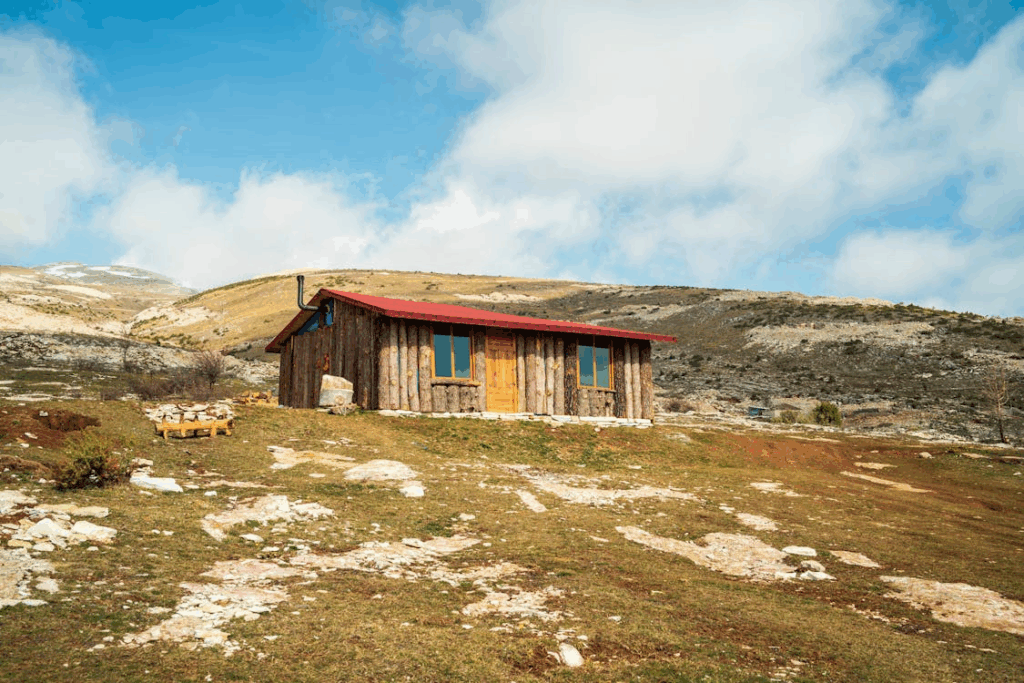
Start by asking what kind of off-grid life appeals to you. Some people want a cabin in the woods, others imagine a tiny home, a yurt, or even a converted van. Once you know your vision, search for land or a location that makes sense. Privacy, accessibility, and legal permissions all matter. Check local regulations before you start building. This prevents future headaches and ensures you can live without constant interruptions.
2. Learn Through Small Steps
Going fully off-grid all at once can feel overwhelming. Instead, begin with small projects. Try growing your own vegetables, setting up a rainwater collection barrel, or learning how to cook on a wood stove. These skills build confidence and prepare you for bigger changes. Every small success adds to your ability to live independently. By practicing now, you make future transitions easier and less stressful.
3. Gather Materials Wisely
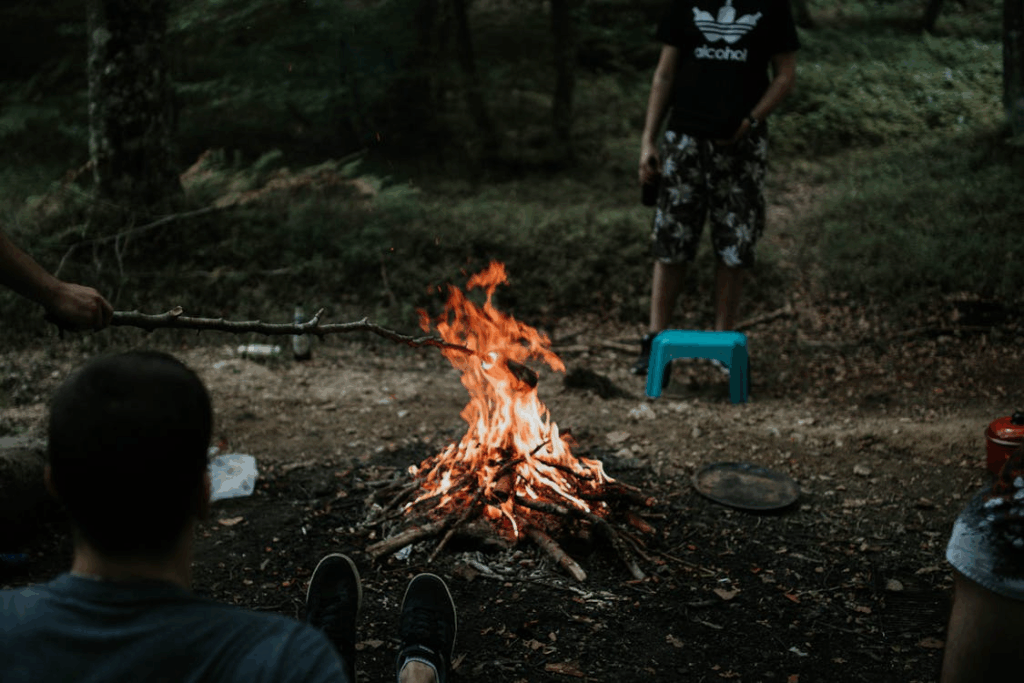
Off-grid living often means using what you already have or what nature provides. Look for reclaimed wood, leftover bricks, or stones from the land. Many people find supplies through salvage yards, second-hand shops, or even local giveaway groups. The key is creativity. Building with recycled or natural materials reduces costs and gives your project unique character. Just like the woman who built her villa, you can turn scraps into treasures.
4. Power, Water, and Heat
Survival and comfort come down to three essentials. For water, rain collection systems are a popular starting point. A simple barrel and filter can provide clean water. For power, solar panels are the most common off-grid option, but small wind turbines or micro-hydro setups may also work. For heating and cooking, a wood-burning stove remains practical, affordable, and effective. These systems keep you comfortable without relying on the grid.
5. Design with Nature in Mind
Instead of fighting the elements, use them to your advantage. Place windows and doors where they catch sunlight for natural heat. Add skylights or sun tunnels if you are building underground or earth-sheltered. Good airflow prevents dampness and keeps spaces fresh. Use slopes, hills, or natural features to your benefit. By working with nature, you reduce effort and maximize efficiency.
6. Build in Phases
Do not expect to create your dream home overnight. Start with a simple structure that provides basic shelter. Over time, add more rooms, storage, or energy systems. Building in phases spreads out both the work and the expense. It also gives you time to adapt and learn as you go. Each stage will feel like an achievement, keeping motivation alive.
7. Find Community and Support
Living off-grid does not mean living alone. Many communities and groups support this lifestyle. Look for local workshops on natural building, permaculture, or renewable energy. Join online forums where people share advice and tips. Even if your home is remote, having a support network makes the journey less isolating. Knowledge shared by others can save you time and frustration.
8. Embrace Simplicity
Off-grid life often involves cutting back on unnecessary complexity. Smaller homes, multi-purpose tools, and fewer appliances make life easier. Instead of a refrigerator, some people use coolers or root cellars. Instead of multiple machines, a single wood stove can cook, heat, and even dry clothes. The simpler your setup, the more reliable and manageable it becomes. With less clutter, you also create space for peace of mind.
9. Prioritize Safety and Legality
Safety should never be overlooked. Reinforce your structures, ventilate your stoves, and use electrical systems carefully. Even remote homes must meet certain building codes in many areas. Staying within regulations avoids conflicts and ensures your project is long-lasting. Prioritizing safety protects not only you but also anyone who visits or helps with your home.
10. Stay Connected to Your Purpose
Every choice you make should connect back to your reason for living off the grid. Whether it is financial freedom, environmental sustainability, or simply peace of mind, let that purpose guide you. When challenges come, remembering why you started will keep you going. Your off-grid journey is not just about survival, it is about building a life aligned with your values. That is what makes it truly rewarding.
A Life Shaped by Courage and Earth
The underground villa stands as more than a clever project. It is living proof that courage and imagination can carve beauty out of the soil itself. This woman chose self-reliance over convenience, and in doing so built a sanctuary that reflects both strength and simplicity. Her story is not about escaping the world but about reconnecting with it on her own terms. For anyone dreaming of a different path, her journey is a reminder that freedom begins with one bold step. Living off the grid is not only possible, it is a way to shape a life that feels deeply authentic.
Read More: Households Advised to Hang Broken Eggshells in Garden for a Very Specific Reason
Disclaimer: This article was created with AI assistance and edited by a human for accuracy and clarity.