
Cosmetic procedures have moved from celebrity gossip columns into everyday life. Today, teachers, accountants, and grandparents are scheduling consults, and the most common plastic surgery procedures are tracked almost like global economic indicators. The International Society of Aesthetic Plastic Surgery (ISAPS) now estimates that about 37.9 million aesthetic procedures were performed worldwide in 2024, combining surgery and minimally invasive treatments.
Researchers who work with these global databases see a clear pattern. As Triana and colleagues note in a 14-year analysis of ISAPS data, “during the past decade, a steady increase in aesthetic procedures has been observed,” with growth especially strong since 2021. That growth is driven by a mix of social media, aging populations, rising incomes, and a huge menu of options, from liposuction and eyelid surgery to Botox and fillers. Understanding which procedures dominate globally, and why, helps people weigh not only beauty trends but also health, safety, and mental well-being.
Global demand for cosmetic procedures keeps climbing
ISAPS commissions an independent research firm, Industry Insights in the United States, to run its annual global survey of aesthetic procedures, led by data scientist Scott Hackworth. The 2024 report estimates 37.9 million surgical and non-surgical aesthetic procedures worldwide, up about 40% compared with 2020 and continuing the steep rise seen since the pandemic era. Triana’s analysis of 2023 survey data found 34.9 million procedures that year, including 15.8 million surgical operations and 19.1 million non-surgical treatments, confirming that minimally invasive procedures now outnumber surgery.
ISAPS highlights that a small group of operations dominate the surgical side. Across many years of data, “the top five surgical procedures were liposuction, breast augmentation, eyelid surgery, abdominoplasty, and rhinoplasty,” and this pattern has remained strikingly stable. At the same time, the 2024 survey shows botulinum toxin, hyaluronic acid fillers, hair removal, non-surgical skin tightening, and chemical peels as the most common cosmetic procedures overall when non-surgical treatments are included. These numbers show that cosmetic medicine is no longer niche, but a large and growing branch of healthcare that blends surgery with dermatology and injectable treatments.
Surgical versus non-surgical: different paths to the same goal
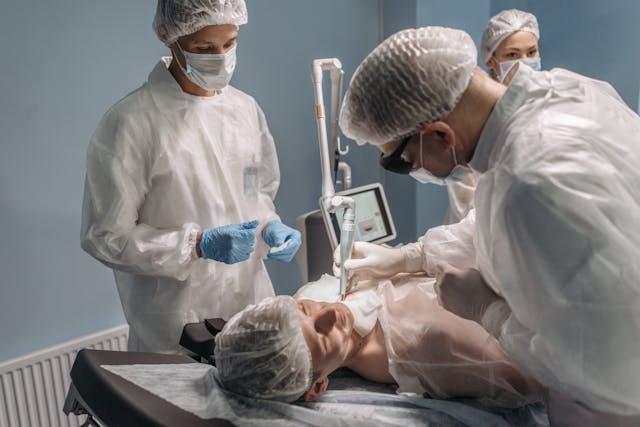
When people talk about the most common plastic surgery procedures, they often picture operating rooms and long recoveries. Globally, however, non-surgical treatments now account for the majority of aesthetic interventions. ISAPS data for 2023 recorded more than 19.1 million non-surgical procedures compared with 15.8 million surgical procedures, and non-surgical volumes have risen especially fast during the past 4 years. These include injections, lasers, and energy-based devices that promise noticeable but usually temporary changes.
On the non-surgical side, botulinum toxin stands in a category of its own. ISAPS reports that botulinum toxin remained the most common non-surgical procedure worldwide in 2023 and 2024, with around 8 to 9 million treatments per year, followed by hyaluronic acid fillers and laser or light-based hair removal. A global consensus paper led by Sundaram in the journal Plastic and Reconstructive Surgery concludes that “botulinum toxin type A injection remains the leading nonsurgical cosmetic procedure worldwide, with a high rate of efficacy and patient satisfaction.” Non-surgical procedures, therefore, dominate statistics for the most common cosmetic procedures, even while classic operations like liposuction and breast augmentation remain central to plastic surgery practice.
Liposuction: body contouring at the top of the list
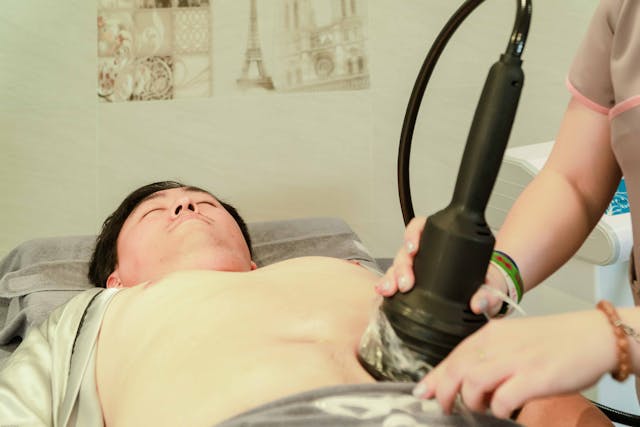
Across many countries, liposuction has become the workhorse of aesthetic surgery. Earlier ISAPS surveys showed liposuction as the most common surgical procedure worldwide, with more than 2.3 million operations in 2022 and continued dominance in subsequent years. In the United States, the American Society of Plastic Surgeons (ASPS) 2023 statistics report also lists liposuction as the number one cosmetic surgical procedure, noting that it has held that position for 3 consecutive years and has increased by about 30% since 2019.
Liposuction is popular because it targets areas where diet and exercise often fall short. ASPS describes it as an “ever-popular procedure” that removes stubborn fat to give smoother contours on the abdomen, thighs, hips, and arms. It is also used in combination with other common plastic surgery procedures, such as tummy tucks and breast lifts, to reshape the body after pregnancy or significant weight changes. Surgeons repeatedly stress that liposuction is not a treatment for obesity, but a contouring tool that can complement lifestyle changes and, for some, boost body confidence after those changes.
Breast augmentation and breast shaping procedures
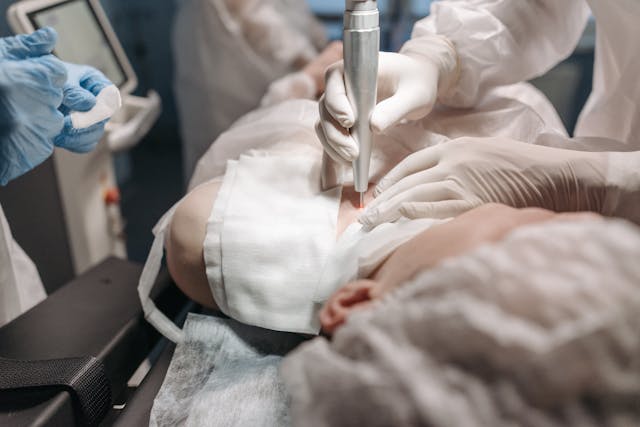
Breast surgery remains a central focus of aesthetic practice. ISAPS global survey data show that breast augmentation, breast reduction, and breast lifts collectively account for several million procedures each year, with breast augmentation consistently ranking among the top 3 surgical procedures worldwide. ASPS statistics for 2023 and 2024 mirror that pattern in the United States, with breast augmentation frequently occupying second place behind liposuction for cosmetic surgeries, and breast lifts and breast reductions also appearing near the top of the list.
Motivations for breast surgery vary widely, from restoring volume after pregnancy or weight loss to addressing long-standing size differences or physical discomfort from heavy breasts. Audit data from the British Association of Aesthetic Plastic Surgeons show breast augmentation and breast reduction among the 5 most popular cosmetic operations for women in the United Kingdom, and report that demand remains strong across age groups. Surgeons also note a shift toward more moderate implant sizes and combined lifting techniques that prioritize proportion over dramatic enlargement. Many patients describe these procedures less as vanity projects and more as functional choices aimed at comfort, clothing fit, and everyday confidence.
Eyelid surgery and rhinoplasty: changing the face first
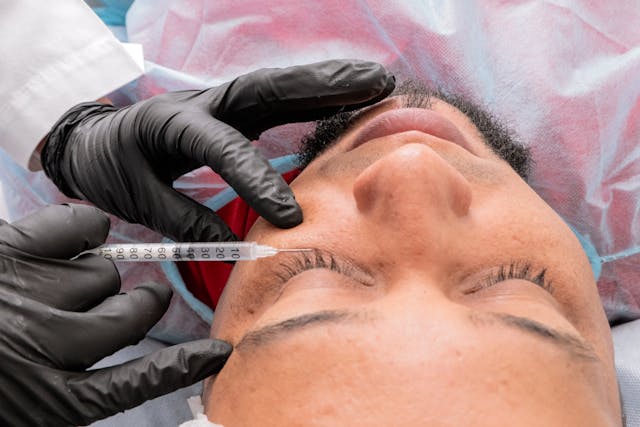
Recent ISAPS surveys highlight a notable shift toward facial surgery worldwide. A 2025 press release summarizing the 2024 data reports that “eyelid surgery ranks as the top procedure,” with more than 2.1 million operations and a 13.4% increase compared with the previous year. Rhinoplasty, or nose reshaping, follows closely, with around 1 million procedures, while facial fat grafting is also growing rapidly. These numbers mean that, in many regions, the most common plastic surgery procedures now center on the upper face, reflecting how strongly people react to what they see on screens and in mirrors.
Country-specific data reveal striking cultural differences. In Iran, for example, reporters using national statistics have described a “tsunami of cosmetic surgery,” with rhinoplasty as the single most popular operation and eyelid surgery also near the top, shaped by local beauty ideals and social pressures. In the United Kingdom, BAAPS reports a 13% rise in blepharoplasty between 2023 and 2024, making it the third most popular surgery there. Surgeons interviewed by media outlets emphasize that eyelid procedures can serve both cosmetic and functional purposes, helping patients look less tired and sometimes even improving peripheral vision, which adds another dimension to their growing demand.
Tummy tucks, body contouring, and post-weight loss surgery
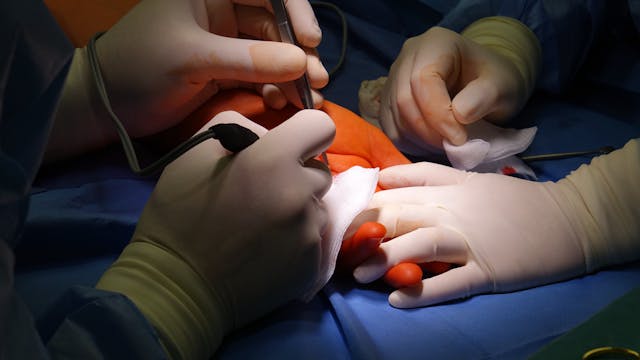
Abdominoplasty, commonly called a tummy tuck, consistently appears in the global top 5 surgical procedures. ISAPS survey analyses list abdominoplasty alongside liposuction, breast augmentation, eyelid surgery, and rhinoplasty as the five most frequent operations across 14 years of data. These procedures remove excess skin and tighten underlying muscles, which is particularly relevant for patients after pregnancy or major weight loss. In many cases, surgeons now combine tummy tucks with liposuction or other body contouring operations to achieve smoother silhouettes.
New weight-loss medications are also influencing the profile of common plastic surgery procedures. Reports discussing ASPS statistics note that the rise of drugs like semaglutide has increased demand for body lifts, arm lifts, and other operations to remove loose skin after rapid weight reduction. For some patients, these surgeries help them feel that their outer appearance finally matches the effort invested in lifestyle change and medical treatment. Surgeons caution, however, that body contouring still carries the usual surgical risks and requires careful planning, realistic expectations, and long-term attention to nutrition and exercise for lasting results.
Botox, fillers, and the most common cosmetic procedures overall
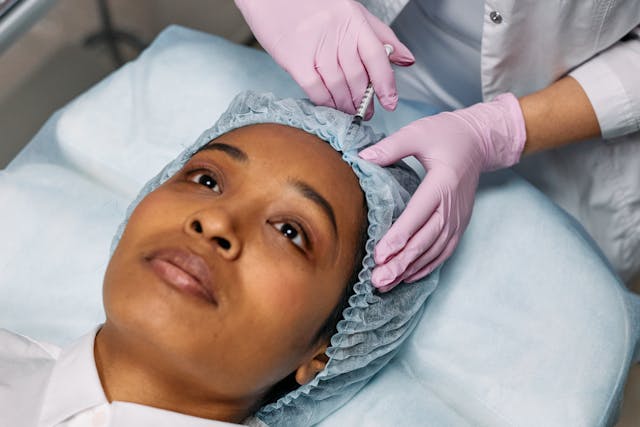
When non-surgical treatments are included, injectables dominate the global statistics. ISAPS 2024 survey highlights show that the top 5 non-surgical procedures worldwide are botulinum toxin injections, hyaluronic acid fillers, hair removal, non-surgical skin tightening, and chemical peels, with botulinum toxin alone accounting for around 7.9 million procedures and hyaluronic acid fillers for about 6.3 million. A summary of the same survey notes that “botulinum toxin remained the most common non-surgical procedure for both men and women, and among all age groups.”
Sundaram’s global consensus paper explains why these injections dominate the list of most common cosmetic procedures. The authors conclude that “botulinum toxin type A injection remains the leading nonsurgical cosmetic procedure worldwide, with a high rate of efficacy and patient satisfaction.” Hyaluronic acid fillers, used for lips, cheeks, and other facial contours, offer soft tissue augmentation with effects that usually last several months. Together, these minimally invasive options appeal to people who want gradual or subtle changes, shorter recovery times, and lower up-front costs compared with surgery, even though maintenance treatments are usually needed.
Who is having plastic surgery? Age, gender, and geography
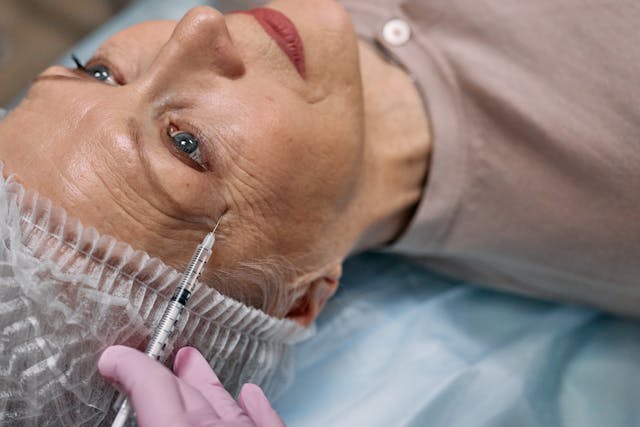
The image of cosmetic surgery as a women-only domain is fading. ISAPS and national audits show that women still account for the vast majority of procedures, but the proportion of male patients is slowly increasing. BAAPS reports that men now account for about 6.5% of cosmetic operations in the United Kingdom, with rhinoplasty, eyelid surgery, and breast reduction (for gynecomastia) leading the list for men. A recent survey from the American Academy of Facial Plastic and Reconstructive Surgery found that 92% of member surgeons treated male patients in 2024, prompting its president, Patrick Byrne, to remark that “men, like women, want to maintain a youthful, healthy and refreshed appearance.”
Geography also shapes which procedures are most common. ISAPS global surveys consistently rank the United States and Brazil among the top countries for total procedure volume, while newer reports highlight growing markets in countries such as Mexico, Colombia, Turkey, and South Korea. Regional breakdowns from ASPS show that Brazilian butt lifts cluster in parts of the southern United States, while coastal regions record higher volumes of facial procedures and breast surgery. These patterns underscore that the most common plastic surgery procedures worldwide do not look identical in every city, but are filtered through local culture, fashion, and health systems.
Why people seek plastic surgery: confidence, culture, and mental health
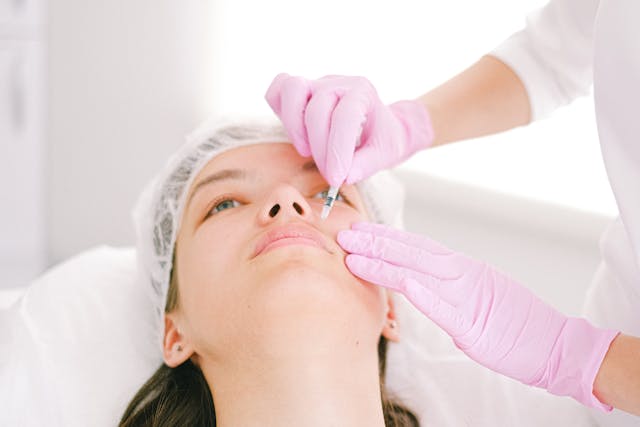
Psychology research shows that motivations for cosmetic procedures are complex. A 2025 review by Garbett and colleagues notes that “low self-esteem, poor body image and appearance anxiety are commonly associated with motivations to undergo cosmetic surgery,” but also emphasizes that social, cultural, and relationship factors play significant roles. A multicenter observational study by Maisel and colleagues in JAMA Dermatology found that “patients’ many motivations for cosmetic procedures include psychological and social goals as well as the desire to appear attractive,” highlighting that people often seek better social confidence or career opportunities, not just a different nose or jawline.
Outcomes are not purely cosmetic either. Narrative reviews in journals such as Aesthetic Surgery Journal describe “improved self-esteem and life optimism” as proven benefits of successful aesthetic surgery for appropriately selected patients, especially when mental health support is included. At the same time, body dysmorphic disorder (BDD) is a serious concern. A recent meta-analysis by Pérez-Buenfil and colleagues estimated that the prevalence of BDD in plastic surgery patients is about 24%, substantially higher than in the general population. These findings are leading more surgeons to collaborate with psychologists, screen for unrealistic expectations, and sometimes decline to operate when surgery would likely worsen distress instead of relieving it.
Safety, medical tourism, and choosing a provider

The popularity of common plastic surgery procedures also fuels a fast-growing global market in medical tourism. Some patients travel abroad for cheaper breast implants, liposuction or tummy tucks, but these trips can carry serious risks. The United States Centers for Disease Control and Prevention issues a clear warning. It states that “infection and post-procedure complications are possible depending on the destination and facility,”. A 2025 review of plastic surgery tourism in Colombia describes growth driven by “demand for high-quality, safe, and affordable procedures,”. The authors also highlight complications that strain local health systems and sometimes overwhelm already stretched public hospitals.
Good outcomes start with basic surgical safety standards and honest, detailed conversations about risks and recovery. The World Health Organization introduced the Surgical Safety Checklist for use in operating rooms worldwide. It describes the checklist as a tool “to decrease errors and adverse events, and increase teamwork and communication in surgery,”. Before any cosmetic operation, experts advise patients to confirm board certification in plastic or reconstructive surgery. They also recommend choosing accredited facilities and asking detailed questions about anesthesia, emergency plans and post-operative follow-up care. CDC guidance for medical tourists urges people to carry records in English and share travel details with doctors at home. That preparation helps local clinicians respond quickly if infections, blood clots or delayed complications appear weeks after surgery.
The future of aesthetic surgery and what it says about us

Image Credit: Pexels
Researchers expect the overall number of cosmetic procedures to keep rising over the next decade. However, the specific mix of the most common procedures will likely shift as new techniques and trends appear. Analysts who track the “social Botox” market predict that non-invasive treatments could more than double by 2032. Yet ISAPS data show that classic operations like liposuction and eyelid surgery still hold their place at the top. Patients therefore choose between deep structural changes and quicker touch-ups, depending on budget, recovery time and personal goals.
For each person, the real question is not popularity but whether a procedure truly matches their needs and values. Cosmetic surgery and minimally invasive treatments can strengthen body image when people choose carefully and receive honest guidance. However, every procedure also carries medical risks, financial costs and the weight of social and commercial pressure. The safest path still involves realistic expectations, board-certified providers and time to reconsider any decision before signing consent forms. Ultimately, beauty trends may change quickly, but careful, informed choices protect long-term health, dignity and emotional wellbeing.
Read More: Groundbreaking Surgery Uses 3D Printing to Rebuild Man’s Face After Horror Accident