
Your kidneys quietly filter your blood all day, balancing fluids, clearing waste, and helping control blood pressure. Yet kidney health often only gets attention once something goes wrong. Many people already know that a very salty diet strains the kidneys, but less obvious habits can cause just as much trouble. Some of those habits live in your kitchen, others in your medicine cabinet or daily routine. Researchers at the U.S. National Institute of Diabetes and Digestive and Kidney Diseases (NIDDK) highlight the power of everyday choices. They emphasise diet quality, blood pressure control, and blood sugar management for long-term kidney protection.
The good news is that small changes can reduce long-term risk and support healthier kidneys at any age. Below are 8 often overlooked factors that can quietly damage kidney function over time. You will also see practical ways to ease the load. Kidney disease often develops silently, without obvious warning signs in the early stages. By the time symptoms appear, some damage may already be difficult to reverse. Learning about everyday risks now allows you to protect your kidneys with more confidence and clarity. Small shifts in habit can add up to a meaningful difference over decades.
Sugary Drinks And Refined Carbs Put Extra Strain On Kidneys
Sweet drinks, white bread, pastries, and many snack foods combine sugar and refined flour in concentrated forms. These foods digest quickly and send blood sugar soaring, especially when people drink large amounts of soda or sweetened juices. Over time, this blood sugar surge can promote weight gain, insulin resistance, and eventually type 2 diabetes, a leading cause of chronic kidney disease worldwide. A 2019 community study led by Johns Hopkins researchers found that a higher intake of sugar-sweetened drinks was associated with a greater risk of later chronic kidney disease.
Clinicians consistently warn about this link. One medical group explains that “consuming too much sugar can contribute to obesity and diabetes, both of which are risk factors for kidney disease.” Those conditions force the kidneys to filter more glucose and deal with chronic inflammation in tiny blood vessels. Ultra-sweet coffees, energy drinks, and large bakery items can create the same problem as soft drinks. For kidney health, experts at NIDDK recommend limiting added sugars to under 10% of daily calories whenever possible. Replacing sweet drinks with water, unsweetened tea, or sparkling water can reduce strain on the kidneys and support steadier energy.
Processed Foods Pack A Hidden Kidney Burden

Processed foods often combine refined starches, added sugars, sodium, and phosphorus additives. This mix creates a difficult workload for the kidneys, especially for people already living with reduced kidney function. The National Kidney Foundation highlights research showing that heavy intake of processed foods is linked to a higher risk of kidney disease, partly because these products are dense in additives yet low in protective nutrients like fiber. Fast food meals, processed meats, instant noodles, and packaged snacks illustrate this problem and appear often in modern diets.
Many processed products also use phosphorus additives for texture, flavor, and shelf life. Healthline’s renal diet guidance notes that “avoiding foods high in potassium, phosphorus, and sodium can help you manage kidney disease.” The Journal of Renal Nutrition reports that certain sodas, especially dark colas, contain inorganic phosphorus in high amounts, which is absorbed quickly and raises blood levels more than natural sources. That extra phosphorus can weaken bones and strain kidneys over time. People who want a better diet and kidney health can shift toward fresh or minimally processed foods, such as vegetables, whole grains, beans, and home-cooked meals, while keeping convenience items for occasional use.
Too Much Protein Can Overload The Filters

Protein supports muscle repair, immune function, and hormone production. However, kidney specialists worry when people push protein intake very high for long periods, especially from large daily servings of red meat. The kidneys must clear nitrogen waste produced when the body breaks down protein. WebMD’s overview on kidney stress points out that “too much protein in your diet is harmful for your kidneys.” In healthy people, short high-protein phases may not cause visible harm, yet long-term excess can still increase workload.
For people with existing kidney disease, the concern becomes greater. Their kidneys already filter blood less efficiently, so additional protein waste can accelerate decline. Clinical guidelines often suggest moderate protein intake tailored to individual kidney function, not blanket restriction or extreme loading. That might mean focusing on lighter sources like fish, poultry, eggs, and plant proteins instead of frequent large steaks. Anyone considering a high-protein diet for weight loss or fitness should discuss their kidney health with a doctor, especially if diabetes, hypertension, or a family history of kidney problems is present.
Everyday Painkillers Are Harsher On Kidneys Than You Think
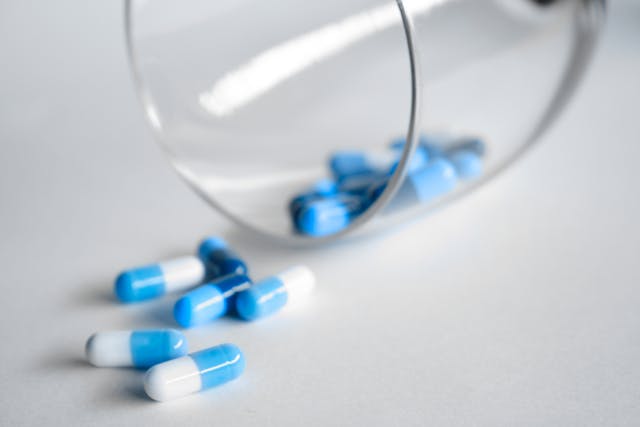
Nonsteroidal anti-inflammatory drugs, or NSAIDs, such as ibuprofen and naproxen, sit in many homes and handbags. They help headaches, period cramps, and joint pain. Yet the same medicines can reduce blood flow inside kidney tissue and damage delicate structures when used often or in large doses. The National Kidney Foundation explains that over-the-counter pain medicines “can also harm the kidneys, especially if you already have kidney disease.” Even people with normal kidney function face a rising risk when they take NSAIDs daily without medical guidance.
Kidney organisations advise several safety steps. They encourage using the lowest effective dose for the shortest possible time and checking labels carefully for combination products that also contain NSAIDs. People living with chronic pain, heart disease, or diabetes should ask their doctors about alternative approaches, including topical treatments or different medicines that put less pressure on kidney blood flow. Importantly, painkillers can also worsen dehydration, especially during illness, heat, or heavy exercise, which increases the danger of acute kidney injury. Avoiding automatic pill use for every ache supports long-term kidney health more than most people realise.
Not Drinking Enough Water Makes Waste Harder To Clear

Many people sip coffee, tea, and soft drinks all day but forget plain water. Kidneys rely on adequate fluid to dilute waste and flush toxins, especially urea and sodium. Without that fluid, urine becomes concentrated, and minerals crystallise more easily, raising the chance of kidney stones and infections. The National Kidney Foundation notes that insufficient water intake can increase the risk of kidney damage, particularly in hot conditions or during hard physical work.
Healthline summarises the benefit simply: “Regular, consistent water intake is healthy for your kidneys.” Many clinicians suggest around 1.5 to 2 liters a day for the average healthy adult, although needs vary with climate, exercise, medications, and health conditions. People with advanced kidney disease sometimes need stricter fluid control, so they should follow their specialist’s advice. For most others, carrying a bottle, drinking water with meals, and increasing fluids during heat or illness help the kidneys work more comfortably. Clear or pale yellow urine usually signals adequate hydration, while consistently dark urine suggests that the kidneys need more support from simple water.
Smoking And Vaping Reduce Blood Flow To Kidney Tissue

Cigarettes and many vaping products damage blood vessels everywhere in the body, not only in the heart or lungs. Tiny kidney vessels depend on steady, strong blood flow to filter waste and regulate blood pressure. When smoking injures those vessels, filtration slows and protein can begin to leak into urine, a hallmark sign of early kidney damage. Healthline lists smoking as a major modifiable risk factor for chronic kidney disease, due to its effects on circulation and blood pressure.
A South African health education resource summarises the impact clearly: “Smoking damages the blood vessels, which decreases the flow of blood in the kidneys, causing the kidneys not to function properly.” Studies also show higher rates of kidney cancer among smokers compared with nonsmokers. Quitting has measurable benefits for kidney health, although the risk may take years to fall toward the level of someone who never smoked. Support can include nicotine replacement, prescription medicines, counselling, or digital quit programs. People who vape nicotine heavily should also talk with their doctors, as emerging data suggests overlapping vascular effects that could influence kidney health over time.
Skimping On Sleep Ups Your Kidney Risk

Sleep may not sound like a kidney issue, but research continues to link irregular or short sleep with worsening kidney function. Night after night of limited rest can disrupt hormones that regulate blood pressure, appetite, and blood sugar. High blood pressure and diabetes then feed directly into kidney damage. The National Kidney Foundation points out that kidney function follows the body’s sleep-wake cycle, with important filtering tasks distributed across 24 hours. When sleep becomes erratic, kidneys lose that helpful rhythm.
Durham Nephrology, a kidney specialist group, notes that “a good night’s sleep can lead to many health benefits, including improved kidney function.” People who regularly sleep less than 6 hours may face a higher risk of faster kidney decline compared with people who get 7 to 8 hours. Sleep apnea, loud snoring, and frequent overnight bathroom trips can also signal medical problems that deserve attention. Building a calmer bedtime routine, limiting late caffeine, and keeping screens out of bed can support deeper sleep. Anyone who still wakes unrefreshed or gasps at night should ask a clinician about testing, because treating sleep disorders often benefits kidney health as well.
Heavy Drinking Adds Another Layer Of Kidney Stress

Alcohol affects the kidneys directly and indirectly. It alters hormones that control fluid balance, increases dehydration, and raises blood pressure. Heavy drinking sessions can trigger short-term kidney injury, especially when combined with NSAIDs or dehydration from hot weather. Long-term, alcohol dependence is linked to chronic kidney disease through repeated episodes of high blood pressure and ongoing toxin exposure.
One medical review explains that “over-consumption of alcohol can harm not just your kidneys but several other organs.” The National Kidney Foundation defines heavy drinking for women as more than 3 drinks in a day, or more than 7 per week, with higher limits for men. People with existing kidney disease often need stricter limits or complete avoidance, since their kidneys already manage a reduced filtration reserve. Replacing some alcoholic drinks with sparkling water, alcohol free options, or herbal teas can reduce risk without removing every social ritual. Anyone who finds it hard to cut back should speak honestly with a health professional, since early help protects both kidney health and overall well-being.
How To Treat Your Kidneys More Kindly Every Day
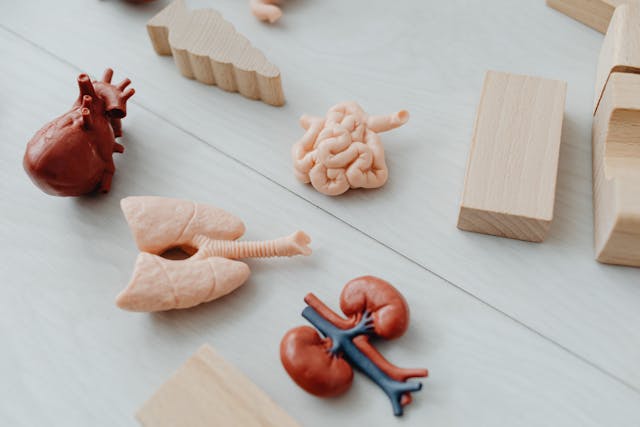
Kidney health rarely depends on a single villain. Salt still matters, yet it shares the stage with added sugars, refined carbohydrates, processed foods, excess protein, painkillers, smoking, disrupted sleep, and heavy drinking. Together, these factors influence blood pressure, blood sugar, and blood vessel health, which all shape how well the kidneys work. Large observational studies and reviews from groups like NIDDK, the National Kidney Foundation, and peer-reviewed journals agree on one message. They consistently show that healthier lifestyle choices lower the risk of chronic kidney disease and slow its progression when it has already begun. Thoughtful changes in daily life can give your kidneys more support than many people realise. For everyday life, try building meals around vegetables, fruits, whole grains, and healthy protein portions.
Limit very salty packaged foods and oversized sugary drinks whenever you can. You do not need a perfect lifestyle to give your kidneys better support. Focus on small changes that fit your budget, culture, and daily routine. Notice how often you reach for NSAIDs, cigarettes, or extra alcohol, and look for safer alternatives. Stay active, drink enough water, and protect your sleep, because these habits steady blood pressure and blood sugar. If you live with diabetes, high blood pressure, or a family history of kidney disease, talk to your doctor. Ask about regular kidney checks and practical steps tailored to your personal risk. Early information gives you more time to adjust habits and protect these hard-working filters for the future. Keep a simple list of kidney-friendly goals and review it every few months. Small, steady improvements often protect your kidneys more effectively than short bursts of strict effort.
Read More: Seemingly Harmless Medications That Can Harm Your Kidneys