
The sudden eruption of the Hayli Gubbi volcano shocked scientists and travelers who never thought this quiet mountain would wake up again. It sits in Ethiopia’s Afar Region, where the land feels cracked and restless. When the eruption started, it felt almost unreal because it had been silent for around twelve thousand years, maybe a little more. Ash rushed into the sky and drifted far across borders that most people never even think about. As reports rolled in, the world slowly understood that this was one of those rare moments when nature reminds everyone how big it actually is.
A Sleeping Giant Finally Stirs
At first, people thought the noise was something simple, maybe thunder or a mining blast, until they walked outside and saw the dark pillar rising into the sky. The volcano in Ethiopia had been so quiet that folks assumed it would stay that way forever. But this moment proved them wrong. The ash climbed fast and the air felt heavy. Some villagers just stared at it because they could not believe something so old was still alive. That first plume started the long chain of reactions that would stretch far beyond this lonely desert.
The Eruption That Reached the Stratosphere
Image credit: Shutterstock
The ash shot up so high that satellites caught it before many news stations did. It pushed into the stratosphere, which is the layer where winds carry fine dust across whole continents. People watched the satellite maps that updated every few minutes because the cloud kept reaching new places. It crossed the Red Sea, drifted near Yemen, then kept on moving. Scientists said the shape of the plume looked strange at first, almost like a twisting shield. It spread wider each hour, and the scale made even experts blink a couple times.
First Signs of Trouble for Local Communities
Down on the ground, life changed quickly. Ash started falling on houses, fields, and small herding paths. Families stepped outside and saw their animals struggling to find clean grass, which is terrifying in a region where livestock is everything. Some people coughed more than usual because the fine dust hung low in the air. Still, officials said there were no deaths, and that was a relief. They told people to stay indoors and try to keep kids away from the thickest ash. Their quick response helped calm the worst fears.
Why Scientists Are So Surprised
Researchers always knew the Afar region was active, but they thought this particular volcano had closed up its magma paths long ago. The eruption changed that whole idea in a single morning. The area sits where several tectonic plates pull apart, which creates new land and makes deep cracks. But even with all that movement, this volcano stayed quiet for many lifetimes. Experts now say they may need to rethink how dormant volcanoes behave. The event might help them understand hidden magma systems that sit in silence before they suddenly rise again.
How the Ash Spread Across Continents

When the plume reached higher winds, it started racing across regions that had no idea they would wake up to volcanic ash. People in the Middle East looked at hazy skies and wondered what was going on. Weather agencies posted warnings because the tiny particles can hang around longer than most clouds. The ash pushed toward India and even drifted near parts of China. Watching that map felt surreal because one eruption in Ethiopia managed to paint half a continent in shades of gray. It showed how connected the world is, even when we forget it.
What Travelers Experienced as Flights Shifted
While scientists studied the sky, airlines scrambled to change routes. Pilots can not fly through fine ash because it can damage engines quickly. People waiting to board flights found out their planes were delayed or sent on long detours. Some passengers said they had never heard of the volcano before, so it felt odd that their travel was shaped by it. Still, aviation officials acted fast to keep everyone safe.
The Human Story Inside the Afar Region
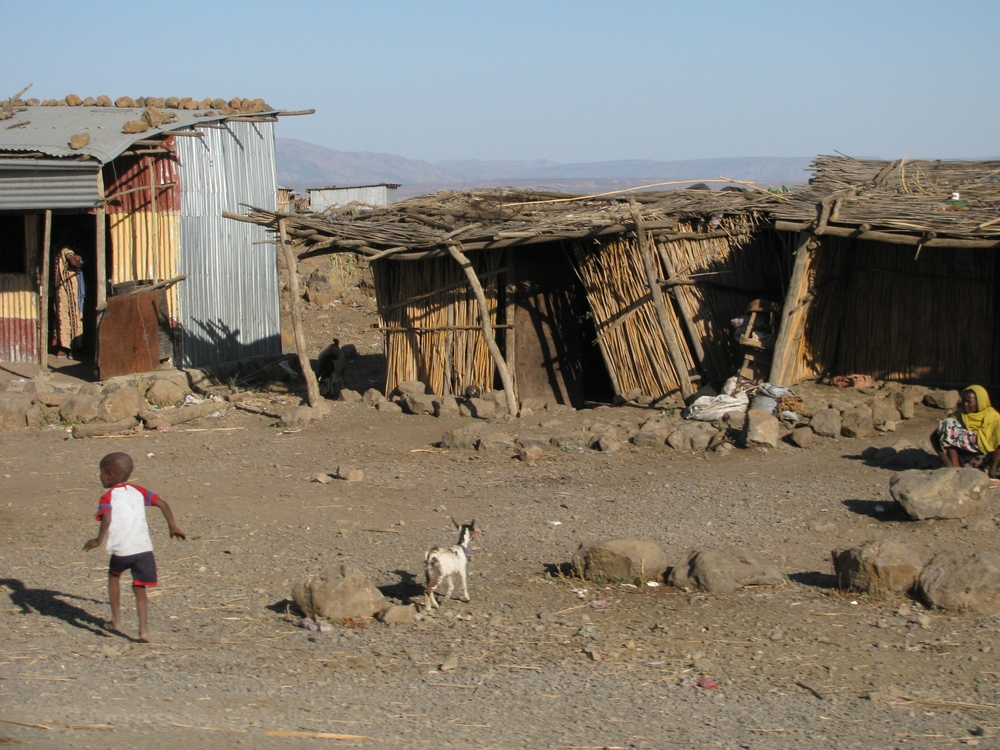
Image credit: Shutterstock
Across the Afar Region, families tried to keep routines going, even though ash covered the ground like thin gray flour. Water sources looked dull and dusty, which made daily chores harder. Some elders told younger people stories about old eruptions they had heard from grandparents, even though no one alive had seen this one before. Volunteers shared masks and helped sweep heavy ash from small roads. Despite the difficulty, the sense of community stayed strong, and many said that supporting one another mattered as much as any official plan.
A Rare Event That Scientists Called Historic
When word spread across research networks, volcanologists reacted with a mix of excitement and worry. The Hayli Gubbi volcano had no written record of activity, so the eruption instantly became a major scientific moment. Some experts stayed awake all night tracking satellite readings because they wanted to see if more vents would open. Others compared notes about past lava flows that dated back thousands of years. Many said this eruption might help refine models about long-dormant systems. Even with advanced tools, nature still finds a way to surprise everyone.
How Satellite Technology Changed the Response
Modern satellites played a huge role in tracking the eruption. They captured thermal images, ash height, and movement before many people on the ground understood the scale. These tools helped pilots avoid the worst areas and allowed governments to issue warnings faster. A few decades ago, this type of event might have caused much bigger confusion. Now, scientists can watch the plume shift almost in real time. Still, even with all the tech, locals said it felt strange that machines in space knew more about the eruption than people living beside it.
The Region’s Fragile Environment Faces New Pressure
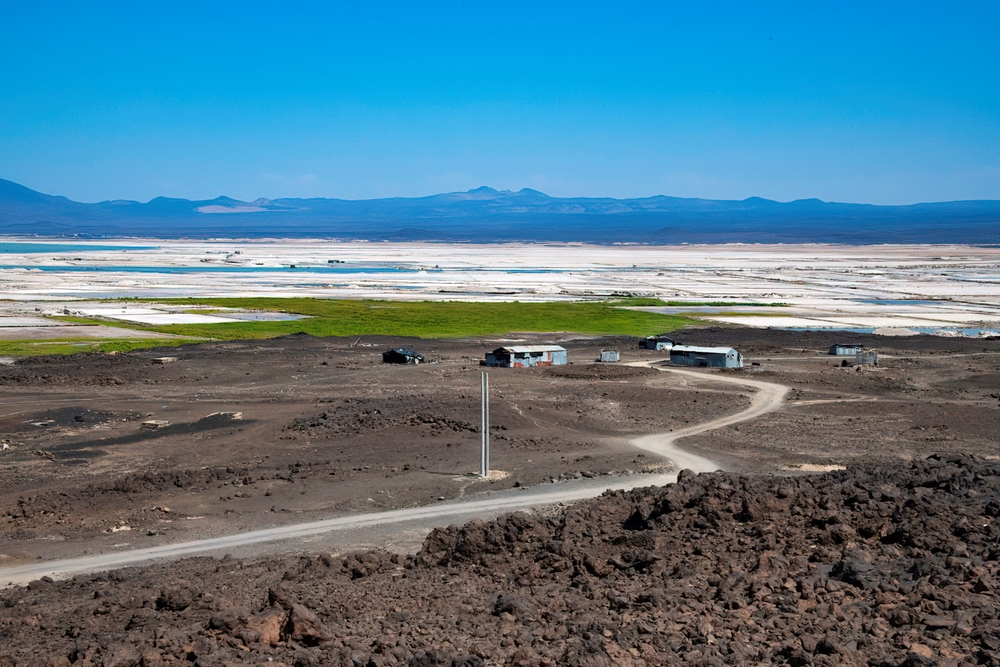
The Afar landscape was already harsh before the eruption, and this new layer of ash pushed it even harder. Trees and small plants struggled to stay visible under the gray coating. Families who rely on grazing tried to move animals to cleaner spots, but the search was slow. Some said the land felt quieter than usual, almost like it was holding its breath. Even though this part of Ethiopia has seen many natural challenges, this moment added a fresh weight to daily life.
Why This Eruption Matters for Global Weather
Although one eruption cannot change the climate on its own, it can still influence short term weather patterns. Fine ash in the stratosphere can reflect sunlight, which sometimes cools the air slightly. Meteorologists watched for signs of minor shifts because the plume from the Hayli Gubbi volcano reached heights that matter. Forecast models tried to estimate how long the particles might stay aloft. Most experts said the effects would be brief, but they still monitored every update since weather systems react in surprising ways.
International Experts Join the Investigation

Image credit: Shutterstock
As news spread, global research teams reached out to Ethiopian scientists to share data. Some experts wanted to study the chemistry of the ash. Others focused on the structure of the eruption column or the shockwaves that followed the initial blast. The collaboration felt lively and a bit chaotic, but in a good way. Researchers said that eruptions like this do not happen often, so everyone wants to gather insights fast. The event became a shared learning moment across different countries and fields of study.
The Challenges of Reaching the Eruption Site
Getting close to the crater turned out harder than many expected. Roads in the Afar Region are rough, and ash made several paths slippery or blocked. Teams who tried to approach had to stop often to clear small drifts or check equipment. Some said the heat coming from the ground made certain areas feel unsafe. Drones helped capture details that humans could not get close to. Even with these tools, the volcano in Ethiopia reminded everyone that nature sets the limits, not curiosity.
How Local Elders Interpreted the Eruption
In many small communities, elders shared their own interpretations of the event. Some believed the land was expressing an old memory. Others viewed it with calm acceptance because natural forces shape Afar life every day. A few said they felt humbled, watching a mountain they barely noticed suddenly rise in attention. While scientists talked about magma and tectonics, the elders focused more on resilience. Their stories offered a different lens, one shaped by lived experience instead of instruments and charts.
A Look at the Rift Valley’s Restless History

Image credit: Shutterstock
The eruption drew attention back to the larger East African Rift, a place that constantly reshapes itself. Plates pull apart slowly, creating deep cracks and new crust over time. Many people forget that this region hosts several active sites. When the Hayli Gubbi volcano erupted, it reminded researchers that the rift is still opening and shifting. This activity helps explain why new faults appear and why earthquakes happen here. The land tells a long story, and this eruption added another chapter to it.
Technology Helps Predict What Comes Next
Although predicting volcanic behavior remains tricky, new technology offered clues about future activity. Instruments measured gas levels, ground movement, and small tremors that might point to more eruptions. Scientists said the data looked mixed, with some signals rising and others fading. They stayed cautious because volcanoes can change patterns quickly. Still, the improved monitoring tools gave teams hope that they could spot early warning signs. This mix of uncertainty and insight is common when dealing with long quiet systems.
Read More: This is What Happens When a Volcano Summons Lightning
The Emotional Toll on Affected Families
Beyond the scientific excitement, real people lived through stressful days. Some families wondered how long the ash would fall. Others worried about animals getting sick or losing clean water. Parents tried to keep routines steady for children who asked too many questions. Even small chores felt heavier with gray dust covering everything. Support teams worked to bring supplies and check on vulnerable households. These small acts made a big difference, reminding everyone that resilience grows stronger when shared.
What This Eruption Teaches the World
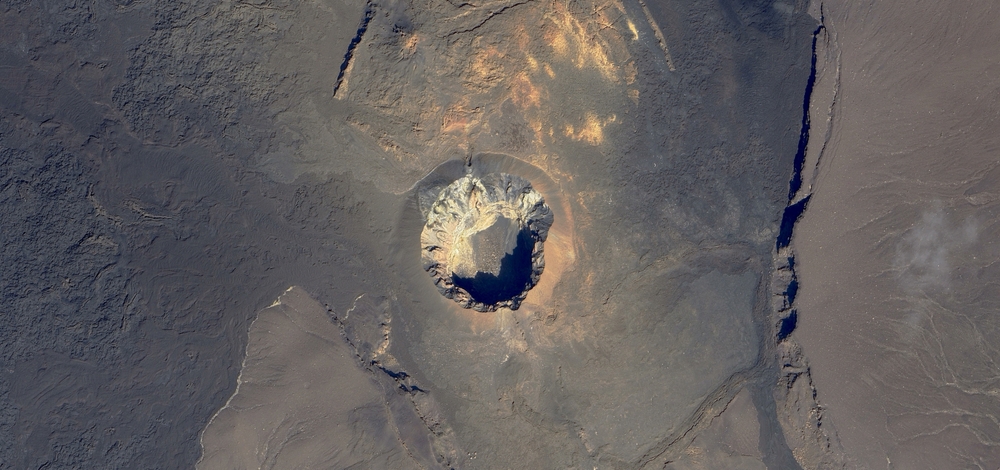
Image credit: Shutterstock
After everything had settled a bit, many experts said this event carried a global lesson. The Hayli Gubbi volcano showed that long-dormant systems can still wake with surprising force. It also proved how fast an eruption can touch communities far away, affecting flights, visibility, and even weather. People sometimes think natural events stay local, but this one crossed borders with ease. As the world studies what happened, the hope is that better understanding will help prepare for the next rare awakening.
The Bottom Line
When the eruption first appeared, many people thought it would be a short moment. The Hayli Gubbi volcano woke up after thousands of silent years, and in doing so it connected distant places through one long drifting plume. Local families handled the shock with strength, scientists learned new things, and travelers saw how one event can disrupt daily habits. The story is not only about ash or lava. It is about how quickly life can shift and how people adapt when the unexpected rises from the ground.
Read More: 700,000-Year-Old ‘Extinct’ Volcano Could Be Awakening, Experts Warn