
The debate over America’s student loan system has sparked loud arguments, but few issues have caused as much confusion or emotional pushback as the proposal from President Donald Trump’s administration to remove nursing from the category of professional degrees.
At first glance, the change looks like ordinary paperwork. But once the details surfaced, people realized the shift reaches far deeper. Many asked online, often frustrated, “Is nursing a professional degree?” or has the government quietly reduced a profession that millions rely on every day?
Right now, the federal government gives higher loan limits to programs like medicine and dentistry. Under this plan, nursing programs lose that recognition. Grad PLUS loans would also be removed. Supporters say this prevents overwhelming student debt. Critics say it misunderstands what professional degrees are and how modern health care works. The backlash grew fast because the proposal touches hospitals, classrooms, and families everywhere.
What the Policy Actually Changes
The proposal redefines what counts as a professional degree under federal rules. Medical and dental students keep their higher loan caps. Graduate nursing programs lose that recognition as a professional degree, which changes everything for students who rely on federal support. Many nursing programs cost far more than the new limits. Without Grad PLUS loans, students must seek private lenders, and many will be denied.
Supporters say they are following old definitions. Critics say those definitions are outdated. Health care evolved, and educational standards changed.
To make the issue even more confusing, some officials claimed the change would motivate universities to lower tuition. Many students and educators doubt that it will happen. Most programs already operate on tight budgets. Some fear the policy will force schools to shrink or eliminate graduate nursing options, leaving gaps in training across the country.
Why Nurses Saw the Decision as a Direct Insult
Nurses did not stay quiet. Many felt the proposal dismissed their work completely. After years of burnout, staff shortages, and emotional trauma, seeing nursing excluded from professional degrees felt like a slap in the face. The country praised them during the pandemic, yet this policy seemed to undercut everything they sacrificed.
Some nurses shared long personal posts describing late-night studying, long clinical hours, and the pressure of caring for critically ill patients. Others posted short videos from hospital break rooms, speaking while still wearing scrubs and exhaustion on their faces. They said the proposal shows how disconnected policymakers are from real clinical life.
Consequences for the Nursing Workforce
Workforce experts warn that the consequences could last for decades. If fewer students can afford advanced degrees, the shortage of skilled nurses will grow. Rural areas rely heavily on nurse practitioners. Without enough of them, entire counties may lose essential care. Advanced nurses fill gaps where physicians are scarce. They run clinics, provide urgent care, and treat chronic diseases.
Image credit: Shutterstock
Nurse educators need graduate degrees to teach. When fewer students enroll, the educator pipeline shrinks. This creates a chain reaction. Fewer teachers mean fewer trained nurses, which means more shortages.
Hospitals already struggle to fill shifts. If enrollment drops further, emergency rooms and critical care units may face overwhelming strain. Many hospitals depend on advanced practice nurses to handle complex cases. Without enough of them, patient outcomes could decline.
Impact on Students
Students feel this policy in the most personal ways. Graduate nursing programs often cost far more than the new loan limits. Without Grad PLUS loans, many have no realistic way to pay tuition. Private lenders require strong credit, and many nursing students carry financial obligations from years of caregiving or working lower-wage bedside roles.
These barriers reduce diversity. Students from low-income communities, immigrants, first-generation students, and single parents face tougher challenges. Reduced diversity harms public health because communities benefit when their providers reflect their culture and experiences.
Many students shared their situations online. Some said they care for elderly parents. Others support children while studying. A few work two jobs. Losing federal support pushes them out of programs they worked years to reach.

The Emotional Reality for Students
One overlooked part of this debate is the emotional toll. Many nursing students enter grad school later in life. They spent years working tough bedside jobs. Some are exhausted but motivated to move into leadership or specialized roles. This proposal left many feeling defeated. They said the ground moved under their feet without warning.
Others described moments of panic. One student said she sat in her car after reading about the proposal and cried because she realized she might need to drop out. Another said she planned for two years to start a psychiatric nurse practitioner program because her region lacks mental health providers. Now she does not know if she can stay enrolled. These stories show how deeply the decision to remove nursing from professional degree’s will hit real lives.
Why This Reaches Beyond Hospitals
Communities feel the ripple effect. Advanced practice nurses often anchor community health programs. They run mobile clinics and design programs for diabetes control, prenatal care, addiction support, and home visits. When fewer nurses are trained, these programs shrink or disappear. Families lose access to care. Emergency rooms fill with cases that could have been prevented.
In small towns, nurse practitioners sometimes serve as the only full time primary care provider. Removing financial support for their training leaves these communities at risk. People may need to travel long distances for routine care. Chronic conditions may worsen and untreated mental health issues may increase. This affects schools, workplaces, and families.

Image credit: Shutterstock
Health Care Innovation Slows Down
Advanced nurses often lead innovation. They create new care models that reduce readmissions and improve quality. Without enough trained nurses, innovation slows. Hospitals may stick to outdated practices because they do not have enough educators, specialists, or advanced clinicians to push new ideas. Progress stalls and communities lose opportunities for better care.
The Workplace Tension Hospitals Already Feel
Many managers say they fear the proposal will widen gaps between experienced nurses and new graduates. Hospitals rely on advanced practice nurses to guide safety protocols and help newer staff. If fewer advanced nurses exist, teams become unbalanced and mistakes rise. Training becomes inconsistent and morale drops.
Some leaders worry about burnout. When experienced staff leave faster than new specialists enter, existing workers carry heavier loads. This increases turnover, which increases costs. Hospitals could enter a cycle of continuous staffing crises.
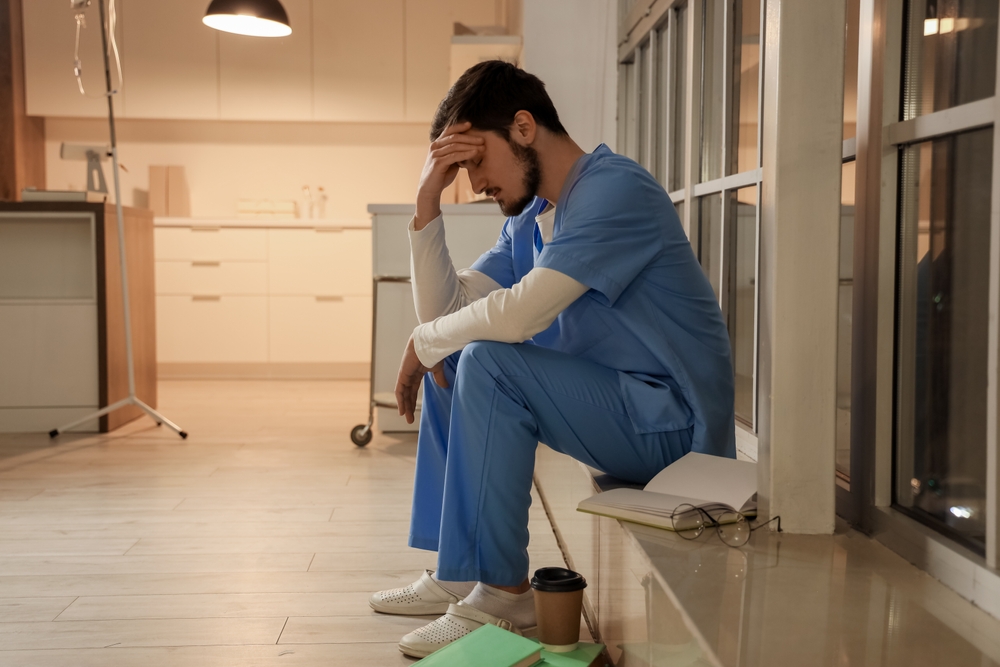
Image credit: Shutterstock
International Perspective
Other countries continue to invest in advanced nursing roles. Many treat nursing as a high level profession with strong educational pathways. Canada expanded training for nurse practitioners. The UK increased wages for advanced nurses. Australia added funding for rural nursing programs.
The United States risks falling behind. If the country limits graduate education, it may lose skilled providers to other nations where support is stronger. At a time when global competition for health care workers is rising, this creates serious risk.
How Hospitals Might Shift in Response
Hospitals depend on advanced practice nurses for daily operations. If fewer students train, hospitals may compete aggressively for limited staff. This raises salaries temporarily, but increases overall medical costs. They may lean more on travel nurses, which drains budgets. Reducing support for nursing professional degrees, therefore, creates financial strain across the system.
Public Health Consequences and National Preparedness
Public health experts warn the policy weakens emergency readiness. Nurses staff triage centers, shelters, and outbreak response teams. Without enough trained nurses, response times slow. Communities become less resilient. Many preparedness plans depend on nurses who hold advanced training, because they can manage crises with limited resources. They coordinate vaccination drives, assess community risk, and guide infection control when systems feel strained. Without a strong nursing pipeline, disaster response becomes unpredictable. Local health departments may struggle to fill leadership roles, and rural regions may lose the ability to respond quickly to large scale emergencies.

Image credit: Shutterstock
The Administration’s Explanation
The Trump administration insists the plan corrects outdated definitions and encourages responsible borrowing. Officials say the change follows language written years ago, so they argue it is not a personal judgment about nursing. They also claim universities might rethink high tuition if students have stricter limits. Critics doubt that will happen. Many schools already struggle to fund labs, clinical placements, and faculty.
Some administration supporters also argue the plan protects students from taking on debt they cannot repay. Opponents say the argument feels incomplete, because it ignores real workforce needs and the growing demand for skilled clinicians.
Why Nursing’s Exclusion Feels Different
Nursing is personal for many people. Almost everyone has been cared for by a nurse. Removing nursing from professional degrees feels like a misunderstanding of how essential nurses are. After the pandemic, many say the timing feels insensitive. It also feels different because nursing carries a deep emotional connection. Families remember nurses who stayed late, held hands, and explained difficult news. When a policy seems to reduce their value, people react strongly. Many nurses say the proposal ignores the sacrifice, grief, and physical strain they carry home after every shift.
Read More: Trump Weighs Major Cannabis Law Changes: Which States Could See Legalization?
When Educational Policy Intersects With Health Equity
Educational access shapes health access. When fewer nurses become advanced clinicians, underserved communities lose care. Health disparities widen. Policies that limit key educational pathways become public health problems. What makes this even more serious is how tightly education is tied to long-term community stability. Families in low-income regions often rely on nurse practitioners for routine checkups, chronic care, and mental health support. When these professionals disappear, preventable conditions grow worse. Schools, workplaces, and local services feel the strain. Small policy changes can trigger wide health inequities that last for generations, especially in areas already struggling.
Gender Equity and the Nursing Profession
Nursing is mostly staffed by women. Policies that restrict funding reduce women’s mobility and leadership opportunities. Excluding nursing from professional degrees repeats patterns where female dominated fields receive less institutional support. This raises the important question, is nursing a professional degree or is the field still battling long standing gender bias.

Image credit: Shutterstock
Economic Consequences
Workforce shortages cost more than loan programs ever will. Hospitals spend more on temporary labor. Patients face higher bills. Policies affecting professional degrees ripple through the entire economy. The financial strain also spreads into local businesses because a weaker health system slows productivity and increases sick days. Employers lose workers to unmanaged chronic conditions. Insurance companies raise premiums to cover higher hospital costs. Families postpone basic care due to price increases, which eventually creates even greater expenses. The economic impact reaches far beyond hospitals, influencing neighborhoods, schools, and long-term financial stability across communities.
Final Thoughts
The Trump administration’s plan to remove nursing from the list of professional degrees sparked strong backlash for a reason. It raises concerns about shortages, equity, and long-term stability. It forces the country to confront how much it values the people who hold the health system together.
Strong health systems need strong educational pathways. Nurses deserve respect, opportunity, and investment. Any policy that limits these essentials will meet resistance from workers, patients, and entire communities.
Read More: Trump Administration Flags Obesity in Latest Visa Screening Changes