
Imagine a cancer so aggressive that even after intensive surgery, radiation, and chemotherapy, nearly 90 percent of patients see it return within two years. This is the terrifying reality of Glioblastoma Multiforme (GBM), the deadliest form of brain cancer in adults. GBM is known for its destructive growth and ability to creep into surrounding brain tissue, which is why surgeons can never remove every last cancerous cell. Because of this relentless nature, the average survival time for patients is tragically short, often just 12 to 18 months. Only about five percent survive past five years.
Standard Glioblastoma Treatment
Image credit: Shutterstock
The current standard treatment, which relies on surgery followed by chemotherapy (like Temozolomide) and radiation, fights an uphill battle. Compounding the problem is the brain’s natural defense: the Blood-Brain Barrier (BBB). Think of the BBB as an incredibly strict security system that prevents over 98% of small-molecule drugs from even reaching the cancer inside the brain.
More on the Blood-Brain Barrier
The BBB is a highly specialized protective structure composed of endothelial cells with tight junctions that rigorously regulate molecular access to the brain. This defense mechanism, while vital for protecting neural tissue from toxins and pathogens, simultaneously restricts nearly all therapeutic access. It is estimated that the BBB prevents over 98% of small-molecule drug candidates and virtually all large molecules from permeating into the brain at therapeutically effective concentrations.
This restricted access causes the primary challenge for glioblastoma treatment. Since conventional chemotherapy struggles to cross this barrier, clinicians are often compelled to administer high systemic dosages to achieve even minimal drug concentrations within the tumor site. This necessity creates a critical trade-off: high systemic doses inherently increase the risk of adverse side effects and toxicity in peripheral organs, yet frequently result in low efficacy within the target area. Therefore, any successful treatment must demonstrate an ability to either navigate the BBB efficiently or be profoundly effective at the vanishingly low concentrations that manage to penetrate it.
A New Discovery
But what if the key to fighting this formidable cancer wasn’t a prohibitively expensive new drug, but two simple, widely available, and cheap supplements? New research suggests a powerful combination of Resveratrol and Copper (R-Cu) might be able to rewire the cancer’s biology, offering a profound new path for glioblastoma treatment.
Resveratrol and Copper: An Unlikely Anti-Cancer Duo
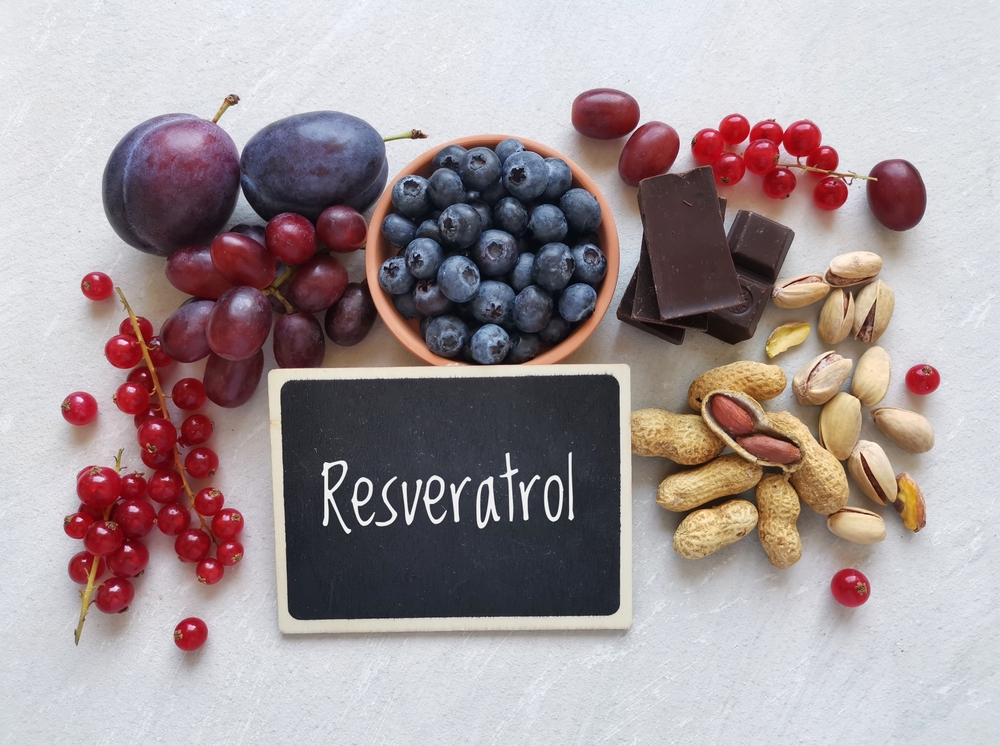
The search for better treatments has led scientists to look at natural compounds, often called nutraceuticals. These are non-toxic, naturally occurring compounds with complex biological effects. These agents are often widely available and possess broad pharmacological profiles, making them attractive candidates for drug repurposing. Particularly, in conjunction with existing standard therapies. One such compound, Resveratrol, is a polyphenol famous for being found in grapes and berries. Even on its own, it has shown impressive anti-tumor abilities in lab settings, slowing the growth of GBM cells and making radiation treatments more effective.
The Power of Synergy
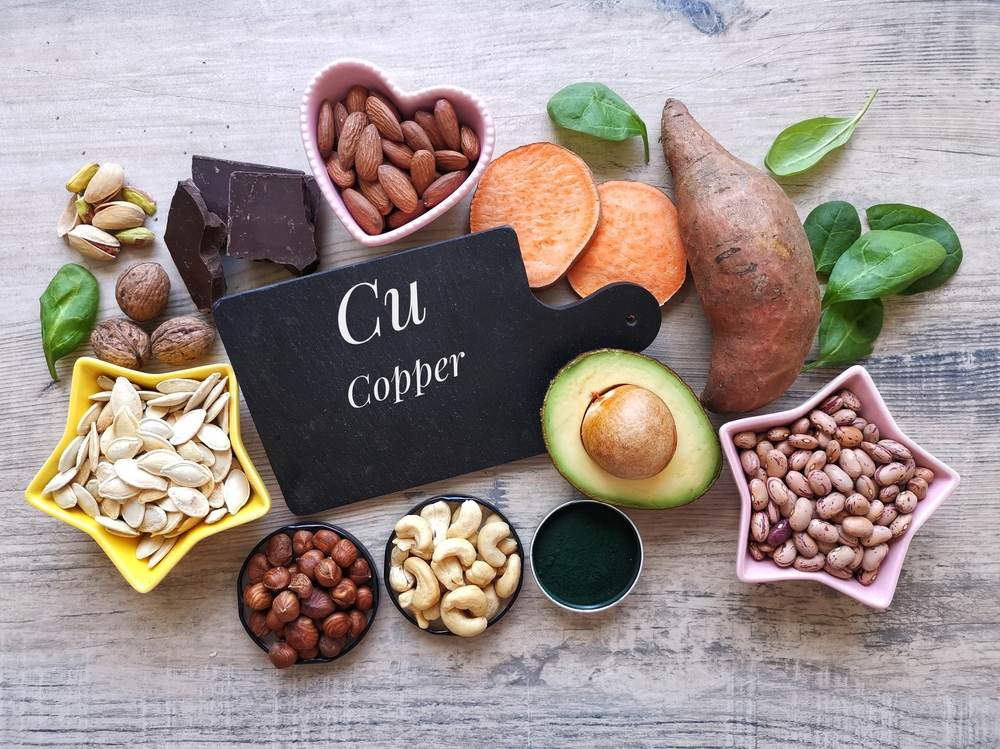
The true breakthrough comes when Resveratrol is paired with trace amounts of Copper. Research indicates that this partnership creates a remarkable synergy that dramatically amplifies the anti-cancer effects. In this special formulation, Copper acts as an “accessory element,” helping to facilitate a specific chemical reaction that is crucial for the treatment to work. It’s important to note the ratio used in the clinical research: a tiny amount of copper was used, approximately 1 part copper to 1000 parts resveratrol.
The Ultra-Low Dose Advantage
When you buy Resveratrol supplements, doses are often high, sometimes up to 1500 mg daily or more. This is because the body struggles to absorb it. These high doses can sometimes cause stomach upset or other side effects. The R-Cu combination used in the GBM trials is radically different. The dosage was incredibly small: just 5.6 mg of Resveratrol and 560 nanograms (ng) of Copper. This is thousands of times lower than typical supplement doses.
This ultra-low, effective dose is a game-changer. By needing so little of the compound to work, the R-Cu formulation avoids the toxicity and side effects associated with high-dose supplements. This makes it an ideal candidate for long-term use in patients already weakened by standard cancer therapies.
How the Supplements Work: Targeting Cancer’s Hidden Seeds
To understand the genius of this approach, we must first look at a new scientific theory about how cancer spreads and returns. This theory was developed by Professor Indraneel Mittra and his team.
The Problem: Malignant DNA Debris
Image credit: Shutterstock
The theory focuses on Cell-Free Chromatin Particles (cfCHPs). When cancer cells die, especially after receiving chemotherapy or radiation, they release fragments of DNA into the surrounding area, essentially leaving behind genetic “seeds”. Professor Mittra proposed that these cfChPs are not just inert debris; they are the key instigators of cancer aggression. These fragments sneak into the surrounding healthy cells and surviving cancer cells, causing damage, inflammation, and essentially urging the surviving tumor cells to become even more malignant and aggressive. Crucially, they also activate the body’s immune checkpoints, which act like a “stop sign” for the immune system, allowing the tumor to evade detection and flourish.
The Solution: Healing by Cleaning Up
Traditional cancer treatments try to kill the cancer cells outright, but this process paradoxically releases more of the malignant cfChPs, fueling recurrence. The R-Cu complex, however, works differently. It is not designed to be a mass killer of cancer cells (cytotoxicity). Instead, it uses the copper-enhanced reaction to generate specific oxygen radicals that act like a precise cleaning crew.
The job of this cleaning crew is to chemically deactivate or destroy the cfChPs in the tumor’s environment. When researchers gave patients R-Cu, they observed that these harmful DNA fragments were dramatically reduced or completely cleared. By eliminating the cfChPs, the treatment is essentially removing the negative feedback loop that drives the cancer’s worst traits. This new idea is described as “healing by down-regulating cancer hallmarks and immune check-points” without needing the high toxicity that comes with traditional cell killing. In essence, the goal is to make the highly aggressive tumor adopt a much gentler, more benign state over time.
Stunning Results in a Human Trial
As always, lab results are promising, but they don’t mean much until you test in actual human cancer patients. To test this theory against Glioblastoma, researchers conducted a small, exploratory trial.
The Pre-Surgical Study
The study involved 10 glioblastoma patients who were already scheduled for surgery. Before their operation, these patients were given the R-Cu bi-layered tablets (5.6 mg Resveratrol / 560 ng Copper) four times a day for an average of about 11 days. The results were then compared to a control group of 10 similar patients who did not receive the tablets.
The Tumor Slows Down
When surgeons removed the tumor tissue, the analysis showed that the short-term use of the R-Cu tablets had a “profound effect” on the cancer. The most critical measurement was the level of a protein called Ki-67. This protein is the scientific measure of how fast a tumor is growing. Essentially, it is the tumor’s “speed marker”. In the tissue samples from the R-Cu treated patients, the average levels of Ki-67 were nearly one-third lower compared to the untreated samples. This rapid and significant reduction demonstrated that the R-Cu combination quickly suppressed the tumor’s speed and aggressive nature.
Overcoming the Brain’s Security
This finding is monumental because it confirms that the minuscule amount of R-Cu that managed to cross the brain’s tough security shield (the BBB) was powerful enough to be biologically active at the tumor site. Even though only about 2% of oral resveratrol typically crosses the BBB, the synergistic action with copper was so potent that it still achieved the required therapeutic effect. This suggests the treatment has exceptional local efficacy, overcoming the notorious drug-delivery challenge that has plagued glioblastoma treatment for decades.
The Road from Supplement to Standard Treatment
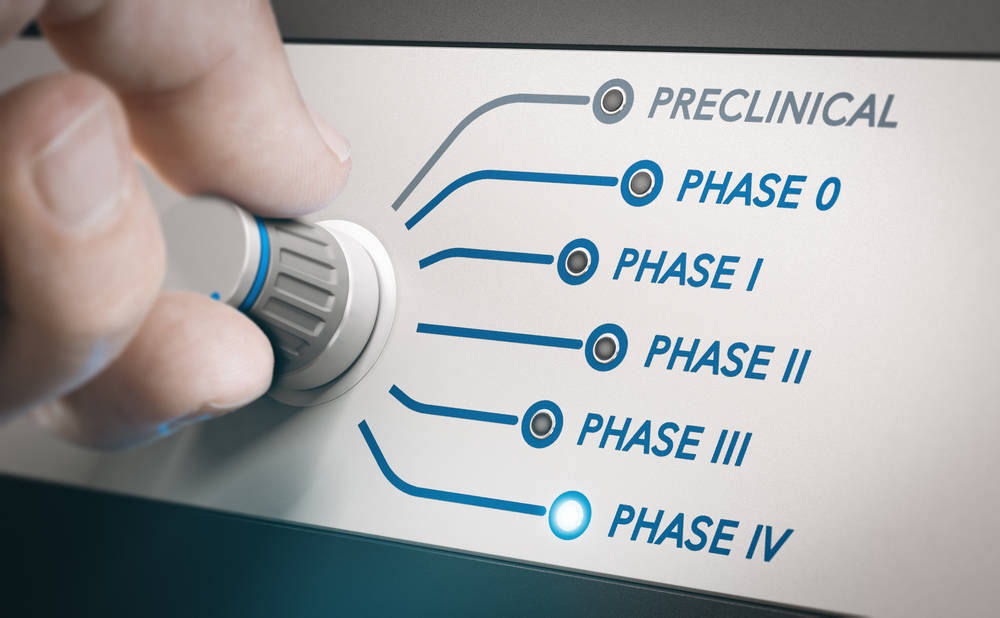
Image credit: Shutterstock
While the early human data is thrilling, the R-Cu combination is not yet an approved treatment, and simply taking high-dose supplements off the shelf is not recommended and may even be harmful. The path forward requires rigorous scientific steps.
Read More: Dr. Rhonda Patrick Thinks Many Supplements Are a Waste—But She Stands by These Five
The Drug Delivery Hurdle
For R-Cu to be used long-term to prevent recurrence, scientists need to find ways to get a reliable, high concentration of the treatment into the brain. Resveratrol naturally suffers from poor solubility and is quickly flushed out of the body. Researchers are looking at innovative ways to solve this problem. One potential solution is using nanotechnology. Techniques such as creating nanosuspensions or utilizing solid lipid nanoparticles (SLNs) have successfully increased resveratrol’s solubility, stability, and intracellular loading. Essentially, they have found that encapsulating the R-Cu in tiny, specialized carriers (nanoparticles) that are better at crossing the BBB and stabilizing the compound makes for a better treatment.
Going Through The Nose
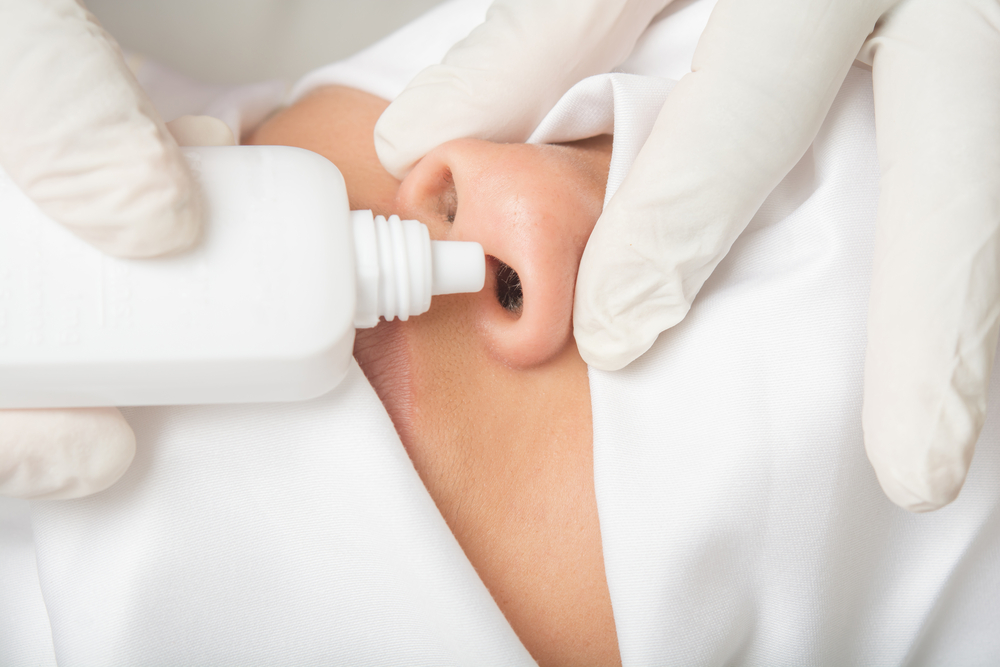
The delivery method also has an impact on how much gets passed the BBB. To bypass the brain’s shield, scientists have been exploring strategies like delivering the drug through the nose (nasal delivery). This offers a direct route to the central nervous system. More specifically, this method exploits the direct connection provided by the olfactory and trigeminal nerves, offering a unique route from the nasal cavity to the central nervous system. Nasal administration bypasses systemic circulation, allowing drugs to reach otherwise difficult-to-access brain regions at higher concentrations while reducing exposure to other vital organs and potentially lowering side effects.
Using Ultrasound
Another option is temporarily but safely opening the BBB using focused ultrasound (FUS). This non-invasive technique, often used in conjunction with intravenously administered microbubbles, can induce a localized and transient disruption of the BBB. This disruption allows enhanced, targeted access for drugs to penetrate the brain parenchyma and specifically reach the tumor site. This significantly improves efficacy when combined with other delivery methods.
The Regulatory Challenge
Even though Resveratrol is classified as Generally Recognized as Safe (GRAS) for dietary use by the FDA, this does not mean it can be marketed as a cancer drug. To become a standard glioblastoma treatment, the specific, ultra-low-dose bi-layered tablet must undergo large, randomized clinical trials to definitively prove its long-term safety and effectiveness when combined with existing therapies.
A New Horizon of Hope

The early research into the Resveratrol and Copper combination offers a radical, hopeful new strategy in the fight against Glioblastoma. By shifting the focus from simply “killing cells” to deactivating the factors that drive cancer’s aggression, this approach has demonstrated a profound ability to suppress tumor growth markers in human patients. If the scientific community can successfully navigate the challenges of drug delivery and regulatory approval, this simple, inexpensive, and non-toxic natural compound duo has the potential to transform GBM from a rapidly fatal disease into a manageable, chronic condition. For patients facing the bleak prognosis of glioblastoma, this supplement research offers not just a treatment, but a paradigm shift – a genuine new horizon of hope.
Disclaimer: This information is not intended to be a substitute for professional medical advice, diagnosis or treatment and is for information only. Always seek the advice of your physician or another qualified health provider with any questions about your medical condition and/or current medication. Do not disregard professional medical advice or delay seeking advice or treatment because of something you have read here.
Read More: Health Concerns Raised Over Softgel Capsule Used For Medications and Supplements