
Disulfiram is a drug commonly used to treat alcohol use disorder. It works by deterring people from consuming booze. Also known as the brand name Antabuse, disulfiram blocks an enzyme in the liver that breaks down alcohol. When the alcohol lingers in the body, the person begins to feel sick. For some recovering alcoholics, the fear of this reaction is enough to keep them sober. Disulfiram is not usually the first-choice treatment for alcoholism. So researchers have discovered another potential use for this drug: curing retinal degeneration.
Treating Irreversible Retinal Degeneration
Retinal degeneration is an umbrella term for conditions involving the gradual loss of retinal cells. It’s a symptom of certain eye-related illnesses, such as diabetic retinopathy, retinitis pigmentosa, and age-related macular degeneration. Whatever the diagnosis, retinal degeneration worsens eyesight over time, and in most cases, it cannot be reversed. In cases of disorders like retinitis pigmentosa, the main risk factor is family history, which makes it almost impossible to prevent.
So scientists were ecstatic to discover that disulfiram can do more than block alcohol-processing enzymes. It may also block enzymes that make retinoic acid. Generally, retinoic acid is an important element of eye health. It’s a metabolite of vitamin A that supports ocular development, maintenance, and immune function. But in cases of retinal degeneration, retinoic acid can cause maladaptive hyperactivity that worsens the vision loss.
In a 2022 study in Science Advances, researchers at the University of California, Berkeley, tested disulfiram’s ability to decrease the production of retinoic acid in mice with retinal degeneration. The team found that after ingesting the drug for about 40 days, the nearly-blind mice got better at detecting images on a computer screen.
“We knew the pathway that the drug disulfiram blocks to treat alcoholism was very similar to the pathway that’s hyper-activated in degenerative blindness,” said study author Michael Telias, Ph.D., in an interview. Telias, assistant professor of ophthalmology, neuroscience, and visual science at the University of Rochester Medical Center, explained the trial surpassed their expectations. “We saw vision that had been lost over a long period of time preserved in those who received the treatment.”
Testing the Capabilities of Disulfiram
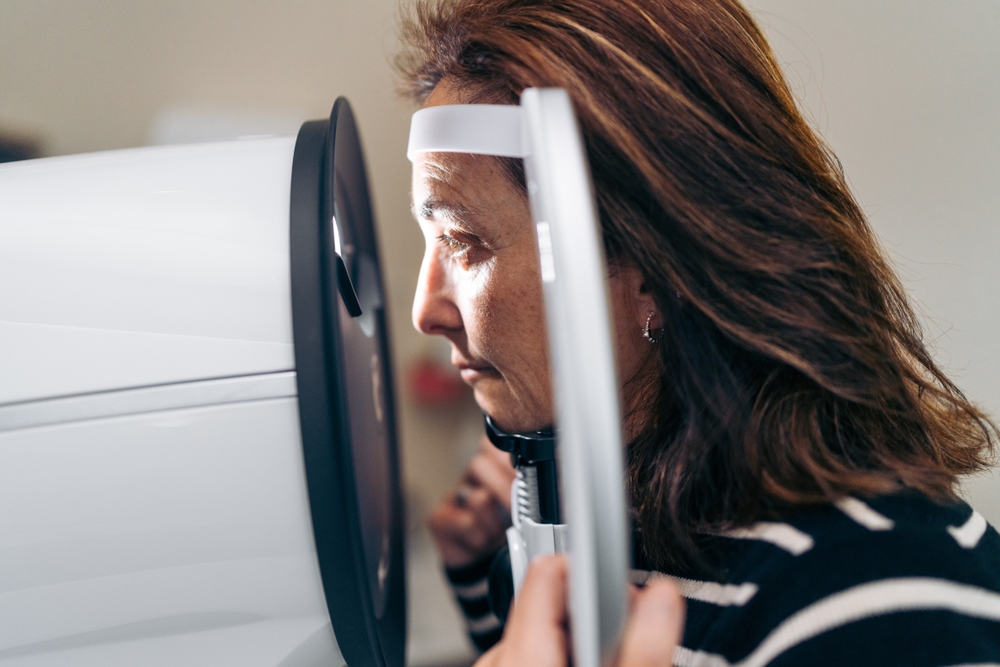
Moving forward, the researchers plan on working with ophthalmologists to carry out a clinical trial involving people with advanced but not complete retinal degeneration. “There may be a long window of opportunity in which suppressing retinoic acid with drugs like disulfiram could substantially improve low vision and make a real difference in people’s quality of life,” said Richard Kramer, lead researcher and UC Berkeley professor of molecular and cell biology, in a press release. “Because the drug is already FDA-approved, the regulatory hurdles are low. It wouldn’t be a permanent cure, but right now there are no available treatments that even temporarily improve vision.”
However, Kramer noted the downside of disulfiram, which is the same reason it’s used to treat alcohol use disorder, according to the NIH. “If you’re on the drug, and you backslide and take a drink, you will immediately get the worst hangover of your life,” he said. “And that is what makes it a strong deterrent for drinking alcohol.” Therefore, if disulfiram is proven to help treat vision, researchers may look into alternative and more targeted treatments that inhibit retinoic acid and don’t interfere with metabolic functions such as breaking down alcohol.
Read More: What is Vizz? The New FDA-Approved Eye Drop to Fix Near Vision
Eye Tests for Mice

When testing the sight of human patients, doctors may use a chart with differently sized letters. So the researchers had to be creative when testing visual acuity in mice, which cannot read letters or speak English. They invented a system using an image of black and white stripes on computer screens. They trained young mice with healthy retinas to recognize and respond to the pictures. The mice had a genetic disposition to retinal degeneration, which causes a lot of photoreceptor loss when they are 5–8 weeks old. When this happened a month later, the researchers showed the images again, and the mice that took disulfiram responded to the image. Meanwhile, the placebo group didn’t respond and didn’t seem to recognize it.
In the second phase of the study, the scientists examined the mice’s brain response to a replayed movie clip. They used a specialized microscope and a fluorescent protein indicator. They found that mice treated with disulfiram had stronger and more reliable responses to certain scenes compared to the placebo group. “Treated mice really see better than mice without the drugs. These particular mice could barely detect images at all at this late stage of degeneration. I think that that’s quite dramatic,” Kramer said. “If a vision impaired human were given disulfiram and their vision got better, even a little bit, that would be a great outcome in itself. But it would also strongly implicate the retinoic acid pathway in vision loss. And that would be an important proof of concept that could drive new drug development and a whole new strategy for helping to improve vision.”
More Research into Inhibiting Retinoic Acid Receptors
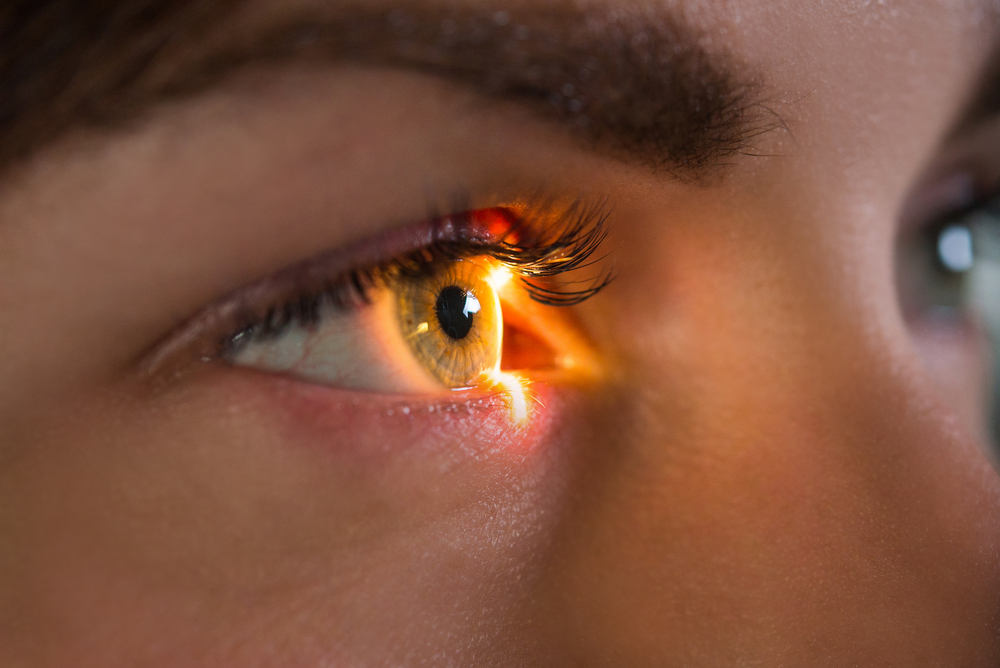
The researchers have already conducted similar trials with an experimental drug named BMS 493 that inhibits the retinoic acid receptors. They have also used gene therapy to break down these receptors. These studies seem to confirm the theory that inhibiting retinoic acid can improve retinal degeneration. Before this treatment can be prescribed to the public, more research needs to be conducted to confirm this and investigate proper treatment plans. Plus, a BMS 493 is a research compound, not an FDA-regulated drug like disulfiram. Because disulfiram is already FDA-approved, it could enter the pharmaceutical market faster than a drug like BMS 493. This makes this new study even more promising and exciting.
Disclaimer: This article was created with AI assistance and edited by a human for accuracy and clarity.
Read More: New Stem Cell Treatment Shows 92% Success in Restoring Vision