
High blood pressure is often described as a silent threat inside the body. People typically connect it with heart attacks or strokes that strike without much warning. However, the same raised pressure that strains deep arteries also reaches vessels just beneath the skin. Over time, that constant force can change how blood flows through tiny capillaries. It also affects how quickly the skin recovers from everyday scrapes or irritation. Your skin can therefore become a sensitive barometer of what is happening inside your circulation. “High blood pressure occurs when the force of blood flowing through your blood vessels is consistently too high.” That definition comes from the American Heart Association. That force does not stop at vital organs tucked safely inside the chest. It pushes through the entire vascular tree and eventually reaches the most delicate branches in the skin.
For some people, the first warning signs may be easier bruising or leg rashes that refuse to settle. Others notice that their skin looks dull and feels fragile. Even small irritations then cause outsized redness or discomfort. Understanding the links between high blood pressure and the skin helps people notice early clues and protect their barrier. It also encourages clearer conversations with clinicians about everyday symptoms that might seem unimportant. Managing blood pressure is not only about preventing distant future problems. It also shapes how energetic you feel and how quickly your skin heals. Over time, these changes can influence how confident you feel in your own body. This article explores those links so readers can see why the skin deserves careful attention as blood pressure changes.
How high blood pressure damages the vessels the skin depends on
High blood pressure acts on blood vessels every second of the day. When that pressure stays elevated, it gradually injures the delicate lining of arteries and arterioles. The American Heart Association notes that when blood pressure stays high, it can damage the walls of blood vessels and trigger plaque buildup over time. This process narrows vessels and makes them stiffer. The smallest branches that feed the skin have very thin walls, so they feel this strain quickly.
Researchers in a 2024 review on hypertensive microvascular disease explain that “hypertension exerts a profound impact on the microcirculation, causing both structural and functional alterations that contribute to systemic and organ-specific vascular damage.” The skin sits at the very edge of this system. When resistance in tiny vessels rises, less oxygen and fewer nutrients reach the outer layers. Over the years, that can mean skin that looks dull, feels cooler in certain spots, or reacts badly to minor injuries.
Microcirculation, skin tone and the hidden work of capillaries

Capillaries form a dense web beneath the surface, delivering oxygen and clearing waste. High blood pressure can reduce capillary density, a change called microvascular rarefaction. Fewer working capillaries mean each remaining vessel carries more load, which can worsen local stress. A review on systemic and cutaneous microcirculation notes that hypertension is “particularly significant due to its prevalence and its widespread impact on multiple organs.” The skin is one of those organs, even if people do not always notice early shifts.
A 2025 review of skin microcirculation and hypertension by Jackeline Flores and colleagues highlights how intimately the skin participates in blood pressure control. They write that “the skin provides a reservoir for sodium and can help moderate fluctuations in blood pressure associated with changes in sodium intake.” When that sodium handling system becomes overloaded, sodium can accumulate around vessels, drawing fluid and changing the way capillaries behave. The result can be subtle swelling, changes in color, or a feeling that the skin is tight and less resilient.
Bruising, red spots and fragile skin under pressure
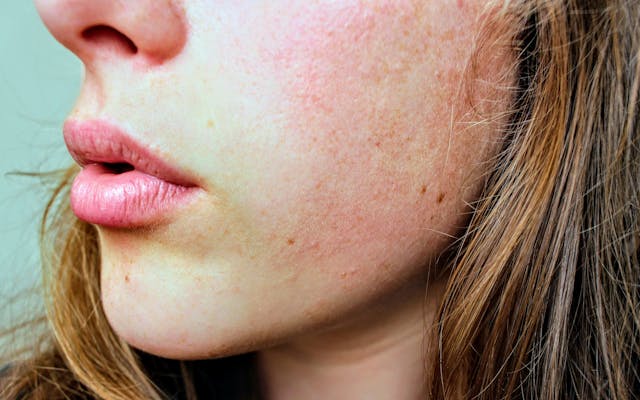
Many people first notice problems when they bruise more easily or see small red or purple spots on the legs or arms. These can reflect tiny leaks from stressed capillaries or venules. High blood pressure alone does not cause every bruise, but it increases background stress on vessel walls. When a bump or knock happens, the wall may tear more readily, letting blood seep into the surrounding tissue. That can create spots that take longer to fade, especially in older adults whose skin is already thinner.
Over the years, high blood pressure can also interact with other conditions that influence skin integrity. Excess weight, smoking, and diabetes all affect the same microvascular network. A review on impaired wound healing from StatPearls notes that “various co-morbid conditions (e.g., diabetes, cardiovascular diseases, chronic steroid administration) and environmental factors (e.g., tobacco abuse) play important roles as modulators of the wound healing process.” Someone living with high blood pressure and another risk factor may therefore see more marked bruising, more pigment changes, and areas that simply look older than the rest of their skin.
Slow wound healing and stubborn skin injuries
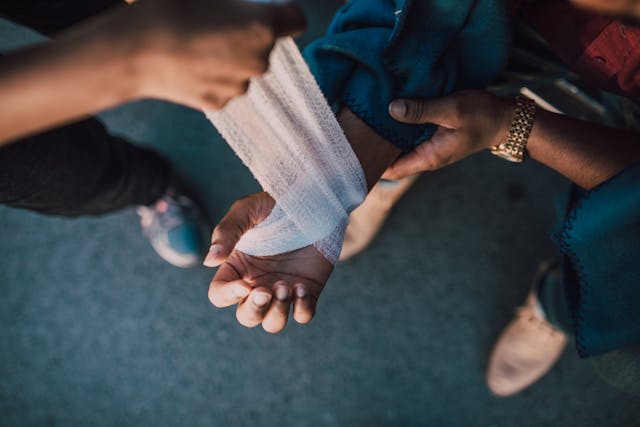
Image Credit: Pexels
Healthy skin usually repairs small cuts efficiently. Blood brings clotting factors, immune cells, and growth signals that rebuild the barrier. When high blood pressure damages vessels, that delivery system becomes less reliable. Poor microcirculation can mean fewer cells reach the area, less oxygen arrives, and waste removal slows. The StatPearls review on impaired wound healing emphasizes that successful repair “requires attention to multiple factors, incorporating nutritional, microbiologic, mechanical, and circulatory considerations.” Circulation includes both large arteries and the tiny branches serving the skin.
In people with high blood pressure, even minor skin injuries can linger. A scraped shin, a scratch from a pet, or friction from tight shoes may take weeks to heal. Once a wound opens, the risk of infection rises, especially on the lower legs, where blood flow already fights gravity. That is why clinicians often take slow healing on the legs as a cue to check vascular health, including blood pressure, blood sugar, and cholesterol. Prompt management of high blood pressure, therefore, protects both deep organs and the skin’s ability to repair itself.
Swollen legs, stasis dermatitis and high blood pressure

Image Credit: Pexels
Longstanding high blood pressure often travels with vein and heart problems. When veins struggle to push blood back to the heart, fluid collects in the lower legs. The skin around the ankles may swell, itch, or turn brown over time. This pattern is called stasis dermatitis. The Cleveland Clinic explains that venous stasis dermatitis “happens when blood collects in the lower legs” and that the resulting pooling can lead to redness, itchiness, and ulcers.
Hypertension appears among the recognized risk factors for this condition. Cleveland Clinic notes that “you’re also at higher risk for stasis dermatitis if you have high blood pressure (hypertension).” That combination of high blood pressure and venous disease can be especially hard on the skin. The surface may feel hot and tight at the end of the day, then sore if a blister opens. Compression stockings, leg elevation, and careful salt management often help. However, treating the underlying high blood pressure remains just as important as treating the visible rash.
Inflammatory skin conditions and cardiovascular risk
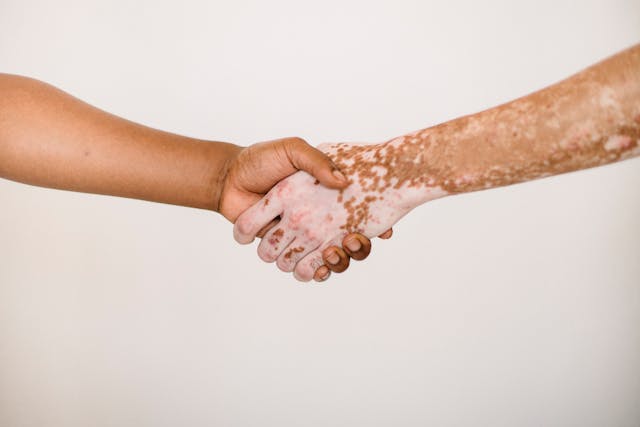
Some inflammatory skin diseases appear to travel alongside high blood pressure and other cardiovascular risks. Psoriasis is a clear example. The National Psoriasis Foundation states that “psoriasis is strongly associated with an increased risk of cardiovascular disease and progression of atherosclerosis.” Many people with psoriasis also carry diagnoses of high blood pressure, obesity, or abnormal cholesterol levels. That shared pattern suggests a common inflammatory pathway affecting both skin and blood vessels.
Inflammation can make vascular linings stickier and more reactive. In high blood pressure, the inflamed vessel wall faces continuous mechanical stress, accelerating damage. In the skin, flare-ups can appear as thick, scaly plaques that itch or crack. Inside arteries, similar processes may help plaque grow and destabilize. For patients, this means that a chronic rash is not just a cosmetic concern. When skin inflammation and high blood pressure appear together, it is worth discussing overall cardiovascular risk with a health professional and considering more aggressive prevention strategies.
How blood pressure medications affect the skin
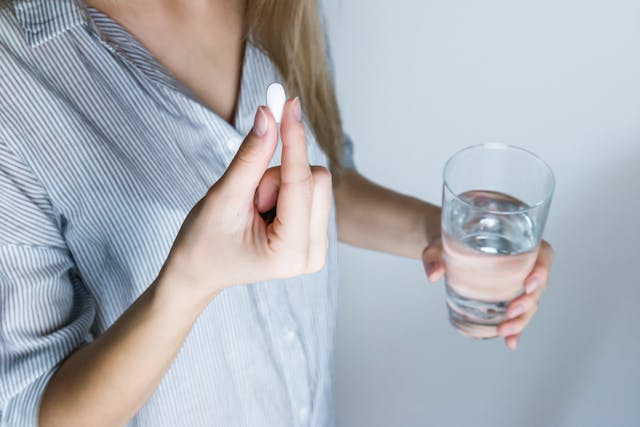
Image Credit: Pexels
Treating high blood pressure is essential, yet medications can occasionally bring their own side effects. Some people notice new rashes, itching, or dry patches after starting a drug. A large cohort study in JAMA Dermatology examined more than 1.5 million older adults and found that “antihypertensive drugs were associated with a small increased rate of eczematous dermatitis.” The highest relative risks appeared with certain diuretics and calcium channel blockers, while others showed smaller effects.
That does not mean these medications are unsafe. For most patients, the cardiovascular benefits clearly outweigh the small increase in skin risk. However, awareness helps. If someone with high blood pressure develops a persistent rash soon after a dose change, clinicians can review the timing, examine the skin carefully, and consider switching within the same drug class. Dermatologists and cardiology or primary care teams often manage these decisions together, so that blood pressure stays controlled while the skin remains comfortable and intact.
The skin as a window into vascular health

The skin is not just a passive covering. It constantly reflects what is happening inside the body. A recent review on dermatologic indicators of cardiovascular disease notes that “the skin serves as a critical interface between the body and the external environment, reflecting systemic health.” In practice, that means certain patterns on the skin can hint at high blood pressure or other vascular problems before serious events occur.
For example, recurrent stasis dermatitis on the shins, unexplained leg ulcers, or widespread tiny blood spots may prompt clinicians to look harder at vascular status. When those signs appear in someone who has never had their blood pressure checked regularly, they offer an important early warning. By treating high blood pressure, supporting healthy lipids, and addressing smoking or diabetes, it is often possible to improve both heart risk and the way the skin feels day to day. Patients who notice new or concerning changes should therefore feel confident raising them, even if the issue seems “only” cosmetic.
Read More: Blood Pressure Chart: Normal & High Blood Pressure by Age
Protecting your skin while managing high blood pressure
The encouraging news is that steps that lower high blood pressure often nourish the skin at the same time. Blood pressure guidelines from cardiology societies consistently encourage a balanced eating pattern, regular movement, and smoking cessation. These habits improve microcirculation, stabilize blood sugar, and support collagen, all of which help the skin stay resilient. Even modest improvements can increase energy, reduce leg swelling, and make the complexion look brighter over time.
Daily skin care also matters. People with high blood pressure benefit from gentle cleansing, regular moisturizing, and careful protection against the sun and trauma, especially on the lower legs. Any wound should be cleaned promptly and monitored closely. If a cut, blister, or ulcer does not improve within a few days or if it becomes more painful, hot, or weepy, medical assessment is essential. High blood pressure may start as a silent condition, but the skin very often speaks up first. Learning to listen to those signals, and acting on them with professional guidance, can protect both appearance and long-term health.
The Bottom Line
High blood pressure is usually described as a problem for the heart, brain, and kidneys. However, your skin quietly shares the load every day. Tiny vessels, fragile capillaries, and stressed veins all feel the constant force of elevated pressure. Over time, that strain can appear as bruises that linger, rashes that flare more often, or wounds that refuse to close. The good news is that small, steady changes can protect both your circulation and your skin. When blood pressure moves closer to a healthy range, microcirculation improves, nutrients reach the surface more easily, and repair becomes more efficient.
Simple decisions about food, movement, and smoking can therefore soften the impact of high blood pressure on every layer of the body. Good skin care then adds another layer of protection by preventing minor problems from turning into chronic injuries. If you live with high blood pressure and notice new changes on your skin, do not ignore them. These signs are not just cosmetic annoyances; they are messages about how your blood vessels are coping. By listening early, you and your health team can act sooner, protect your skin, and reduce longer-term risks.
Disclaimer: This information is not intended to be a substitute for professional medical advice, diagnosis or treatment and is for information only. Always seek the advice of your physician or another qualified health provider with any questions about your medical condition and/or current medication. Do not disregard professional medical advice or delay seeking advice or treatment because of something you have read here.
AI Disclaimer: This article was created with AI assistance and edited by a human for accuracy and clarity.
Read More: Little Known Vitamin Deficiencies That Show Up On Your Skin